
Desmond Chew, Principal designer of Three-D Conceptwerke: Art of sustainable design
By Melody Bay -
Share this article

Desmond, also known as Dess, is the principal designer at Three-D Conceptwerke.
Green design isn’t just for commercial spaces any more –
it’s showing up in homes, too. We sit down with Desmond Chew, the principal
designer of Three-D Conceptwerke, to get his insights on sustainable design in
the industry.
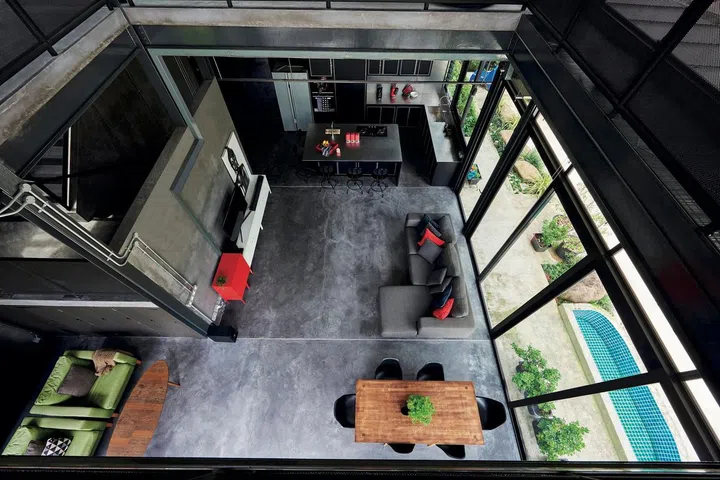
An elevated floor, made of a concrete and stone layer, helps to insulate the house and keep it cool in the heat.
Sustainability is a key issue among designers, but how much do homeowners know about it?
Although more Singaporeans are becoming aware of the importance of sustainable living, not everyone is making it a priority yet when it comes to designing their home, and I think it’s because they don’t have much knowledge of how to do so. For most, it’s really up to the designer to propose and educate the client.
Is there a difference between sustainability and eco-friendly living?
Yes, the two are linked but have their differences.
Environmentally sustainable design is the philosophy of designing the built
environment and physical objects to comply with the principles of ecological
sustainability. Skillful, sensitive design can minimise negative environmental
impact, and it helps to connect people with the natural environment.
On the other hand, the “eco-friendly” term generally refers
to products that are not harmful to the earth, or practices that can help
conserve resources, such as water or energy.
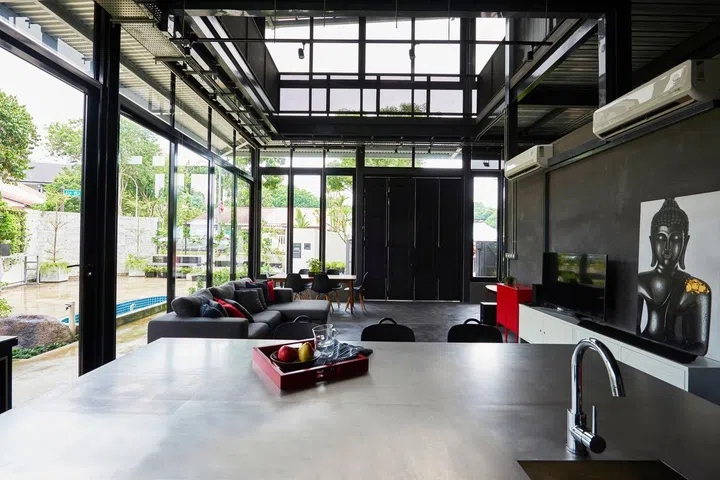
An open-plan concept allows for better ventilation, reducing the need for fans.
Why should we look beyond eco-friendliness?
A lot of people only look at whether something is made of
eco-friendly materials, for example if it is made of sustainably-sourced wood.
But that’s not enough – we must also think about the long-term use. Will we be
able to take this item with us when we move? Or can we recycle it? If the
answer is yes, then that’s sustainability. If we have to throw the item away
after a while, then it still contributes to pollution and harms the
environment.
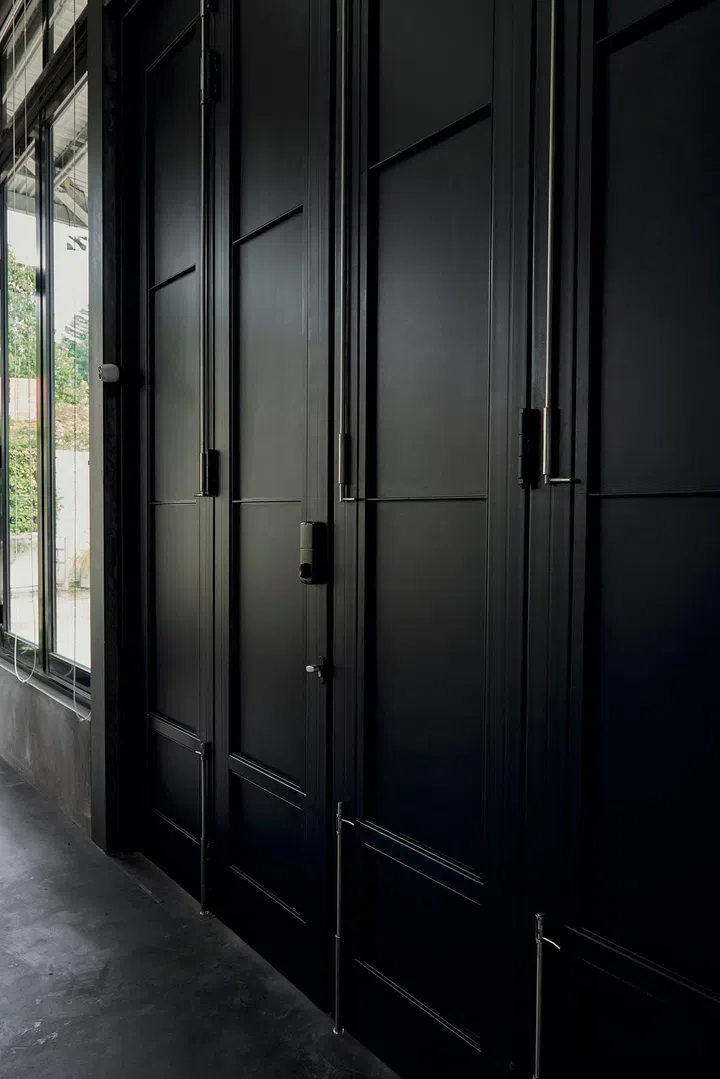
The bi-fold doors can be folded flat against the sides for a fully open doorway.
Can you tell us more about a project you’ve done that
includes sustainable design?
In one of the projects that we did in conjunction with an architect, we took into consideration the cross-ventilation and the insulation of the house. So we created a large, open space with sliding glass doors that can let in natural light and air, and we made sure the flooring was insulated with concrete and stones so that the house remains cool even in Singapore’s heat. That way, the homeowners save a lot of electricity.
If a homeowner wishes to make their house more eco-friendly
without having to renovate the house, what would you suggest?
Start with something
simple – purchase products that use eco-friendly materials, like
sustainably-sourced wood furniture. They can also conserve energy by using fans
instead of air-conditioning throughout the house.
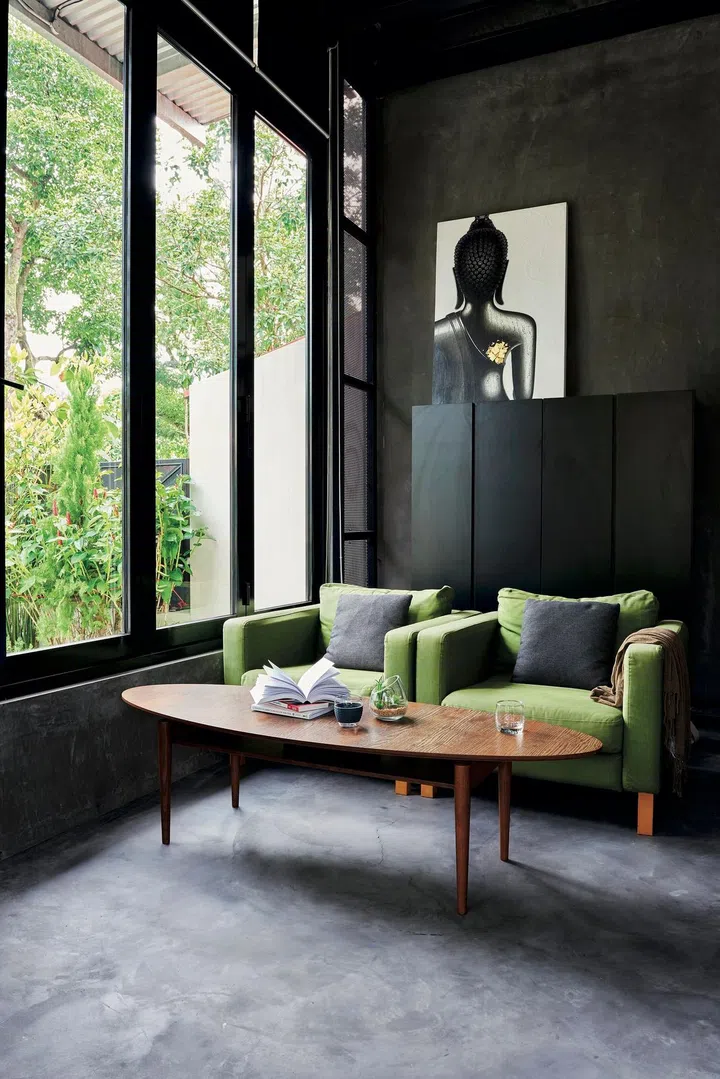
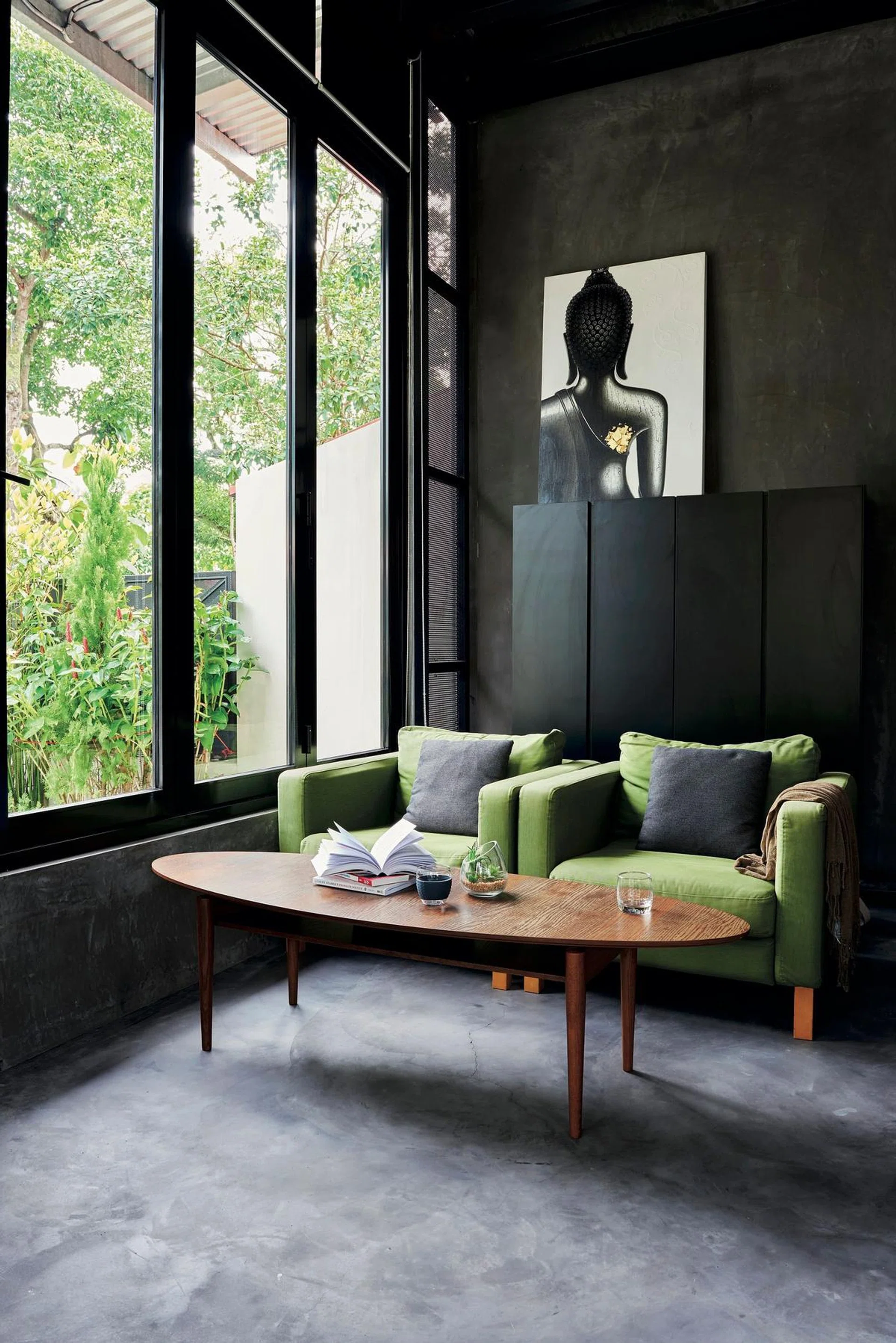
Large windows let in both natural sunlight and a glimpse of the greenery outside.
Do eco-friendly design elements cost more?
At the moment, yes. The industry is still transitioning – but suppliers and builders are gradually making changes. However, we should also consider the money we save in the long run on water and electricity, and the impact we have on the environment.