
Share this article
If you spend more than you intended to in the supermarket, it might be due to the many small psychological tricks – put in place by the supermarket team – doing its job. Here’s how they do it:
They Use A Loss Leader Pricing Strategy
A loss leader pricing strategy refers to deliberately selling some things at a loss but earning from a markup on subsequent purchases. For example, printer companies often sell printers at a break-even price, but they mark up the price of toner cartridges. Supermarkets use this trick too.
Most customers only remember the “correct” price for between four to seven items. The four most commonly known prices are for rice, bread, milk, and eggs; a handful of other customers may also remember the prices of common fruits (like bananas), or packet goods like instant noodles.
But beyond these, most customers are unable to identify markups. Few people can tell you the median price of 200g of black olives, or a 250g bottle of chopped thyme. This allows supermarkets to get away with steep premiums on these items.
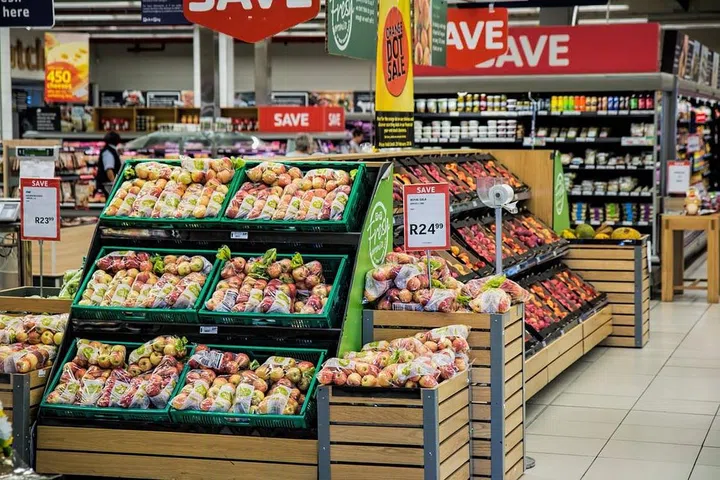
As such, many supermarkets use “loss leader pricing”, in which common items (rice, bread, milk, and eggs) are sold especially cheap. In some cases, they are even sold at a loss. This is to lure you into the supermarket, where you are likely to buy other goods at a markup.
You may also notice a variation on this theme employed by dollar-goods stores such as Daiso. You’re lured by a small number of items sold at a bargain, but you’re likely to also get some other items while at the store.
Daiso is betting that your shopping basket will be filled with several high-margin items, some of which you can buy for much cheaper elsewhere.
(Read: 10 money-saving tips for the supermarket, by Asian Food Channel host Sarah Benjamin)
They Keep Cheaper Or Budget Brands On The Lower Shelves
We’ll let you in on a secret: supermarkets don’t buy most of the items they stock. Instead, the manufacturer/distributor pays the supermarket to put their items on the shelves.
That’s right; the restocking of the items is actually based on the manufacturer/distributor’s decision; not the supermarket itself (that’s why complaining when your favourite brand is gone never seems to do much).
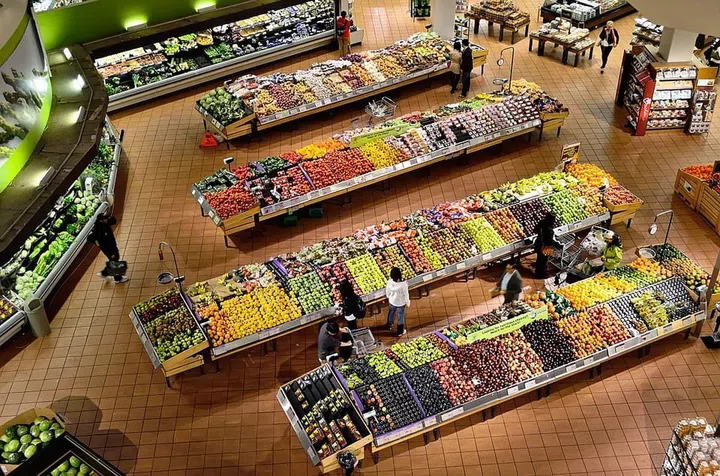
Supermarkets charge brands higher prices for mid-shelf items (most visible to shoppers), and lower prices for bottom shelf items (most shoppers don’t crouch down to look). Most budget brands, which operate on lower margins, tend to buy bottom shelf space. So if you want to save money, a good trick may be to direct your eyes lower. Bottom shelf items can cost as much as 15 to 30 per cent less than their mid-shelf counterparts.
(Read: Find gluten-free food at this grocery store)
They Mix Kilograms And Grams
Quick, between S$9.72 per kilogram and S$2.96 per 250g of minced meat, which is cheaper?
The answer is actually S$9.72 per kilogram (S$2.96 per 250g comes to S$11.84 per kilogram). Now you would think supermarkets should just price everything by the kilo, or per 100g; that would certainly make more sense when it comes to comparison.
However, most supermarkets don’t; it’s easy to trick you into buying something more expensive, by mixing up the weights.
In this example, many shoppers – who are in a rush and not eager to do the maths – would instinctively grab the more expensive meat, as S$2.96 seems cheaper.
Another way that supermarkets profit is by charging higher for smaller portions. Again, using this same example, you’re paying more for that minced meat on a per-gram basis if you buy in multiples of 250g. Hence, if you notice a large price difference, it might be worth buying more and stocking up the remainder.
They Litter The Cashier Area With Impulse Buys
Most of the time, you don’t plan to buy a candy bar, or tic-tacs, or M&Ms. We daresay 99 per cent of our readers right now don’t put these on their grocery list.
This is the reason these items are placed at the cashier’s area, where (1) you are certain to see them and be reminded they exist, and (2) are likely to add them to your cart, because it’s almost your turn in the queue, and your brain mistakes this as some sort of “last chance” to buy. If you’re on a diet, you may want to avert your eyes as you stand in line.
A version of this article originally appeared on SingSaver.com.sg, Singapore’s #1 personal finance comparison platform by transaction volume, provides consumers with timely money insights and aggregates the latest credit card offers and up-to-date personal loan deals.