
Share this article
Why is it so hard to find short term rentals in Singapore? Well, in Singapore, the regulation of short-term property rentals is stringent, aiming to preserve the residential character of neighbourhoods and ensure the safety and security of residents.
Minimum Stay Duration
Under the Urban Redevelopment Authority (URA) guidelines, private residential properties—such as condominiums, apartments, and landed houses—cannot be rented out for periods shorter than three consecutive months. This rule is enforced under the Planning Act, and any lease or licence agreement must meet this minimum duration to be considered lawful.
For public housing managed by the Housing & Development Board (HDB), the regulations are even more stringent. HDB flats cannot be rented out for short-term stays, and any form of transient accommodation is prohibited.

Legal Consequences
Engaging in short-term rentals that violate these regulations is considered an offence. Property owners, tenants, or intermediaries found guilty can face fines of up to S$200,000 and/or imprisonment for up to 12 months. Repeat offenders may incur additional fines of S$10,000 per day for each day the offence continues.
The URA actively investigates reported cases and collaborates with Management Corporations (MCSTs) to monitor and prevent illegal short-term accommodations within residential developments.

Permissible Short-Term Accommodation
Visitors seeking short-term stays have legal options:
- Hotels and Hostels: These establishments are licensed under the Hotels Act and can accommodate guests for any duration.
- Serviced Apartments: These require URA approval and must adhere to a minimum stay of seven days. They are typically managed under a single ownership and are not subdivided into strata titles.
It’s important to note that platforms like Airbnb are not illegal in Singapore; however, listings must comply with local laws. For instance, private residential properties listed must reflect the minimum rental period of 92 consecutive nights.
Enforcement and Reporting
The URA encourages the public to report suspected illegal short-term rental activities. Property owners are advised to conduct regular checks to ensure their properties are not misused by tenants for unauthorised short-term accommodations.
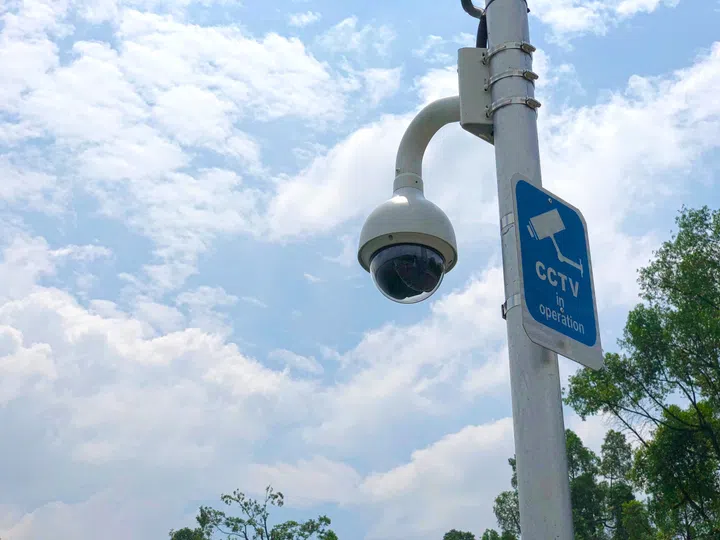
Management Corporations are also urged to implement security measures, such as monitoring visitors with luggage and maintaining records of unit access, to deter and detect unauthorised short-term stays.