
The Hermes design story — understanding the concepts and furniture of Hermes Home Universe
By Home & Decor Team -
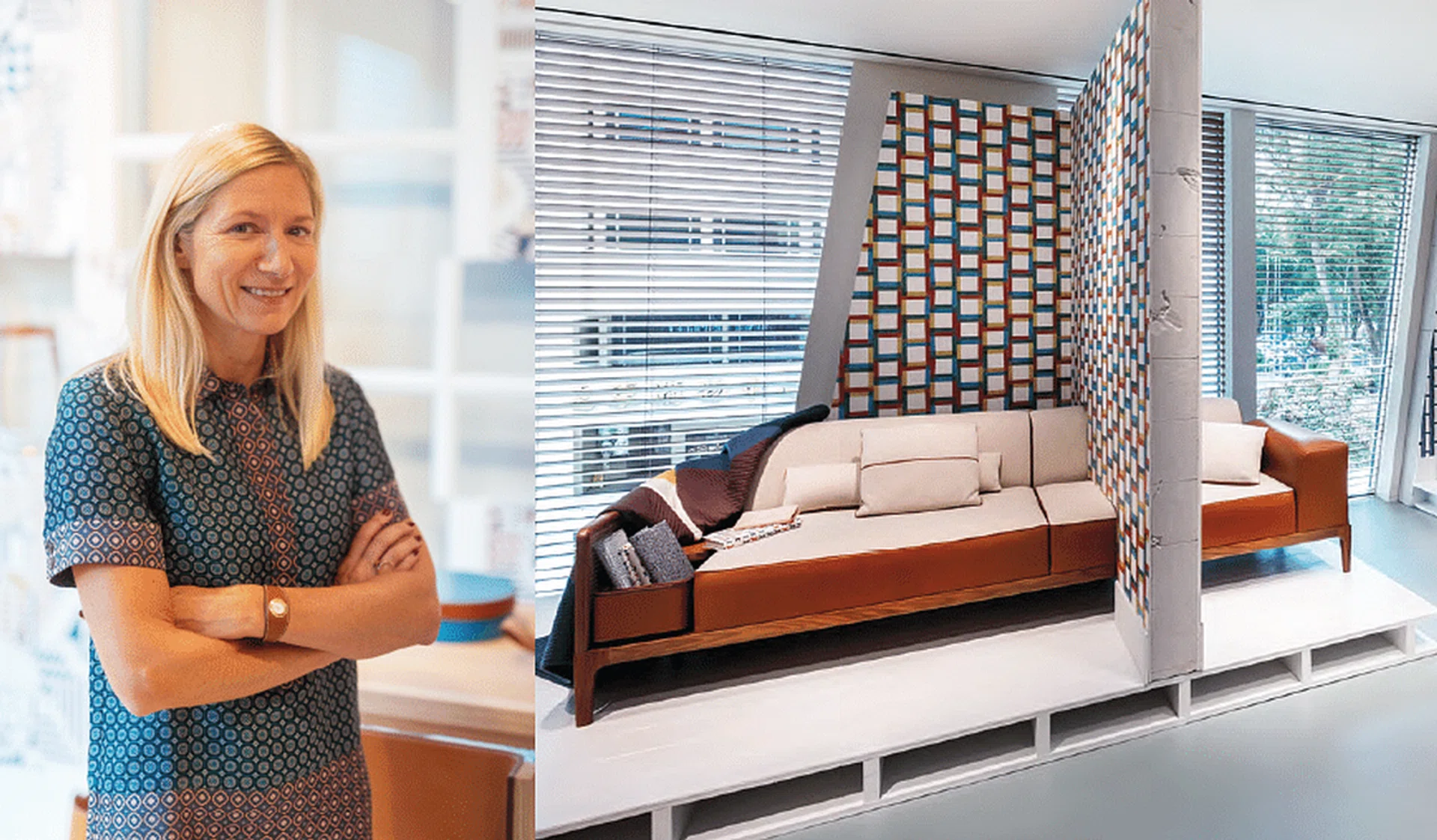
More than just designers, the creative brains at Hermes are better recognised as seasoned storytellers. From Hermes’ whimsical storefronts to the artisanal production of its handstitched leather gloves and bags, each carefully constructed object carries a tale of the artists behind the fantastical designs, techniques used by Hermes craftsmen, or simply an imaginative concept that has captivated the brand’s tastemakers.
The French brand started out in 1837 as a saddle-maker, but soon evolved from equipping equestrians with utilitarian riding gear to accessorising their homes, too. The Hermes Home Universe began with blankets and lamps, and then – thanks to a serendipitous meeting in 1924 with interior decorator Jean-Michel Frank – leathercladded seats, furniture, and even walls. These commissioned pieces were worked on by Hermes master leatherworkers and saddlers.
Pictured: The Groom Attele Hanger pays homage to the house’s first metier -- A harness and saddle-maker.
Currently helmed by artistic directors Charlotte Macaux Perelman (pictured) and Alexis Fabry, the union of form and function continues to this day with the Home Universe mantra of “rigour and fantasy”. This was personified in Through the Walls, an immersive and playful exhibition that showcased the diversity, versatility, and functionality of Hermes objects. Here for the Singapore-exclusive exhibition, Charlotte gave us an insight into Hermes Home Universe.
WHAT DOES IT MEAN TO HAVE “RIGOUR AND FANTASY”?
Hermes’ products are made to last and be passed down through generations. We like finesse in craftsmanship and avoid industrial and synthetic materials. We combine heritage with farsightedness; this is also why we love to work with architects – they understand time. On the other hand, we also convey the know-how and personalities of artists we work with through artistic elements. For instance, I like that the wallpapers in Through the Walls were hand-stamped and, if you look closely, you will see the hand gestures of the artist.
HAVE YOU SEEN THIS RIGOUR AT WORK?
Yes, everyone knows a Hermes piece is honest and well done. [That phrase is used a lot these days], but working from inside, I see the energy we put in each piece to get the right materials, weight, and even artisan. We spare no effort to materialise a design, and pay the same attention to a small box as we would a sofa. When Hermes had the design for Karumi (pictured), we could not perfectly handle the bamboo, so we found an amazing Japanese master in Tokyo who could. He had invented the layering technique that could accurately convey the idea of Karumi. We push boundaries.
WHAT SIMILARITIES ARE THERE BETWEEN HERMES THE FASHION BRAND, AND HERMES THE FURNITURE DESIGNER?
We like to give clients little luxuries. In fashion, we’ll include an amazing texture in the pocket, even if it is hidden. We create these intimate gestures with our furniture, too, such as cladding the inside of drawers in leather or, like in our maple bowls, including a hidden groove.
Image: Hermes
WHAT KIND OF HOME WILL A HERMES PIECE LOOK GOOD IN?
Hopefully, any home – though Hermes will be strongest in a home with Scandinavian, Japanese and French furniture. People should add their own personality into their homes, instead of focusing on one brand. It’s like Jean-Louis Dumas said: “Don’t wear only Hermes on you.”
Did you know? Hermes has a team that specialises in buying drawings and illustrations. Both interior and fashion departments are free to browse or use them.