
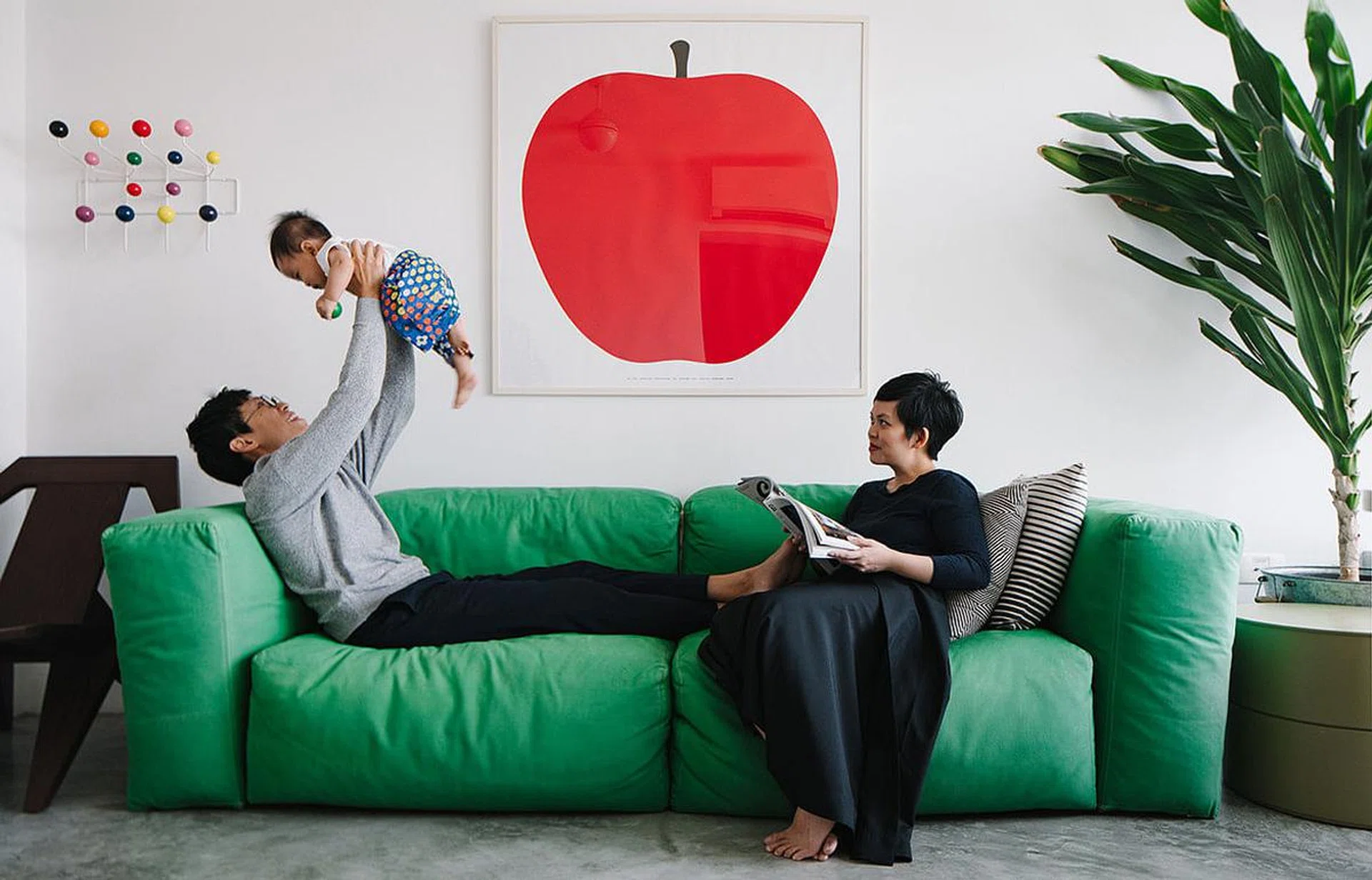
Share this article
As if it were straight out of a fairytale, design firm Studio Juju's conception and journey has been nothing short of serendipitous and romantic. Driven by passion and a love for design, the homegrown furniture design studio founded by (now) husband and wife duo Priscilla Lui and Timo Wong has won many awards since its establishment in 2009, and is still going strong a decade and a half later.
Despite the post-modern and abstract look of their award-winning designs, the intention and process of their works remain humble and sensible.
Studio Juju also collaborates with local craftsmen and artisans to create products that can be manufactured in Singapore.
In an interview with co-founder Timo Wong, he spoke highly of local tinsmiths and of the importance of tangible heritage, displaying an admirable initiative on preserving Singaporean artistry.
Click here to jump to the bottom of the article for more about their furniture designs, and their award winning pieces here.
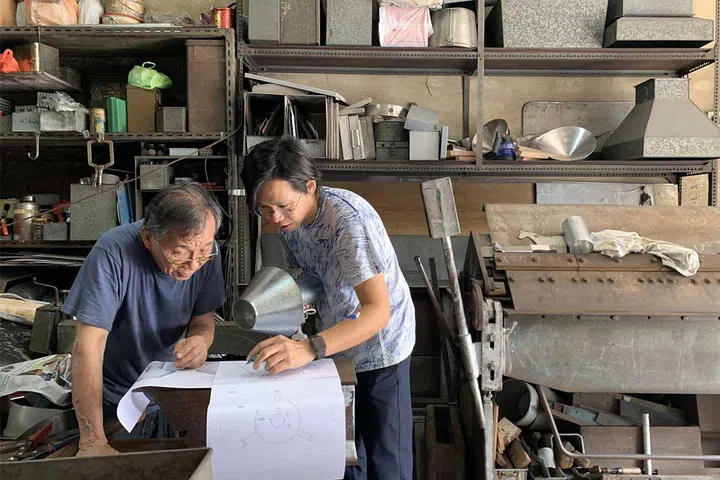
Studio Juju's Co-founder Timo Wong discussing with local tinsmith to produce their Galvanic Lamp. Credit: Studio Juju
Design Philosophy
When I spoke to Timo, each piece in their exhibition Likeables had slightly different underlying beliefs that guided their designs (read more about their exhibition below). But a constant thread that held all their motifs together seemed to be the ability of designs to evoke emotions, and people's relations with the objects that Studio Juju creates.
In the initial stages of their design studio, they based a majority of their work on human connections.
This belief was further enhanced when, a few years later, they began to consider sustainable designs. Apart from incorporating sturdier materials, they realised that once an emotional attachment is formed, people are more likely to repair it rather than replace it, reducing trash generated.
Studio Juju Background
Co-founded by husband and wife duo Priscilla Lui and Timo Wong - 40 and 41 years old respectively - in 2009, Studio Juju was a result of a shared passion for design and creation.
Both Priscilla and Timo were working at the National University of Singapore Design Incubation Centre when they met and began collaborating as colleagues, later branching off independently to form Studio Juju.
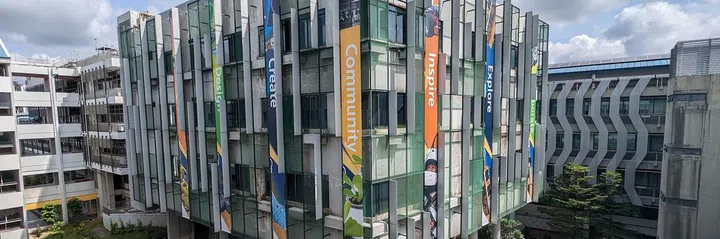
The Design Incubation Centre aims to help NUS design students and young graduates to develop and achieve their projects until production and commercialisation. Credit: NUS College of Design and Engineering
Priscilla Lui, Co-founder of Studio Juju
Priscilla Lui graduated from the Industrial Design Programme in NUS in 2006. She immediately went on to work at the Design Incubation Centre for where she met Timo, and consequently spent 3 years as colleagues before independently forming Studio Juju.
Timo Wong, Co-founder of Studio Juju
Timo graduated from Nanyang Polytechnic in 2003, and spent 4 years working in consultancy in consumer electronics before joining the Incubation Design Centre in 2007, where he met Priscilla as a colleague. As colleagues, they travelled internationally to participate in design fairs, particularly to Milan and Paris.
Towards the end of their time working at the Design Incubation Centre, Priscilla and Timo's colleagues had encouraged them to participate in Milan Design Week, spurring their collaboration on design. They received positive traction, and continued to participate in other design fests, culminating in the achievement of being granted the Design Report Award in 2011.
Later that year, they were named Designers of the Future by Design Miami.
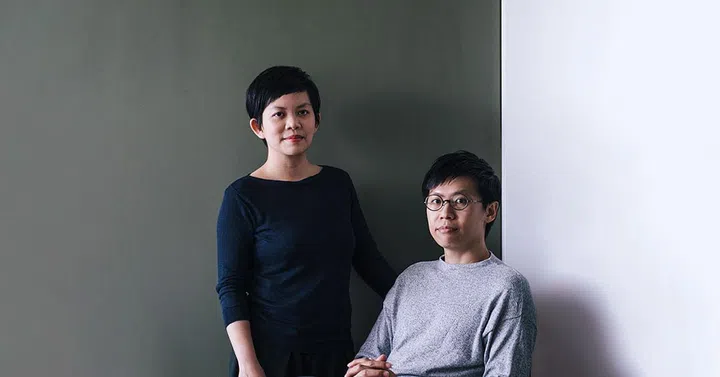
Studio Juju founders and designers Priscilla Lui (left) and Timo Wong (right) founded Studio Juju in 2009. Credit: Studio Juju
Married couple working together
Well known to many in the local design industry, Priscilla Lui and Timo Wong are married. Their son Oliver (Ollie) Wong arrived in 2018, joining their dog, Oscar Wong.
Of course, that invites questions about his personal and work life balance. When I blurted the same question asking how he and Priscilla manages their professional relationship and marriage, Timo broke into a laughter.
"This is a common question we get asked a lot. The largest con is that we never stop talking about work, which is fine because we're both passionate in what we do and enjoy talking about it. But sometimes we need to have a little discipline to stop talking about it, like when we are with our son, or doing family-based activities," he candidly lets out.
"We juggle work and life very fluidly. It's unnatural to leave all our work in the office, because its always on our minds. But as long as we have a healthy balance, we know when to talk about it and not talk about it."
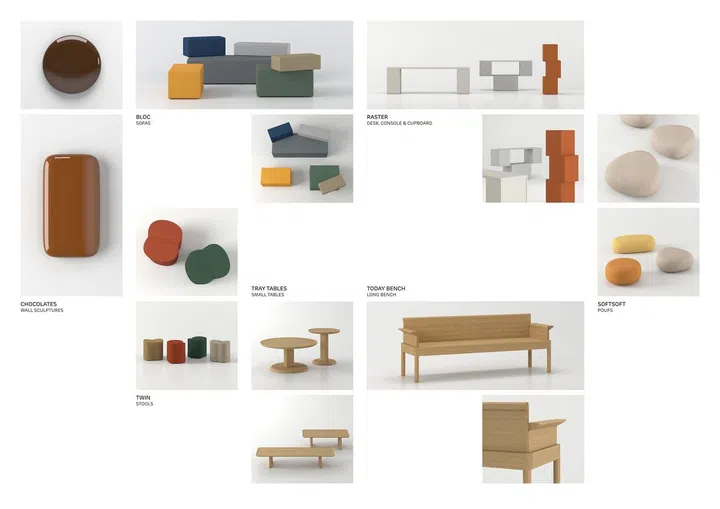
An overview of all their works in Likeables. Taken from Studio Juju's brochure.
Studio Juju LIKEABLES
Likeables was an exhibition held at the Peranakan Museum from 19 January to 22 February 2024, with free admission to the public. The exhibition consists of 7 sets of furniture designed by Priscilla and Timo over the course of 2023.
Likeables was conceived through a residency programme Studio Juju underwent at the National Design Centre in collaboration with DesignSingapore Council. The residency provided the funding and support required to explore and create these furniture pieces, which was displayed in the Likeables exhibition.
Conception
The intention behind 'Likeables' were deceptively simple, acting as a North Star through the complicated process of design.
"We have words we use to describe the way we encounter the design. We constantly ask, 'Is this useful? Is this likeable?' So 'likeable' seemed to be a word that always popped out in our conversations between me and Priscilla.
"We want this exhibition to appeal to not just design professionals and enthusiasts, but to even general people who stumbled upon our exhibition who may not understand design.
"It's a very simple way to explain the design process, how even though there's a lot going on the overarching idea is for it to be likeable."
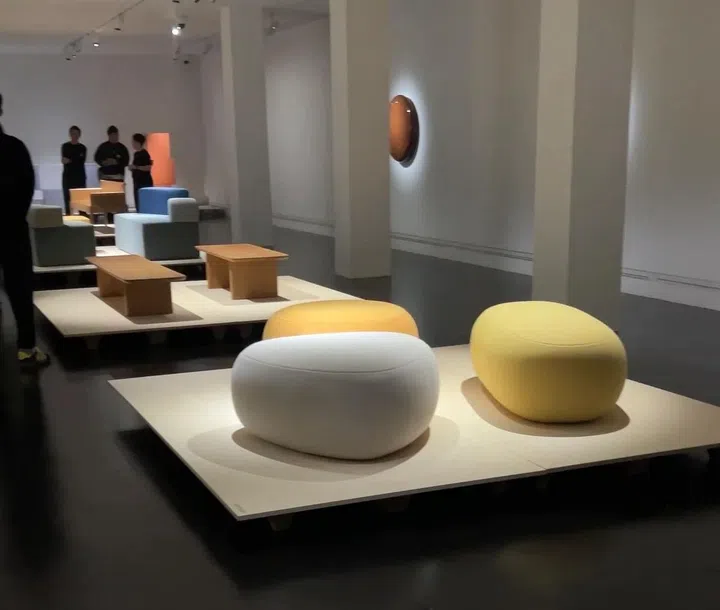
The Likeables Exhibition was held in the Peranakan Museum, Singapore. Credit: Jyn
Stuido Juju Furniture
While not yet mass produced, Studio Juju is toying with the idea of making their furniture available to the public.
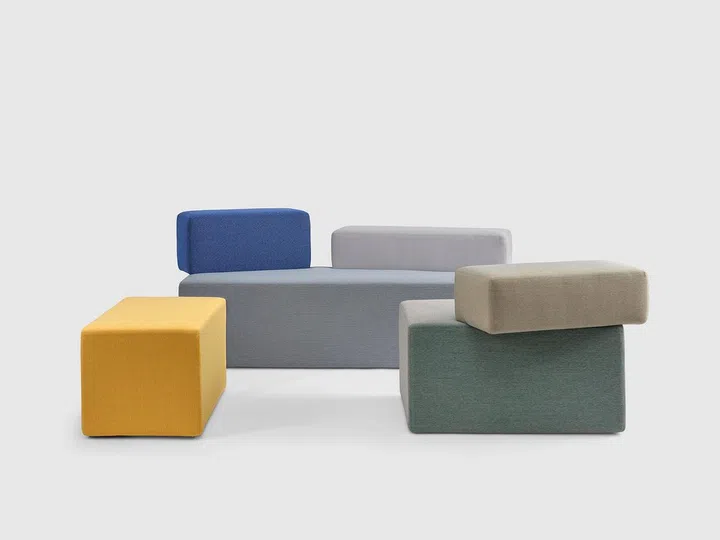
Cute and colourful, Bloc is perfect for all lovers of Legos. Credit: Studio Juju
Studio Juju Sofa: Bloc
A set of casual sofas, Blocs are creative and minimalist, with eye-catching colours that are neutral enough to match any room. Made of polyurethane foam and polyester fibre on a wooden frame, these sofas were designed with quality of comfort in mind.
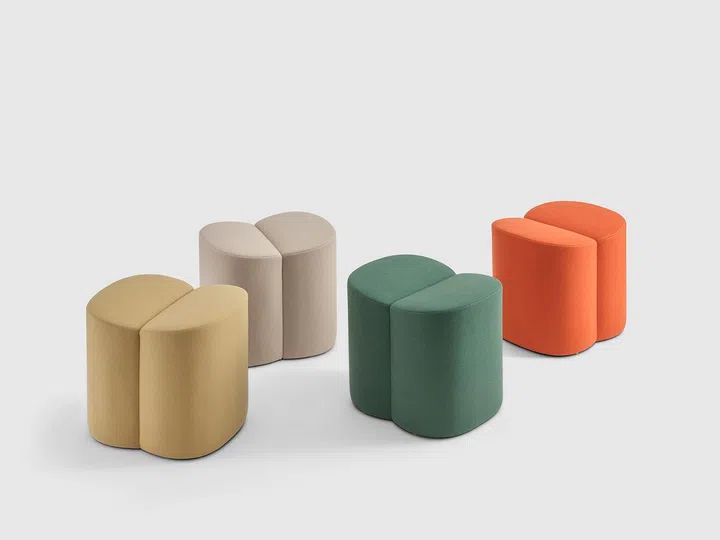
Twins are available in four colours. Credit: Studio Juju
Twin
Inspired by sproutlings, Twin is reminiscent of the first pair of leaves on a young plant, or even fluttering butterflies. Being small, these would fit right into any living room, providing a casual and cozy place to socialise.
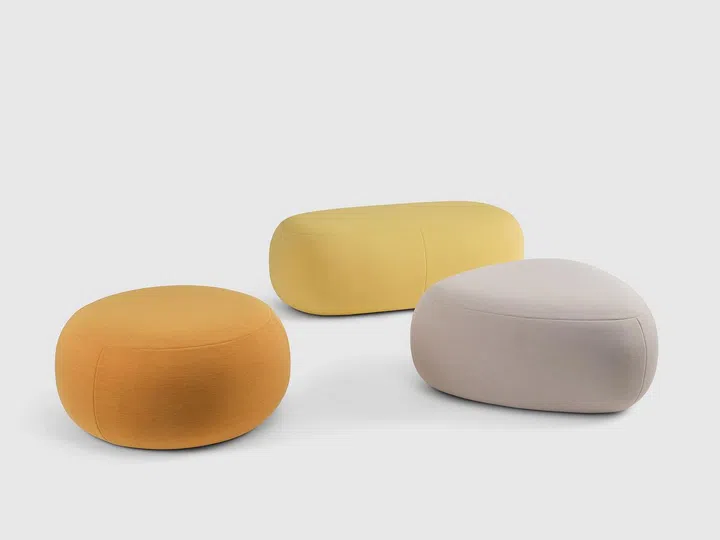
Names Round, Long, and Onigiri. Credit: Studio Juju
Softsoft
A personal favourite of mine, everything about this piece is explained in the name. Softsoft stems from the Singaporean linguistic habit to repeat words (known as reduplication) for emphasis.
Its name is simple and conveyed the point of the work across, and was hence adopted by Studio Juju.
Raster
Raster is a collection consisting of a table, a console, and a cupboard. They build upon the relationship of volumes and lines, shifting and balancing. Made with light weight aluminium honeycomb panels, the collection is designed to be flat-packed, and assembled to have a sculptural quality.
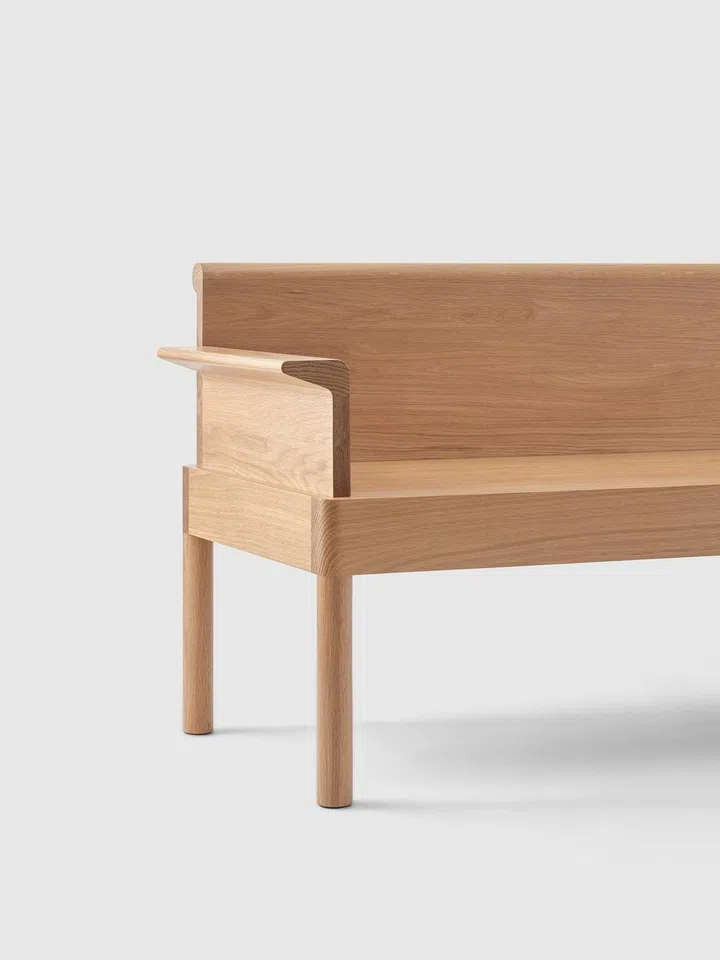
Credit: Studio Juju
Today Bench
Inspired by the traditional Peranakan bench, the Today Bench is a mordernised retelling of the staple furniture, and a special response to the Peranakan Museum for hosting their exhibit.
Traditional Peranakan benches are less common nowadays, with the lack of space in today's homes to accommodate the size of large furniture. Mindful to keep the proportion and construction process the same, the Today Bench retains the essence traditions within its design despite its modernised aesthetic.
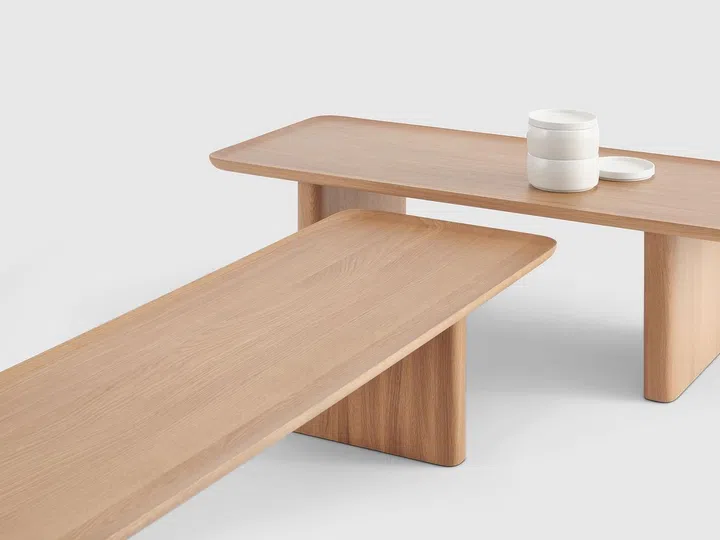
Long Tray Tables
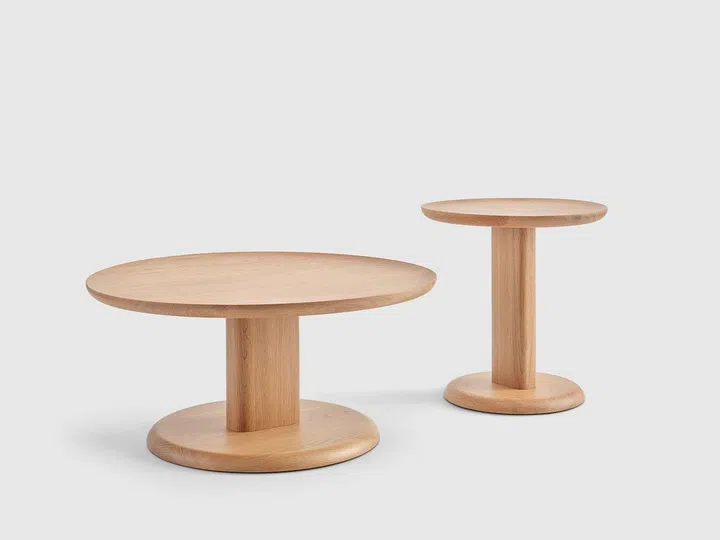
Round Tray Tables.Credit: Studio Juju
Tray Tables
Round Tray Tables were designed with a central stem that allows the tables to have a sculptural quality viewed in different perspectives. The simplicity of the stems also makes it easy to be arranged visually together with other pieces of furniture.
Long Tray Tables affords the sense of space, in two proportions that can be used together or separately, in the middle of a living space, and also works well against the wall.
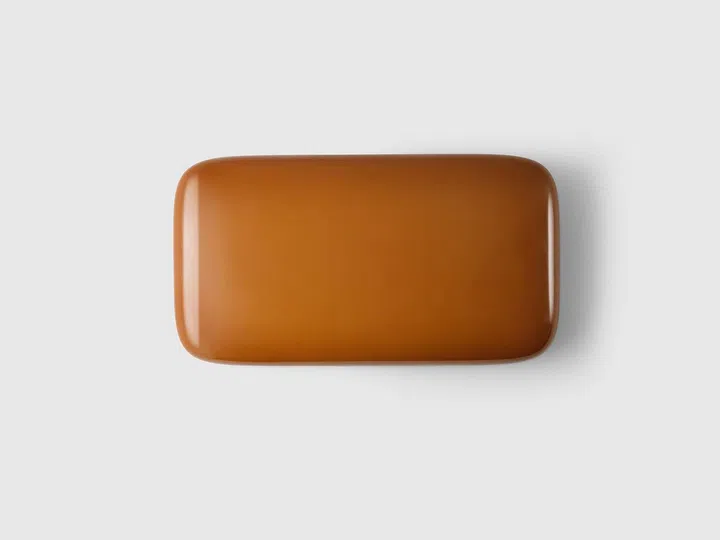
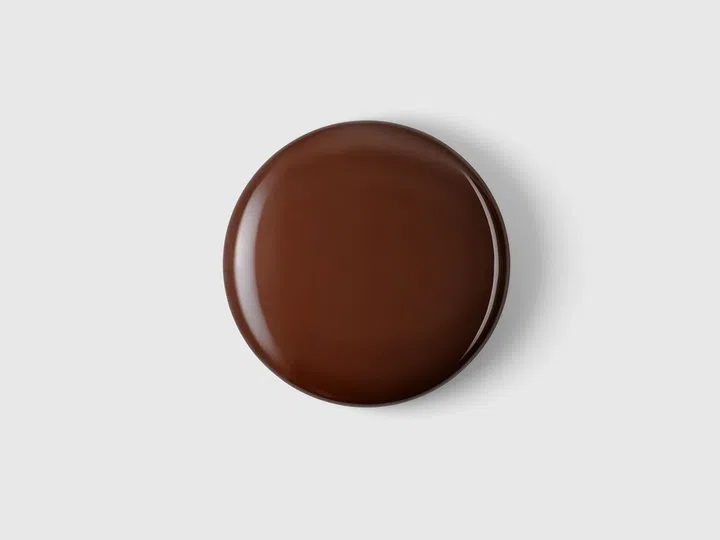
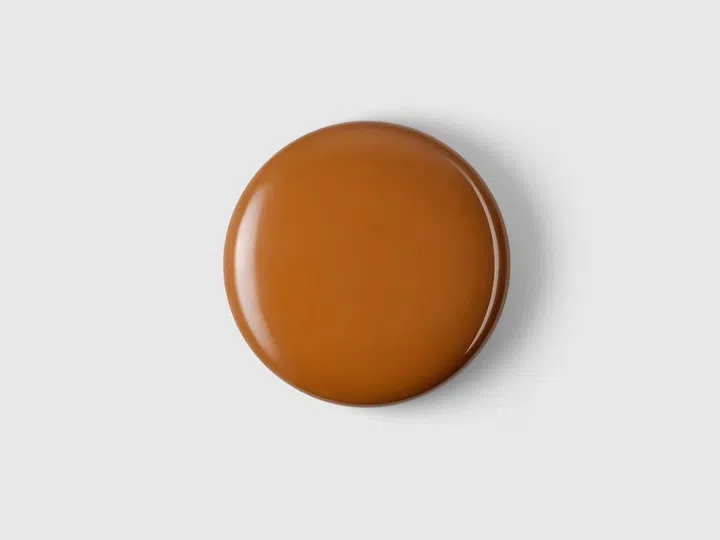
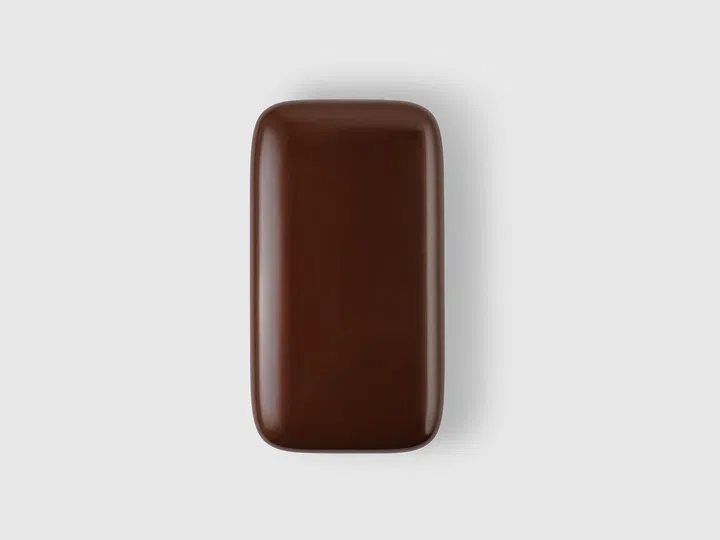
Named Round and Rectangle (not Long, differing from other designs). Credit: Studio Juju
Chocolates
Straight out of Willy Wonka's Chocolate Factory, these chocolates may look alluring, but are unfortunately inedible. Made from fibre-reinforced plastic with a colour gelcoat, the conception of these wall sculptures were an extension of a set of Chocolate Sofas produced in 2018.
Studio Juju Designs
You may have seen some of these iconic works by Studio Juju across Singapore, but have you ever noticed them? The next time you stumble across these pieces, you'll know who designed them!
Benches by the Bay
Benches By The Bay is a series of benches at Gardens by the Bay, with eight total distinct bench designs. Perfectly fitted for the nooks and crannies in which they reside, these designs are found throughout the garden, seamlessly fitting into their surroundings and enhancing the environment.
During the process of crafting these pieces, Wong and Lui observed the interactions of visitors and the park, and produced the benches with these behaviours in mind. As a result, these benches provide an accent to the visual display in the garden, whilst not drawing attention away from the scenery.
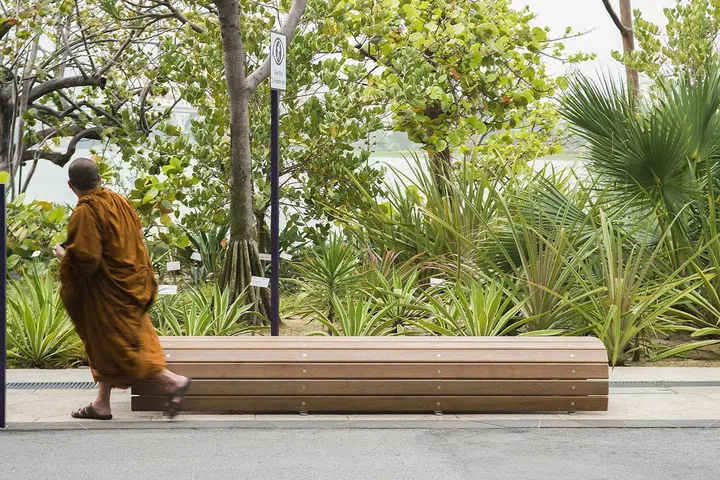
Wooden bench found around Gardens by the Bay. Just one of many designs around the park tailored to their environment. Credit: Studio Juju
Sculptures at Tampines MRT
Another work you may have seen around Singapore would be The Big Round and The Tall Long, located at Tampines MRT Station. They are strikingly vivid against the black backdrop of the wall and demand attention of passers-by, intending to accentuate the vast expanse of the station, but open to interpretation by viewers in regards to their shape and meaning.
The Tall Long by Studio Juju. Photo Credit: Studio Juju
The Big Round by Studio Juju. Photo Credit: Studio Juju
Studio Juju's Award Winning Pieces
To list them all out would drag this article out far too long, but here are their most accomplished works, with vast international recognition.
A Tent (2011)
Having designed A Tent, they were named Designers of the Future by Design Miami in 2011. Inspired by the theme 'Conversation', A Tent acts as an inviting space for people to step into and interact with, without being cut off from the outside world.
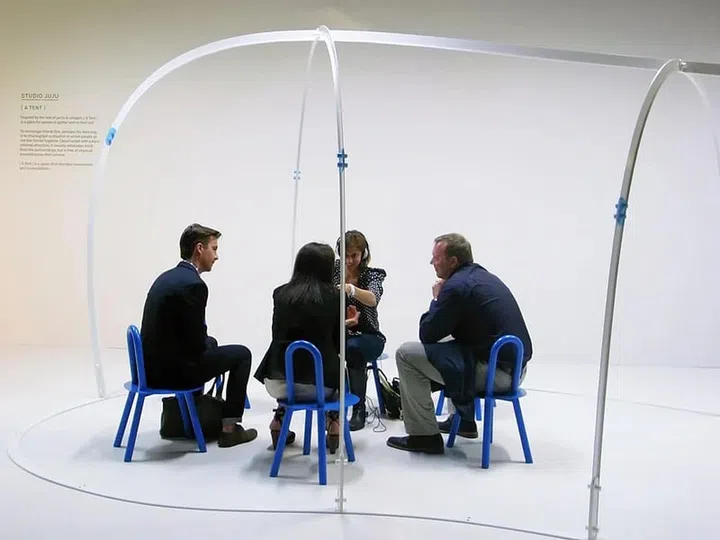
Design Miami is an American design company that hosts two annual collectible design fairs annually. Credit: Studio Juju
The Rabbit and the Tortoise Collection (2014)
In 2012, luxury furniture brand Living Divani selected Studio Juju's the Rabbit and the Tortoise Collection to be manufactured. It later went on to win a President's Design Award in 2014.
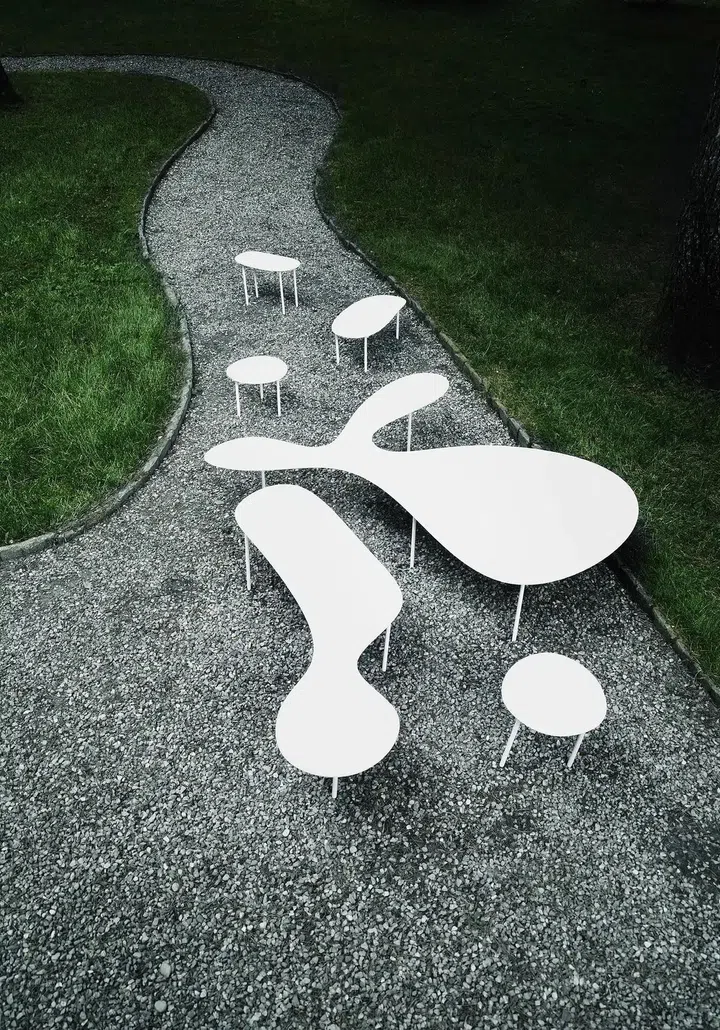
With the Rabbit and the Tortoise Collection, their inspiration was drawn by the fluidity of space, and the interaction between water and islands. Their aim was to create a liberating experience for users sitting along the curves. Credit: Studio Juju
O Studio
Having recently opened their own interior design firm, O Design, founders Priscilla and Timo intend to run both companies simultaneously, focusing on both object and spatial design.
Still driven by passion even 15 years later, Studio Juju's continues to create revolutionary designs based on modest principles.
Studio Juju is located at #02-13 1090 Lower Delta Road, Singapore 169201, visit their website here.