
Share this article
The floor: more than merely the foundation upon which all homes are built. Whatever you’re looking for underfoot, it’s an irrefutable fact that your choice will ultimately contribute to the final look of your space.
From flashy flooring that draws the eye to a pared-down look to suit cleaner aesthetics – you’ll want to make an informed decision. Here’s are the 6 most common types of flooring in Singapore you need to know!
Wood Flooring
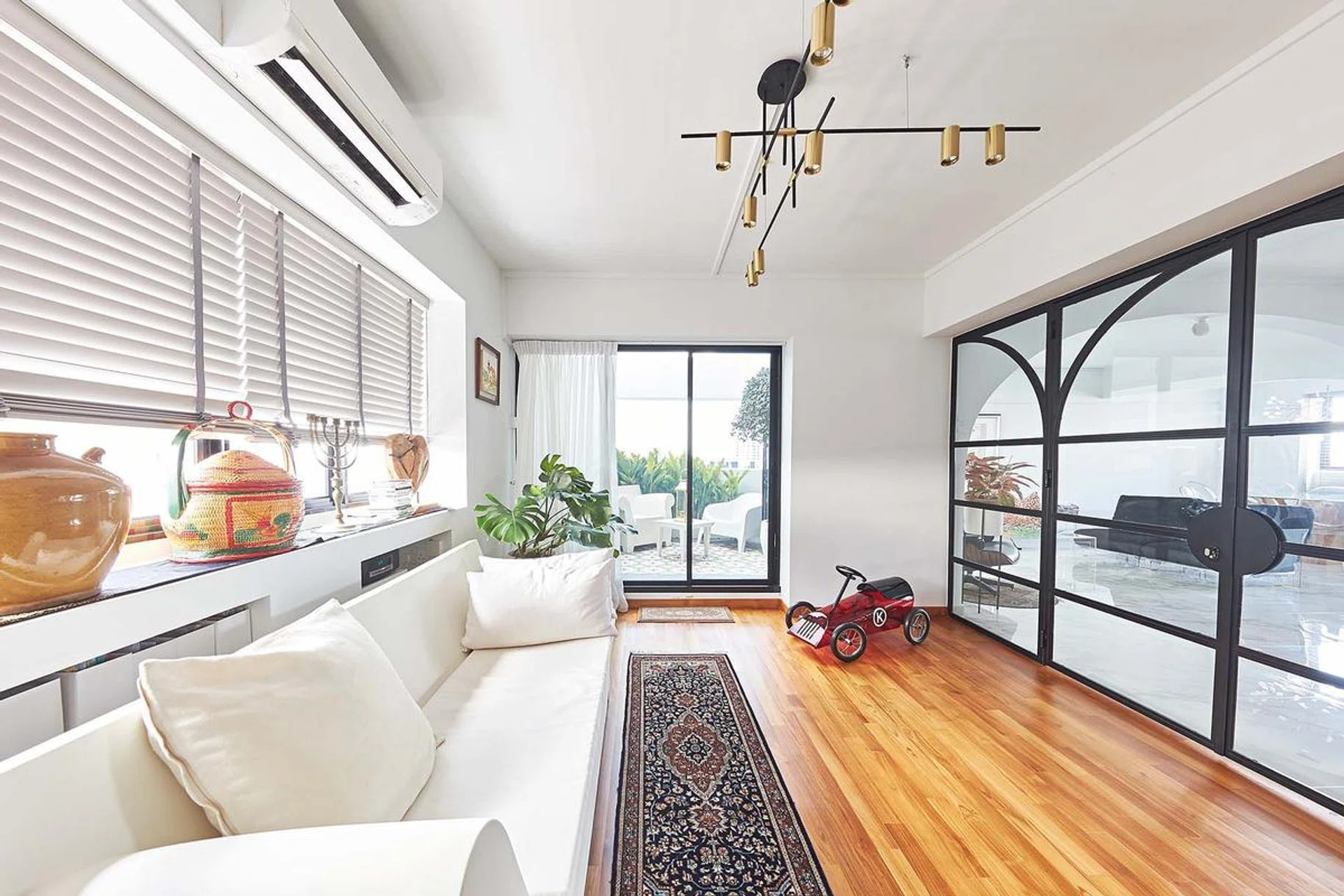
A timeless option well-beloved by homeowners the world over, wood has the benefit of being as inconspicuous or as blatant as desired. Adaptable and long-wearing, wood can be used for a multitude of aesthetics, from comfortable rustic chic interiors to light-filled New York-style lofts to measured, modern- contemporary homes.
Advantages of wood flooring
Wood flooring increases the value of your home
There’s nothing more comforting than the look and feel of natural hardwood at home, and most homeowners agree. Because it is such a long-wearing and beautiful material, the use of wood more than instantly warms a space, and raises the value of your home.
Wood flooring is durable
Wooden floors can last up to a century and longer if properly cared for. This means they’ll need an occasional sweep, vacuum, and wipe-down, and maintenance from time to time.
Wood flooring is versatile
Plenty of wood options are available in the market today, from different types of wood to the stain and to the cut. You can even get creative with the laying process, from parquet to herringbone and more.
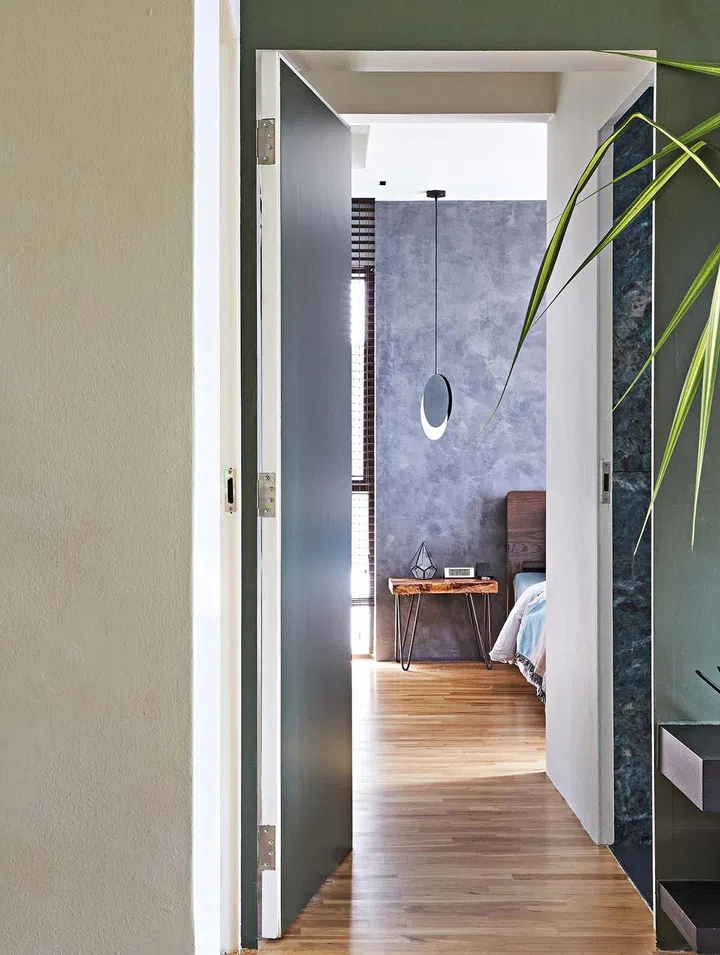
House Tour: Mid-Century Modern 3-Room Walk-Up Apartment nearby Newton Food Centre
House Tour: Mid-Century Modern 3-Room Walk-Up Apartment nearby Newton Food Centre
Disadvantages of wood flooring
Wood flooring prone to scratches
Wood is susceptible to scratching, so the damage from your high heels or the paws of your pets will definitely show up in time.
Wood flooring is expensive
The price point is a very real consideration in home renovations; be prepared to fork out a hefty sum. Just remember that it’s an investment that’s worth it in the long run.
Wood flooring can be noisy
If you have running children at home, wooden floors might drive you slightly batty with the noise it will emit.
Tile Flooring
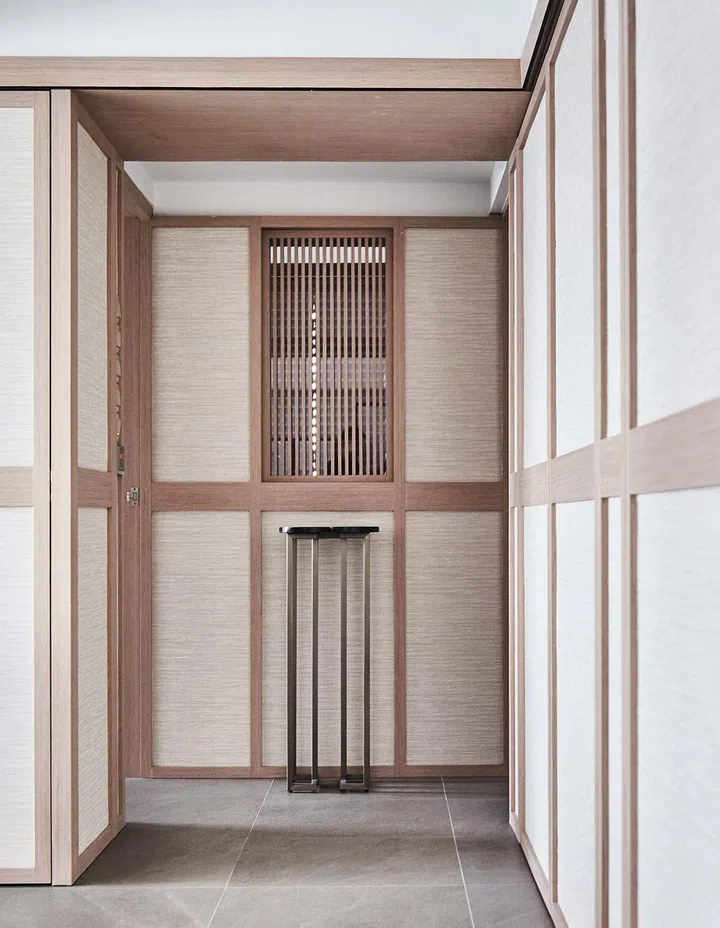
The mainstay of many Asian homes, tiles have a way of making a space look remarkably neat and tidy. Because they’re available in many different styles and looks, they’re the perfect option for homeowners who are after easy maintenance, cost-efficiency, and good looks.
Advantages of tile flooring
Tile floors are cooling
Because tile floors retain the heat and cool very well, they’re perfect for our hot, muggy weather. Just install them indoors and away from the sun, and you’ll have cool floors to walk on all day.
Tile floors are easy-to-maintain
Because most tiles are glazed or coated, they’re easy to clean; simply sweep, vacuum, or mop. And even when they’re not, stains are nothing a good wipe-down won’t fix.
Tile floors are durable
Tile floors are moisture resistant and very durable, which means areas with high foot traffic like the living area benefit well from its use.
Disadvantage of tile flooring
Tile floors are difficult to replace
Buy extra tiles ahead of time, as you may need to replace broken ones over the years. You don’t want to run the risk of mis-matched tiles. They’re also difficult to replace, being heavy and requiring the use of many materials and tools, so call in the professionals.
Tile floors have grout lines
If your tiles are pale in colour, the grout between each tile will soon show up stark, a dark brown, as dirt and other things are accumulated within. You’ll need to clean the grout on a semi-regular basis to avoid this.
Mosaic Floor Tiles
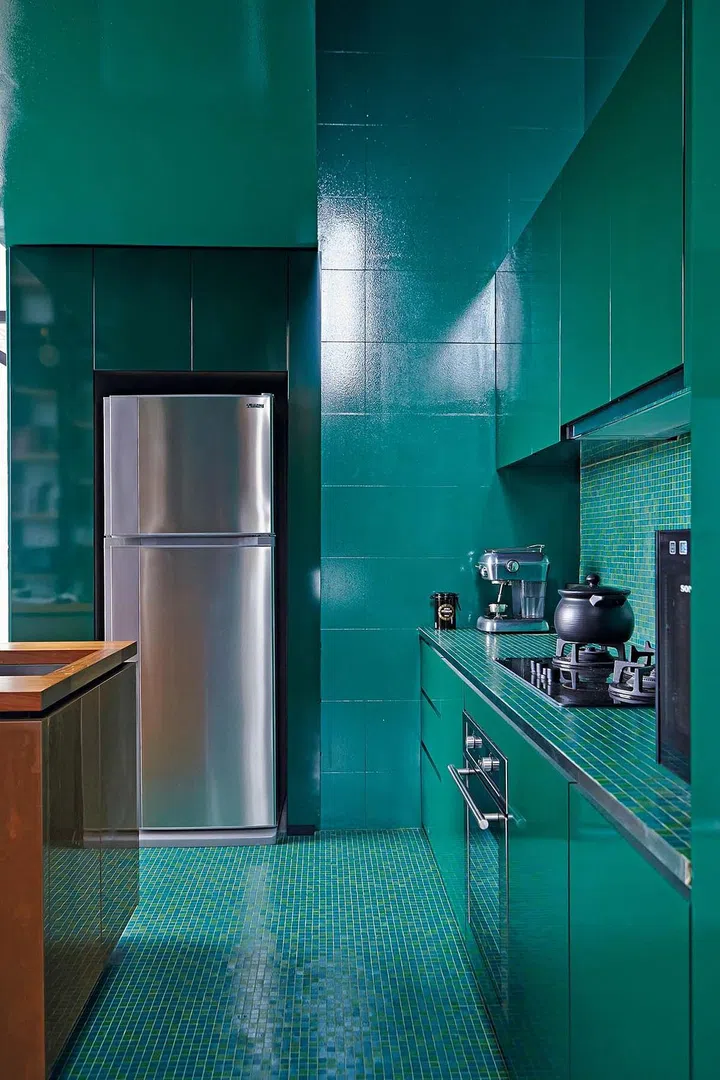
For the homeowner who wants more than just a floor, mosaic provides the perfect solution. The mainstay of historical architectural art, mosaic has long been used to add colour, texture, and art to floors, walls, and even roofs. Today, they’re commonly used to inject vibrancy to a space, and can be an amazing addition to any space.
Advantages of mosaic floor tiles
Mosaic tiles art
Because they can be arranged in a myriad of ways, mosaic tiles are the perfect solution for homes that need a bit of colour and style. Said tiles can be worked into repeating patterns, or put together to form a bigger design that can well become the centrepiece of any space.
Mosaic tiles are easy to clean
A little soap and water on a sponge is really all that’s needed to clean your mosaic installation. They’re also resistant to stains, mould, and mildew, and won’t be subjected to chemical damage.
Mosaic tiles great for bathroom
Because they’re so small, mosaic tiles are easily adaptable, and this makes them the perfect fit for smaller spaces like the bathroom, where they will also add a spark of interest and plenty of colour if so desired.
Disadvantages of mosaic floor tiles
Mosaic tiles are slippery
Especially true after a clean, mosaic tiles tend towards being slippery when wet. Install anti-slip mats to keep unnecessary accidents from happening if you have elderly and children living at home.
Mosaic tiles have grout lines
As with any tile, grout maintenance is important to maintain a pristine aesthetic. Give your grout a good clean with a combination of baking soda and hydrogen peroxide to get it shiny and white again.
Glass mosaic tiles tend to crack
Glass mosaic tiles are susceptible to scratches, which will accumulate over time in your floor. Additionally, they’ve also been known to crack when heavy items are dropped on the floor, so keep an eye out for chips that can be dangerous for your family.
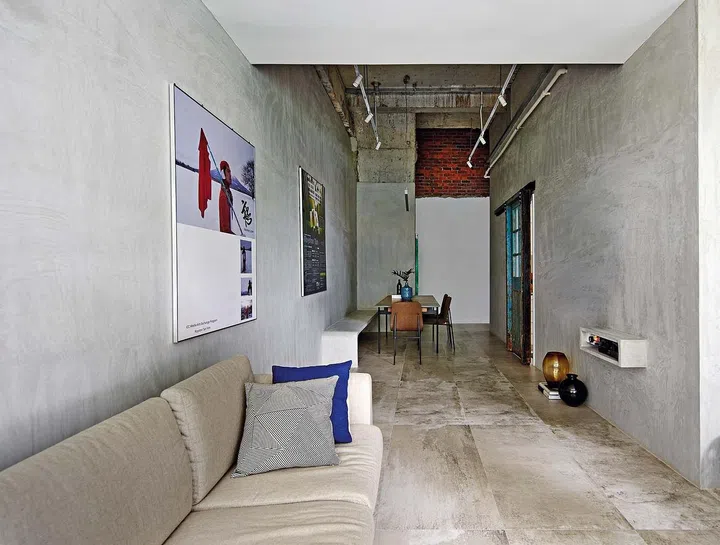
Cement Screed Flooring
The darling of the modern industrial aesthetic, concrete floors have, in recent years, gained plenty of traction. While they do indeed look amazing in combination with other materials like wood and patterned Peranakan tiles, special care has to be taken, as it is particularly susceptible to moisture damage.
Advantages of cement flooring
Concrete floors are versatile
Often used as part of the well-loved industrial aesthetic, cement screed floors are also great for contemporary interiors that include high-end tufted chairs, plush sofas, and smooth velvets. Its flexibility as a material means it can easily be incorporated to any aesthetic you so desire.
Cement floors are durable
Because concrete is strong and sturdy, you’ll find pets and heels don’t dent the surface. All it needs is really just a seal and wax every 3 – 9 months, to retain a protective layer. When properly maintained, concrete floor will last you a very long time. To this end, you won’t need to worry about the woes of retiling and such.
Disadvantages of cement flooring
Cement floor susceptible to water damage
Because concrete is inherently porous, some concerns arise as to water damage and its effect on your floors. When exposed to water, damp spots might arise, so you’ll want to keep your floors properly sealed.
Concrete floors bad for children & elderly
As tough as it is to crack, concrete is a difficult surface to fall on, so you’ll want to be careful when walking so as to avoid injuries - especially so with young children and the elderly.
Cement floors susceptible to cracks
When exposed to temperature, moisture, and settling changes, your concrete floor might just crack over time.

Laminate Flooring
Popular for its attractive price point, which clocks in lower than natural hardwood, laminate floors nonetheless provide the look and feel of wood and tile. Its ease of maintenance and convenient application makes it easy pick and a good substitute for those with smaller budgets.
Advantages of laminate flooring
Laminate floors are easy to install
Because most laminates come with snap-together mechanisms, it’s easy to install, and as such make for a good DIY project. At the same time, it’s also possible to replace just one laminate plank if it’s damaged; you won’t need to replace the entire set.
Laminate floors are easy to clean
Easy enough to clean; simply wipe up spills asap to avoid water seeping in, and give it a good sweep and wipe-down every once in a while with a laminate cleaner.
Laminate floors can be laid over existing flooring
With its lightweight, snap-together configuration, laminate is installed over a foam cushion underlay, so one can do it over existing flooring without first tearing any of it out.
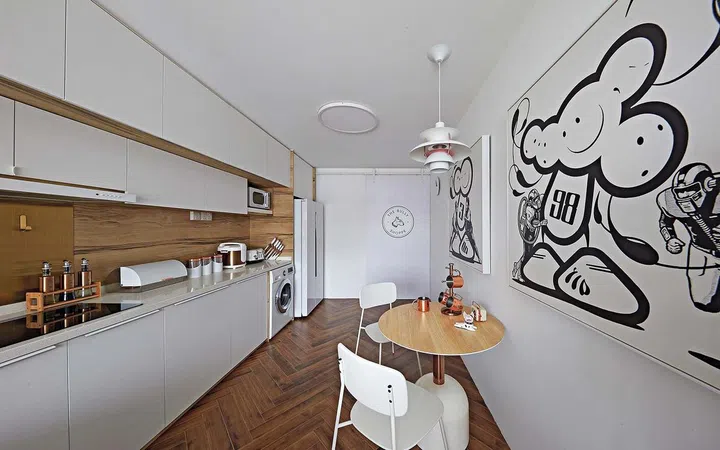
Disadvantages of laminate flooring
Laminate floors look cheap
Because you can instantly tell when a floor is laminate, its presence in your home might lower the resale value. Invest in good, high-end laminates to combat this.
Laminate floors are susceptible to water damage
No matter what anyone tells you, water damage is always an issue with laminates. For this purpose, they should not be used in the bathroom or in areas that are frequently wet. Clean up spills immediately.
Laminate floors get worn out
While scratched wood can be given a new coat of paint, laminate needs to be replaced once it is worn out.
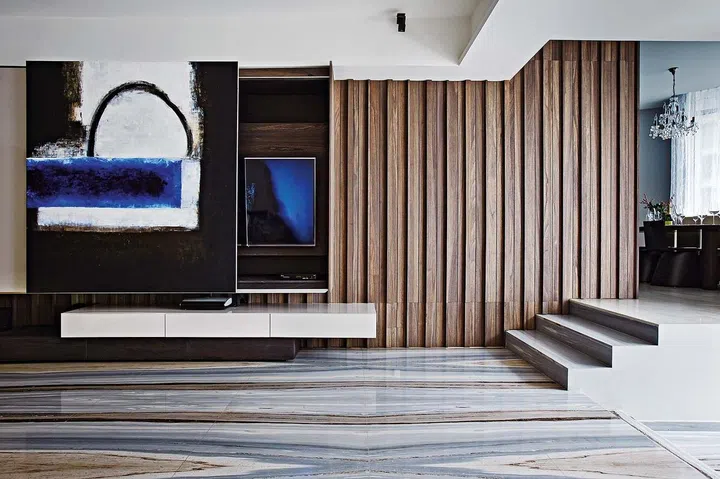
Marble Flooring
Every elegant space wears marble well, and for this reason, this natural mountain material is prized around the world. It has long been used in the building of historically opulent palaces; a material option worthy of royals and the upper echelons of society. Modern day marble is infinitely more accessible, and has yet lost none of its charm.
Advantages of Marble Flooring
Marble flooring is unique
Because marble is a natural rock, each slab comes with distinct different veins, lending to a final look that is one-of-a-kind. This is desirable, especially to those who want their homes to be special and a class above run-of-the-mill apartments.
Marble looks expensive
There’s a certain quality to marble that is perfect for imparting a level of glamour and style to any home. It’s also important to note that any home with marble is significantly improved in terms of resale value.
Marble reflects light
For spaces that are narrower at home, marble is ideal as it is slightly translucent; light penetrates the surface to give the material a bit of glow. This in turn reflects back onto the room, giving it a beautiful brilliance that draws the eye.
Disadvantages of Marble Flooring
Marble flooring is expensive
As a high quality, heavy rock, marble is expensive both to install and replace, and as such, comes with a high price point that many may be reluctant to pay.
Marble is prone to stains
Because marble is porous in nature, it is prone to staining. This is especially true with acidic spills such as lemon juice and other fruit, and need to be immediately cleaned up to avoid staining. Apply a sealer and get professionals to polish your floors to keep it shiny.
Marble is prone to scratches
Marble is prone to scratches, and as such need regular polishing to keep the scratches from showing. Because it’s also a softer rock, it can crack or dent with time, so keep your floors sealed to protect them from such damage.