
Adopting a cat? Read these 6 tips on cat-proofing your home first
What you need to know about prepping your home for a new kitty, especially if you're a first-time adopter.
By Home & Decor Team -
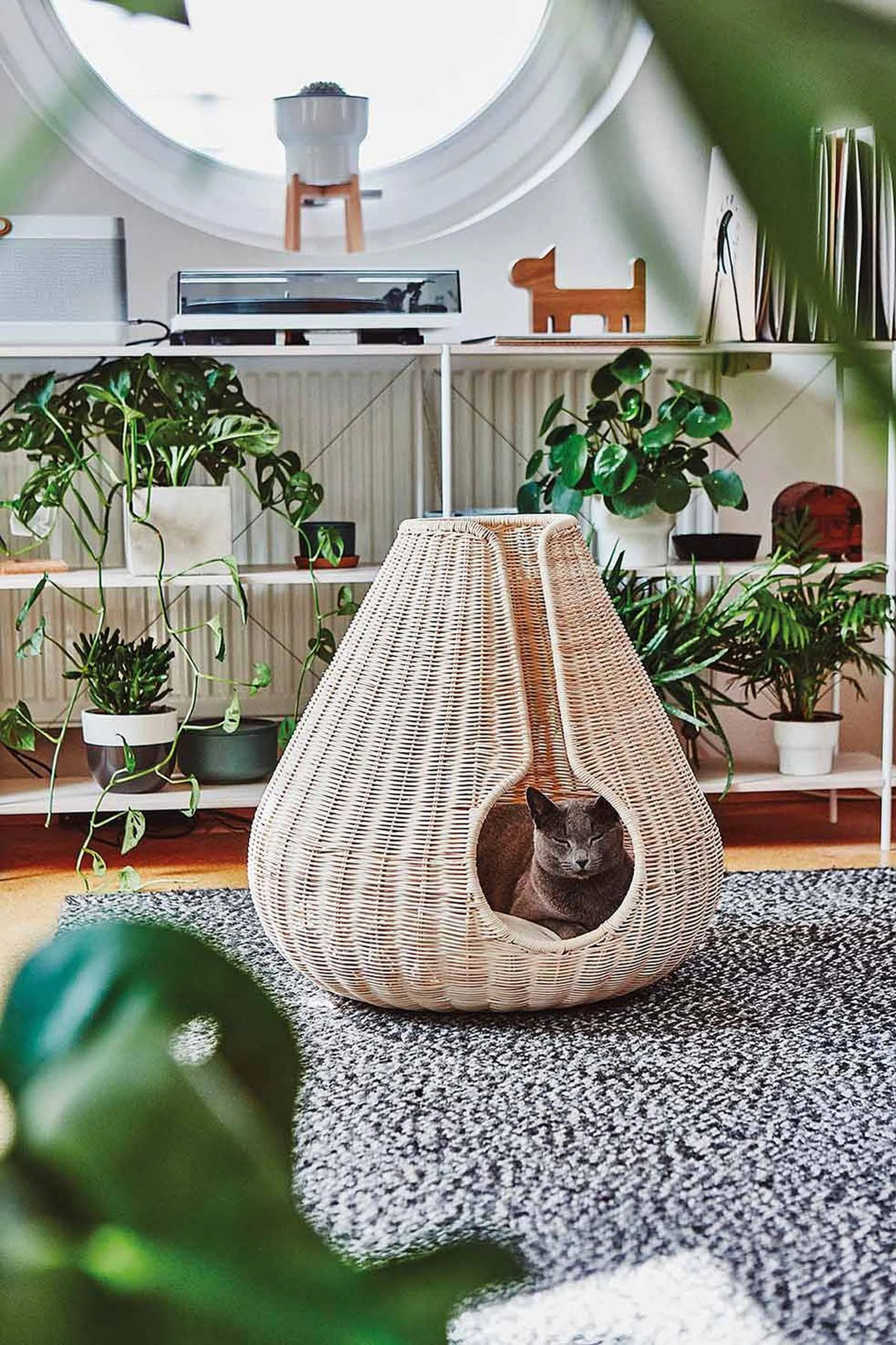
Adopting or fostering a rescue kitty is a great way to help strays and make a new friend – but make sure you and your home are prepared first. Animal welfare organisations require safety measures to be in place to ensure a good home for your new pet, and will often conduct inspections of your home prior to the adoption.
We consulted Koh Qian Wei from local animal welfare organization Keep Cats for some invaluable tips for cat-proofing your home.
1. Seal off your windows, gates, and any other exits.
Ensure all windows, balconies and gates are safely sealed, since cats are naturally inquisitive creatures. This includes installing mesh screens or invisible grilles so that your cat won’t be at risk of jumping out and injuring itself.
2. Create a safe space for your new cat to hide away.
This is especially important if it’s a rescue cat, as it will need time to get used to its new environment. It can be as simple as a cardboard box with a towel over it.
Even after your cat gets used to your home, keep this hideaway around for them – it'll be their safe space to go to whenever there's an unfamiliar guest or loud noise.
Perla Cat Cave, from $559, from Danish Design Co. Shop here.
3. Provide some form of climbing option, such as shelves or small cabinets.
This gives the cat room to explore and exercise, and helps to segregate territory space if you have multiple cats.
Alto Cat Shelf and Tree, from $466, from Danish Design Co. Shop here.
4. Give them something to scratch.
Cats love to scratch as a form of de-stressing – giving them some options in the form of corrugated cardboard, sisal rope scratching posts, or scratcher rugs will encourage them to scratch something else other than your furniture!
5. Remove all plants that are toxic for cats.
You'll be surprised at how many common house plants are actually toxic to cats – the popular monstera, for instance, is one of them. Peace lilies, aloe vera, snake plants, jade plants, and dumb canes also fall under this category – it's best to do a thorough check and keep these plants out of the house.
6. Remove loose wires and other objects.
Or anything that your new cat may chew on or get tangled up in. You may want to invest in protective insulated wraps for your wires. If your cat is very active, it’s also best to keep fragile objects high up out of reach.