
4 Modern Chinese New Year ‘An Zuo’ (Settle Your House) Tips
Remove old energy before Chinese New Year’s Eve (16 February 2026)!
By Home & Decor Team -
Share this article
The An Zuo (安座) Chinese New Year ritual, which translates literally to “settling the seat” or “stabilising the throne,” is a profound traditional practice rooted in the intersection of Chinese folk religion, Taoism.
Historically, it was a ceremony reserved for the installation of deities or ancestral tablets upon a new home altar. It was believed that without this formal invitation and “settling” process, the spiritual protectors of the household would not have a fixed point of authority to guard the family from misfortune.
In the context of the Lunar New Year, the ritual has evolved beyond its strictly religious origins. For the modern homeowner, An Zuo represents the final act of the “spring cleaning” cycle.
While 大扫除(Da Sao Chu, means ‘the great cleaning’) focuses on the expulsion of old, stagnant energy (Sha Qi), An Zuo is the intentional invitation of new, prosperous energy (Sheng Qi). It is the moment a house ceases to be a mere construction of brick and mortar and becomes a “settled” home, ready to receive the blessings of the new year.
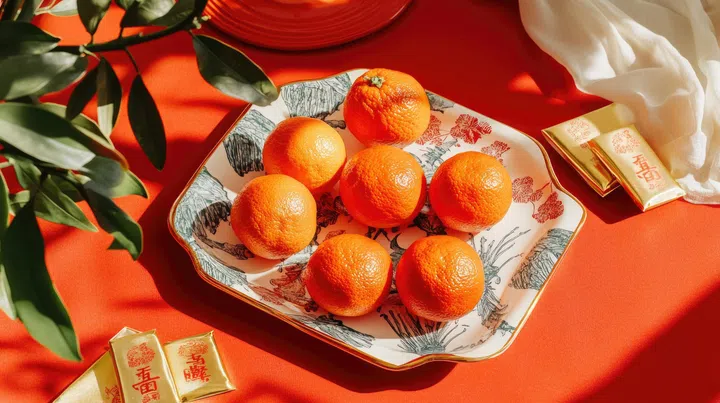
Auspicious Spring Cleaning Dates (2026)
In 2026, the Year of the Fire Horse officially begins on 17 February. Because this is a “Blind Year” (where the solar start of spring, Li Chun, occurs before the Lunar New Year), the energy is considered particularly fast-moving and bold.
To “settle” your home effectively, you should align your cleaning and An Zuo rituals with the auspicious windows provided by the traditional Tong Shu (Almanac).
The goal is to complete all major “removing” of old energy before New Year’s Eve (16 February). Here are the best dates to commence your cleaning in Singapore:
| Date | Auspicious Time | Zodiac to Avoid |
|---|---|---|
| 9 Feb (Mon) | 07:00 – 08:59 / 11:00 – 12:59 | Monkey |
| 10 Feb (Tue) | 09:00 – 10:59 / 13:00 – 14:59 | Rooster |
| 11 Feb (Wed) | 07:00 – 10:59 | Dog |
| 12 Feb (Thu) | 09:00 – 12:59 | Pig |
| 13 Feb (Fri) | 07:00 – 08:59 / 13:00 – 14:59 | Rat |
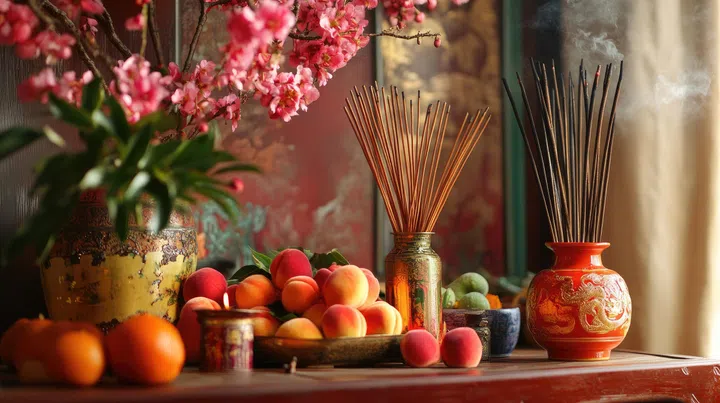
3 Best Dates for “An Zuo” 2026
The An Zuo ritual—the final act of positioning your furniture, placing festive decor, and “anchoring” the home—should ideally take place after the heavy scrubbing is done. In 2026, the following dates are highly rated for “settling”:
| An Zuo Dates | Significance |
|---|---|
| 12 February (Thursday) | A very strong day for “stabilising” energy. |
| 14 February (Saturday) | Auspicious day. Those born in the Year of the Ox should avoid leading the ritual. |
| 15 February (Sunday) | Traditional “wash away the dirt” day. Finish cleaning before sunset. |
History of “Settling” Home Traditions
The history of An Zuo is tied to the ancient Chinese belief that every space has a “heart” or a central axis. In dynastic times, this was often the central courtyard or the hall containing the family shrine. The transition into the New Year is considered a turbulent time of shifting cosmic winds.
By “settling” the home, the family is metaphorically dropping an anchor. It signifies that the clutter of the past has been cleared and the household is now in a state of stillness and readiness. People say the home is “settled” when the physical environment is perfectly ordered, allowing the inhabitants to enter the New Year with a clear mind and a stable spirit.
4 Modern An Zuo Tips in Singapore
An Zuo remains highly prevalent in Singapore, though its execution has adapted to the constraints of high-rise apartment living. While traditionalists may still consult a Feng Shui master to pick an auspicious hour (Ji Shi), many younger Singaporeans practice a secularised version that focuses on the symbolic “anchoring” of the living room—the heart of the modern HDB or condo.
If you wish to perform a “settling” of your home in Singapore, the following steps are traditionally observed:
1. The Final Purification
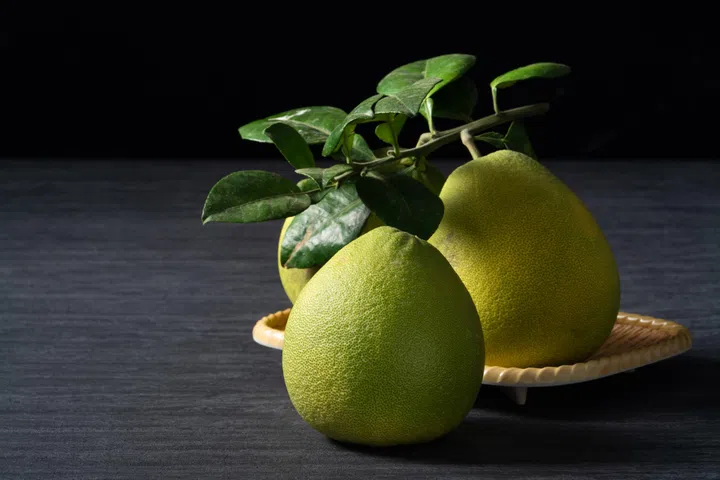
Once the heavy cleaning is complete, the home is purified one last time. In Singapore, this often involves wiping down main surfaces with water infused with pomelo leaves or seven-colored flowers, which are readily available at wet markets during the festive season. This is believed to “seal” the cleanliness and ward off negativity.
2. Fill Up the Rice Urn
A central part of An Zuo is ensuring the “wealth” of the home is anchored. Homeowners will fill their rice urn to the brim, often placing a red packet (ang bao) or a piece of charcoal wrapped in red paper at the bottom. This represents a “settled” foundation of abundance that will not be depleted in the coming year.
3. Stabilise the “Seat” of the Living Room
The main sofa or the dining table is considered the modern “throne.” During An Zuo, these pieces are positioned firmly. This is also the time when the final, most important decorations are placed—such as the Chun Lian (spring couplets) or the “Fu” character. Once these are fixed, the “seat” is said to be established.
4. Switch on All Lights at Home
To complete the ritual, every light in the apartment is typically switched on. This “Yang” energy illuminates every corner, ensuring no dark, unsettled spots remain. In Singaporean apartments, this is often done on the eve of the New Year to signify that the home is fully awake and “settled” to welcome the New Year.
By performing these steps, you are not just decorating; you are participating in a centuries-old psychological and spiritual transition. It creates a boundary between the chaos of the previous year and the potential of the next.