
Share this article
Household chores are mind-numbing enough without having to worry about whether we are unwittingly wasting money in the process. In a bid to get our chores done as painlessly as possible, we follow directions provided by the manufacturers of the household products we choose to use.
But because businesses care more about making money than anything else (shocking, we know), manufacturers design their products to encourage overuse. As a result, consumers make more frequent purchases or waste utilities, while businesses enjoy increased sales.
Household overuse – or more accurately, wastage – not only causes you to spend more money, it also contributes to environmental damage. Many cleaning detergents and personal hygiene products have been shown to pollute our waterways and give rise to antibiotic-resistant bacteria.
To save money and the environment, watch out for these bad habits as you get your household chores done.
1. Don’t Use Too Much Laundry Detergent
If your washing machine is less than 10 years old, chances are it’s a high-efficiency (HE) model. HE washing machines are designed to launder clothes using far less water and energy. That’s good news for both your wallet and the environment.
It’s just too bad that you’re using too much laundry detergent.
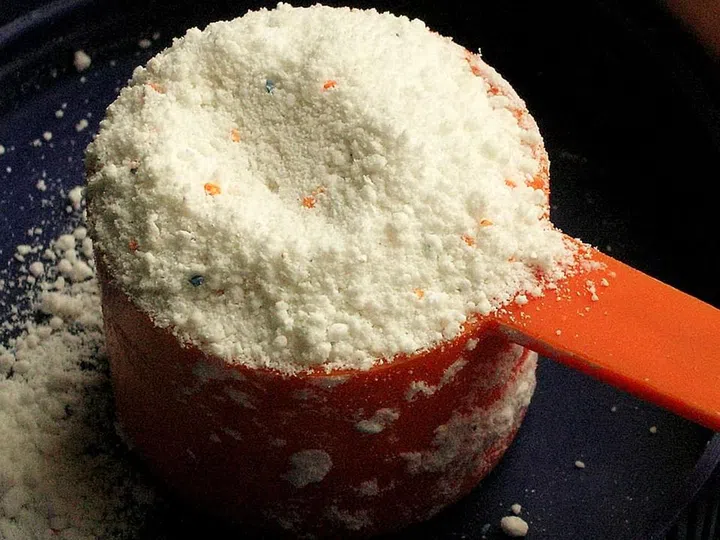
Instructions tell us to measure the correct amount of detergent by pouring to the fill line in the provided cap. However, some brands have caps with design flaws that make it hard to see where the fill line is, causing consumers to overpour.
Even diligently following the fill line is problematic, because the fill line measures twice the amount of detergent you actually need.
One more way that overdosing causes you money: Excess detergent builds up in your washing machine, causing bacteria and mould to grow, which imparts a musty odour to your machine and your clothes. If you’ve ever had to throw out clothes or your washing machine because of this problem, too much detergent is the culprit.
The next time you wash your clothes, cut down your detergent by half. Watch out for soap suds in your washing machine; that’s a sure sign that you’re using too much detergent.
If you’re concerned about your clothes not getting clean enough with the reduced detergent, add bleach or white vinegar to your wash.
Reducing your detergent dosage not only shaves down your household budget, it will also ensure a longer lifespan for your clothes and washing machine.
2. Reduce Your Clothes Dryer Running Time
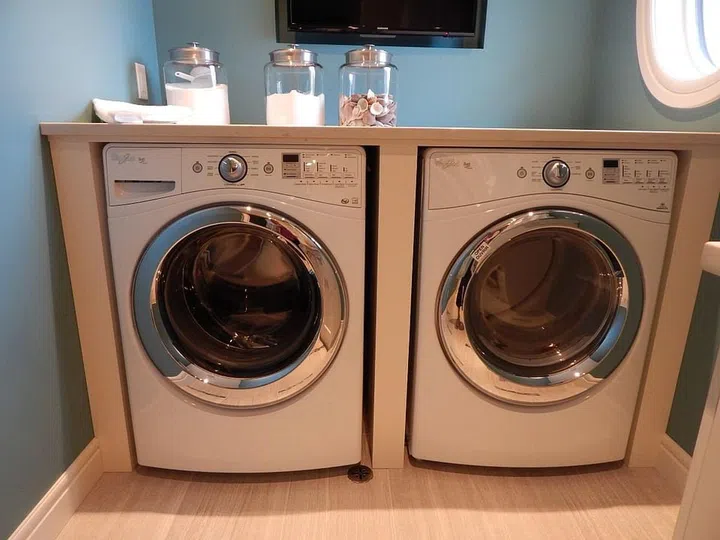
Clothes dryers are a convenient way to ensure clean, fresh laundry for busy households, so it’s not surprising that they are becoming more popular with Singaporeans.
However, energy efficiency in clothes dryers has yet to catch up to other modern appliances, so be aware that operating a clothes dryer could increase your electricity bill significantly. Conversely, running the dryer for shorter periods will result in less energy used.
We know that dryers work by tumbling your damp clothes as heated air circulates. Now, as our primary school science lessons taught us, the larger the surface area, the greater the rate of evaporation.
Therefore, if we could expose more of our clothes to heated air, the faster our clothes would dry. And the faster our clothes dry, the less electricity we use.
You can dry your clothes faster by throwing in a clean, dry towel along with your damp clothes, then running the dryer as per normal.
However, you’ll have to remove the clean towel 15 to 20 minutes in, before it gets damp enough to become yet another item to be dried.
If you prefer not to keep an eye on the clock, you can use dryer balls, which are basically wool balls that you load inside the dryer together with your damp clothes.
As the drum rotates, the wool balls will lift and separate your clothes, which reduces not only drying time but also the wrinkles in your clothes. Wool balls also claim to reduce static and soften your clothes. And best of all, you can make your own.
Finally, if you have multiple loads to dry, get the next one started as soon as the first one finishes to take advantage of the residual heat.
3. Use Lesser Dishwashing Liquid
We can only blame our love of bubbles for this next one.
Hands up those of you who judge the efficiency of your detergent by the amount of suds you see. Yep, that’s everybody.
The actual cleaning power of detergents, such as dishwashing liquid, has nothing to do with how much foam or suds is produced during use. But because we have built up such a strong association between bubbles and cleanliness (again, because of marketing), manufacturers started thickening their liquid detergents to capture consumer interest.
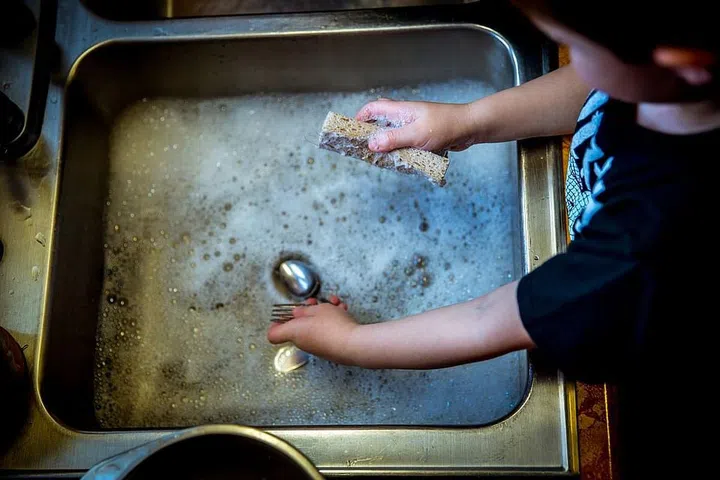
When we squeeze or pump dishwashing liquid onto the sponge, the thickness of the liquid causes us to use too much force, which in turn causes too much soap to be dispensed.
We merrily get on with washing the dishes, delighted by the suds flying around. Never mind how much soap is left over in the sponge, look at how clean the dishes are! *cue squeeky sound*
Once more, being aware of how much soap you’re dispensing will help you reduce wastage and control your cost.
But it can be annoying trying to control the amount of liquid detergent, we know. And, sometimes you just need to put your hands on something and squeeze, and we’re not here to deny you that right.
May we suggest instead that you dilute your liquid detergent with water (try a 50:50 ratio, and adjust as you go along) and putting the resulting solution in a spray bottle.
Then when it comes time to tackle the dirty dishes, using the spray bottle will let you squeeze away to your heart’s’ content, clean your dishes and save money at the same time.
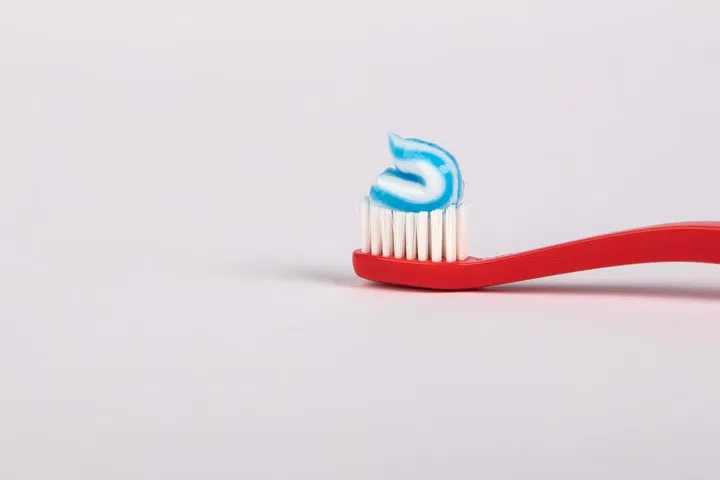
4. Use Lesser Toothpaste
When you brush your teeth tonight, take a look at how much toothpaste you squeeze on your toothbrush. If you’re like most people, you likely cover the entire brush head with toothpaste.
We do this out of habit, but not for any health reasons. Rather, this is a habit instilled over countless exposures to toothpaste commercials, which show us a full toothbrush every time.
Loading up your toothbrush doesn’t actually do anything – except washing your money down the drain. Also, using too much toothpaste is a concern for young children, who tend to swallow toothpaste.
In the long run, using too much toothpaste can result in dental problems such as enamel erosion and teeth sensitivity. How ironic then, that there are now commercially available toothpastes that claim to treat oversensitivity and rebuild enamel!
Basically, we all need to unlearn the habit of filling up the entire brush head. Instead, use a gentler squeeze to deposit less toothpaste.
You should be aiming for a pea-sized portion, but even reducing your dosage by half will make your tube of toothpaste last longer.
Part of this article was first published on SingSaver.com.sg.