
Share this article
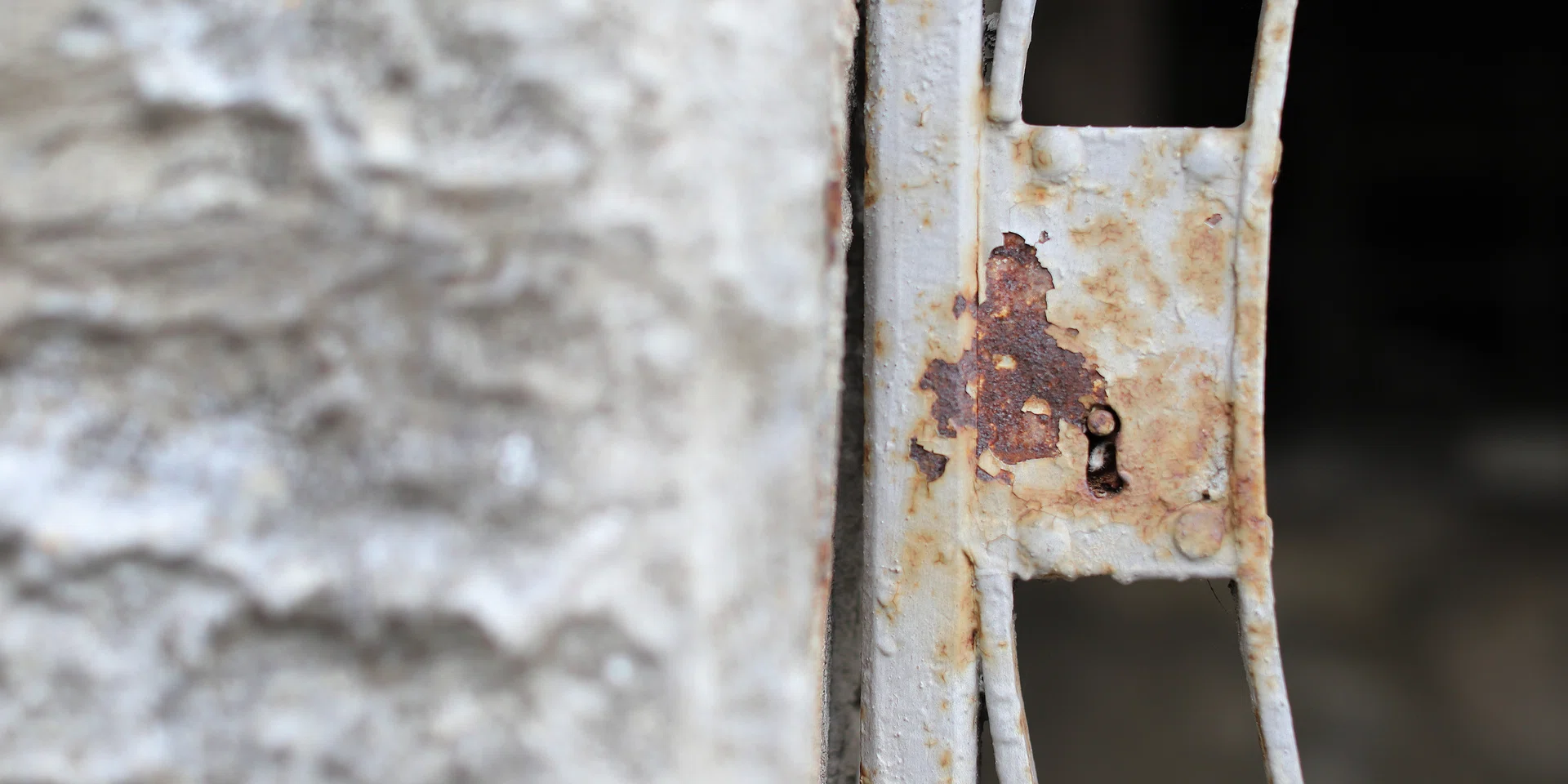
Rust happens to the best of metal tools, cookware, and household fixtures. Before reaching for harsh, fume-heavy commercial chemicals, look in your pantry. Common household ingredients contain natural acids - like acetic, citric, phosphoric, and oxalic acids - that break down iron oxide without specialized equipment.
Here are four simple, non-toxic ways to dissolve rust using items you likely already have at home.
| Natural Ways to Remove Rust | Key Active | Exposure Time | For... |
|---|---|---|---|
| White Vinegar | Acetic Acid | 12–24 Hours | Hand tools, heavy hardware, bolts |
| Salt & Lemon, Lime | Citric Acid + Abrasive | 12–24 Hours | Kitchenware, knives, flat metal |
| Cola Soda | Phosphoric Acid | 12–24 Hours | Chrome trim, bike chains, small parts |
| Potato & Soap | Oxalic Acid | Immediate | Baking sheets, cutlery, cast iron |

Cola Soda
Most cola sodas contain small amounts of phosphoric acid, the same active ingredient found in many industrial rust converters. Phosphoric acid transforms iron oxide into ferric phosphate, making the rust easy to scrape off.
Cola or soda is best for removing rust from chrome surfaces, rusted bike chains, corroded battery terminals, and small hardware.
For small items, submerge them in a cup or bowl of fresh cola soda for 24 hours. For larger surfaces or chrome bumpers, soak an old microfiber cloth or aluminum foil ball in cola and scrub the rusted spots directly. Rinse with clean water afterward to remove sticky sugar residue.
Deep Soak: White Vinegar
White vinegar is one of the most effective natural rust removers available. Its acetic acid reacts directly with iron oxide, converting it into a soluble salt that easily wipes away.
White vinegar is best for small metal objects, rusty tools, nuts, bolts, and cast-iron pieces.
To remove rust with white vinegar, submerge the rusty object fully in a container filled with plain white vinegar. Let it sit for 12 to 24 hours, depending on how heavy the corrosion is. Once removed, scrub the surface with an old toothbrush or steel wool, then rinse thoroughly with water and dry immediately to prevent flash rust.
Scrub: Salt and Lemon or Lime
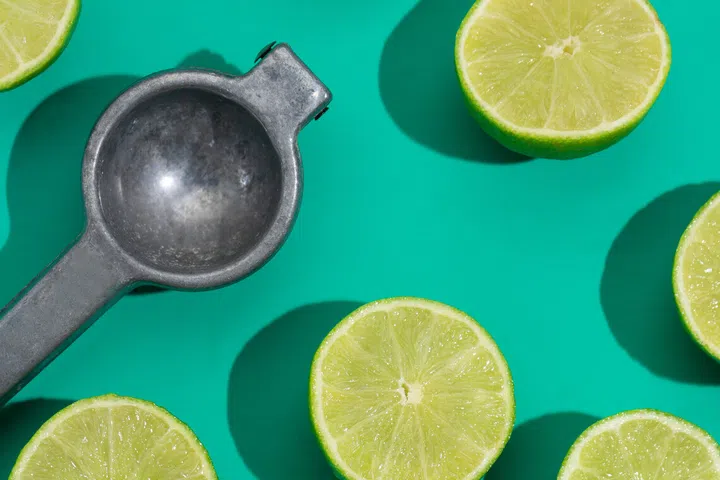
Citric acid acts as a natural chelating agent, while coarse salt serves a dual purpose: it absorbs moisture to keep the acid concentrated and acts as a gentle, non-scratch abrasive.
A salt and lemon scrub works best for kitchen knives, scissors, cookware, and areas with light to moderate surface rust.
To remove rust with lemon or lime, sprinkle a generous layer of coarse salt directly over the rusted area. Squeeze fresh lemon or lime juice over the salt until it forms a thick paste. Let the mixture sit for 2 to 3 hours. Use the leftover citrus peel as a scouring pad to scrub the rust away before washing and drying the surface.
Raw Potato
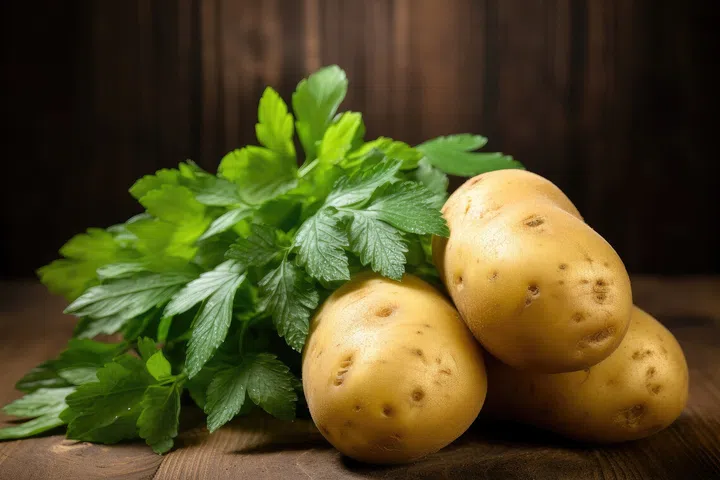
Potatoes contain oxalic acid, a compound frequently used in commercial cleaning powders to dissolve rust and metal stains. Combined with a dab of dish soap, a cut potato acts as a self-lubricating, non-scratching sanding block.
Potatoes are best for removing rust from delicate kitchen cutlery, baking sheets, cast iron pans, and light surface spots.
To remove rust with potatoes, slice a raw potato in half crosswise. Dip the cut end into dish soap or baking soda to enhance friction. Rub the cut potato firmly over the rusted area. As the potato slice wears down, trim off the top layer to expose fresh oxalic acid and continue scrubbing until clean.