
Share this article
Peeling off a price tag or label only to leave behind a gummy, dust-attracting sticky residue is a common annoyance. Luckily, breaking down stubborn glues does not require harsh scraping that damages underlying finishes.
From specialised chemical treatments to everyday household liquids, here is how to eliminate adhesive buildup using six effective methods.
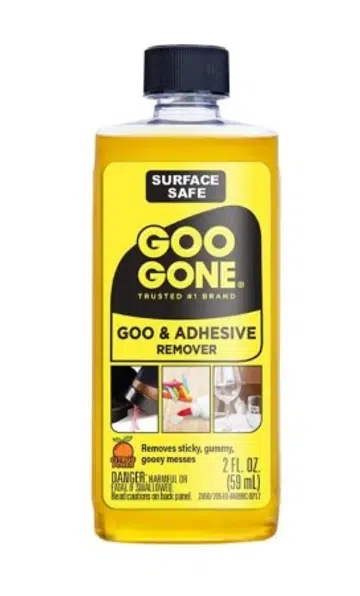
Goo Gone Adhesive Remover, $14.08
Goo Gone Adhesive Remover serves as an industry-standard benchmark for stubborn glue removal. Formulated specifically to break down citrus oils and petroleum-based solvents, this liquid softens sticky film without eroding delicate surfaces like glass, painted wood, or plastic.
Applying a small amount directly to the spot, letting it sit for two to three minutes, and wiping it away with a microfiber cloth usually dissolves the film entirely.
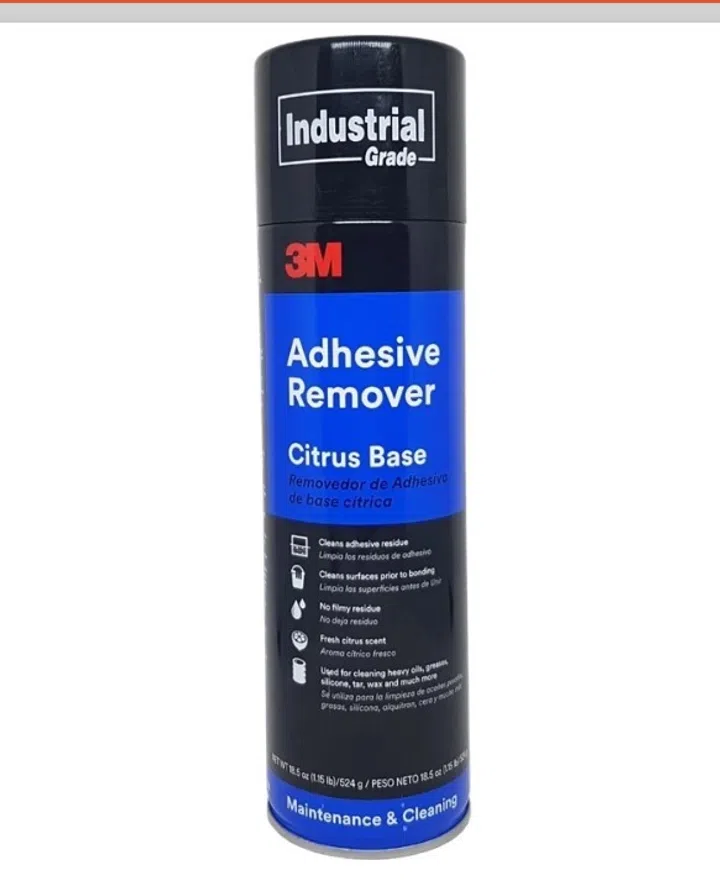
3M Adhesive Remover 6041 Citrus Base, $36.90
3M Adhesive Remover 6041 Citrus Base provides a heavy-duty industrial option packaged in a convenient aerosol format. Leveraging the natural solvent properties of citrus oils, this cleaner penetrates thick tape glue, dried decals, and commercial labels.
Spraying the foam directly onto the affected area gives the citrus compounds time to penetrate the bond, allowing the adhesive to be effortlessly wiped off metal, glass, and most hard surfaces.
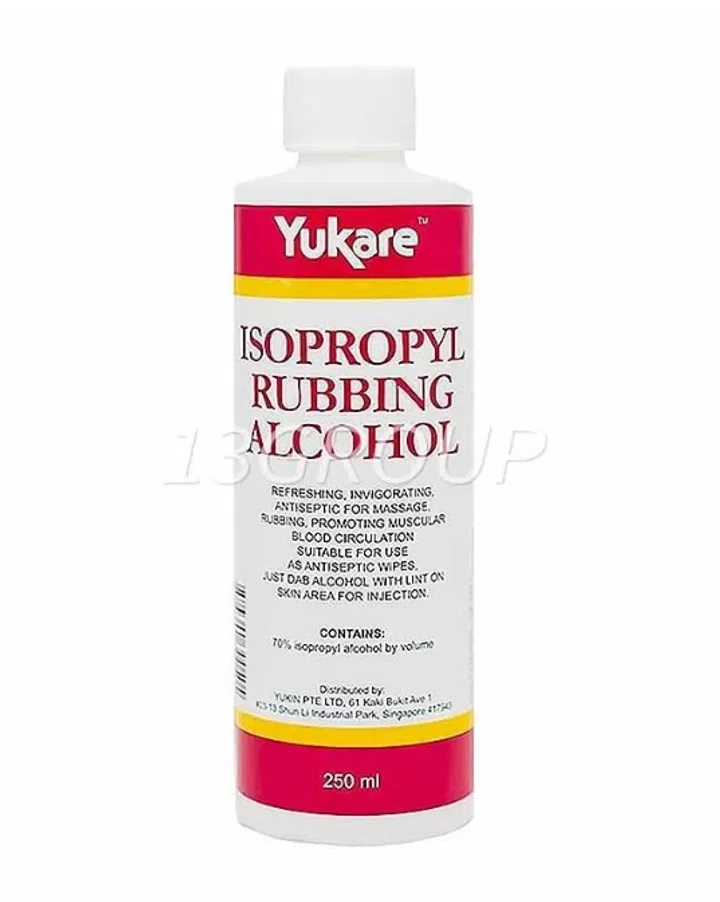
Yukare Rubbing Alcohol, $8
Rubbing Alcohol offers a fast-evaporating household fix that works remarkably well on non-porous materials like glass, tile, and ceramic. Isopropyl alcohol dissolves sticky resins quickly without leaving an oily residue behind.
Soaking a cotton ball or paper towel in high-concentration isopropyl alcohol, pressing it against the sticky spot for thirty seconds, and gently buffing it away dissolves the tackiness in moments.
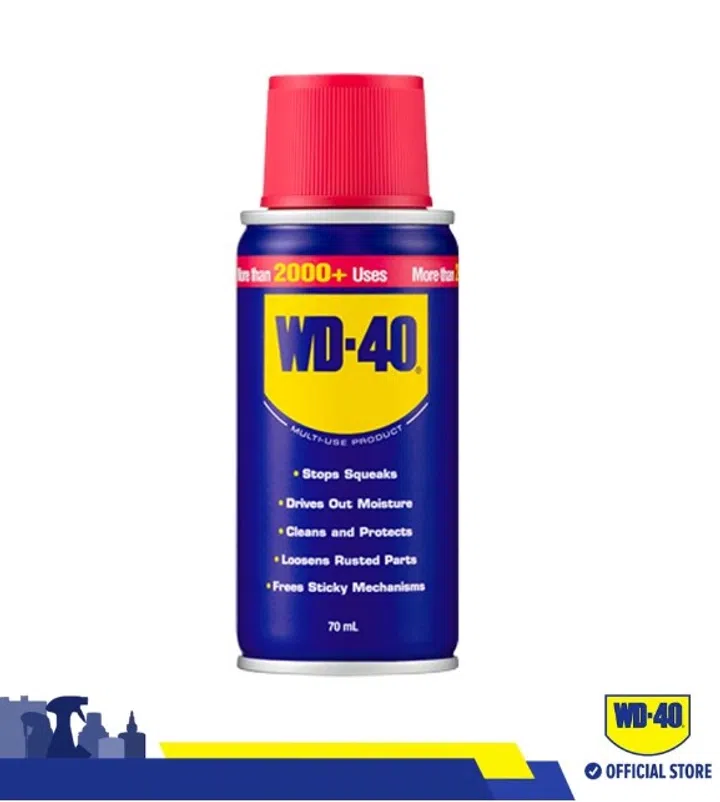
WD-40 Multi-Use, $8.50
WD-40 Multi-Use acts as an effective lubricant and penetrating solvent that sneaks beneath sticky layers. Its oil-based formulation loosens the chemical bonds of adhesives, making them pliable enough to slide off smooth surfaces.
A light squirt of WD-40 onto the residue, followed by a brief soak and a scrub with an old rag, easily clears away tough price tag glue, though the surface will require a quick wash with dish soap afterward to remove the oil.
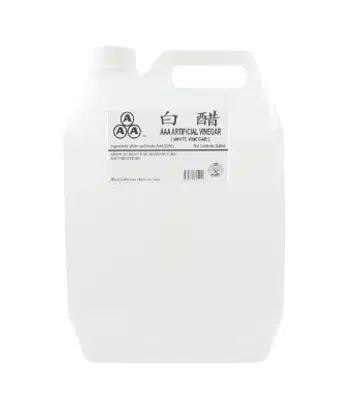
AAA Artificial Vinegar, $4.55
Artificial Vinegar, made from diluted acetic acid, acts as a gentle household solvent ideal for light residue on delicate surfaces. The mild acid weakens sticky adhesives without threatening sensitive finishes or synthetic materials.
Drenching a rag in artificial vinegar and laying it over the sticky patch for a few minutes softens the glue, allowing it to be rubbed off cleanly with a damp sponge.
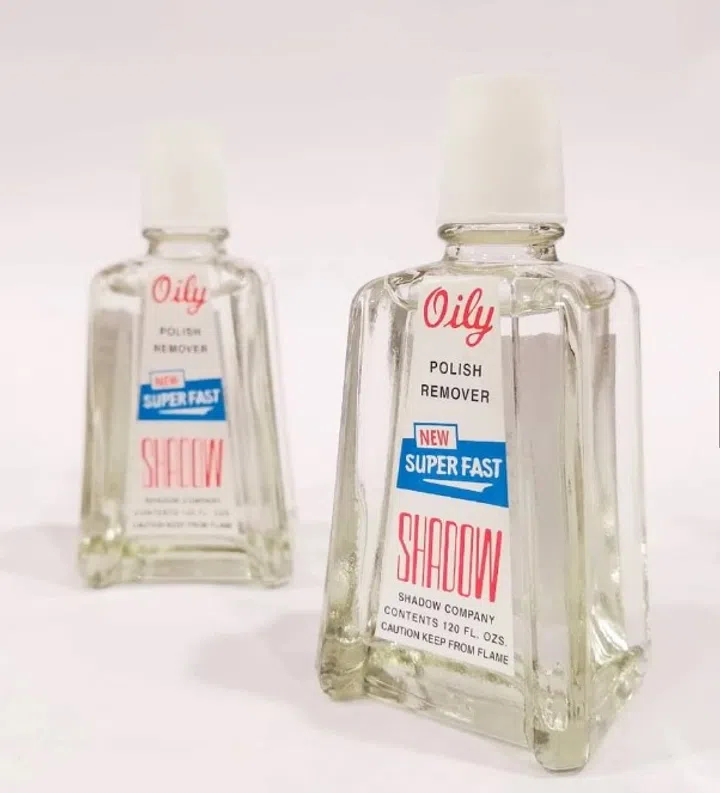
Shadow Oily Nail Polish Remover, $3.99
Nail Polish Remover, particularly variants containing acetone, provides extreme dissolving power for the most stubborn adhesives.
Acetone chemically breaks down synthetic glues almost instantly, making it a powerful choice for glass, metal, and unpainted ceramic. Because acetone can melt certain plastics or strip painted wood, it should be applied sparingly with a cotton swab strictly to safe, non-reactive materials to melt away leftover glue.
Nail Polish Remover, particularly variants containing acetone, provides extreme dissolving power for the most stubborn adhesives. Acetone chemically breaks down synthetic glues almost instantly, making it a powerful choice for glass, metal, and unpainted ceramic. Because acetone can melt certain plastics or strip painted wood, it should be applied sparingly with a cotton swab strictly to safe, non-reactive materials to melt away leftover glue.