
Share this article
Proper ventilation is a must, especially in a warm and humid country like ours.
Singapore’s energy landscape is highly sensitive to external shocks because about 95% of its electricity is generated from imported natural gas. Recent geopolitical tensions (notably the conflict in the Middle East affecting the Strait of Hormuz) have caused a spike in global natural gas and oil prices. Since our electricity tariffs are directly tied to these fuel costs, any global “hiccup” reflects on our monthly bills.
In a typical Singaporean household, air conditioning is the single largest energy guzzler, often accounting for 24% to 40% of the total bill. Improving natural ventilation breaks the “heat trap” that forces your aircon to work overtime.
A poorly ventilated space prevents the flow of fresh air coming in and indoor air pollutants (such as emissions from stoves, cigarettes and cleaning products) going out. This increases humidity, creating an environment where mould and mildew thrive.
Here’s what to do:
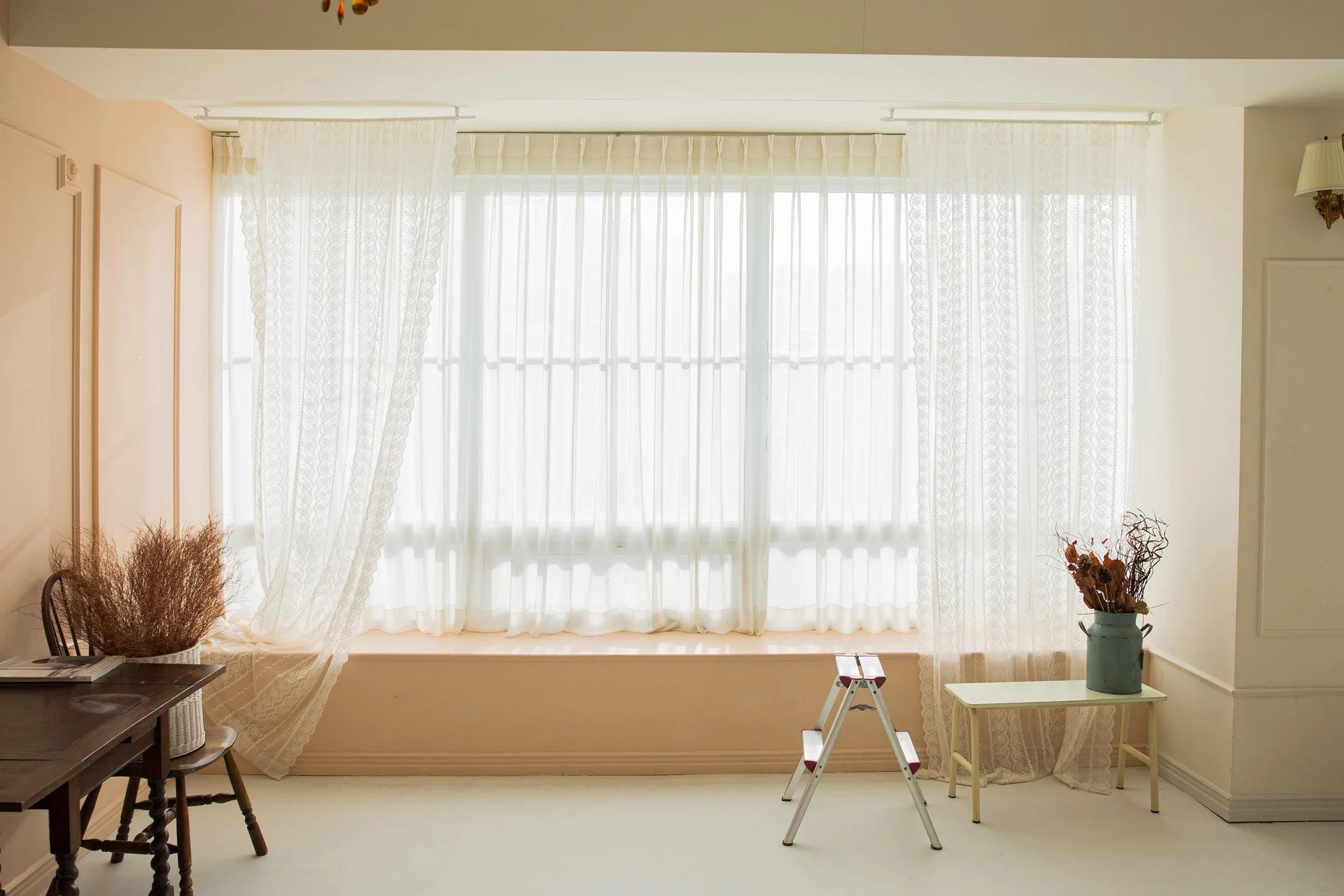
Create cross-ventilation
Cross-ventilation is important because it pushes warm air, together with the circulating dust and pollutants, out of the home and allows fresher and cooler air to enter. It also reduces the need for air-conditioning, which means saving on utility bills.
To cross-ventilate naturally, open the windows. The ideal scenario is to have openings (whether doors or windows) that are situated directly opposite.
During periods of the year that are less breezy, get the air moving using an electric fan, air cooler or ventilation fan. It helps remove excessive moisture that can cause health problems, especially when windows are often kept closed due to air-con usage. Ventilation fans are recommended in tight, humid areas, such as the kitchen and bathrooms, while ceiling fans help to circulate the air well.
Keep it clean and cool
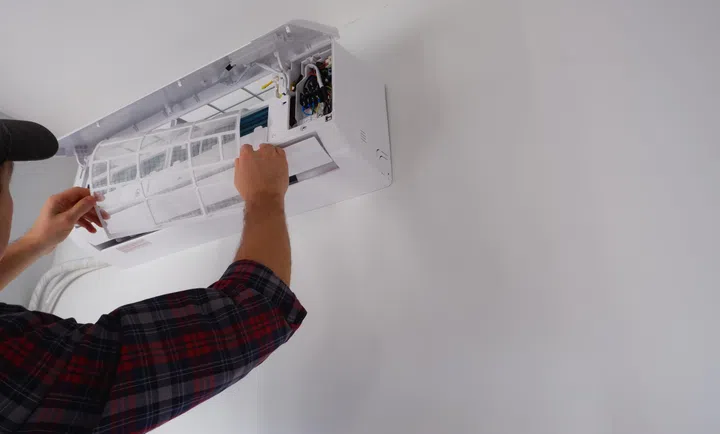
Regularly clean your air-con filters — at least once every quarter. Routine maintenance keeps your air-con working efficiently for longer and ensures clean, cool air, apart from letting you save electricity. Unplug your window-type unit, take off the front cover grill and remove the filter. Soak it in soapy water for five to 10 minutes. Rinse the filter and let it dry.
If you can, remove the unit from the casing and bring it outside to thoroughly clean the coils. Spray the coils using a hose and apply an all-purpose cleaner directly. Rinse and let dry. If outdoor cleaning isn’t possible, gently vacuum the coils with a brush vacuum attachment.
Purify air naturally
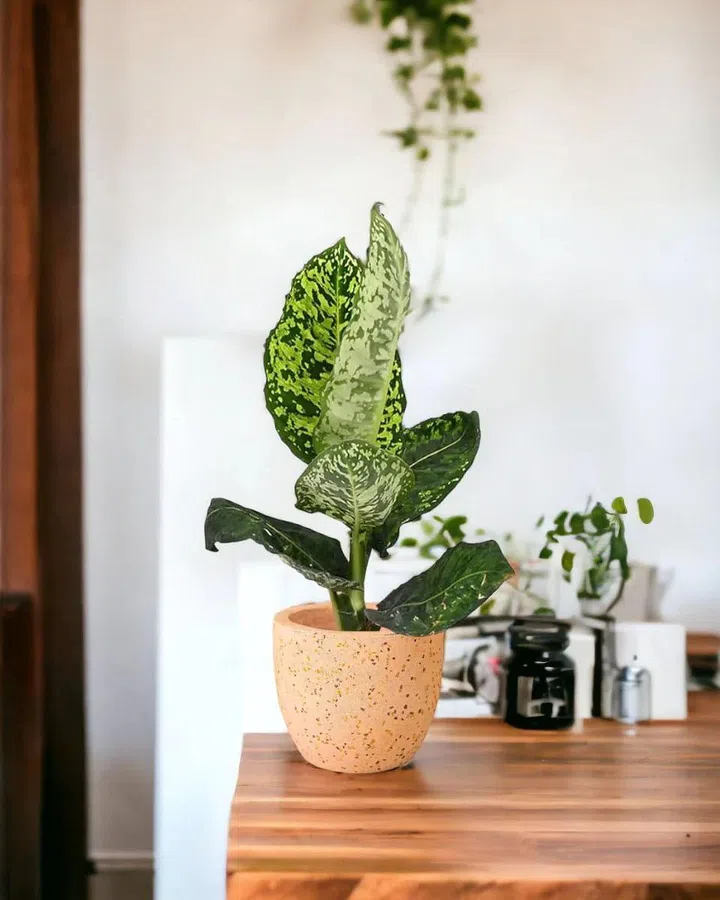
Adding houseplants is a simple and pleasant way of improving air quality at home. Plants absorb and filter chemicals from furniture, floor coverings, paints, detergents, air fresheners and household cleaners that can linger inside poorly ventilated homes. But besides cleaning the air naturally, they also decorate your space!
Fortunately, there are many plants that thrive indoor even with very little attention, so you don’t have to worry about having a green thumb. The best indoor plants include ferns, snake plant (or mother-in-law’s tongue), spider plant, philodendrons, bamboo palm and peace lily.
Reduce moisture
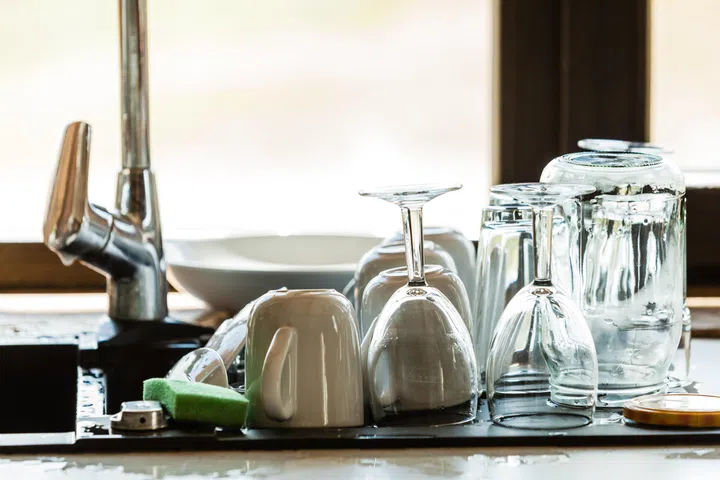
Get rid of possible moisture culprits to prevent mould and bacteria growth – let damp laundry and wet towels dry outside, wipe dishes thoroughly dry before putting in the cabinets, and immediately open up wet umbrellas to dry before putting away.