
Share this article
We vacuum the floors and wipe down our furniture to keep our home clean, but is that enough to protect the family from dust and bacteria? No. Keeping your kitchen clean and hygienic is essential as this is where you prepare food for the family!
If you're not sure how and where to start cleaning your kitchen, here are seven areas to check off. Regular maintenance helps to keep your kitchen in tip-top shape, preventing illnesses and any bacterial or viral contamination.
7 Steps to Clean Your Kitchen
Not sure where to start? If you need to clean your kitchen (or are new to cleaning your first kitchen) and are feeling overwhelmed, here is a general guideline and checklist to cleaning your kitchen:
- Clean fridge
- Clean kitchen appliances
- Empty cabinets, wipe down
- Clean cooking stove
- Kitchen countertop, backsplash
- Sweep, mop floor
- Wash kitchen towels
Ready? Click on each of the above sections and let's get the kitchen cleaning done together!
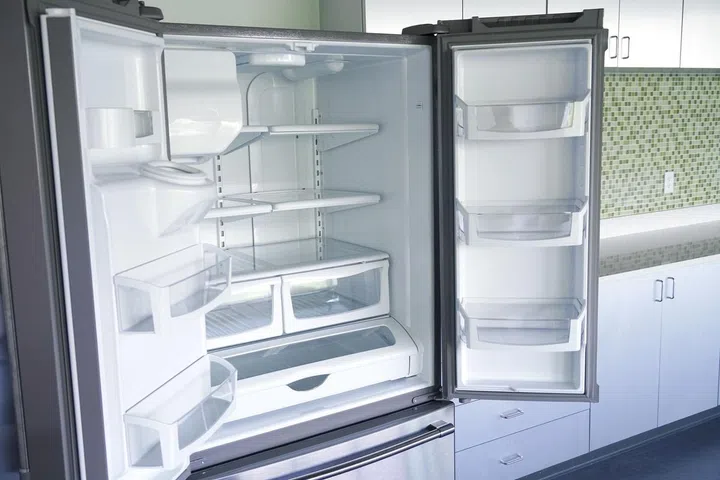
How to Clean Fridge
Your refrigerator is probably the only appliance at home that can never catch a break! Most people neglect to clean it, too. Keeping this kitchen workhouse sanitary is important, so as to ensure that food and groceries are kept fresh.
7 Steps to clean your fridge
First, clear out the old food from your refrigerator and check the expiry dates of all the condiments languishing in there.
- Prepare a multipurpose cleaner spray, dishwashing liquid, a soft sponge, a washcloth, paper towels, and trash bags.
- Clear out the fridge and get it ready for a serious scrub down. Take everything out, sort the contents into 3 categories: for washing, for fridge, and for trash.
- Wipe up drips, leaks and the bottom of jars, bottles with a damp cloth. Make sure that whatever goes back into the fridge is clean, so you don’t run the risk of reintroducing odours and mess.
- Remove all shelves and drawers. Spray multi-purpose cleaner, letting it soak into difficult stains. Wipe everything with warm soapy water and a sponge, and dry.
- Wipe hard-to-reach areas and crevices with a paper towel. Make sure to clean the fridge doors, too!
- Put shelves and drawers back. To prevent mould growth, make sure the removable shelving and drawers are totally dry before inserting them back into the fridge.
- Leave an open jar of baking soda, a dish of fresh ground coffee, or activated charcoal in fridge to prevent fridge smell or odour.

Mouldy fridge rubber seal
One day, I happened to look and was horrified to find black mould lurking within the folds of the seal. I checked the top of the door and it was black with mould too.
For the fridge seal, I used two parts of baking soda to one part of coarse salt, added about a tablespoon of white vinegar and then mixed everything into a paste. This paste is effective and harmless, unlike those creamy bleach cleansers, which will eat into the rubber seal over time.
Then I used an old toothbrush to apply this paste along the seal, scrubbing well into the folds. You have to pull the folds open to get into them. Then wipe them well with a damp cloth.
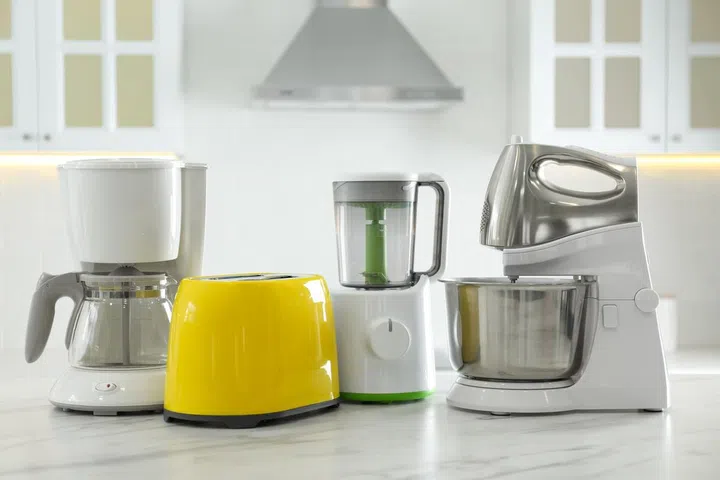
Clean Kitchen Appliances
Keeping your kitchen appliances clean is important! Here's a quick glance at how you shoudl clean your kitchen appliances:
- Microwave Oven: Clean with vinegar and steam
- Rice Cooker: Clean with sponge and cloth
- Coffee Machine: Brew water and vinegar
Don’t forget to clean out the appliances you often use, such as the microwave, oven, air fryer, and coffee maker. If there are parts you can dismantle in the air fryer, for example, remove those and give them a scrub with hot soapy water.
For items you can’t dismantle, such as the interior of your microwave, wipe down the interior with a damp rag. Before that, loosen up any dirt by microwaving a bowl of water. The steam will make it easier to remove stains and grease.

Then, use a small bottle brush to get into all the crevices. You can buy a teat brush, which is used to clean baby bottle teats, for this. Or use an old toothbrush.
Do not forget to unplug each appliance before cleaning. And, yes, never use a metal skewer to get into crevices of these electrical appliances; it is safer to use just a bamboo stick.
Sticky kitchen appliances
Over time kitchen appliances get dusty and sticky. This layer can be removed with a soft damp sponge that you dip in a little baking soda for devices made of chrome or stainless steel (e.g. toasters).

Clean Kitchen Cabinets & Drawers
We tend to accumulate bits and bobs in our kitchen drawers and cabinets, so now is a good time to go through and sort them. Throw away any old, stained chopping boards (these tend to be breeding grounds for bacteria especially if there are deep grooves), and invest in drawer liners and organisers to keep things within easy reach.
For disposable plastic items such as takeaway containers and cutlery, consider recycling them if you've accumulated too many.
Wipe Kitchen Cabinets
Don't forget to wipe that thick layer of dust over the top of your kitchen cabinets, too. Take small pieces of old cloth or rags cut from old clothes. Soak a few of them and use them to wipe the dust off. Throw the rags away after that.
Likewise, the kitchen's light fixtures, including under-cabinet lighting, are also exposed to oil-laden cooking fumes and dust.
Again, a good wipe with a microfibre cloth and, perhaps, a paste made with baking soda and vinegar can get rid of such gunk – but first, you have to remember to clean the area.
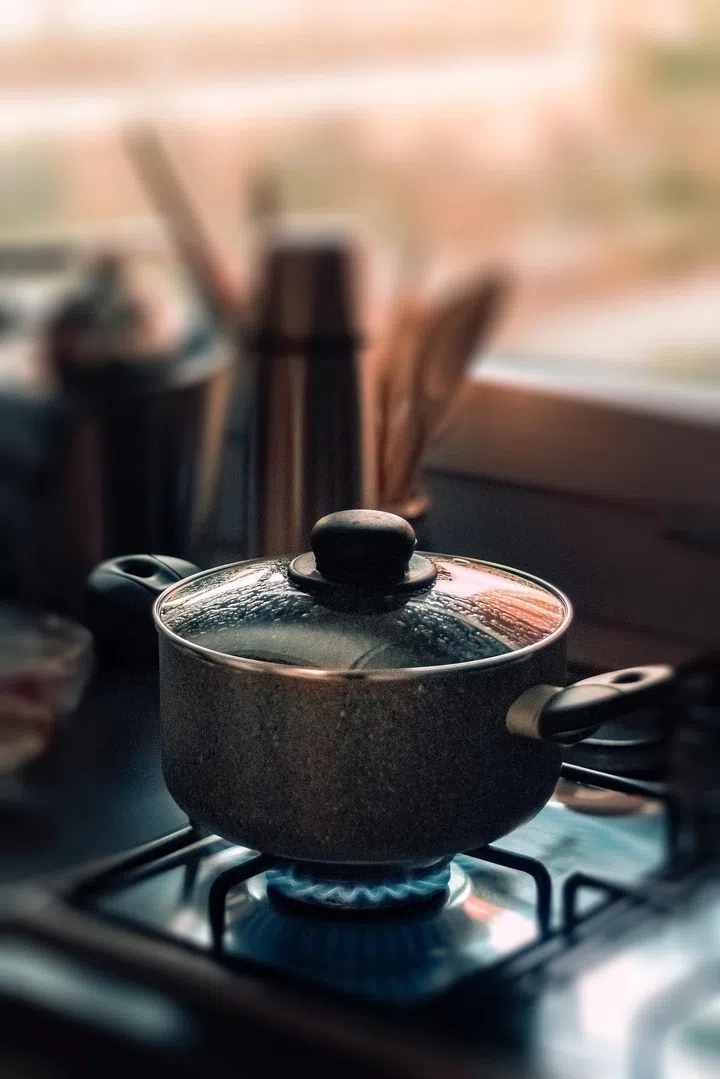
Clean Cooking Stove (or Induction Hobs)
If you have a gas stove, make sure to give it a thorough clean. It is dangerous to cook on a stovetop that has oil, rust, dirt and food debris on it as they could catch fire and cause a disaster in your kitchen.
First, switch off the gas valve and make sure all burners are cool. Then disassemble them one by one, taking out each unit’s removable parts.
Soak each part in hot soapy water for 15 minutes and gently scrub before rinsing and drying. For stubborn food crusts and stains, you may have to use steel wool to scrub them off.
After all the parts have dried, replace them on the stove, making sure to reposition them properly.
Expert Stove Cleaning Tips
Burnt, crusty spots on the stove are best removed by dissolving a dishwasher tablet in warm water, rubbing the mixture on the warm stove and leaving it for a couple of hours. Then simply wipe it off!
Same thing with the oven.
For an all-round oven cleaning, fill a baking tray with water and a few drops of washing up liquid. Set at 100 ° C, allow the heat to evaporate the grease and scrub the surfaces when finished. - Ninette Herberger from Helpling

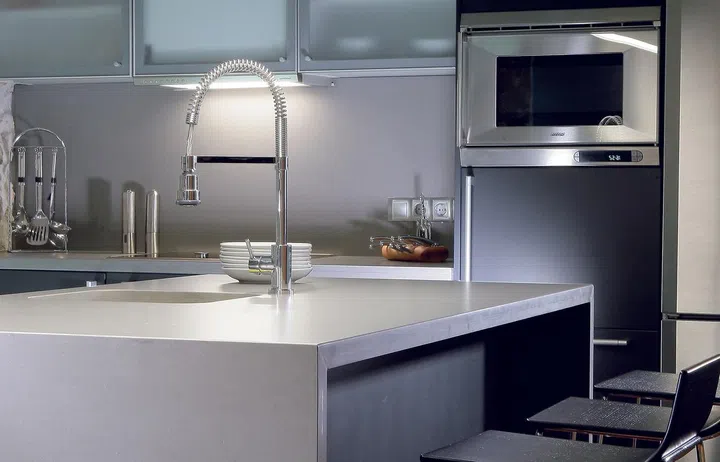
Consentino Silestone Kitchen Countertop
Consentino Silestone Kitchen Countertop
Wipe Kitchen Countertop, Backsplash
Most of us have synthetic stone countertops and sinks. For such synthetic countertops, you only need only a damp cloth and mild household detergent with non-abrasive cleaning products. While artificial stone is generally able to withstand most household chemicals, do avoid using harsh chemicals or products that contain bleach.
To be safe, however, clean red wine, coffee, or gravy spills as soon as possible to prevent any seeping, stains, or mould.
If you have some stains, try leaving a layer of Jif cream detergent overnight, then thoroughly wipe it down. For mould, try rubbing baby bottle sterilising tablets over the mouldy spots.
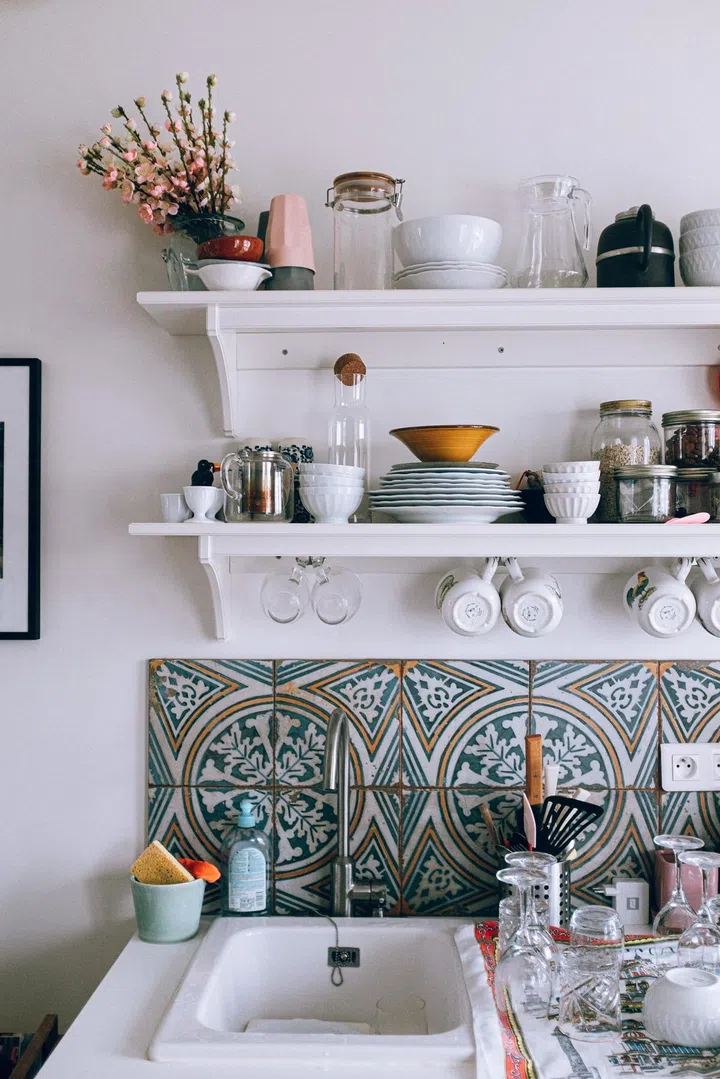
How to Clean Kitchen Counter Backsplash
Whether you do heavy cooking or not, grease and grime builds up on these surfaces over time. Here are four common kitchen backsplash materials and how you should be cleaning and maintaining them.
1. Glass
A glass backsplash is functional as it is easily wiped down. It’s pretty too, since a choice of colours is usually available. Just be sure not to hit the surface with anything hard.
2. Stainless Steel
More functional than fashionable, stainless steel is a durable material that’s easy to clean and maintain. Go for it if you’re going for a modern, industrial kitchen look.
3. Stone
When using stone as a backsplash, choose granite over marble, as it’s less porous but much hardier as compared to the softer and more vulnerable latter material. It’s also heat-resistant.
4. Tile
If you’re into mosaic or prints, you’d be more inclined to go with a tiled backsplash. However, grease tends to build up in the grouting between tiles, so you’ll have to put in a little more effort into maintainance.
All is not lost; should there be stains, scrub the surface with warm water and powdered bleach.

Clean Kitchen Floor
Finally, time to sweep and mop the floor after all that you have cleaned and done. Most of our kitchens are clad in tiles in Singapore - whether you live in HDB, condo, or landed property. And for good reason - they are easy to clean, durable to hot spills, pots and pans clanking and dropping.
However, over time, in spaces like the kitchen and bathroom, they are prone to staining and the grouting between them could get brown.
How to clean kitchen tile grouting
If you notice brown or yellowing spots on your grout, it’s probably time to give it a good scrub. Soap is usually not enough to lift household stains from between your tiles, but you can try oxygenated bleach powder. It is non-corrosive, so it will not wear away the grout.
A good example of oxygenated bleach would be Kao Bleach Colour powder. Make a paste with the bleach powder and water, and leave it to rest on the grout for a few seconds before scrubbing with a toothbrush. For tougher stains, soak the spot in lemon juice and the scrub mixture. Keep the now-clean grout white with grout sealer, easily found in hardware stores such as Home-Fix.
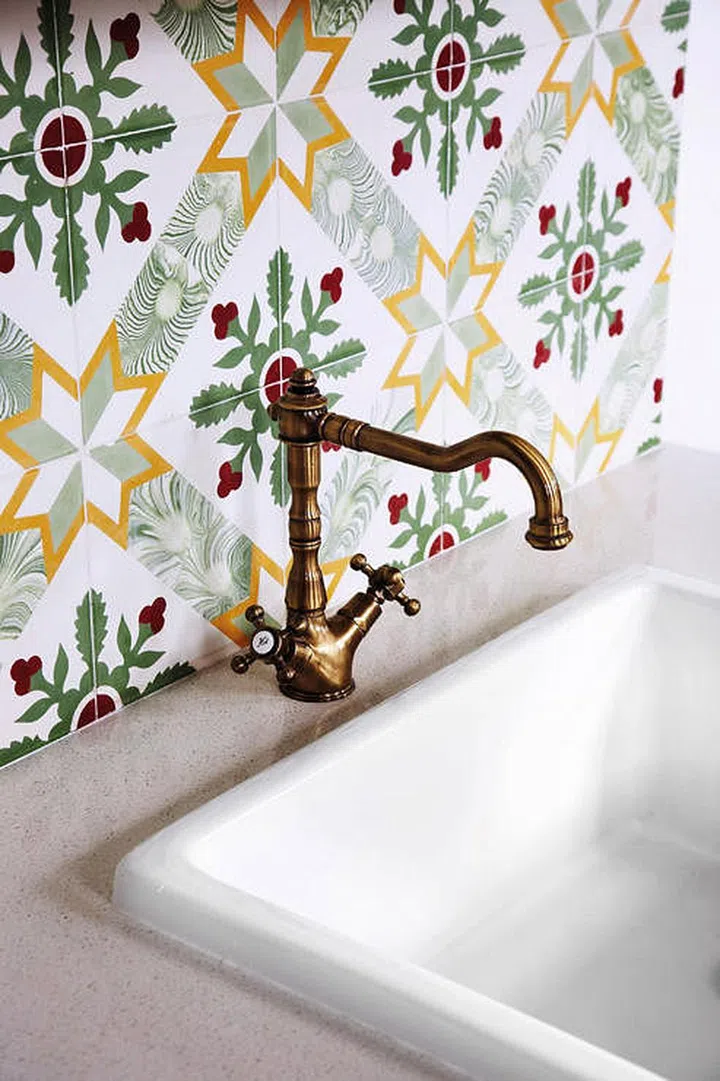
How to clean stained floor tiles
Find out if the stains are made of soap scum or hard water (also known as limescale) by scratching the surface with your nail – if it flakes off, it is probably soap scum and will be easier to remove. Use an abrasive sponge with some Cif cream to clean the tiles.
For hard water stains, wet a sponge with white vinegar and wipe the area. If the stain doesn’t lift, sprinkle baking powder over the surface and use a clothes brush dipped in white vinegar to scrub off the spots. Be sure to use clean water to wash off the vinegar and dry the area once you’re done.
Always try to keep your bathroom dry, and wipe surfaces dry after a shower to prevent stains from forming.
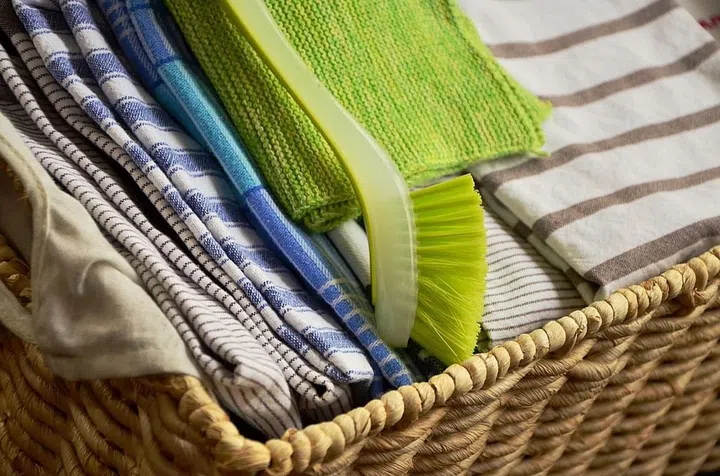
Clean Kitchen Towels
Always change dish cloths after wiping surfaces that has come into contact with raw meat or its juice. This is very important as raw meat can cause serious food-borne illnesses.
As you’ll be using these cloths for everything in the kitchen, you don’t want to spread bacteria throughout the space.
Rinse the towels with hot water before putting them in the washing machine, and wash your cloths at the hottest washing machines temperature at least twice a week to kill any lingering bacteria.
You can also leave the cloths in a pot filled with boiling water for 15 to 20 minutes (after rinsing) and then dry them.
“A damp cloth can attract tons of harmful bacteria within hours of sitting next to your sink, so make sure it’s fully dried,” says experts at Helpling.
10 Dirtiest Spots in Your Kitchen
How dirty is your kitchen? Illness-inducing bacteria like E.coli, salmonella and coliform are more common there than you think. In fact, the kitchen is a landmine for these microorganisms, even more so than the bathroom (surprisingly!).
And it’s no wonder, considering the amount of raw food and people that pass through this room of the home.
Discover the 10 top places in your kitchen that are breeding grounds for germs and bacteria, with ways to combat them:
1. Kitchen Sink
No matter how clean it looks, kitchen sinks often play host to a variety of illness-causing bacteria like E.coli and salmonella. These can cling onto the faucet, drain system and surface, and multiply when combined with food waste and water.
2. Sponges, Kitchen Towels
These are used for cleaning up spills and food remnants, as well as for washing the dishes, so this means that dirt gets transferred to them instead. Without proper sanitation, they can become overloaded with disease-causing germs. And if you don't swop them out often, you're basically spreading bacteria around the kitchen!
3. Chopping Boards
Plastic or wooden, chopping (or cutting) boards are where germs easily lurk in due to the many grooves and cavaties from all that knifework.
Always use a separate cutting board for raw meat, seafood, versus fresh produce to avoid cross-contamination. Wash the board(s) in hot water and make sure to dry it well.
4. Handles
You touch fridge handles, stove knobs and even the light switch multiple times a day, especially when cooking, so imagine all the bacteria they rack up over time! And they're often forgotten when it comes to cleaning.
5. Fridge Shelves & Drawers
Dark and moist, the meat and vegetable compartments in the fridge are perfect breeding grounds for bacteria. Add ot that accidental spills and raw juices from seafood and meat, which can contaminate other ingredients, and you've got a hotbed of microbes like salmonella, yeast and mould.
6. Reusable Grocery Bags
Those eco-friendly cloth bags you carry to the supermarket? They actually contain harmful E.coli from absorbing juices and getting contaminated from unwashed groceries. Use washable cotton bags and soak them in hot water at least once a week or after every use.
7. Kitchen Tools & Appliances
From blenders to can openers, food residue tends to accumulate in the grooves and hard-to-clean areas, if not properly washed after use.
8. Coffee Machine
You might be breweing more than coffee — microorganisms like yeast and mould can grow and multiply quickly in the water chamber if left sitting idle for too long. Not only that, mould can make your coffee taste bad.
9. Microwave Oven
The heat might kill some germs, but most of the time, your microwave isn't turned on. Germs thrive in dark, moist environments and can multiply faster when there are food particles lying around.
10. Kitchen Countertop
This shouldn't come as a surprise, considering the number of things the countertop faces every day — grocery bags, packets of takeaway, food spills, the list goes on. Studies have shown that kitchen countertops also contain fecal bacteria (aka coliform bacteria)!