
I refuse to live without aircon, but I can’t afford the bill — Here’s what actually works
By Shannon Osztonits -
Share this article
This article is part of Home & Decor’s monthly editorial topics series — crafted around real, current problems that many Singaporean homeowners face. Jam-packed with personal recounts, opinions, and expert takes, we hope that these weekly pieces will inspire you, and bring you solutions that you can take into your own home.
April’s topic: ‘Living in the Tropics’. Article 5/5.
The word “AC” is synonymous with living in Singapore. Could you imagine living without one?! From homes to shopping malls to offices, air-conditioning units are constantly running. The colder the room, the better, right? Especially considering year-round temperatures, reaching anything below 26°C in winter–if we’re lucky.
With the rising cost of living, not just in Singapore but worldwide (which is affecting global economies), many homeowners are feeling a little stressed and quickly scrambling for alternative ways to save costs. One of the most obvious things you think of as a homeowner is how to lower daily living costs, starting at home.
It’s no secret that running an AC nearly 24/7 is a significant energy drain. While it’s near impossible to turn your air-conditioning unit off permanently, there are smarter ways in which you can bring down your energy usage in your home.
This ranges from rethinking matters directly related to the way you run your AC to some other cost-effective alternatives that can help you lower the heat in your home.
Location matters
Have you ever considered the fact that the exact location and placement of your air-conditioning unit can have an overall effect on its efficiency?
Here are ways to choose the best location to install your AC for efficiency.
How big is your home?
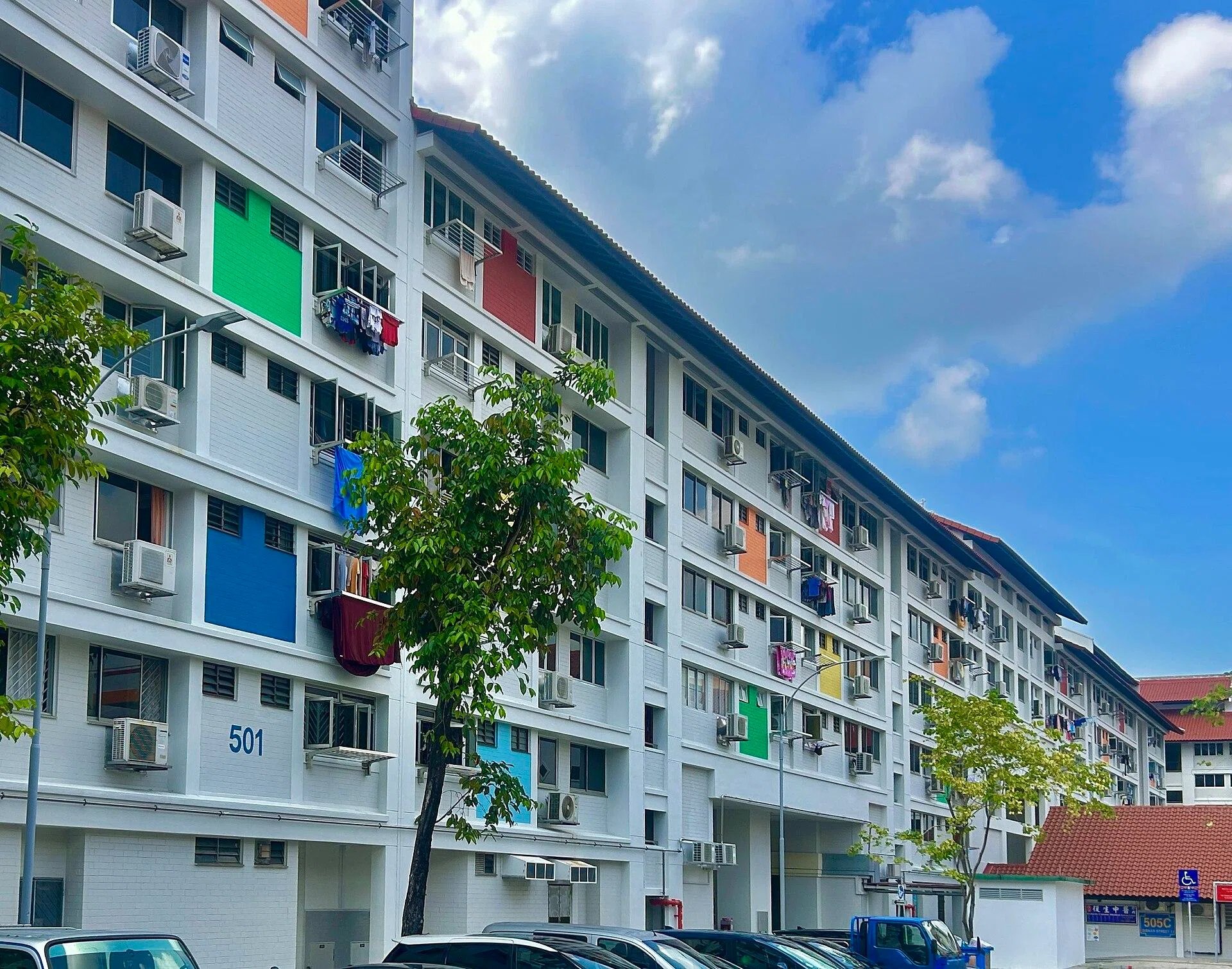
If you live in a smaller HDB apartment, think about where you spend most of your time. This should be where your AC unit is installed. For example, if your family is always at home and your living room is central, install it here. If you only come home late at night after work and hit the hay soon after, it might make sense to install your AC in your primary bedroom.
For larger homes with multiple ACs, then consider your two most-used spaces.
Room size matters
Place your aircon in a more enclosed space to accelerate cooling. The fewer walls for cold air to travel across, the more efficiently you’ll feel the effect.
Avoid high-heat appliances
Ever felt the back of a refrigerator? Whilst it’s cold inside, the exterior actually runs hot. Placing your aircon next to large appliances that radiate heat, such as ovens, stoves, etc., has a counteractive effect. There’s a reason you don’t commonly see ACs in the kitchen…
Avoid direct sunlight
It may sound like an obvious one, but how many of us have ever thought about this?
Singapore’s sun is powerful. Like a heat-radiating appliance, direct sunlight forces your AC to work harder. Note that the sun moves throughout the day, so understand your home’s sun-exposure pattern before installation. Shaded spaces work best.
Air flow
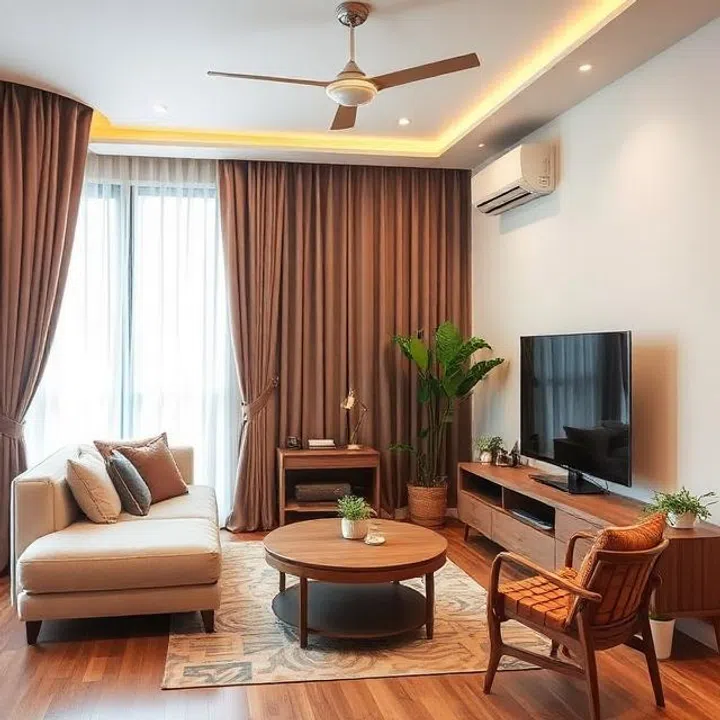
Take a look around your home. Which space or area receives the best air flow, with little to no obstacles in its way, like bulky furniture or heavy curtains? These are not transparent. They will end up blocking the cooling air that comes out of your aircon. This also goes for heavy walls or partitioning structures.
Higher is better
Never install your AC too low to the ground. The higher the AC, the better it is for cold air circulation. It should be placed at least 2 to 2.5 metres from the ground, and have a 15-20 cm gap between the unit and the ceiling.
Design it right from the start
What separates a truly comfortable home from one that just feels cold is how thoughtfully the aircon is integrated at the design stage. We speak with Lawrence Puah, Director of akiHAUS and an SIDS-accredited interior designer, whose holistic approach considers how air-conditioning interacts with space, materials, and layout from the very beginning.
In a recent residential project, Lawrence made the aircon a considered part of the architecture itself.
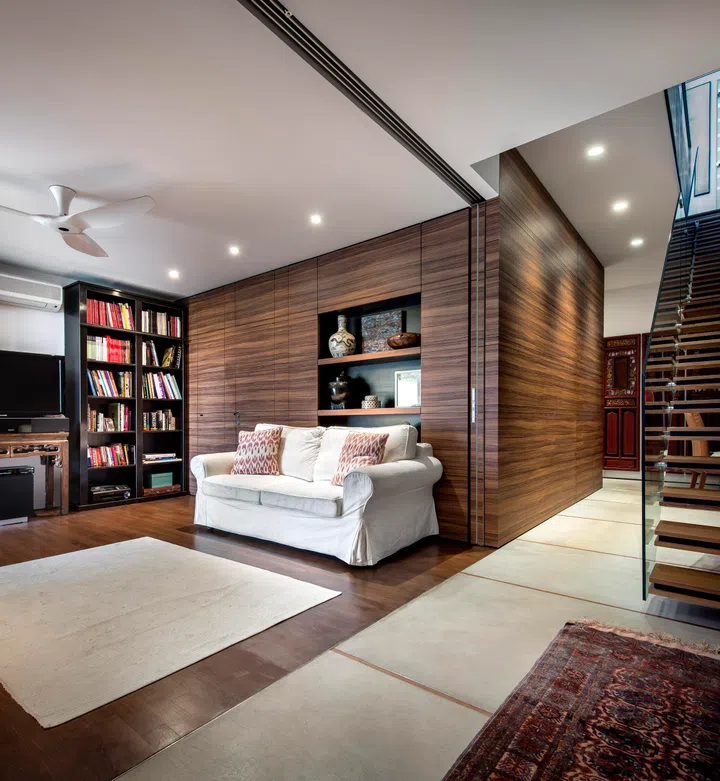
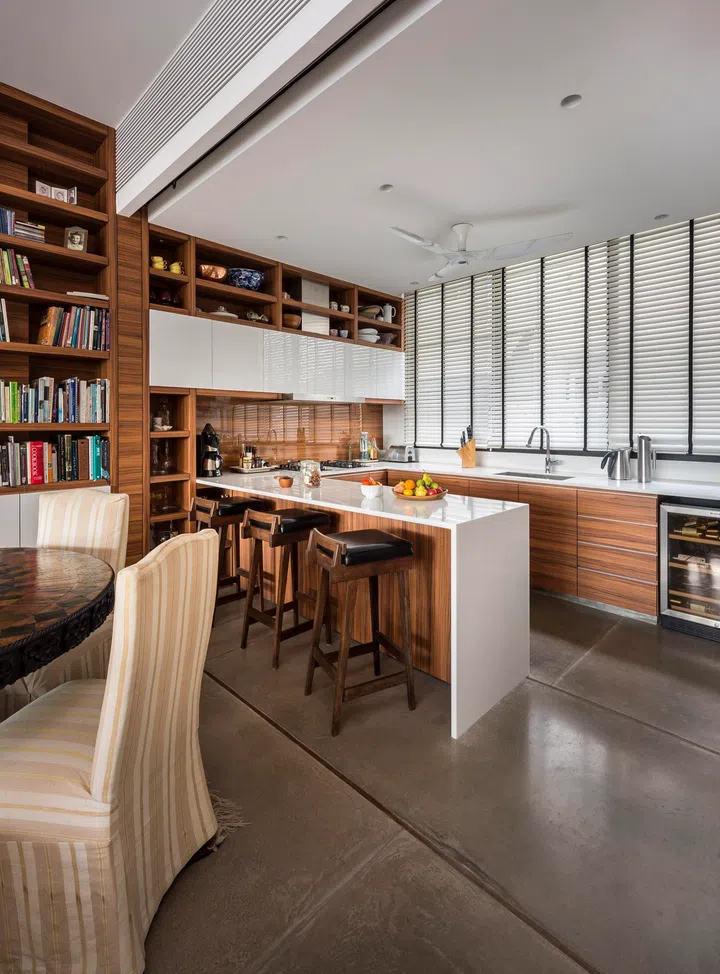
“We treated the air-conditioning not as a constraint but as a design opportunity, concealing supply and return within a full-length linear grille that reads as a deliberate architectural element. In Singapore’s humid climate, the timber lattice also helps mitigate condensation, as it does not chill as readily as metal and diffuses airflow to avoid cold spots. The result is a seamless integration of performance and design,” explains Lawrence Puah, Director, akiHAUS.
Smarter AC Usage: Five Tips
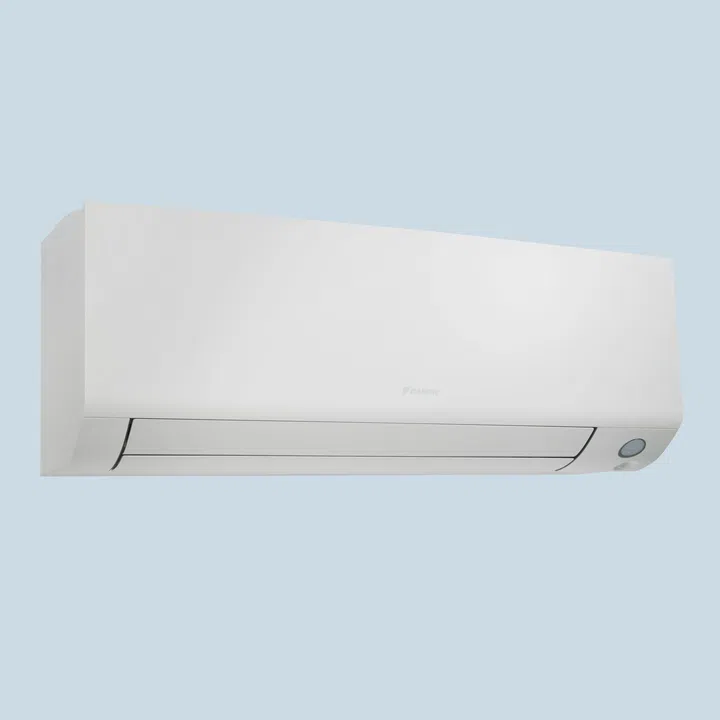
Even the best-placed unit won’t perform optimally without smart usage habits. Daikin, one of the world’s leading air-conditioning brands, shares five practical tips for responsible and energy-efficient aircon use:
- Let heat escape before cooling. After returning home, open windows briefly to release trapped heat before switching on the aircon. This reduces the initial load and helps your system cool the space more efficiently.
- Set a comfortable, not extreme, temperature. Aim for around 24-25°C for a balance between comfort and energy savings. Gradual cooling is more efficient than setting very low temperatures. Similarly, for fan speed settings, set your AC fan speed to 2 or 3 as opposed to its lowest. When it is set at its lowest setting, your AC has to work harder, plus it takes longer to cool a space.
- Keep your aircon clean and well-maintained. Regularly cleaning your filters every two to four weeks ensures better airflow, cleaner air and improved energy efficiency.
- Use smart features to avoid unnecessary cooling. Modern systems can adjust automatically based on occupancy or usage patterns, helping to reduce energy consumption when spaces are not in use.
- Optimise usage with timers and sleep settings. Set timers or sleep modes to reduce cooling in the early morning hours when temperatures drop naturally. This saves energy without compromising comfort.
What the right system can do
Beyond usage habits, choosing the right AC system matters. For smaller homes, a single high-capacity unit often outperforms two older, less powerful ones. This withdraws heat more efficiently in less time. For larger families with multiple rooms to cool, a multi-split system connects several indoor units to one outdoor compressor, with individual room control and superior energy efficiency overall.
Other ways to keep your home cooler
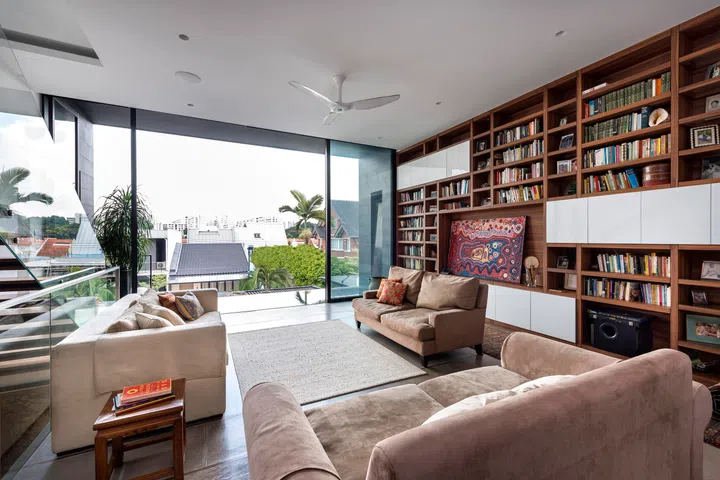
Beyond the AC itself, small changes around the home can reduce how hard your system needs to work:
- Don’t leave front or balcony doors open while the AC is running.
- Adding indoor plants, like pothos and similar varieties, helps cool spaces and provides window shading.
- Install UV window film to reduce heat build-up and protect interiors from UV rays.
- Avoid dark furniture and fabrics, which absorb heat and sunlight.
- Swap incandescent bulbs for cooler LED alternatives – they cost less to run and generate less heat.
- Use ceiling or standing fans to improve air circulation and reduce reliance on lower AC temperatures.