
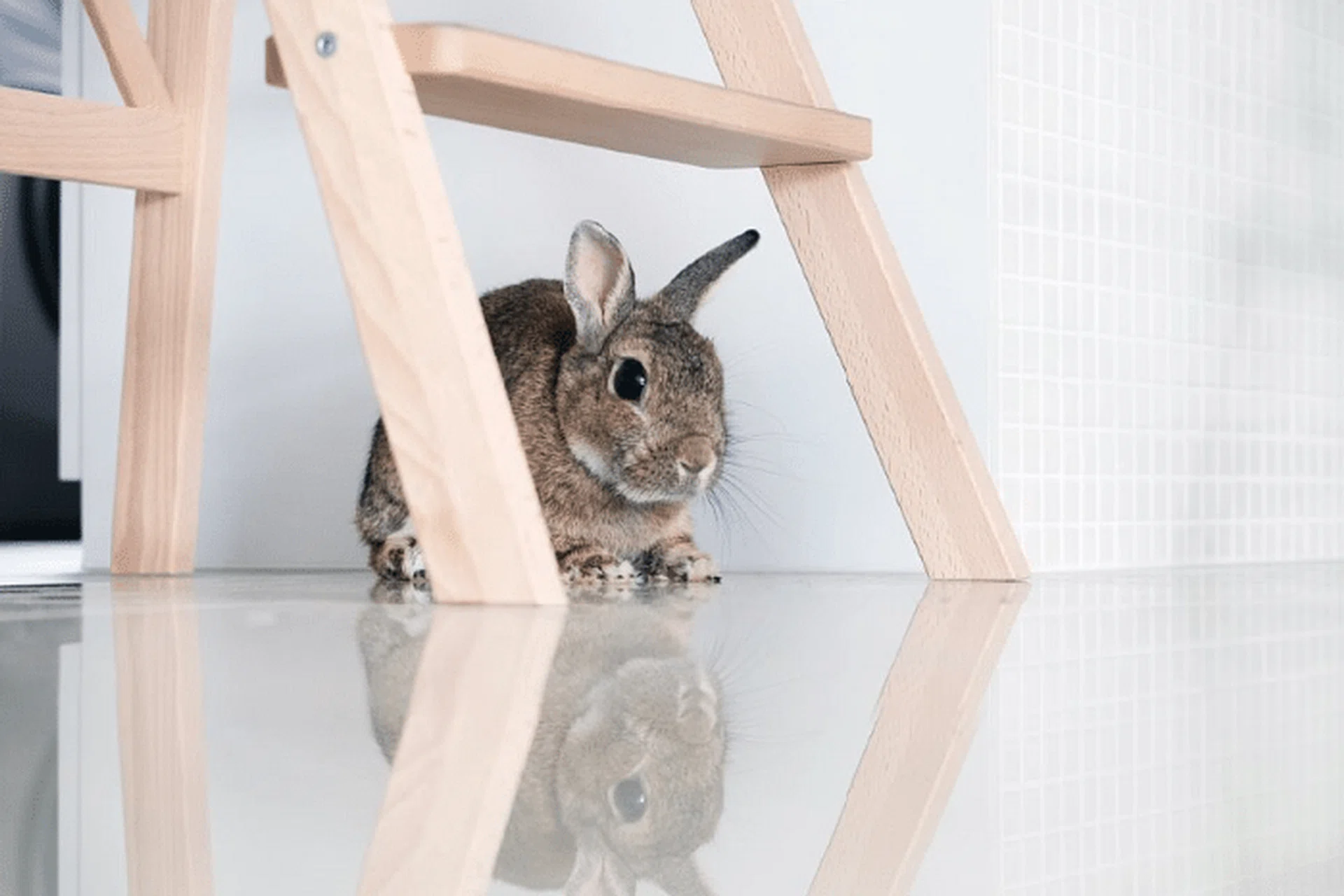
Thinking of adopting a bunny? Some rabbits are playful, others are shy and timid – ensure your personality fits theirs before adopting. According to Betty Tan, a volunteer at the House Rabbit Society of Singapore, rabbits are often mistaken as “easy” pets for young children. Rabbits are fragile, and need the care of a responsible adult to prevent mishandling. With proper TLC though, they can live up to 10 healthy years. Here are some important tips to know.
Photo: Benjamin Soh
COMMON CONCERN #1: Chewing and biting
A rabbit’s teeth grow fast and long, hence its constant need to chew. Keep your shoes and wires hidden or off the ground, and keep your cables organised in plastic tubings or removable cord covers. “You can make no-chewareas hard to access, especially in the initial stages of training. Cardboard houses or toys will also keep them occupied and away from furniture. A complete home or condominium for rabbits should include: A litter box, food bowls, chewable items such as natural willow branches or grass-based toys, as well as something to burrow and hide in,” says Betty.
Photo: Made of natural poplar wood, the Marukan biting wood features kernel-like parts that are the perfect size for gnawing. Find it at Kohe Pets.
COMMON CONCERN #2: Sore hocks
Rabbit feet can turn sore and red when they are always on floors that are too slippery, as they exert more force and pressure to balance themselves, or on wire cages that are abrasive to their feet. Being too heavy or having claws that grow too long can also affect the way they stand and walk, contributing to sore hocks. “Wire cages or hard-flooring are not appropriate at all – after all, wild rabbits hop on soil, sand and grass. Apart from padded flooring or rugs that give them respite from unsuitable flooring, you can also allow them to be free-roaming (as long as you rabbit-proof your home) to expose them to different types of spaces and textures. This complex environment is mentally stimulating and enriching for them,” says Dr Jaipal Singh Gill, executive director of SPCA.
Photo: This large Ferplast Casita rabbit cage features a rounded roof and accessories like a feeder and a little house with stepped walls. Find it at Kohe Pets.
COMMON CONCERN #3: Hiding
Rabbits are prey animals and will feel safer when they are sheltered. Create little hideaways but ensure they are not too deep or far from your reach. Keep dangerous areas, such as the back of cupboards and refrigerators, covered. “Place play pens in non sunny, wellventilated areas away from heavy traffic and noise – using an aircon is a bonus,” says Betty.
Photo: The Marukan Timothy House is edible, and made of natural timothy hay. With no wires or yarn, it is safe for your rabbit to chew and hide in. Find it at Kohe Pets.