
How to Make Your House a Shopee Collection Point (you’ll earn $2-3 per day)
Side hustle. Because times are bad.
By Kendra Tan -
Share this article
Want to make a little extra cash without leaving your house? Whether you’re working from home, a stay-at-home parent, or simply someone who’s home most of the day, becoming a Shopee Collection Point can be a surprisingly easy side hustle.
You literally get paid per parcel, so it’s a way of earning passive income (well, almost) while still going about your day.
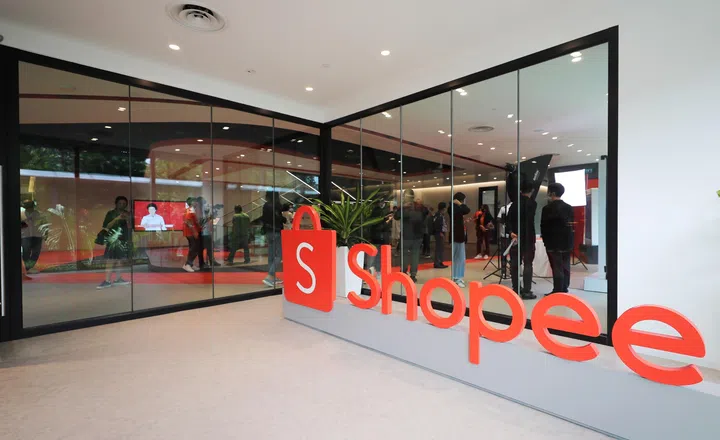
Shopee Collection Points are locations — like shops, lockers, or even residential homes — where customers can pick up their parcels. This initiative, managed by Shopee’s logistics arm, was designed to make online shopping more convenient while keeping delivery fees low.
The platform started with lockers in neighbourhood areas and partnerships with convenience stores. Today, you’ll find Shopee parcels being collected from:
- Neighbourhood minimarts or shops often combined with selling snacks, drinks, or other goods.
- Locker stations: 24/7 self-service pickup.
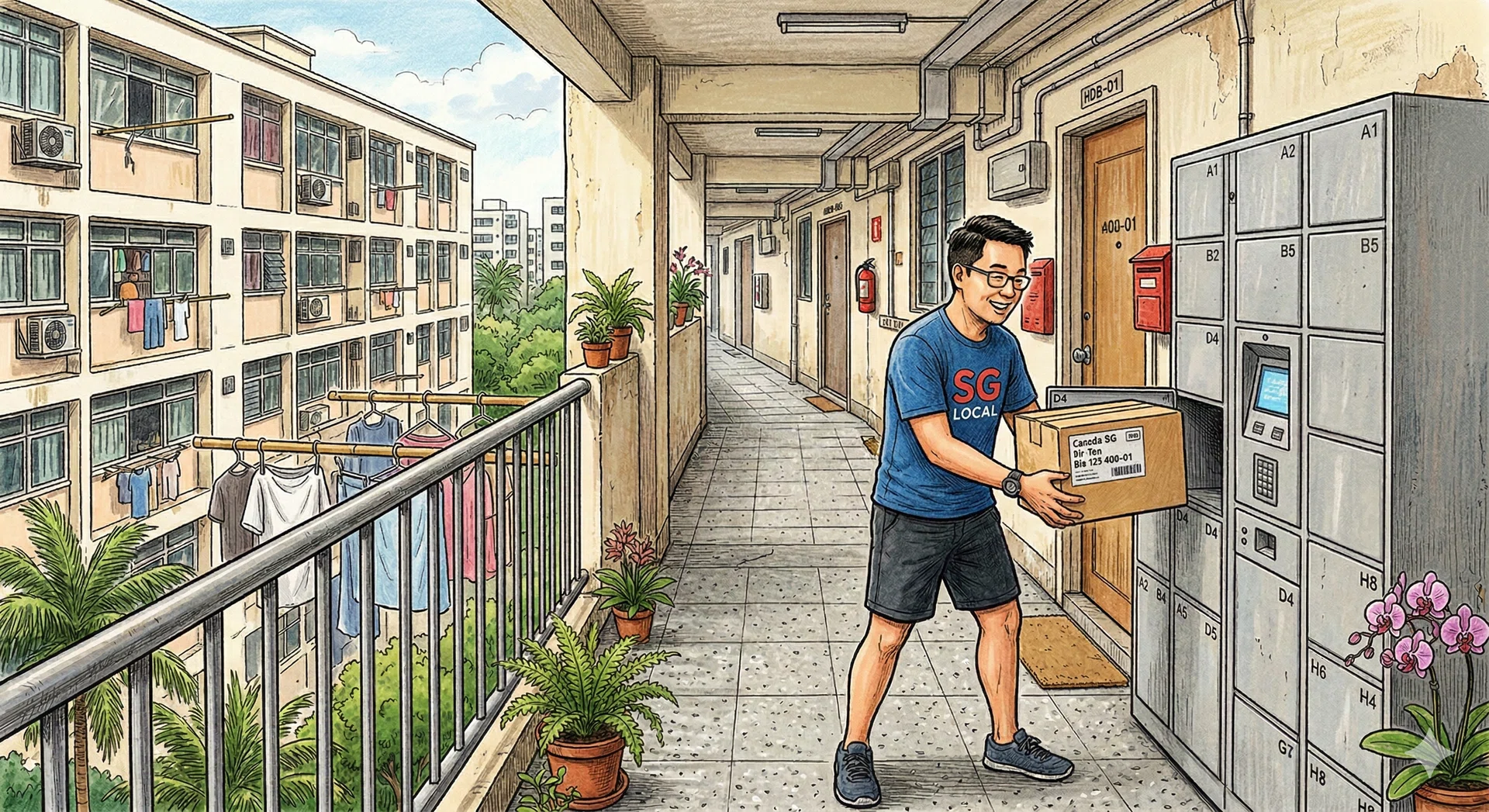
- Residential homes: yes, even your own living room can double as a collection hub, for neighbours to collect parcels.
The main difference is accessibility: lockers offer 24/7 collection, shops provide flexible hours with extra foot traffic, while home-based points are usually more personal but may have limited collection times. But depending on where you stay, your neighbours might find collecting from your place more convenient.
How much can I earn from a Shopee Collection Point?
Earnings depend entirely on parcel volume. Shopee data shows that 900 parcels a day could mean around $5,400 a month (about $0.20 - $0.30 per parcel). But let’s be real — who has space in their HDB BTO for 900 parcels a day?
One residential host interviewed by CNA started with just 5–6 parcels a day but soon averaged 15–20 daily; during festive seasons, that number can double or triple.
Let’s do the math here:
- At 5 parcels/day: you would earn around $30 to $45 a month
- At 15 parcels/day: earnings rise to approximately $90 to $135 a month
- At 20 parcels/day: you could make about $120 to $180 per month
- At 60 parcels/day (festive peak): you can expect to make around $360 to $540 per month
| Shopee Collection Point | Earnings (per month) |
|---|---|
| 5 Parcels per day | $30 - $45 |
| 15 Parcels per day | $90 - $135 |
| 20 Parcels per day | $120 - $180 |
| 60 Parcels per day | $360 - $540 |
In short, the earnings from this side hustle could range from a modest $30 to more than $500 a month — that’s if your area has high demand and isn’t already saturated with other collection points.
2 Steps to setup my house as a Shopee Collection Point
Sold on the idea? In just two steps, you can make your home a Shopee Collection Point:
- Fill out this Google Form with your details (name, address, type of residence, availability, etc.).
- Shopee reviews applications and replies within 15 working days.
That being said, there are some requirements to qualify as a Shopee Collection Point:
- An android phone with camera (version 5.1 and above)/ POS (point-of-sale) with barcode/ QR Code Scanner
- Enough space in your home for receiving and storing parcels
- Be a Singapore Citizen or PR
- You’ll need to commit at least 4 week days and 1 weekend day every week, with a minimum of 8 hours per day
How Does a Shopee Collection Point Work?
When you register your home as a Shopee Collection Point, your job is to store them safely and hand them over to customers after confirming their identity in the Shopee app.
No complicated logistics is involved, just a bit of space, an internet-connected device, and commitment to the opening hours you set.
When you set up a Collection Point at home:
- Shopee delivers parcels to your address.
- You receive notifications of arrivals via the Shopee app.
- Customers come to your home to pick up parcels, where you verify their identity using Shopee’s app.
- You hand over parcels and earn per parcel distributed.
8 Pros and Cons of Hosting a Shopee Collection Point
Pros:
- Extra income from home without large investments.
- Flexible — work around your schedule.
- Meet and connect with neighbours, strengthening community ties.
- Ideal for people already home most days or shop owners with customer traffic.
Cons:
- Privacy trade-offs with strangers ringing your doorbell regularly.
- Not customer service: you only hand over parcels but may be asked for help beyond your role.
- Required minimum opening hours can feel like a part-time job.
- Neighbours may complain about noise or foot traffic near residential points.
How to Manage Shopee Collection Point Customers?
- Clearly set collection hours and display signs to reduce unwanted visits outside those times.
- Stay organised — designate a parcel area to avoid clutter and mix-ups.
- Manage boundaries firmly; hand over parcels outside your home and avoid letting customers inside.
- Communicate regularly with customers and Shopee if issues arise.

Incentives to becoming an SPX Service.
Is Making Your Home A Shopee Collection Point Worth It?
Deciding whether making your home a Shopee Collection Point is worth it really depends on your personal situation and expectations. While the potential earnings can be a decent side income — ranging from about $90 to $500 or more per month — they are relatively modest compared to the effort and privacy trade-offs involved.
Is it financially worth it?
The earnings are often described as “kopi money” — enough to treat yourself occasionally or cover small needs, but unlikely to replace a full-time income. For many, the real value lies in the convenience and community connection rather than large cash returns. If your area has high demand and little competition, you might increase your earnings, but for most residential hosts, the income remains quite small.
Other considerations
Beyond the money, hosting a Shopee Collection Point involves:
- Time commitment: You need to be available during set hours, which can feel like a part-time job.
- Privacy and security: Frequent strangers knocking on your door may be disruptive or raise security concerns.
- Space requirements: Limited space in an HDB flat might restrict how many parcels you can handle comfortably.
Shopee Collection Point Review
If you’re looking purely for a way to earn some quick side cash, it’s probably not the best fit.
But if you value flexibility, helping neighbours, or simply want a passive-like supplement that fits into your daily routine, it can be worth considering. Just go in with realistic expectations — because, honestly, the money is quite small for the amount of effort and inconvenience involved.
In short, for most home hosts, the small income and privacy concerns mean it’s more of a side perk than a game-changer.