
Share this article
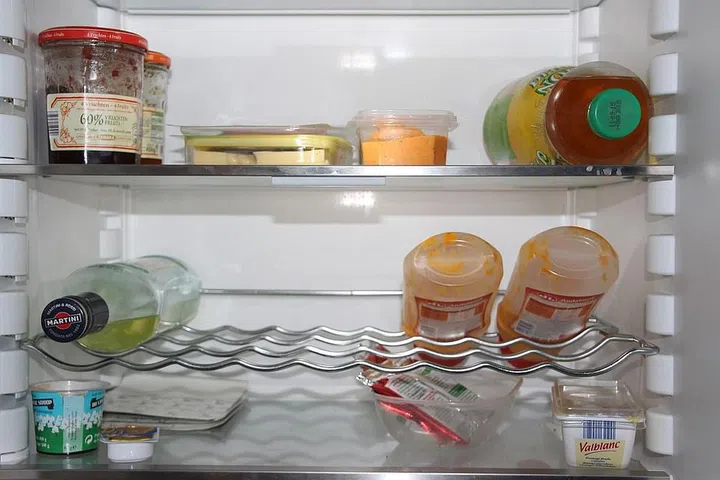
Photo: Pixabay
How you keep your food, and where you keep them in the fridge, affects how long they can stay fresh.
Storing your food in the right compartments of your fridge can help prevent cross contamination between raw food and cooked food.
Maximise your fridge’s storage compartments with these tips.
1. CATEGORISE YOUR ITEMS
Group all items into categories and assign them a space in your fridge. Examples of these categories can be dairy products, meat, seafood, fruits, and more.
Ms Nathalie Ricaud, a professional organiser who helps individuals and families de-clutter and organise spaces at home, said: “Consider using drawers or baskets to segregate the different groups of food. It is easier for you to locate and put them back in the same place after use.”
2. STORE FOOD AT RIGHT PLACES
Keeping your food at the right compartment will keep them fresh longer.
Ms Ricaud said: “The door is the warmest spot in the fridge as temperatures there fluctuate frequently. This space is most suitable for condiments, water and juices. Store your milk, dairy products and eggs at the middle shelves of the fridge instead of the door.”
She recommended placing breads, wraps and drinks at the top shelves where temperatures are most consistent. Place items such as fruits, vegetables, meat and fish at the lower shelves where temperatures are the coolest.
Mr Edward Quek, a project developer of a company that sells fridge and freezers, said that you could keep vegetables in the chiller compartment at temperatures between 0 deg C and 4 deg C.
To avoid cross contamination from raw food, place them below cooked and ready-to-eat food.
He recommended not storing marinated food at room temperature as bacteria may grow. Place marinated food in sealed containers.
Avoid placing hot or warm food in the chiller compartment, as this will cause the temperature in the chiller to rise, which causes your fridge to use up more electricity.
3. SEPARATE FRUITS AND VEGETABLES
Ms Ricaud recommended that as a general guideline, separate fruits and vegetables in different drawers or baskets. Some fruits produce a gas called ethylene that causes vegetables to spoil faster. She said: “Wrap raw meat, fish and seafood in individual transparent bags to avoid dripping and contamination.”
4. CLEAN
Ms Ricaud recommended discarding all expired items and minimising the amount of food you store in your fridge. Plan your meals, do an inventory check and create a shopping list before grocery shopping,
Mr Quek suggested having a list on your fridge door to keep track of items inside. Clear your fridge before going away on holiday to avoid having expired food lying around.
He advised wiping spills immediately with a damp cloth and drying with a clean cloth. Clean the inside of the refrigerator using a clean sponge or cloth and warm soapy water regularly. Wipe over once with a damp cloth and dry with a clean cloth.
If your shelves and drawers are removable, take them out and wash them with warm, soapy water and rinse thoroughly. Dry with a clean cloth and clean the rubber seals of the fridge regularly.
To remove odours in the fridge, place a saucer of baking soda.
5. MAXIMISE SPACE
To maximise space, Ms Ricaud suggested adjusting the shelves according to the height of your food and adding an extra shelf or using stackable containers.
Ms Ricaud said: “Food such as tomatoes, onions and potatoes do not have to be refrigerated. You can keep them in cool, dark places that are away from direct sunlight.
“Keep your leftover food in sealed, clear containers and store them at eye level. Leftover food should be stored in the fridge for not more than two to three days.”
Written by Shirley Hew for The Straits Times.