
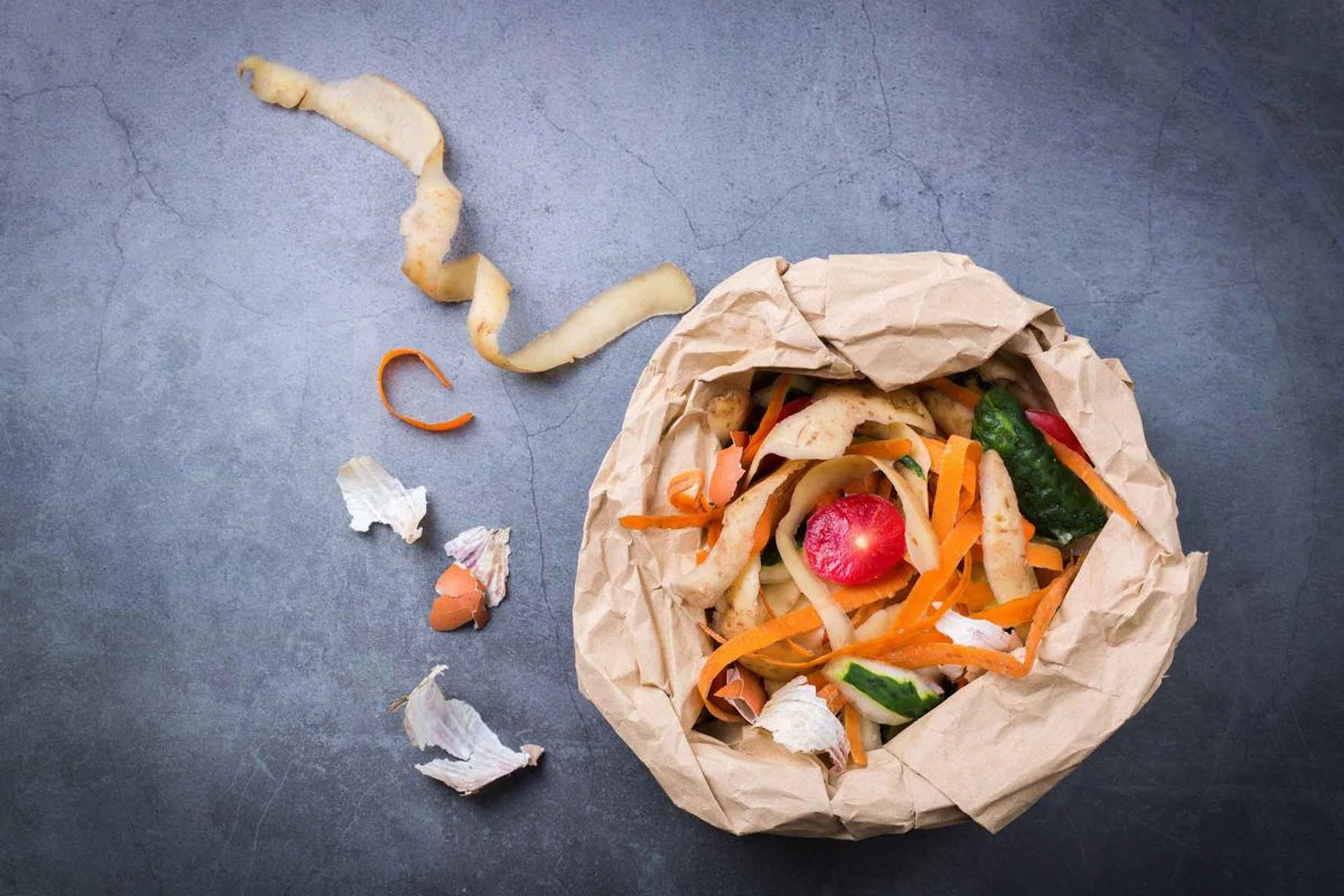
Leftover food and food scraps! As a homeowner, it pains me to see leftover food going into the trash bin. Leftover food scraps are, unfortunately, not recycled in most households in Singapore. And this phenomenon is happening for several legitimate reasons:
Lack of Food Recycling Infrastructure
Recycling food scraps requires proper infrastructure, such as composting facilities or anaerobic digesters, to efficiently process organic waste. Many households lack access to such facilities, making it difficult to recycle food scraps.
Lack of Understanding
Many people are not aware of the benefits of recycling food scraps or how to properly do it. Lack of education and awareness campaigns can lead to improper disposal of food waste.
Limited Space
Not everyone has the space for composting or storing food scraps until they can be properly disposed of. Urban dwellers in apartments or small homes might find it challenging to accommodate composting setups.
Regulatory and Policy Factors
Local regulations and policies might not prioritize or mandate the recycling of food scraps. In areas where there are no legal requirements, households might not see the urgency to recycle food waste.
Efforts to increase food scrap recycling involve a combination of education, infrastructure development, policy changes, and incentives to make the process more accessible, convenient, and appealing to households.
Fruits and nuts leftovers
There are obvious additions to baked goods, but you can also get creative to make use of other forgotten foods.
For example, chia puddings and abandoned oatmeal work well in pancake batter, while neglected yogurt can give baked goods extra moisture and softness.
Beef, mushroom, etc.
Chop up bits and bobs of leftover vegetables and throw them into your next pot of rice to cook.
You could also boost a plain bowl of rice by throwing in droopy herbs or grains and beans that have been sitting around.
Save leftover meat to make tasty homemade stock. Bones, especially, add tons of nutrition and flavour.
Herbs leftovers
Herbs wilt so fast, but you can easily chop them up in a food processor to make tasty pesto sauces.
Meanwhile, sad-looking vegetables can be easily blended into nutritious and colourful dips.
Leafy tops of carrots and radishes
The green tops of carrots and radishes are perfectly edible.
Ok, maybe they aren't the tastiest by themselves, but blend them with some macadamia nuts and garlic for your own healthier alternative to the traditional basil pesto.
You can also boil and blitz carrots and other veggie peels to make a flavourful stock, to which you can add to porridge, risotto, and curries, or braise meats and vegetables.
Mango seeds (pits)
They contain lots of meat, but they're a bother to reach.
Put it to good use by leaving it in a jug of water overnight instead to get delicious mango-infused water the next morning.
Fruit peel leftovers
Add unwanted fruit peels to some water with a little honey to get a fragrant cup of tea, or infuse them in vodka for your next party night.
Alternatively, apple peels are a great natural kitchen cleaning product, while citrus peels neutralise odours in your trash bin.
Egg shells leftovers
Crush egg shells and put them in your kitchen sink strainer to help catch solids and prevent your sink from being clogged up.
Bonus: they also clean your drain naturally as they break down.
Banana peel leftovers
The inside of a banana peel contains potassium, a primary ingredient of shoe polish, as well as natural oils that makes it a winning shoe buffer.
Rub over your shoes then buff away the residue banana matter with a clean cloth to get shiny shoes as good as new.
Used tea bags
Apply used tea bags, which contain anti-inflammatory tannic acid, to bug bites to sooth them.
Or dry them out and place them in your shoes to absorb moisture, hence preventing unpleasant odours.
Pineapple tops
After cutting off the top of the pineapple, you can actually use it to grow another one!
You don't even need a huge backyard to re-grow your pineapple— see how you can do it here.
Onion bottoms
Same for onions, save the bottoms to plant in a pot to grow new ones.
All text and images in this article was first published on The Finder and Shape in 2017.