
7 Issues with Buying Landed Property in Singapore
Looking to buy landed property? Don’t gloss over these 7 commonly neglected issues made when buying homes.
By Ryan J -
Share this article
Buying a landed property is a dream for many Singaporeans – the crème de la crème of the private housing market. It’s quite clear from our cheapest freehold landed homes series just how popular these homes are.
However, living in a landed property brings its own range of challenges. With no “management committee” other than your own two hands, everything from maintenance to the initial construction falls to you. Before you upgrade to one of these, here are some commonly overlooked drawbacks:
Take note that most of the following points do not apply to strata-titled landed homes, such as cluster housing. Strata-titled landed properties still have an MCST, shared common facilities, and so forth. Factors that also apply to strata-titled landed homes are indicated as such.

1. Stairs can be a problem for elderly
From experience, we’ve found the most common reason for downgrading from landed property to apartments, in later years, isn’t financial. The main reason is stairs.
This is important to think about if you’re living with older parents, or are nearing your later years yourself.
Unless you’re willing to install elevators or stairlifts (which not all places can accommodate), you may have problems cleaning and maintaining rooms over different floors. There’s also a safety consideration here – even with non-slip surfaces, the fact is staircases will always be more dangerous to the elderly.
For these families, it may be more practical to get a single-storey landed property, or nothing higher than a double-floor unit. There are also variations to the layout to consider, there are those with bedrooms on the ground floor as well – or more commonly (and appropriately known) as the granny room!
2. Maintenance is not cheaper
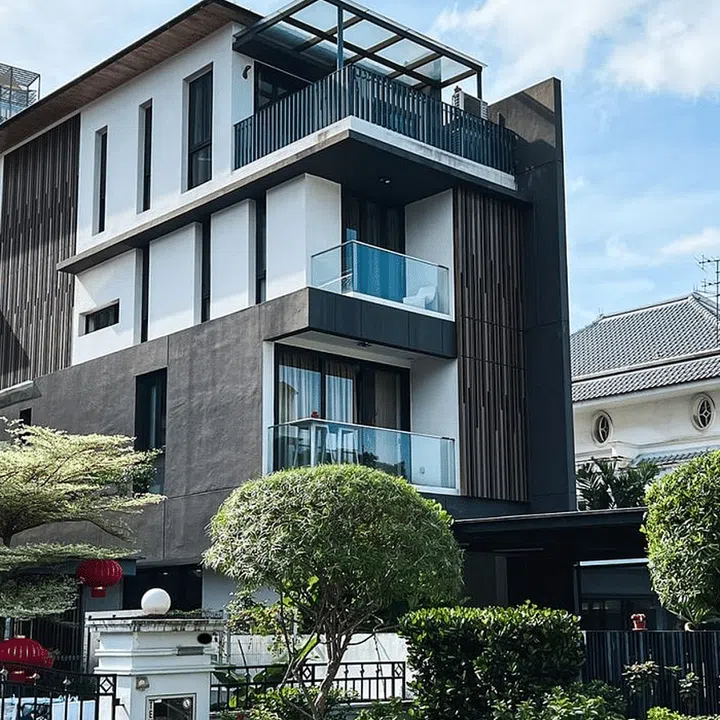
For landed properties, you don’t pay maintenance fees as you would in a regular condo, but this can be a double-edged sword.
In a condo, you pay the same maintenance fees, whether the damage to be fixed is a minor leak, or something as major as having to re-pave the driveway. Of course, this could increase as the development ages, but it will ultimately be a shared cost. For landed properties, you may well pay nothing each month, other than what’s necessary – but when something major happens, such as serious plumbing or roofing damage, you bear the entire cost yourself.
Likewise, maintenance of exteriors – such as having to repaint the entire façade – can be expensive. This makes maintenance costs quite volatile for landed homes: you may pay nothing for months or years, but then suddenly be confronted with a five-digit bill for repairs.
As such, you’d be well advised to set aside a special fund for repairs, or just to ensure you have sufficient savings for emergencies. It’s also a good idea to conduct checks once every year, to head off any potential damage before it happens (this is especially important to detect pests early, as even a small termite infestation can become a costly disaster over a few months).
It also goes without saying that some of these repairs can be major (roof leaks, etc), so you could possibly also have to move out during the renovation period and incur rental costs as well.
3. Need a domestic helper
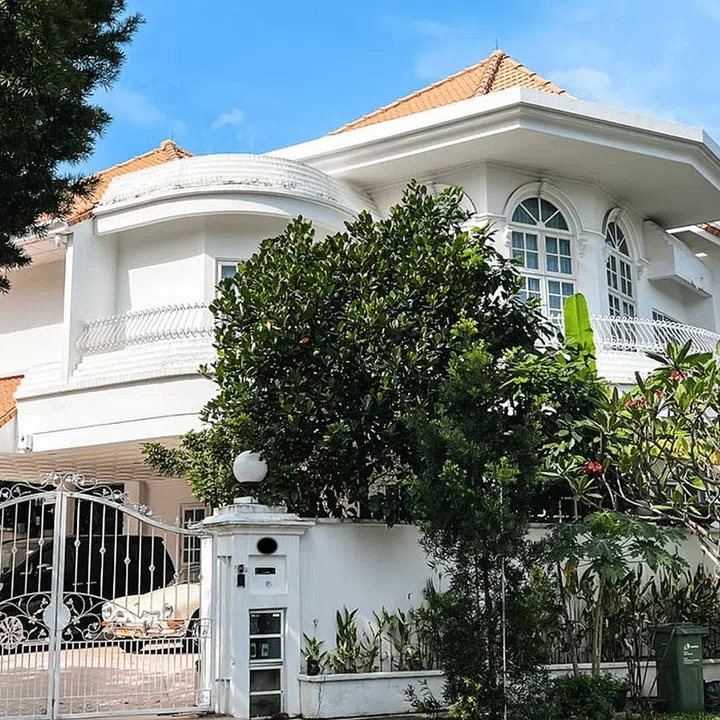
From cleaning out dead leaves from gutters to having to mow the lawn, landed properties demand attention.
It’s not uncommon for owners to end up burning one or two weekends, just to keep the landed property clean. Most landed homeowners will, at some point, give in and concede that they need domestic helpers (especially as they get older).
This is why some landed property homeowners don’t see the lack of monthly maintenance fees as a huge bonus: they’ve figured the cost of hiring someone to clean the place more than makes up for it.
4. Pets and young children can run out to the road
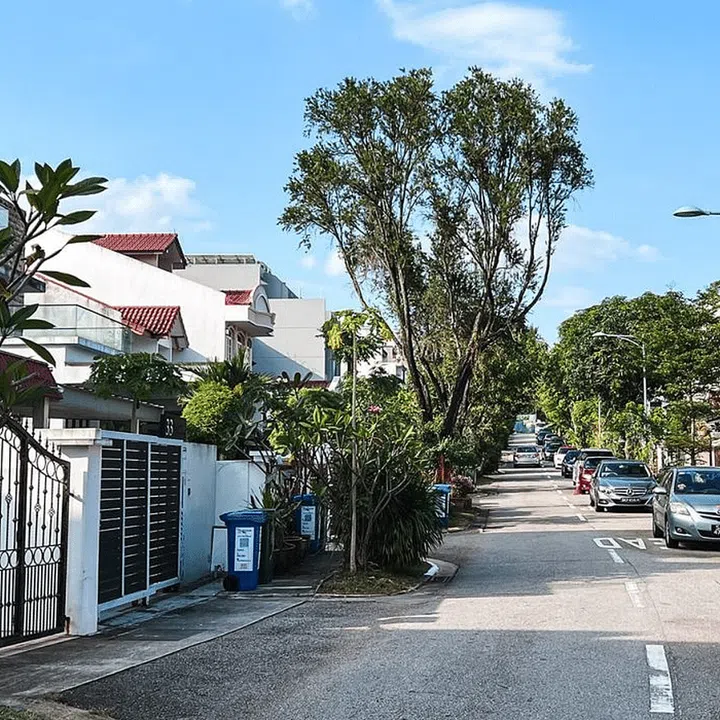
When you buy a landed property, you have a yard, the ground floor is all yours, and waste disposal tends to happen closer to your home (unlike strata-titled developments, where dumping grounds tend to be located far away or underground).
Due to this combination of factors, landed property homeowners have a tougher fight against vermin. It’s inevitable that centipedes, cockroaches, and other vermin will come in from a backyard; and you need to be extra diligent with garbage, lest you cause a rat problem.
One agency that’s commonly dreaded by landed property homeowners is the National Environment Agency (NEA).
Some homeowners even believe that NEA is stricter toward them, as landed homes carry a higher risk of mosquito breeding. While there’s no proof of this, we do know one thing for sure: having a backyard, drain gutters around roofs, more potted plants, etc. does increase the risk of being caught with mosquito larvae.
Pests are a commonly overlooked risk for pet owners. If you have curious dogs or cats, there’s a higher risk they may eat something they shouldn’t; like poisonous frogs or insects from the garden. Also, don’t overlook the higher risk of fleas and ticks.
5. Cars parked outside your gate
This is most common among landed properties near places of worship. During worship days, the already narrow roads in landed property enclaves can become completely blocked. A particularly notorious spot is the landed housing enclave in Siglap, where Sunday church services result in weekly jams (Covid-19 might have helped ease the situation). But Siglap is by no means the only landed enclave with such problems, so check at different days and times when viewing the property.
Similar problems can happen on festive occasions like Christmas, Chinese New Year, etc. On these occasions, inconsiderate drivers might park right in front of your driveway, and block you in for hours. This issue is so bad in some areas, that landed homeowners sometimes use wheel clamps and fine drivers.
So stay alert for warnings signs about illegal parking, when you view the properties. If you see a lot of such signs in one area, it could be an omen of things to come.
6. Home security issues
As we mentioned in one of the earlier points, you don’t enjoy the benefit of security guards as you do in a condo development. While we are very blessed that Singapore is such a safe country, some landed homes can be surprisingly secluded and some of these spaces will have a need for proper security. Especially if you have young children or just a lot of valuables at home, you would need to invest in a robust security setup for that additional peace of mind.
For some, just a regular CCTV in plain sight can be a good enough deterrent. But to really guard against a potential break-in, there are services from security companies that will install motion sensors that will trigger an alarm should there be any disturbances. This will have a monthly cost to it, so it’s just another expense to bear in mind.
For more expert tips on house hunting, follow us on Stacked. We’ll also provide you with the latest trends and strategies in the Singapore private property market, and in-depth reviews of new and resale condos alike.
This article was first published in Stacked Homes.