
Share this article
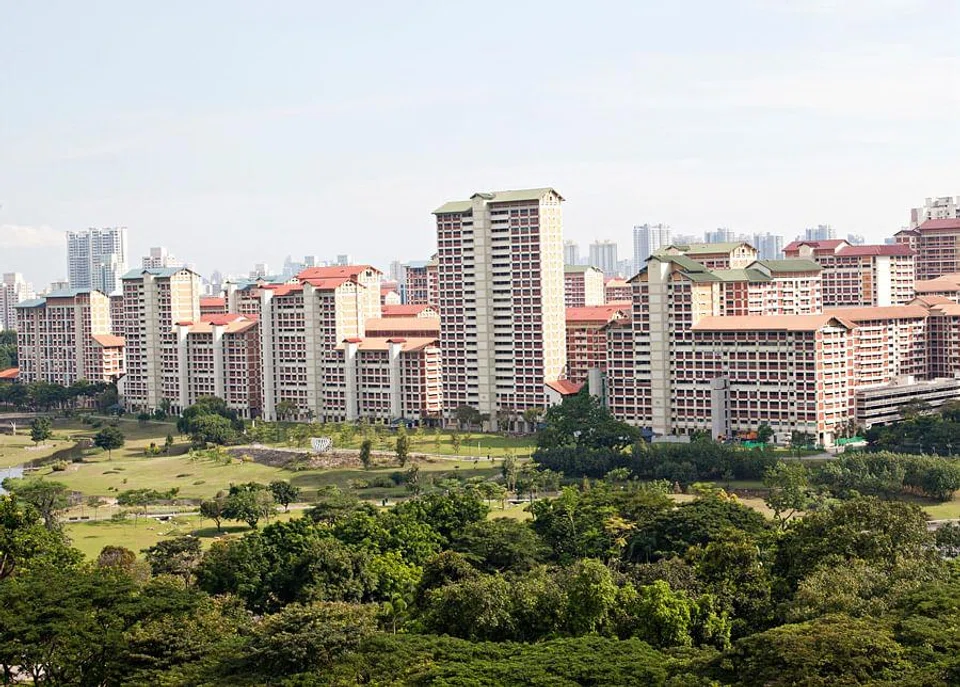
Bypassing the 3-to-5-year waiting period of a Built-To-Order (BTO) flat makes the resale HDB market highly attractive.
However, buying a resale Housing & Development Board (HDB) flat is structurally distinct from buying a new BTO. The process involves hidden operational timelines and out-of-pocket costs that catch many first-time buyers off guard.
Get your HDB HFE Letter first!
Many buyers assume they can view flats, negotiate prices, and secure an Option to Purchase (OTP) before sorting out their official paperwork. This is an expensive misconception. You cannot legally be granted an OTP by a seller without a valid HDB Flat Eligibility (HFE) letter.
What is the HFE letter for? The HFE letter acts as a single-stage assessment verifying your flat eligibility, your exact CPF Housing Grant quantum, and your maximum HDB housing loan amount.
Because HDB takes approximately 21 working days (about a month) to process these applications—and longer during peak BTO launch periods—failing to apply before house hunting means you could lose out on your ideal home to a prepared buyer.
Once issued, the HFE letter is valid for 9 months, giving you a broad window to browse listings on the HDB Flat Portal.
7 Days to submit HDB Resale Application (both seller & buyer)
Once you have secured your resale HDB flat’s OTP, negotiated the valuation, and formally exercised the option, you enter the application phase. The absolute deadline structure here catches many unrepresented buyers by surprise.
After the OTP is exercised, both the buyer and the seller must submit their respective portions of the resale application within 7 calendar days of each other.
However, if you submit your portion on a Monday, and the seller delays their submission past the following Monday, HDB will automatically cancel the application.
Your administrative fees ($40 for 1-to-2-room flats; $80 for 3-room and larger flats) will be forfeited, and you will have to restart the formal submission process. Keep open lines of communication with the seller or their agent during this week.
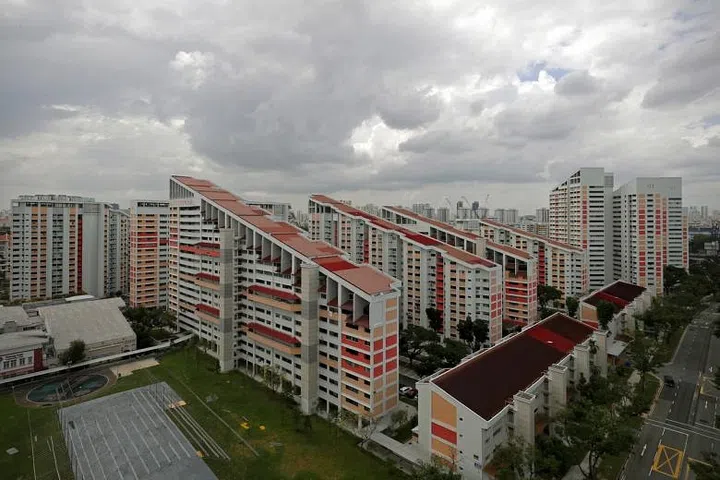
Potong Pasir's sloping HDBs. Potong Pasir falls under the Toa Payoh HDB estate.
HDB Resale Levy
If you are a “second-timer” purchasing another subsidized property, there’s another thing you need to pay. The primary goal of this levy is to ensure public housing subsidies are distributed fairly when a household purchases a subsidized property for a second time.
The levy is strictly calculated based on the flat type you are selling, not the one you are buying.
| HDB Resale Levy | Amount |
|---|---|
| 2-Room | $15,000 |
| 3-Room | $30,000 |
| 4-Room | $40,000 |
| 5-Room/ 3-Gen | $45,000 |
| Executive/ Maisonette | $50,000 |
| Executive Condominium | $55,000 |
| HDB Resale Levy for Singles | Amount |
|---|---|
| 2-Room | $7,500 |
| 3-Room | $15,000 |
| 4-Room | $20,000 |
| 5-Room | $22,500 |
| Executive/ Maisonette | $25,000 |
| Executive Condominium | $27,500 |
If your first subsidized flat was sold before March 3, 2006, it does not use the fixed table above. Instead, it is governed by the older percentage-graded system, where you pay a percentage (ranging from 10% to 25%) based on the higher of your flat’s actual sale price or 90% of its market valuation.
For new BTOs classified as Plus or Prime, you will be subject to a Subsidy Recovery percentage (a clawback of the extra primary subsidy given for premium locations) in addition to the standard resale levy when you move to your next subsidized home.
How to pay the HDB resale levy?
The levy can either be automatically deducted from the cash proceeds generated by the sale of your first flat, or you might need to pay the resale levy in cash upon key collection.
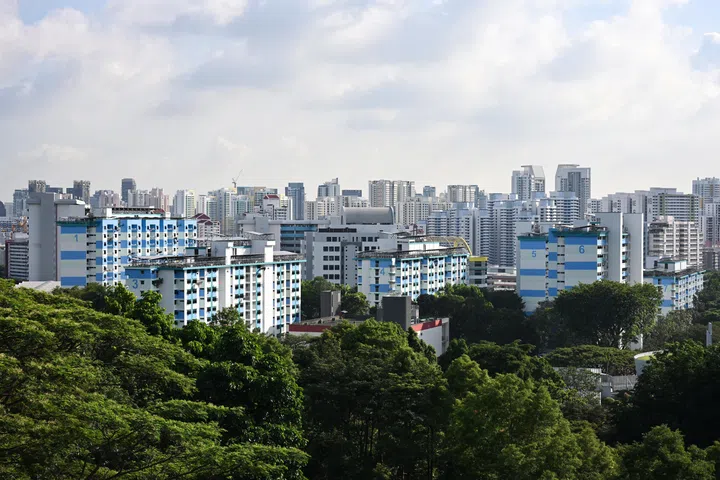
75% Loan-to-Value Cap
You can’t borrow an unlimited amount of money from the bank of HDB, ok?
If you choose an HDB concessionary loan, the Loan-to-Value (LTV) limit is capped at 75% of the property value. Bank loans are similarly capped at 75%.
This means you need to pay a minimum 25% downpayment, using a mix of your CPF Ordinary Account (OA) savings and cash (must pay at least 5% cash for bank loans).
Cash Over Valuation (COV)
HDB will only assess the official valuation of the property after you have secured the OTP and submitted a “Request for Value” (which must be done by the next working day after the OTP date).
For example, if you agree to buy a flat for $630,000, but HDB subsequent valuation is $600,000, your 75% loan and your CPF usage are strictly pegged to the lower $600,000 figure. The remaining $30,000 variance is the COV, which you must pay entirely in cash during the completion phase.
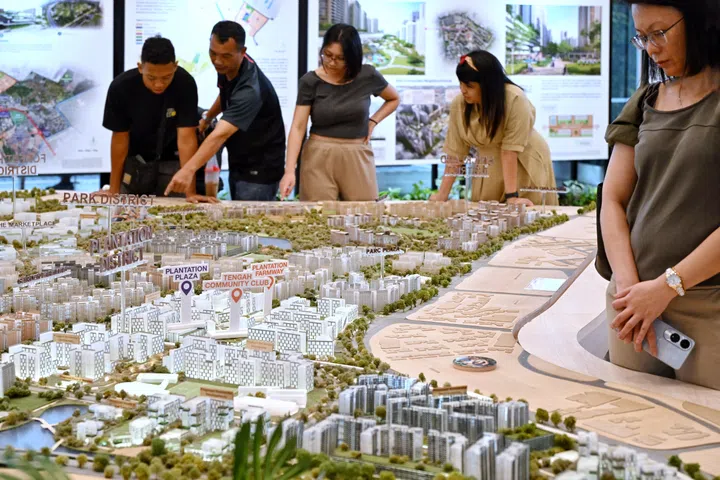
How much HDB loan can you take?
When purchasing an old HDB resale flat, you cannot assume you can empty your CPF OA and secure a long 25-year loan period!
HDB links your age to the remaining lease of the HDB resale flat.
To use your CPF savings (maximum) and qualify for a full HDB loan, the flat’s remaining lease must cover the youngest buyer to at least the age of 95. For example, it’s 2026. You are 38 years old and buying a resale HDB in Chinatown built in 1981:
| Calculations |
|---|
| 2026 - 1981 = 45-year-old flat |
| 99-year lease - 45-years = 54-year lease left |
| you are 38-year-old + 54-year lease = flat covers you until 92 years old |
If the flat fails this criterion (e.g., the remaining lease is 54 years, and the youngest buyer is 38 years old, meaning the lease only covers them until age 92), both your CPF OA usage and your maximum loan amount will be pro-rated downward.
Furthermore, if a flat has less than 20 years remaining on its lease, the restrictions become absolute: no CPF savings can be used for the purchase, and you cannot secure an HDB concessionary loan.
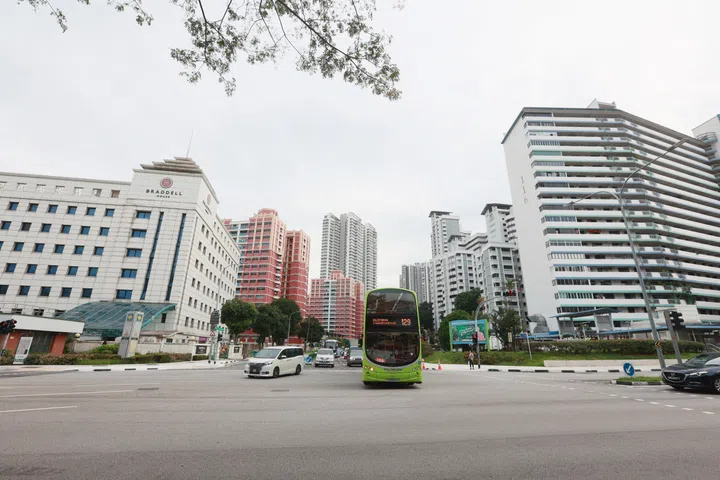
CPF Accrued Interest Refund
While CPF Housing Grants (which can reach up to $120,000 for eligible first-timer families) significantly offset your initial purchase price, they are not “free cash.” They are credited to your CPF OA.
When you eventually sell this resale flat in the future, you must legally return the exact grant amount plus 2.5% compounded annual accrued interest back into your own CPF OA.
Likewise, any CPF monies you used to pay your mortgage has to be returned to your CPF with the same 2.5% interest. That’s a huge sum of money!
Over a 10-year stay, this accrued interest compounds substantially, which can significantly reduce the actual physical cash proceeds you walk away with upon selling.