
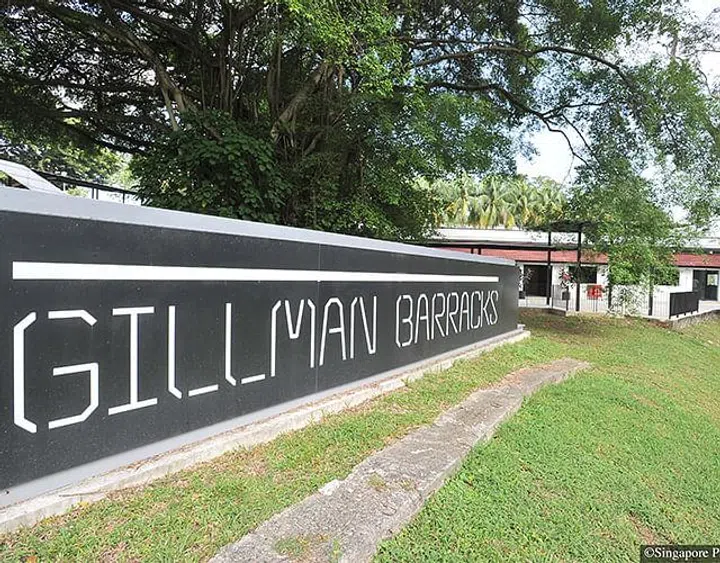
Gillman Barracks’ History Should Be Conserved for Future Housing Estate
When the British Far East Command withdrew from Singapore in 1971, Gillman Barracks was handed over for a symbolic sum of exactly $1.
By Home & Decor Team -
Share this article
HDB’s announcement on the transformation of the 40ha Gillman Barracks site into a new residential precinct is an exciting milestone.
As we prepare to redevelop this historic land into a vibrant housing estate, we have a golden opportunity to do more than just retain its physical structures.
We should actively adapt and institutionalise the historic British and Singaporean military traditions that are deeply woven into the site’s identity.
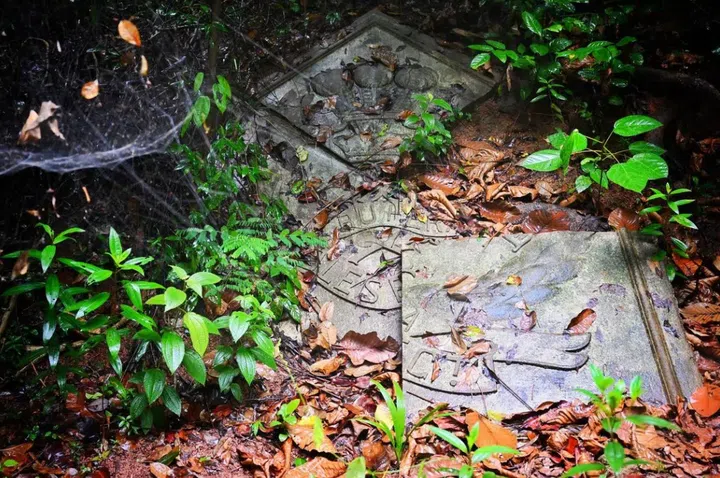
Four square concrete panels that collectively form the Middlesex Regiment’s insignia, seen on March 8 at Gillman Barracks.
Gillman Barracks Handed for $1
When the British Far East Command withdrew from Singapore in 1971, Gillman Barracks was handed over for a symbolic sum of exactly $1. The final lowering of the Union Jack and the subsequent hoisting of Singapore’s national flag marked a monumental civic passing of the torch.
Later, in 1984, the Singapore Armed Forces beautifully adapted this tradition with an internal token fee when its School of Combat Engineers unit vacated the camp.
We can creatively adapt these historic milestones to foster a deep sense of civic stewardship among future residents in two ways.
Gillman Barracks Handover in 2030
First, the final exit of the current arts and food-and-beverage tenants in 2030 should not happen quietly behind construction barriers. HDB could host a ceremonial “handover of the keys” alongside a public march down Lock Road and Malan Road.
This modern twist on old military pageantry would engage the public, visitors, historians and tourists to celebrate the site’s rich history before construction begins.
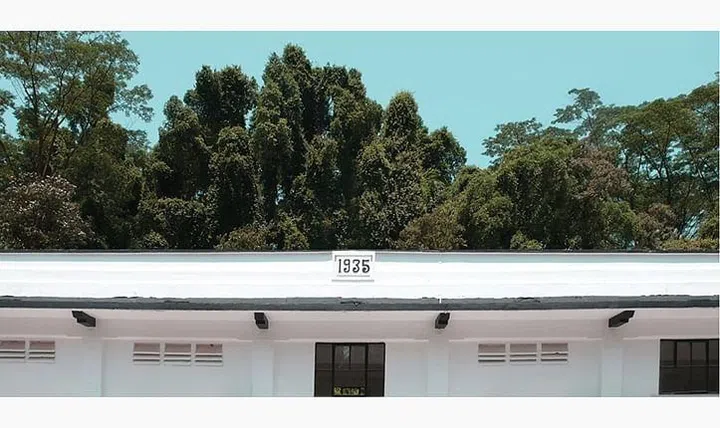
Gillman Barracks
Gillman Barracks History Book Should Be Written
Second, a comprehensive book on the 90-year history of the barracks could also be launched. Currently, information on Gillman Barracks remains fragmented across technical HDB assessments, National Library Board archives and volunteer walking guides.
An authoritative, community-centred volume is necessary to weave these scattered pieces into a single narrative before redevelopment begins.
Physical conservation is only half the battle.
Without active storytelling, future generations will inherit preserved structures that have forgotten their names.
- by Osman V.P. Mohamed
This article was first published in The Straits Times.