
Share this article
The Government will focus its efforts on the Voluntary Early Redevelopment Scheme (Vers), with the aim of rolling it out to a few sites in the first half of the 2030s.
Sers is compulsory, redevelops old HDB blocks, compensates owners at market value and offers them new HDB flats nearby. Vers, on the other hand, aims to address HDB lease decay, allowing owners of HDB flats 70+ years old to vote for the Singaporean Government to buy back their homes.
Authorities aim to develop Vers in this term, seeking feedback and rolling it out to selected sites in the first half of the 2030s.
| SERS | VERS | |
|---|---|---|
| Name | Selective En bloc Redevelopment Scheme | Voluntary Early Redevelopment Scheme |
| Compulsory | Compulsory | Homeowners get to vote |
| Purpose | Demolish, redevelop old HDB blocks in 4-5 years | Address HDB lease decay before 99-year lease runs out, allow authorities to redevelop old HDB towns over 20-30 years |
| Eligibility | HDB 50+ years | HDB 70+ years |
| Compensation | Homeowners compensated market value of HDB flats | Fair compensation package |
| Replacement HDB | Homeowners given option to buy new HDB flat nearby | New HDBs nearby for relocation |
| Other Benefits | $30,000 Rehousing grant | Less financial upside |
| Period | 1995 - 2025 | From 2030s |
| HDBs Affected | 80 HDB projects (5% of HDBs) | Government still identifying sites |
What is SERS?
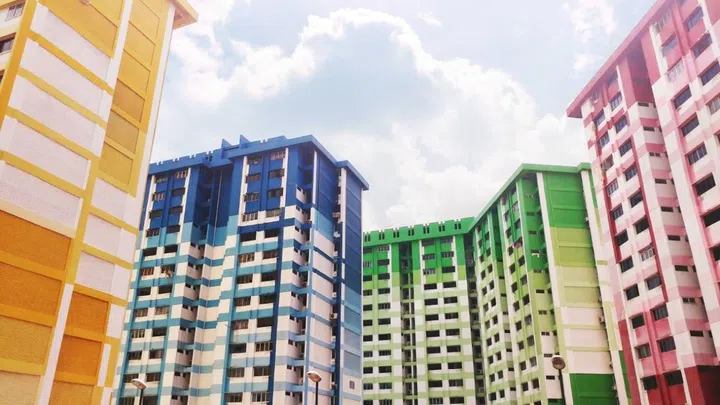
SERS is short for Selective En bloc Redevelopment Scheme (Sers). Under Sers, the authorities select old Housing Board blocks to be demolished and redeveloped. The scheme is compulsory.
Home owners are compensated based on the market value of their flats at the time the project is announced, and given the option to buy a new replacement flat nearby with a fresh 99-year lease. They also receive rehousing benefits, such as a $30,000 grant to buy a new flat. HDB previously said that about 5% of flats are estimated to be eligible for Sers.
2 SERS HDB projects still in progress
Since 1995, 80 Sers projects have been completed, while two are still in progress.
No More SERS for HDBs
National Development Minister Chee Hong Tat said in an interview on Aug 5, 2025 that there are no plans for further projects under the Selective En bloc Redevelopment Scheme (Sers).
Why are there no plans for more Sers projects? In a written parliamentary reply in 2022, the Ministry of National Development said it does not expect many more sites to be eligible for Sers, as most of the projects with high redevelopment potential have already been selected.
The latest Sers project, which is currently ongoing, involves Blocks 562 to 565 in Ang Mo Kio Avenue 3 and was announced in April 2022. Altogether, 606 households were affected. Completed in 1979, these blocks were around 43 years old when they were selected. The replacement flats are expected to be completed in the third quarter of 2027.
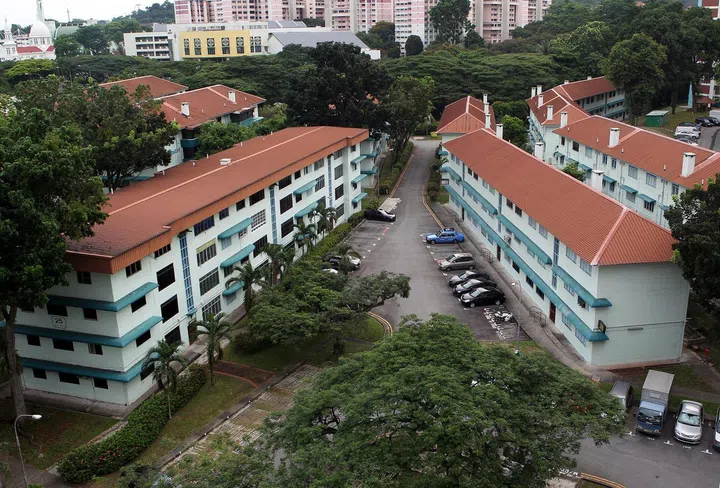
The former 25 Silat Walk, now site to Avenue South Residences condominium.
What is VERS?
Vers, which has yet to be rolled out, will allow owners of HDB flats aged 70 years and older to vote on whether the Government should buy back their homes before their leases run out. It is the proposed solution to lease decay – the erosion of a flat’s value as the end of its 99-year lease approaches.
Vers was first announced by then Prime Minister Lee Hsien Loong at the 2018 National Day Rally. He said then that Vers would allow the authorities to redevelop older HDB towns in an orderly way, paced over two to three decades rather than crammed into four or five years. On Aug 5, 2025, Mr Chee said the authorities aim to develop and flesh out the Vers framework in the current term of government. This includes setting parameters to identify sites under the scheme, working out a fair compensation package for Vers residents, and ensuring there are enough homes ready in time for them to relocate to.
How will VERS work?
Details of replacement flats for residents of Vers projects, such as lease options, have yet to be announced. The voting threshold for a Vers project to go ahead is also unknown at this point. In his interview, Mr Chee said that ideally, new flats for residents of Vers projects will be built not too far from their existing homes. On compensation, he noted there will be less financial upside to Vers, unlike Sers, as the flats will be older. He added that the scheme has to be fair to the current generation of flat owners and financially sustainable for future generations.
The existing precinct can then be redeveloped and used to build new homes for residents of a subsequent Vers project, he said.
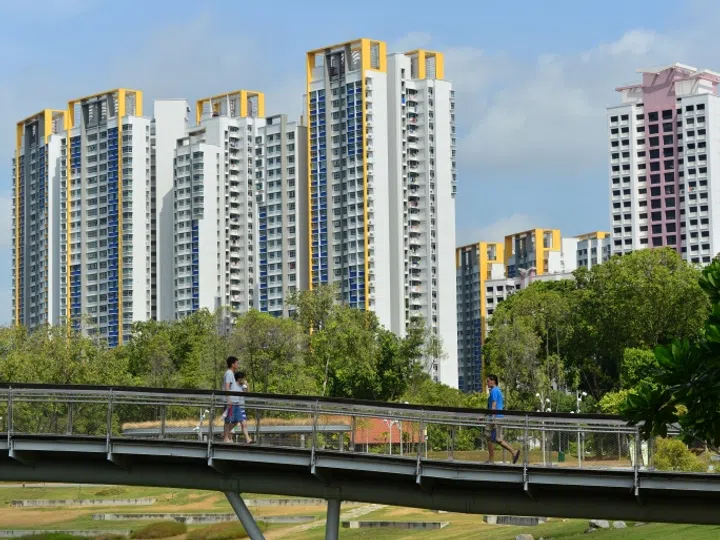
HDBs in Ang Mo Kio
VERS HDB Estates
Mr Chee pointed out that several older estates were rapidly built up in the 1970s and 1980s to meet the urgent housing demand then. Examples of towns built in this period include Ang Mo Kio, Bedok, Tampines and Yishun.
According to ERA Singapore, 356 blocks were built in Ang Mo Kio during this period, and about 39,600 new flats were sold by HDB then.
In Bedok, 419 blocks were completed, with about 47,000 new flats sold. In the 1980s, 494 blocks were built in Tampines and 487 blocks in Yishun. In each town, more than 40,000 new units were sold.
In addition, some of Singapore’s oldest flats on 99-year leases were completed as early as in 1962, making them 68 years old in 2030. These HDB flats are located in areas such as Tanjong Rhu, Tiong Bahru and Dakota.
When will VERS start?
The authorities will first seek Singaporeans’ views and feedback on Vers before rolling out the scheme to “a few selected sites” in the first half of the 2030s. Vers will progressively be scaled up by the late 2030s, with the aim of offering it to selected estates in different parts of Singapore, Mr Chee said.
This article was first published in The Straits Times.