
Singapore’s 6-Digit Postal Code: Surprising truths and colourful history!
Ever wondered what those six digits at the end of every Singapore address actually mean? You’ll know now.
By Kendra Tan -
Share this article
If you’re anything like me, you probably never gave Singapore’s six-digit postal codes much thought — until you needed to find your friend’s new house, order bubble tea to your doorstep, or track a parcel from halfway across the world.
But let me tell you: those six little numbers are a marvel of Singaporean efficiency, history, and even a bit of fun.
Let’s dive into the world of postal codes in Singapore — how they’re assigned, why they matter, and what makes our system uniquely “Singaporean.” I’ll even throw in some international comparisons and practical tips to make you a postal code pro.
Singapore’s postal codes are six digits long. The first two digits represent the postal sector (which roughly maps to a district), and the last four digits pinpoint the exact building or block.
Each address has its own unique code — no two buildings share the same number!
A Brief History: From Districts to Digital Precision
1950s – The Era of Two Digits
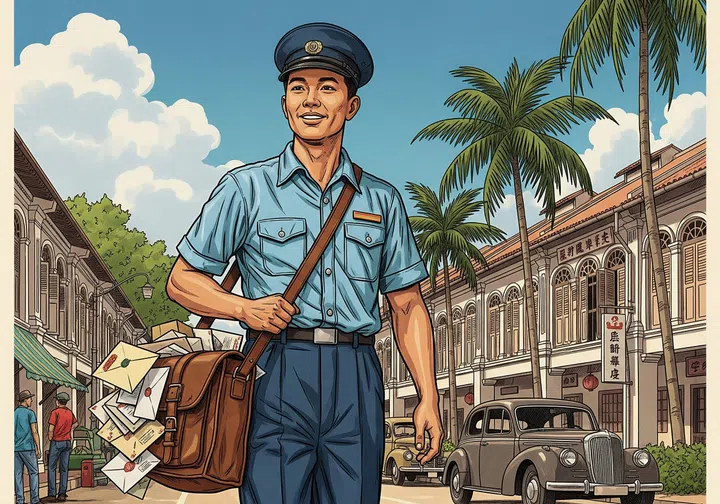
Let’s rewind to the 1950s. Back then, Singapore was carved into 28 postal districts. Addresses would end with “Singapore 15” (think Katong and Marine Parade), and that was enough for our postmen to get letters delivered.
This straightforward system worked well for a smaller, less densely populated Singapore, but everything was done manually.
1979 – The Four-Digit Upgrade
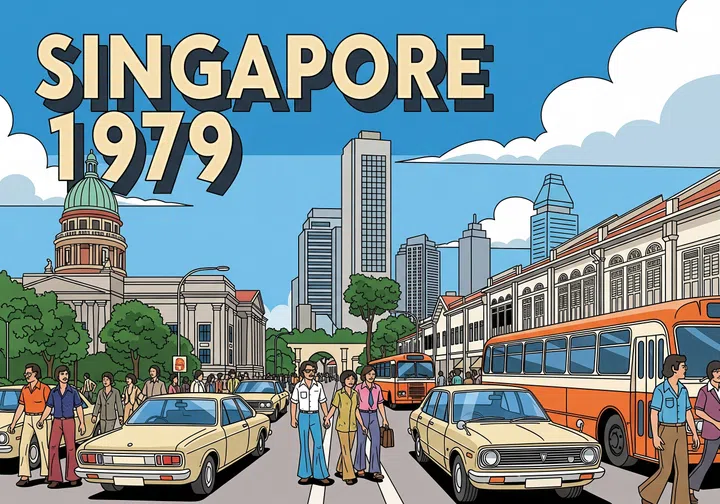
Fast forward to 1 July 1979: with the city growing and new neighbourhoods popping up, the postal system needed an upgrade. Enter the four-digit code. The first two digits still pointed to the district, but now the last two digits zoomed in on a specific sector within that district. This allowed for much more accurate sorting and paved the way for the first steps toward automating mail delivery.
1995 – The Six-Digit Revolution
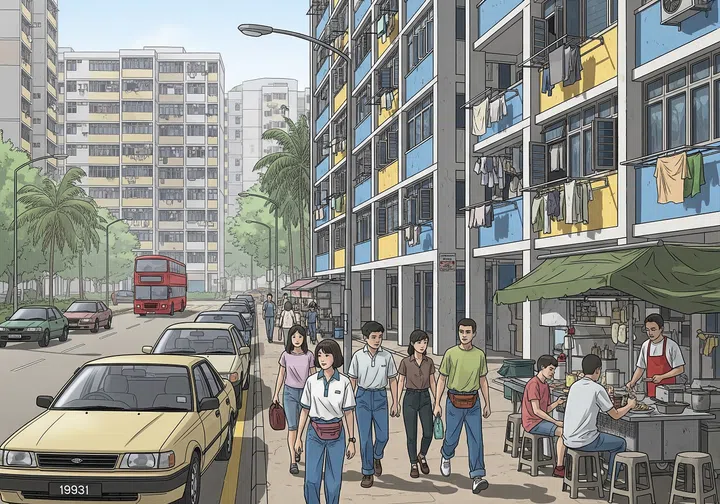
By the mid-90s, Singapore’s rapid development and soaring mail volumes demanded a smarter system. On 1 September 1995, SingPost rolled out the six-digit postal code we use today.
This leap forward meant:
- Every building gets its own code
- Manual mail sorting dropped from 48% to just 17%
- Over a million unique delivery points are now possible
The first two digits now identify the postal sector (building on the old system), while the remaining four digits pinpoint the exact delivery location — whether it’s an HDB block, a condo, or a commercial building.
Singapore Zip Code 6-Digit Meaning
Let’s break down what those numbers actually mean:
- First two digits: The postal sector (01–82), which aligns with specific areas or districts.
- Last four digits: The delivery point — usually the block number for HDBs, or a unique number for private homes and commercial buildings (assigned alphabetically by street name).
Let’s take the HDB postal code 521156, for example.
- First two digits (52): This tells you the postal sector. In this case, 52 is in the Tampines area.
- Last four digits (1156): This points to the specific delivery point, usually the block number for HDB flats. Here, 1156 refers to Block 156 in Tampines.
Here’s another example: Private Landed Property Postal Code
Let’s look at the postal code 569880.
- First two digits (56): This represents the postal sector. In this case, 56 covers the Bishan and Ang Mo Kio area.
- Last four digits (9880): For private landed homes, these four digits are assigned based on the alphabetical order of street names within that sector, not the house number. So, 9880 uniquely identifies a specific house along its street in sector 56.
So, 569880 = Sector 56 (Bishan/ Ang Mo Kio), a specific landed house assigned the code 9880 (not necessarily house number 80).
Unlike HDB blocks, the last four digits in private estates don’t usually match the house number — they’re assigned sequentially as new properties are built or as street names are added. This ensures that every landed home has its own unique postal code!
So, if you’re wondering, how are post codes assigned? or how are postal codes determined in Singapore? — now you know!
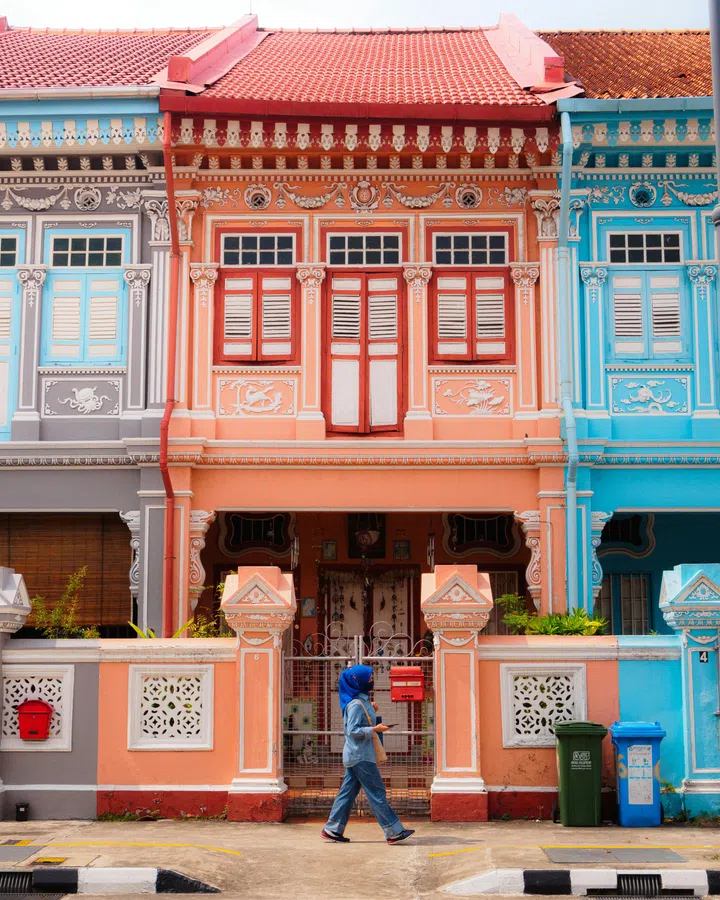
How are postal codes decided in Singapore?
When a new building — like a condo, landed house, or commercial property — is constructed in Singapore, it needs its own unique postal code.
- HDB blocks: The last four digits often match the block number.
- Private estates/commercial: Codes are assigned alphabetically by street name within each sector.
- New buildings: Get the next available number in the sequence.
Here’s how postal code assignment works in Singapore.
Within each postal sector (the first two digits), postal codes are assigned based on the alphabetical order of street names. For each street, postal codes for buildings are given out in sequence as new addresses are registered. If a new building appears on an existing street, it is assigned the next unused four-digit number in that sector’s sequence for that street.
Take for example - “Sunrise Avenue” in sector 56, the existing houses have postal codes ending in 9801, 9802, 9803, etc. If a new house is built or subdivided, it will get the next available number — say, 9804 — even if its house number is 12 or 14. The postal code’s last four digits don’t always match the house number, but they are unique within that sector and street.
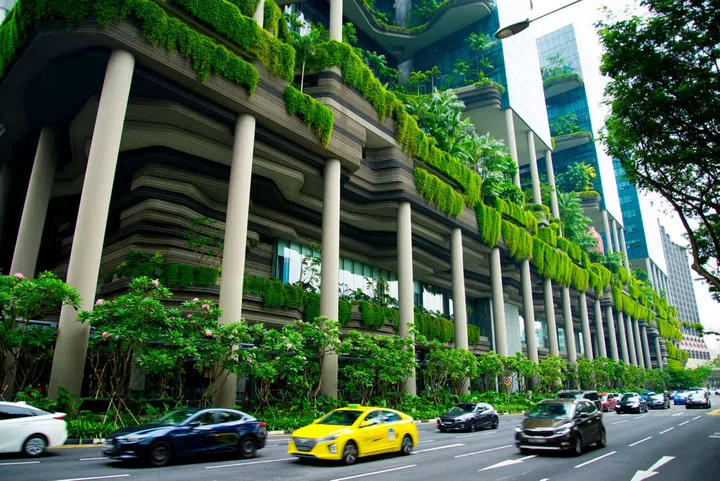
All 28 Singapore Districts (and postal sectors)
Even though we use six digits today, the old 28 districts are still famous in property ads and local lingo. Here’s a quick guide to every district and its postal code sectors (so you can finally settle that “Which district is Bukit Timah?” debate):
Central Core Singapore Postal Code
| District | Locations | Postal Code Numbers |
|---|---|---|
| District 1 | Boat Quay, Raffles Place, Marina | 01, 02, 03, 04, 05, 06 |
| District 2 | Chinatown, Tanjong Pagar | 07, 08 |
| District 3 | Queenstown, Tiong Bahru | 14, 15, 16 |
| District 4 | Harbourfront, Sentosa | 09, 10 |
| District 5 | Clementi, West Coast | 11, 12, 13 |
| District 6 | High Street, Beach Road | 17 |
| District 7 | Bugis, Golden Mile | 18, 19 |
| District 8 | Little India, Serangoon Road | 20, 21 |
| District 9 | Orchard, River Valley | 22, 23 |
| District 10 | Bukit Timah, Tanglin, Holland | 24, 25, 26, 27 |
| District 11 | Newton, Novena, Thomson | 28, 29, 30 |
Rest of Central Region (RCR) Postal Code
| District | Locations | Postal Code Numbers |
|---|---|---|
| District 12 | Balestier, Toa Payoh | 31, 32, 33 |
| District 13 | Potong Pasir, Macpherson | 34, 35, 36, 37 |
| District 14 | Geylang, Paya Lebar, Eunos | 38, 39, 40, 41 |
| District 15 | Katong, Marine Parade, Joo Chiat | 42, 43, 44, 45 |
| District 16 | Bedok, Bayshore | 46, 47, 48 |
| District 17 | Changi, Loyang | 49, 50, 81 |
| District 18 | Tampines, Pasir Ris | 51, 52 |
| District 19 | Hougang, Sengkang, Serangoon Gardens | 53, 54, 55, 82 |
| District 20 | Ang Mo Kio, Bishan, Thomson | 56, 57 |
| District 21 | Upper Bukit Timah, Clementi Park | 58, 59 |
West, North, and East Postal Code
| District | Locations | Postal Code Numbers |
|---|---|---|
| District 22 | Jurong, Tuas, Boon Lay | 60, 61, 62, 63, 64 |
| District 23 | Bukit Batok, Choa Chu Kang | 65, 66, 67, 68 |
| District 24 | Lim Chu Kang, Tengah | 69, 70, 71 |
| District 25 | Woodlands, Kranji | 72, 73 |
| District 26 | Upper Thomson, Tagore | 77, 78 |
| District 27 | Yishun, Sembawang | 75, 76 |
| District 28 | Seletar, Yio Chu Kang | 79, 80 |
If you want a full “singapore postal code list excel” or a “postal code singapore map,” Click here!
Find Address Using Postal Code
Ever searched “what is the postal code for my location?” or “find address using postal code” when you have to book a Grab or Gojek? Here’s how:
Go to SingPost’s Postal Code Finder. Enter your address. You will get the exact match postal code — down to the building! No more guessing or sending your Grab driver on a wild goose chase.

How Does Singapore Compare To Overseas?
- US ZIP Code: 5 digits; covers towns or neighbourhoods. Santa Claus gets his own: 12345!
- Canada: 6 characters (letters & numbers). Santa’s code? H0H 0H0. (Ho Ho Ho!)
- UK: Alphanumeric; pinpoints a few houses or a building.
- Japan: 7 digits; based on administrative units, not street names.
- Johor Bahru, Malaysia: 5 digits; state > area > district.
- Hong Kong: No official postal code! (But China Post uses postal code 999077 to send mail from China to Hong Kong)
Why I’m a Postal Code Convert
I used to scribble those six digits without a second thought. Now, I see them as a symbol of Singapore’s obsession with precision, order, and planning ahead.
Whether you’re a property agent, a food delivery fan, or just someone who loves a good system, Singapore’s postal codes are a mini-miracle hiding in plain sight.
So the next time you fill in your address, take a second to appreciate those numbers — they’re a tiny map, a slice of history, and a badge of neighbourhood pride, all rolled into one.