
Share this article
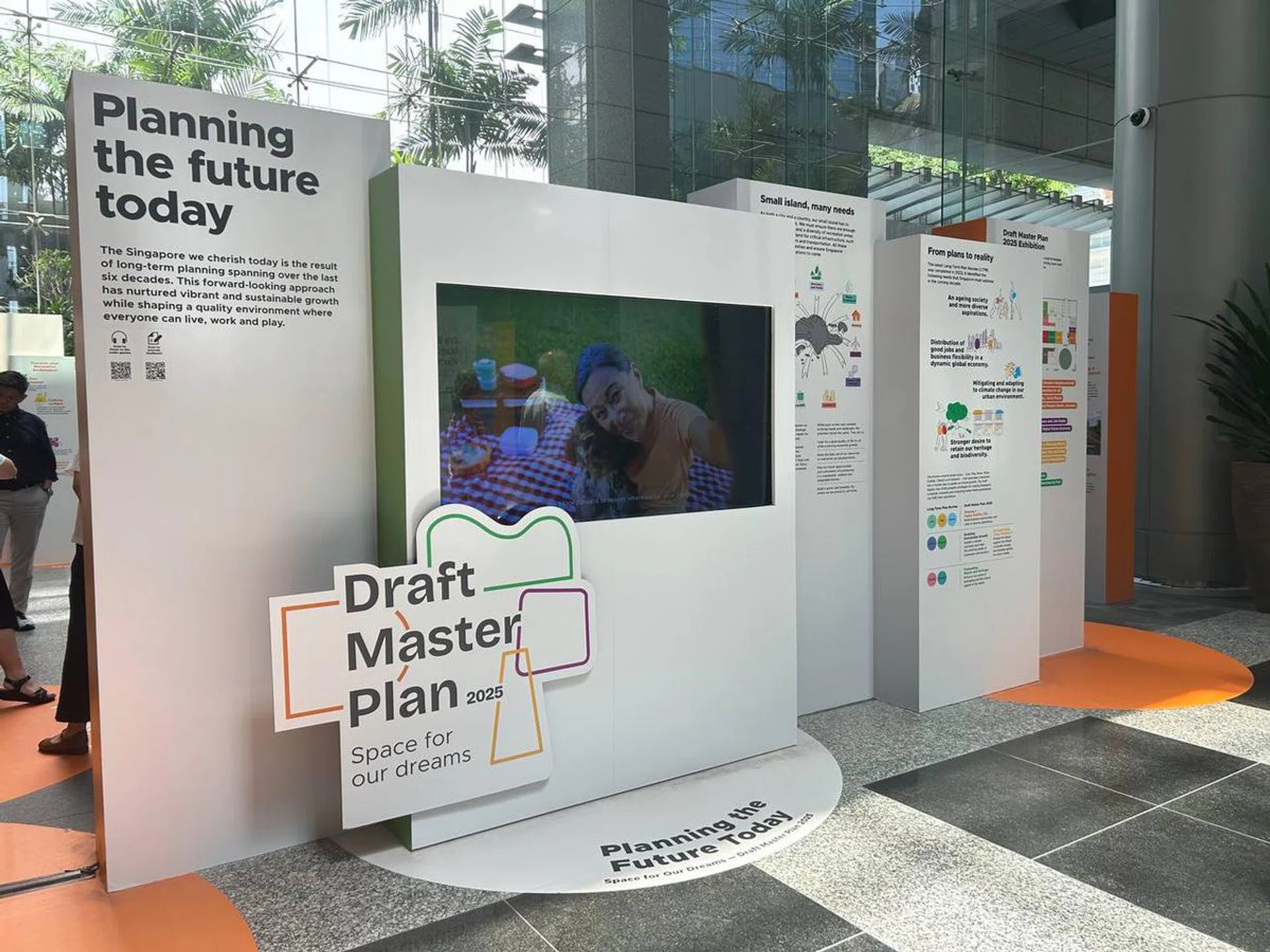
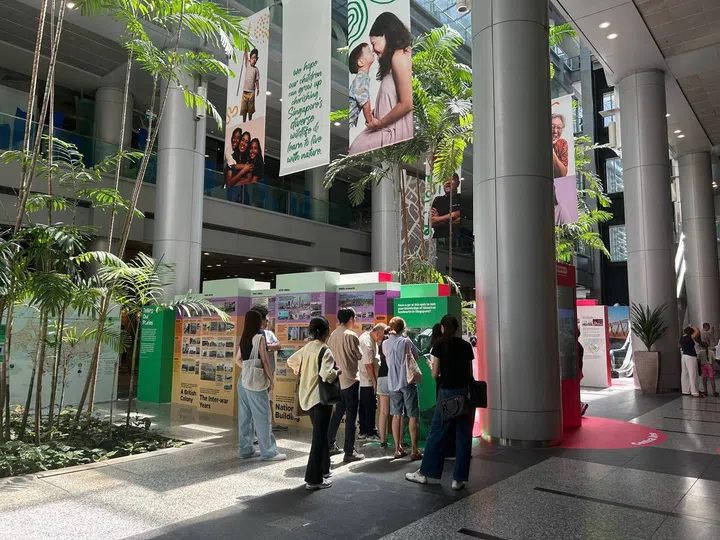
From 25 June to 29 November 2025, the Urban Redevelopment Authority (URA) is holding an exhibition on the Draft Master Plan 2025 at The URA Centre (45 Maxwell Road). This plan sets out Singapore’s land use strategy for the next 10 to 15 years: where new homes will be built, how green spaces will expand, where jobs might cluster, and what kind of developments could be coming to your neighbourhood by 2040.
Address: The URA Centre, 45 Maxwell Road
Duration: 25 June to 29 November 2025
Opening Hours: Mon - Fri 8:30am - 6:30pm, Sat 9am - 5pm
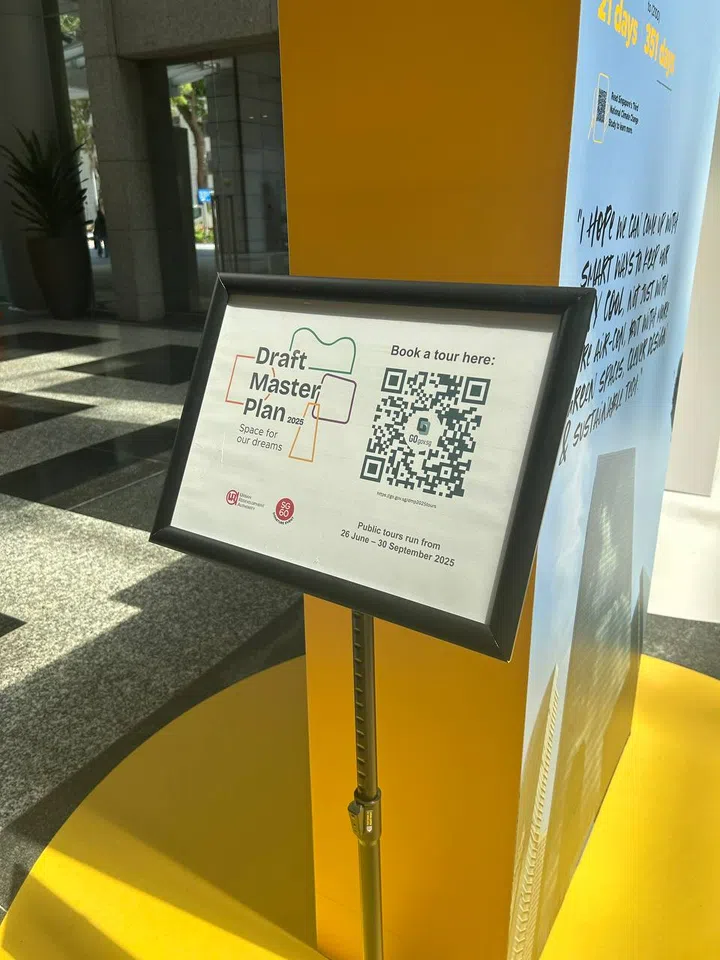
Free tours for the exhibit are available for booking at the URA Centre.
Why should I go?
Because these plans will shape the spaces we live, work, and unwind in. Whether it’s a new park connector, a future MRT line, or a change in land use near your estate, these updates could impact your daily life, and may be very useful info to keep track of if you’re making long term decisions.
What can I do?
You can browse the Draft Master Plan online or in-person, and actually submit your thoughts. Suggestions, comments, feedback — URA promises they don’t go straight into a digital black hole.
Here’s a quick rundown of the updates, grouped by region: I’ve focused on the most relevant changes for existing residents, like new amenities and housing estates, skipping over the new tree planting and historical significance of places you’ve never heard of.
If you want the full play-by-play, visit the exhibition - it closes on 29 November 2025!
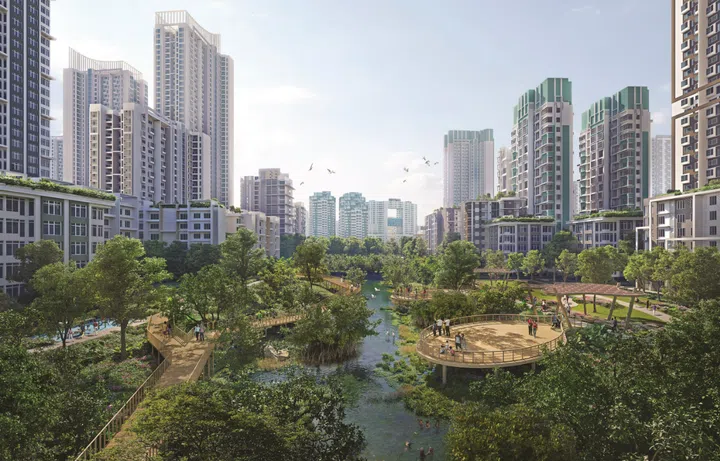
Artist’s impression of future housing and recreational spaces at the former Keppel Golf Course for illustrative purposes only.
Central Region
The Central Region includes the Greater Southern Waterfront, Kallang Alive precinct, the former Bukit Timah Turf Club site, Bishan sub-regional centre, Greater one-north, and such, which is a great chunk of land and would therefore have the most updates.
In summary, the region will have a wider range of housing options close to public transport, amenities, greenery, and heritage preservation efforts.
Some quick updates:
- With port activities shifting to Tuas, around 1,000 hectares of prime land and 30km of coastline are being freed up for future development.
- The former Keppel Golf Course, for example, will make way for about 9,000 new public and private homes as part of the Greater Southern Waterfront.
- More housing is also planned at Keppel Terminal and Distripark, and a new park is on the cards at the Pasir Panjang Power District.
Here are some of the key developments in a little more detail.
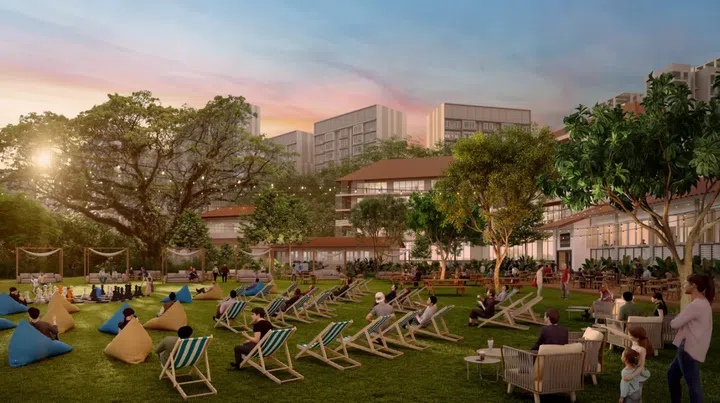
Artist impression of Bukit Timah Turf City.
Bukit Timah Turf City
Bukit Timah is typically known for private housing and landed estates, but that could soon change.
Notably, the former home of Singapore’s second racecourse—established in 1842 by the Singapore Sporting Club (for horses, not cars)—will be transformed into a new housing estate. This will support plans to introduce 15,000 to 20,000 public and private homes with strong public transport links.
In fact, BTO flats will be launched in Bukit Timah for the first time in nearly 40 years. This shift toward a more diverse housing mix will also bring better amenities and connectivity to the area.
Planned amenities for future residents include:
- Turf City MRT station
- Bus interchange
- Retail options at the two conserved Grandstands
- Food and beverage outlets
- Healthcare and sports facilities
- A school
- Green spaces
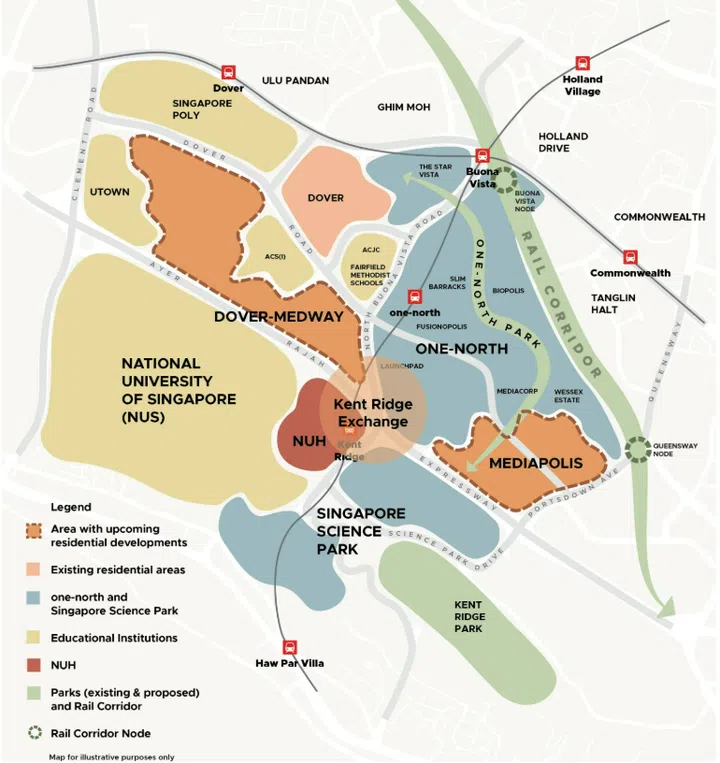
Proposed map for Greater one-north
Greater One-North
After gathering public feedback, URA found that many Singaporeans want to live closer to one-north, and to have better transport connections and more shared community spaces. These insights have shaped the Greater one-north plan.
Upcoming residential developments will be located in and around Dover-Medway, Mediapolis, and NUS. Currently, there are only a handful of condominiums in the one-north area—such as One-North Residences, The Rochester, and Normanton Park. New homes will help make the area more accessible to a wider group of residents, especially those working or studying nearby.
There will also be a new nexus at Kent Ridge Exchange, with developments targeting Geneo and Lynden Woods at the Singapore Science Park, and redevelopments to National University Hospital (NUH).
Other planned community areas include:
- Mediapolis Community Area
- Yusof Ishak House
- Train Pod @ one-north
- Rochester 7 (the colonial-era bungalows at Rochester Park)
- Blk 69 Ayer Rajah Crescent
- Public Art Installations at Wessek estate
Kallang Alive
Kallang Alive is still in the planning stages, but its future direction is guided by a few big ideas: shaping a vibrant, inclusive precinct that supports everyday life—not just big-ticket events.
The goals include:
- Integrated and seamless connectivity (with active mobility in mind)
- Greater access to the waterfront
- Car-lite, walkable environments
- Community spaces that are open and welcoming to all
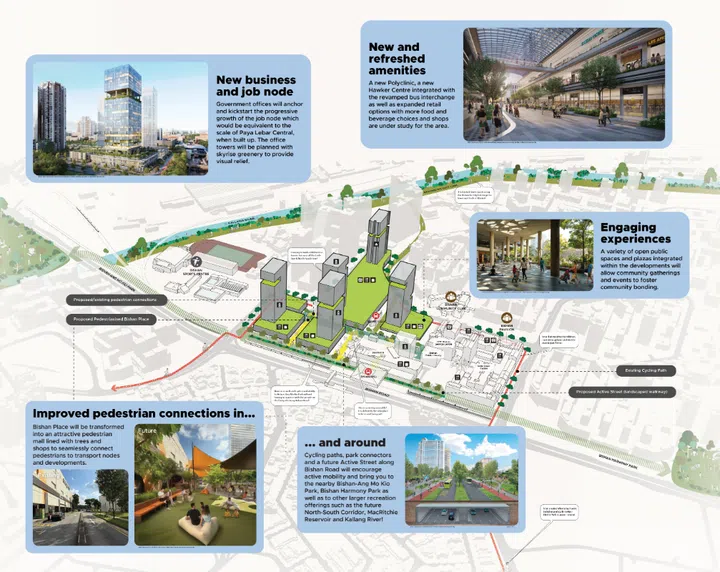
Plans for Bishan 2.0
Bishan 2.0
Bishan Town Centre seems to be largely in a planning and ideation phase for now, with limited concrete information available online. The broad vision is to transform it into a new employment node integrated with community spaces. Plans include better connectivity, pedestrianised streets, community plazas, and a greener, more people-friendly environment through the rejuvenation of the current town centre.
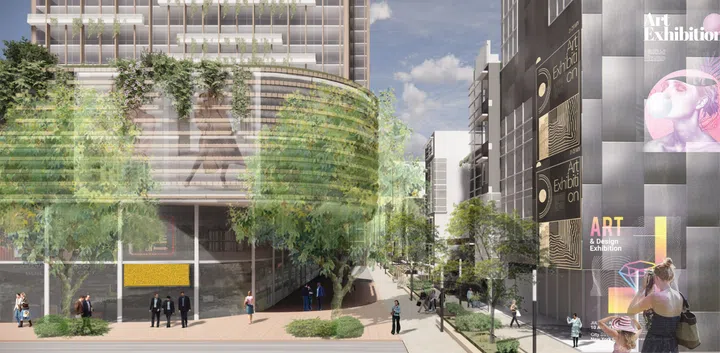
Artist's impression of new Paya Lebar Air Base town
East Region
In the east, the old and established are being refurbished, while untapped areas are finally being explored. Let’s start with the most exciting:
Paya Lebar Air Base
A site rich in aviation history, Paya Lebar Airport officially opened on 20 August 1955 as Singapore’s second civilian airport. It was converted into Paya Lebar Air Base after the opening of Changi Airport in 1981.
From the 2030s onwards, the Paya Lebar Air Base (PLAB) will make way for a new town in the east of Singapore. It’s currently still largely conceptual, but based on illustrated ideas from Singapore Institute of Architects (SIA), Singapore Institute of Planners (SIP), and National University of Singapore (NUS), the area seems to be intended to function as a core node in the east.
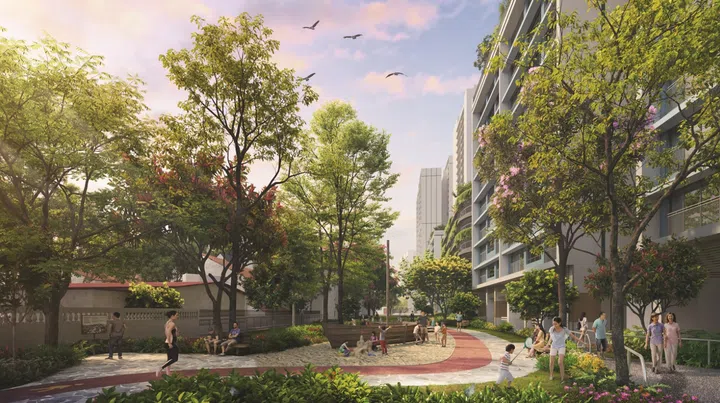
Artist's impression of a new HDB town in Pasir Ris.
Bayshore, Tampines North & South, Sungei Loyang
The three mature towns (Bedok, Tampines, and Pasir Ris) may be current staples of the east, but there are new up and coming towns that are in plan! Bayshore (who saw its first BTO project launched just in 2024), Tampines North and South are seeing exciting developments, with more transport hubs, schools, parks and amenities in store.
There are also new homes being planned by Sungei Loyang, though that may be a long while away.
Of course, what’s the point of living there if it’s so inaccessible? (No offense to any Easties.) Well, it won’t be in the middle of nowhere for much longer. New MRT stations across the Downtown Line, Thomson-East Coast Line, and Cross Island Line aim to shorten these arduous journeys to the central region and the north in under half an hour.
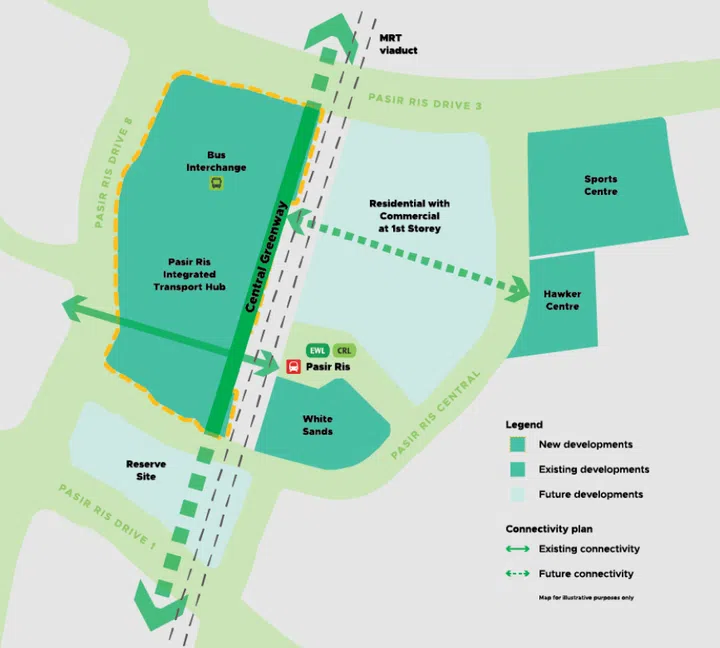
Map of proposed connectivity plans in the east.
Community connections and green spaces
80 kilometres of new green spines will better link the existing Tampines Boulevard Park, Pasir Ris Town Park, Tampines Eco Green, Bedok Reservoir Park and East Coast Park.
URA is also planning to repurpose older infrastructure, such as the Tanah Merah Viaduct, Changi Depot train shed, and Changi Point.
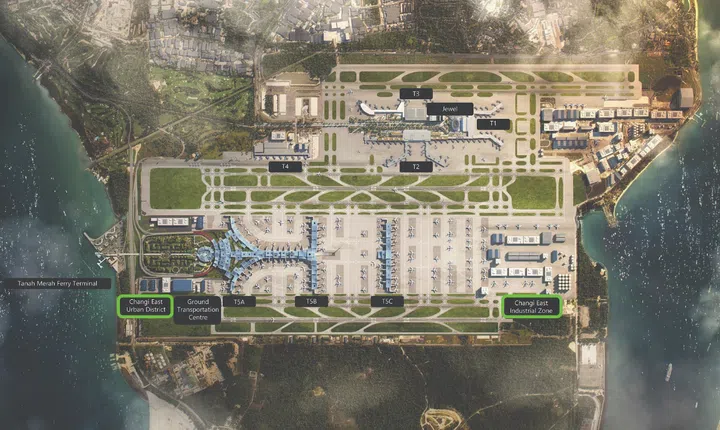
Changi Airport Terminal 5 plan.
Changi Airport Terminal 5
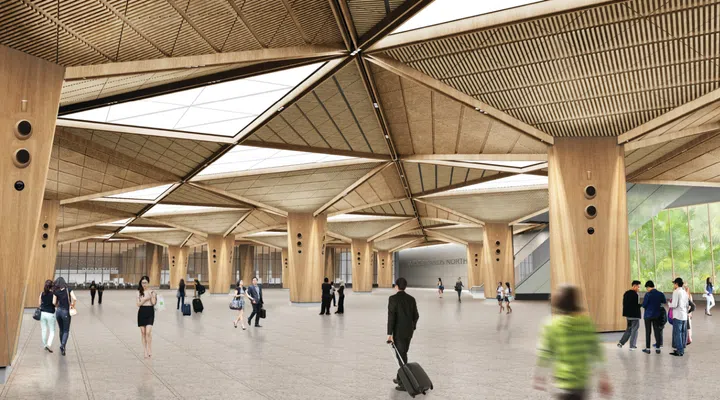
The much-anticipated Terminal 5 is expected to open in the mid-2030s, and it’s more than just an airport terminal. There’ll also be a dedicated ground transportation centre for vehicles, and plans to expand transport to potential for seamless air-sea transfers, meaning you can hop right off your cruise and onto another holiday.
Nearby, Changi Business Park and Tampines Regional Centre are also set to benefit from improved transport and infrastructure upgrades, fulfilling URA’s motto to live, work, play!
JB-SG RTS Link, targeted to be ready by end-2026.
North Region
Look forward to more facilities in the North! From new sports, healthcare, senior care, childcare and community facilities to more food options, there will be something for everyone.
Plans are also being made to integrate green and blue spaces, such as through the Kranji Nature Corridor, Mandai Mangrove and Mudflat Nature Park, and the naturalisation of Sungei Mandai.
Singapore’s biggest floating solar farm is about to hit the water (literally). Plans are in motion for a massive 112.5 MWac (141 MWp) photovoltaic farm at Kranji Reservoir. That’s a whole lot of clean energy quietly soaking up the sun while bobbing on water. It’s part of the push toward net-zero emissions by 2050 under the Singapore Green Plan 2030. The future’s looking bright (and low-carbon).
Up north, some of Singapore’s oldest industrial estates are getting a 21st-century facelift. Sungei Kadut is transforming into an Eco-District, welcoming buzzy new industries like agri-tech, environmental tech, and advanced building systems. Next door, Gali Batu Industrial Estate is adding an Integrated Construction and Prefab Hub (ICPH) (basically a mega-efficient Lego factory for buildings) plus other construction-related activities. It’s all about making things smarter, greener, and faster.
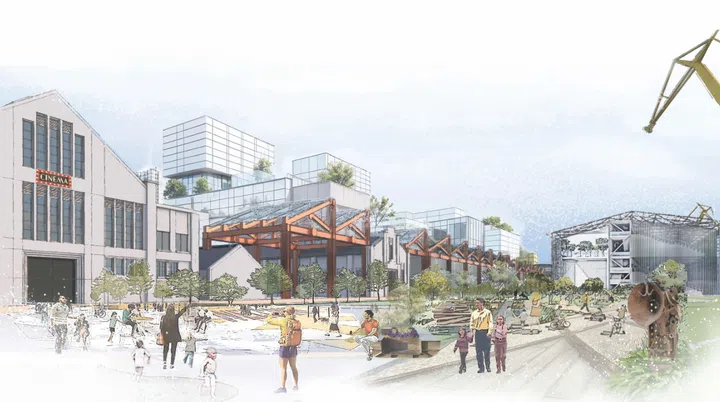
Scheme for the Waterfront Heritage Arboretum for a Resilient Future (W.H.A.R.F)
Sembawang Shipyard
As operations in the current Sembawang Shipyard wind down in 2028, the area is set for transformation into a mixed used waterfront district. First established by the British in 1938, the shipyard played a key role in shaping Singapore’s maritime legacy.
The Singapore Institute of Architects (SIA) and Singapore Institute of Planners (SIP) have both floated their own visions for what this area could become (scroll down to see their proposals).
Nothing’s set in stone yet, but URA has hinted at capitalising on the shipyard’s coastal location — think vibrant public spaces, boardwalks by the water, and adaptive reuse of heritage structures. The goal right now is to creatively integrate unique structures of special significance to Singapore’s maritime past with new developments to create a vibrant live, work and play district with unique spaces for businesses.
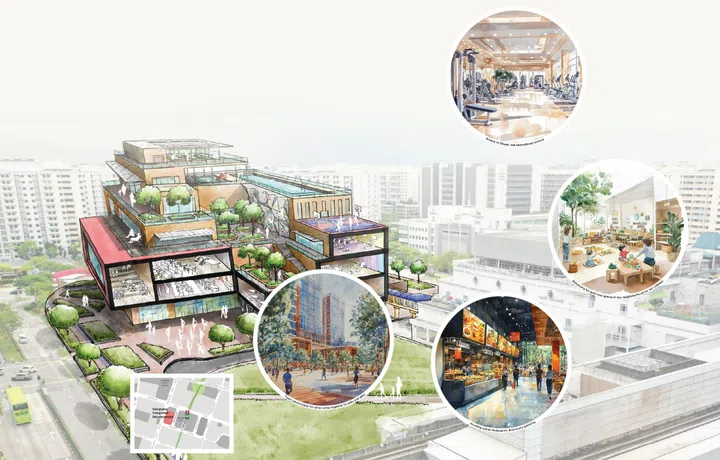
Sengkang Town Centre illustration.
North-East Region
Sengkang’s about to get a serious glow-up. A new integrated community hub in Sengkang Town Centre is in the works, promising to pack healthcare, retail, sports and rec into one convenient, MRT-connected hotspot. If it’s anything like the Sengkang Grand Mall (which dropped in 2023 with a hawker centre, community club, childcare, and even a bus interchange) it’ll be a welcome upgrade.
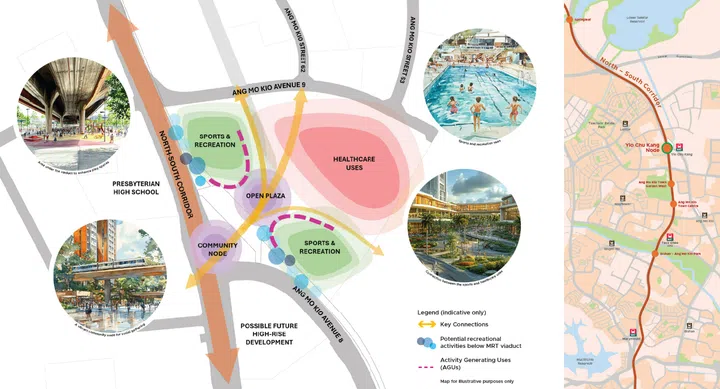
Plans for new node around Yio Chu Kang.
Yio Chu Kang
The current Yio Chu Kang Sports Centre could also be redeveloped into a new destination node around Yio Chu Kang MRT Station that brings together sporting, wellness and healthcare uses. This refreshing addition to the area could connect to new transport facilities and cycling routes within the North-East region. Spin class, flu jab, and ride home easily.
Connectivity’s also on the rise with the Cross Island Line (CRL) Phase 1 bringing new stations to Defu, Hougang, Serangoon North and Pasir Ris. Expect smoother east-west access and faster trips to parks like Bishan-Ang Mo Kio Park. The Punggol Extension, due 2032, will shrink commutes between Punggol, Sengkang, and Tampines North to under 20 minutes (currently a 30 to 45 minute journey).
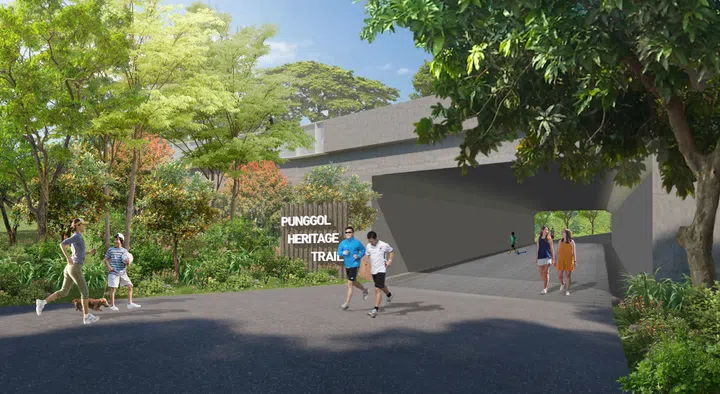
Artist's impression of the Punggol Heritage Trail.
Punggol
Punggol’s leaning into its heritage too. The upcoming Punggol Heritage Trail, opening progressively from end-2025, is a 1.3km green corridor running along the old Punggol Road. Expect conserved trees, hilly terrain, and kid-friendly play areas, with connections to Punggol Digital District, Punggol Waterway Park, and Punggol Promenade.
And of course, there’s Punggol Digital District (PDD) — smart, sleek, and packed with amenities. You’ll find:
- Campus Boulevard: an 800m tree-lined spine across the district
- Market Village: dining and leisure with coastal views
- Community must-haves: a hawker centre (700 seats), a community club, and childcare for 1,000 kids
Basically, PDD is shaping up to be equal parts lifestyle, liveability and LinkedIn-ready.
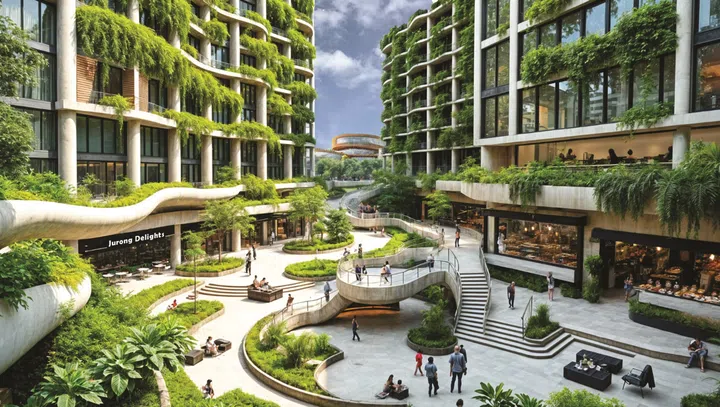
Winner of the Open Category for the JTC and URA jointly launched ideas competition for the former Jurong Bird Park, Jurong Hill and The Village.
West Region
The West is not playing around. Big moves are coming with the Jurong Region Line, Cross Island Line, and more Downtown/North-South Line stations filling in the gaps—making it easier to get around without spending half your day on buses.
Clementi
Sporty types, take note: Clementi Stadium and the old West Coast Recreation Centre will be redeveloped by 2030, with shiny new fields for baseball and softball, a track, and other community sports facilities.
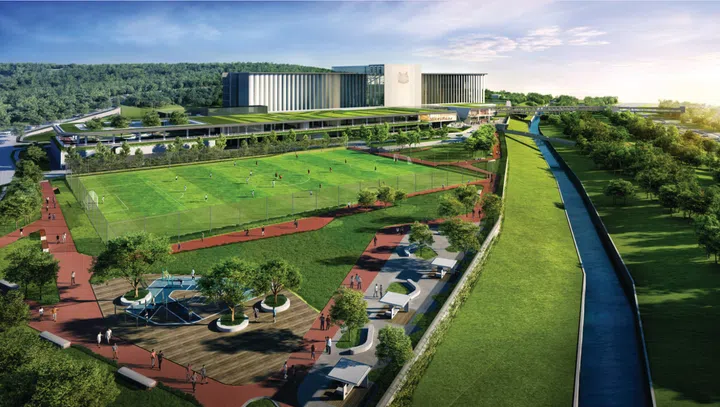
Artist's impression of the new CMPB in Bukit Gombak.
Bukit Gombak
Bukit Gombak is getting a next-gen Central Manpower Base—but don’t worry, it’s not just for enlistees. The new CMPB will double as a lifestyle spot, with a football field, fitness station, running trail, food court, and childcare centre.
Yew Tee
And over in Yew Tee, seniors are getting a major quality-of-life upgrade with The Heart of Yew Tee, a new integrated housing development opening in 2027. Expect silver-friendly flats alongside a hawker centre, polyclinic, shops, community club, and a plaza to keep the vibes lively.
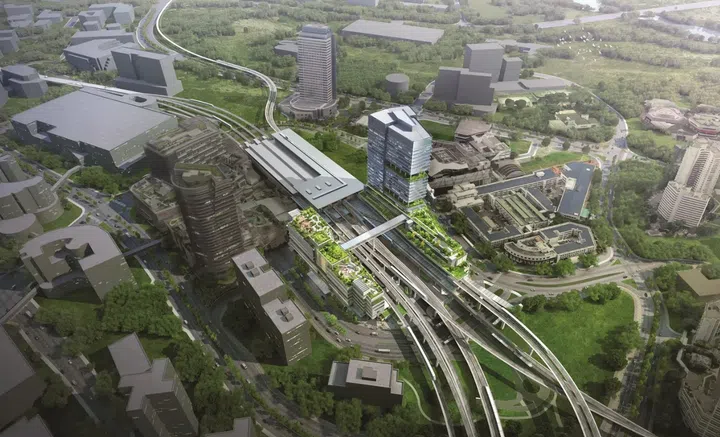
Artist’s impression of Jurong Gateway Hub.
Jurong Region Line (JRL)
Jurong Region Line (JRL) is the star of the show, rolling out in stages from 2027 to 2029. Once up and running, it’ll link heavy-hitters like Jurong Lake District, NTU, Jurong Innovation District, and the Jurong Industrial Estate, providing a major boost for students, workers and everyone in between. Bonus: 60,000 more households will be within a 10-minute stroll to an MRT station. That’s a lot of people spared from the shuttle bus life.
Cross Island Line (CRL)
Overlapping but not redundant, the Cross Island Line (CRL) is making moves too. Phase 2 (by 2032) will drop four new stations: Maju, Clementi, West Coast, and Jurong Lake District. When the line extends to Changi Airport Terminal 5, Jurong will be just one ride away from your next holiday. Phase 3 is still in the brainstorming stage, but could push the CRL even further west.
North-South Line
Meanwhile, the North-South Line gets a little love with a new infill station (NS3A) between Choa Chu Kang and Bukit Gombak, expected by 2034.
Downtown Line 2
And Downtown Line 2 isn’t being left behind. Two new stations will extend it from Bukit Panjang MRT to somewhere between Yew Tee and Kranji, plugging another gap in the north-west.
Tengah Line
Feasibility studies are underway for a new Tengah Line to serve areas such as Tengah, Bukit Batok, Queensway and Bukit Merah, so don’t hold your breath, but you can tell your future grandchildren that you witnessed the thrilling days when public transport planning was still just paperwork.
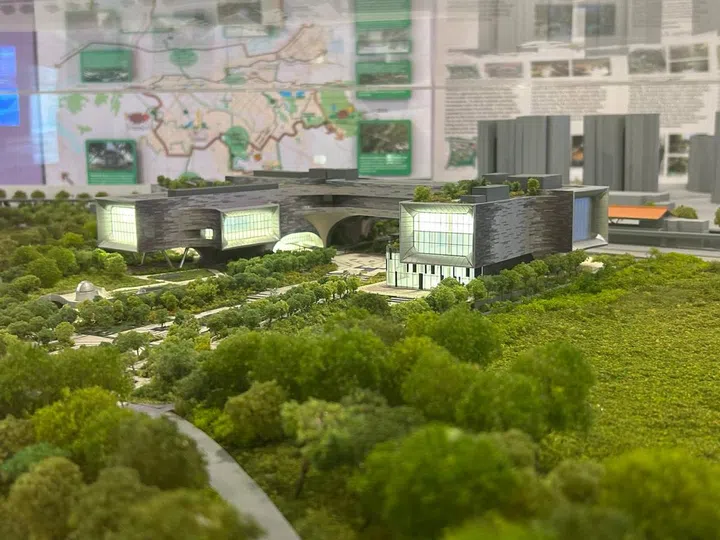
Miniature model of the new Science Centre at Jurong Lake District.
Jurong
A public design competition invited fresh ideas to transform the 39-hectare Jurong Bird Park & Jurong Hill site into a lively mixed-use precinct while respecting its industrial and recreational heritage.
You can check out the winners on URA’s site, but here’s the gist: most proposals aim to blend industrial uses—think high-rise factories, R&D labs, and startup incubators—with lifestyle perks like shops, cafes, arts and culture spaces, and community event areas. Many drew inspiration from the site’s natural greenery and water features, imagining a wellness-focused oasis right inside this industrial zone.
Moving forward, agencies will sift through these ideas (and future public feedback) to craft design guidelines that will steer the site’s redevelopment.
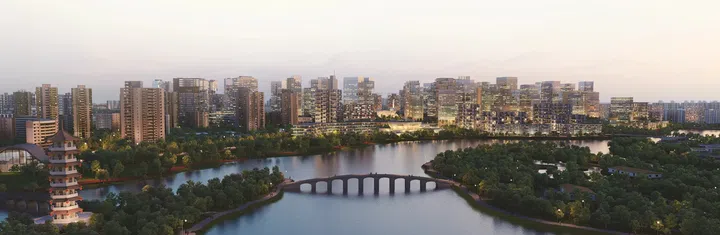
Artist's impression of Jurong Lake District.
Jurong Lake District
Jurong Lake District (JLD) is aiming for net-zero emissions in all new developments by 2045—five years ahead of Singapore’s national target. How? By cutting energy use, boosting efficiency, lowering carbon output, and encouraging innovative partnerships.
The Jurong Innovation District will be a tech playground featuring an 11-kilometre “Sky Corridor” connecting buildings, plus a high-tech underground logistics network designed to speed up freight movement and cut traffic jams above ground.
Tuas Port will also link seamlessly with Jurong Lake District, Jurong Innovation District, and the nearby industrial estates, creating a tight-knit ecosystem. Businesses here can tap into global shipping routes and smooth supply chains, making trade flow faster and smarter.
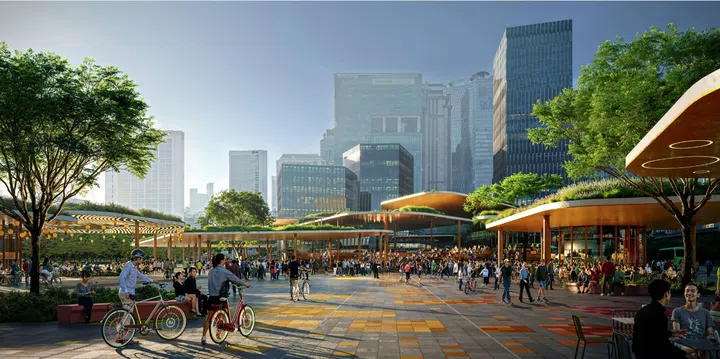
Artist's impression of a future Central Business District.
Central Area
Last but definitely not least, let’s talk about the Central Area (not to be confused with the much bigger Central Region). I’ll focus only on future residential spots — covering all the other upgrades here would be like pouring water into the ocean. Too much to handle, and mostly stuff already sort of happening.
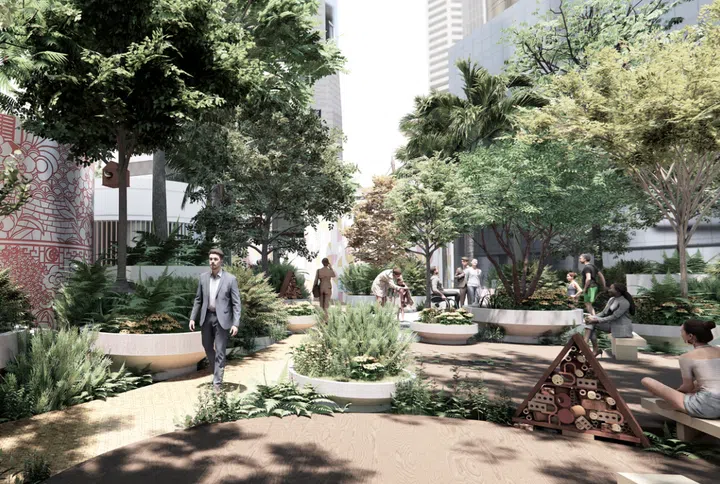
Raffles Place Park, a signature public space will be revamped with varied gathering spaces and a new event plaza to allow more community events to be held in the CBD.
Marina South
Marina South is gearing up for over 10,000 new homes, with residents enjoying easy access to two MRT stations and daily amenities, all within a comfy 10-minute walk. Bonus: Gardens by the Bay and Marina Coastal Park are just a breezy stroll away via a scenic elevated bridge.
Pearl’s Hill
Pearl’s Hill gets a facelift with around 6,000 new homes at its foothills, plus a mixed-use development atop Outram Park MRT. Expect a harmonious mix of public and private housing nestled amid greenery and communal spaces.
Newton
A fresh, leafy urban village is set to rise near Newton MRT Interchange, blending heritage, identity, and 5,000 new homes around Newton Circus, Scotts Road, and Monk’s Hill. Well-connected by public transport and parks, Newton is poised to become a standout spot along the Inner Ring Identity Corridor.
Paterson
Right by Orchard Road, Paterson will emerge as a new mixed-use neighborhood boasting unbeatable access to lifestyle hotspots, amenities, and transit hubs.
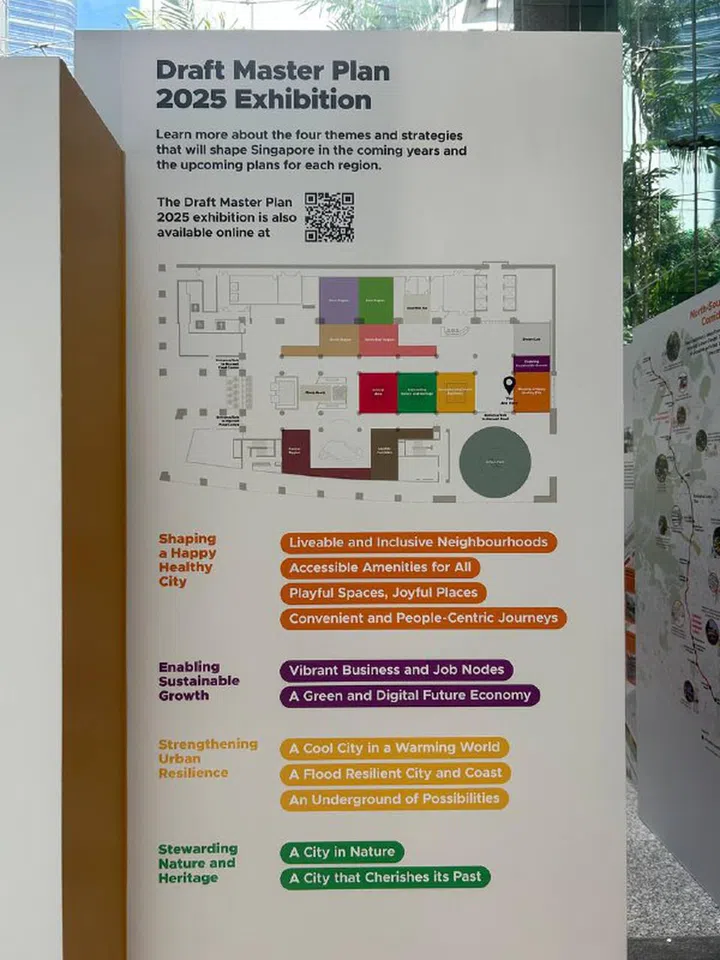
Map of the Draft Master Plan 2025 Exhibition.
How does URA decide all of this?
If you’re wondering how these grand plans come to life, URA breaks it down into four guiding themes shaped by Singapore’s Long-Term Plan pillars:
- Shaping a Happy, Healthy City
- Enabling Sustainable Growth
- Stewarding Nature and Heritage
- Strengthening Urban Resilience
Each theme dives deep into what makes a city livable, sustainable, and future-ready. There’s a lot more to explore, so feel free to dig into the details on the URA website if you want to get nerdy about city planning.
And that’s your quick guide to the Draft Master Plan 2025! Whether you’re a homeowner, renter, or just someone who likes knowing what’s coming next, keeping an eye on these plans is like having a sneak peek into Singapore’s future neighbourhoods.