
Share this article
Despite their minuscule dimensions, high prices and bad press, shoebox apartments units are still selling, even in the suburbs. Who’s snapping up these Mickey Mouse-sized condo apartments, and why?
It’s a property phenomenon that has drawn criticism and even a warning from the Government that it may intervene in the event of an excessive build-up. Yet, shoebox condo units – defined as homes under 500 sq ft (46 sqm) – continue to attract cheque-waving investors in droves.
Size of a 2-room flexi BTO
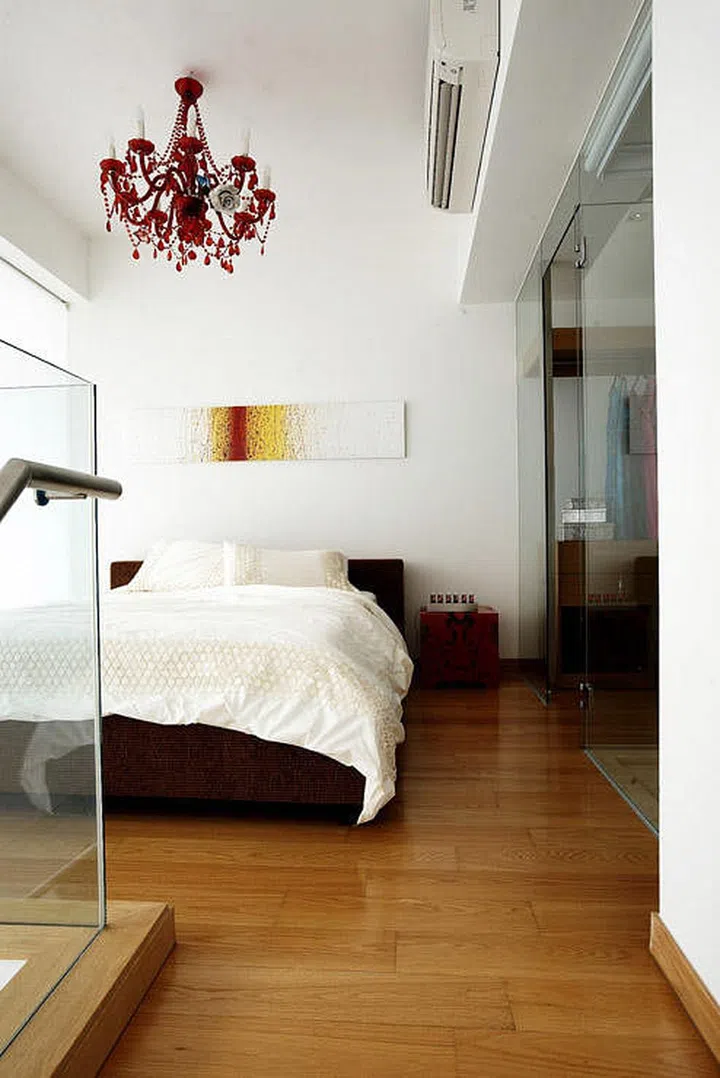
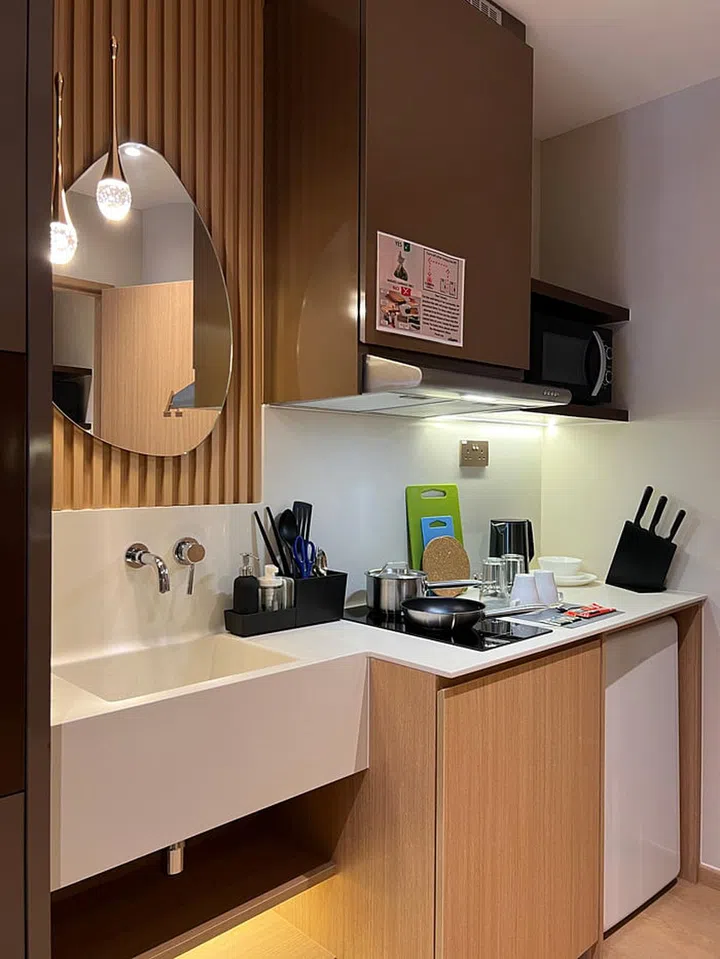
Just to put the size of these shoebox condo apartments in context - a 2-room Flexi BTO measures 25 sqm to 47 sqm! So, a shoebox condo is the size of a 2-room Flexi BTO flat!
Shoebox Condo History in Singapore
Shoebox condo units may seem to be the new “in” thing, but they’ve actually been in existence in Singapore since the 1970s; People’s Park Complex houses one of the earliest Mickey Mouse-sized shoebox condo apartments at just 409 sq ft (37 sqm).
In Tanjong Pagar, Balestier
For years, owners of residential units in Central Business District (CBD) areas such as International Plaza and city-fringe private apartments in Balestier also created their own (albeit illegal) shoebox units by subdividing large condo apartments. These are then leased as mini condo apartments, each complete with a toilet and kitchenette.
Gained popularity
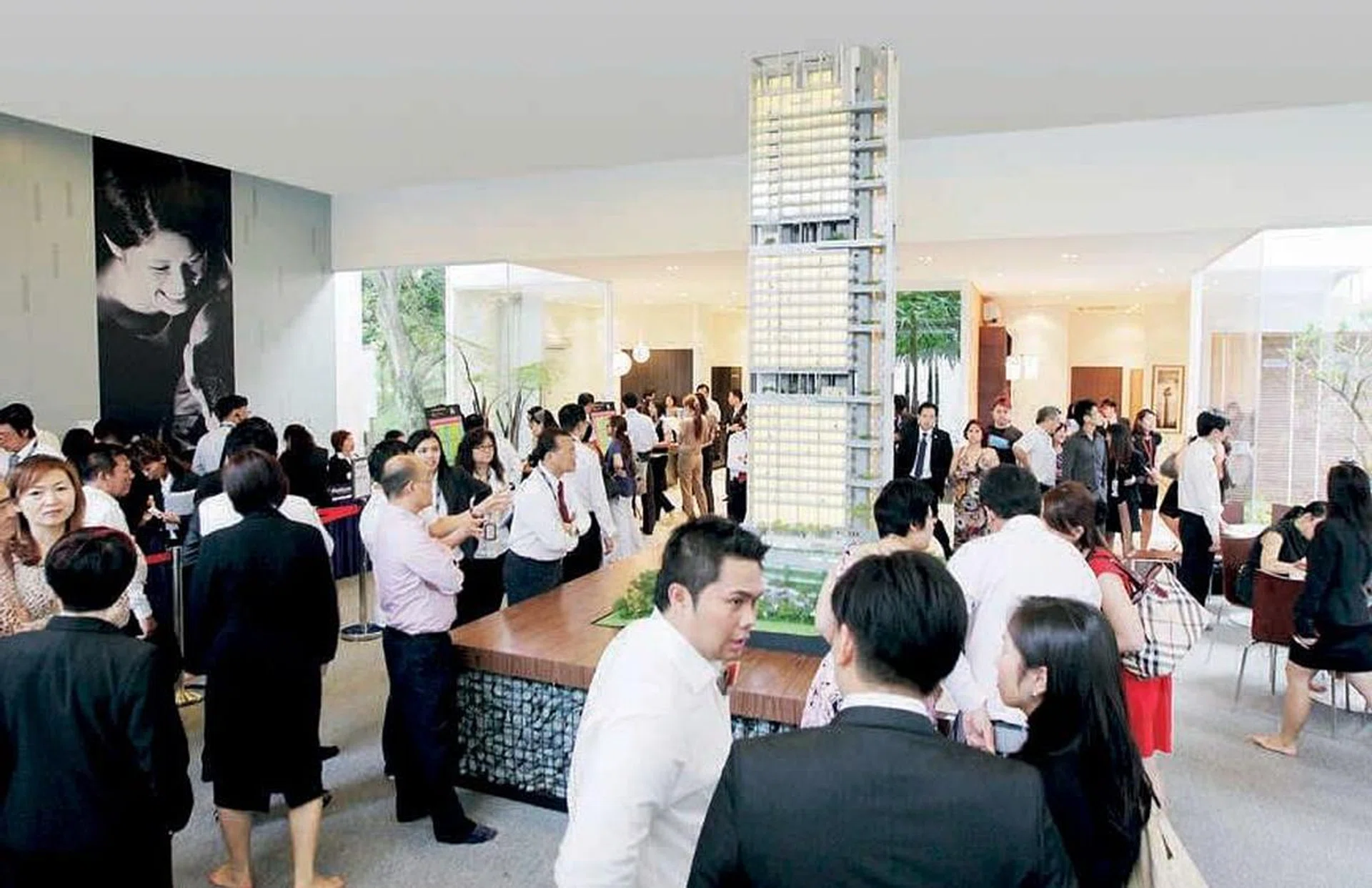
But the popularity of shoebox homes in the mass market only really took off in the 2010s when developers started building even smaller apartments, not just in town but also in the suburbs. According to a report by property consultancy firm R’ST Research, one in seven homes sold in 2011 was a shoebox unit, with buyers snapping up over 2,000 at popular developments such as Spottiswoode 18, Skysuites @ Anson, and The Interweave.
Who's buying shoebox condos?
Colin Tan, head of research and consultancy at Chesterton Suntec International, notes: “The majority of buyers are investors, and most are first-timers. But seasoned local investors are still buying – mostly new units at launches – as most developers are agreeable to absorbing the new three per cent additional buyer’s stamp duty.”
The suburban projects, however, attract a wider range of buyers. “I see young couples, retirees, singles, seasoned investors... Some are buying their first investment property, while others are shopping for an affordable home,” says Benjamin Heng, associate marketing director at real estate firm Propnex, who has marketed units at Tembeling Residence and Heritage East.
$700,000 Tembeling Residence Shoebox condo
Back then, he sold a 420 sq ft studio at Tembeling Residence at almost $1,700psf. The price seems high for a non-prime area, but the quantum works out to a relatively affordable $700,000. “The buyer can easily lease it out at $2,500 per month, so the rental yield is pretty good,” says Benjamin.
First-time property investors
Shernice Gow, marketing director of Century 21 Alliance Real Estate, says first-time investors tend to be aged in their 30s and 40s. Some are HDB dwellers attracted by the lower prices, on their first foray into property investment.
$500,000 Suites @ Owen Shoebox condo
Civil servant Jasmine Tan paid about $500,000 for her first property, a freehold 366 sq ft subsale unit at Suites @ Owen, in 2010. She leases it at $2,600 to a Swedish expat, while she and her husband bought a 4-room HDB flat in the west to be near her parents.
“That was my first investment property, which I chose for its location – near to Farrer Park MRT station, City Square Mall and the upcoming healthcare hub Connexion, yet away from the bustle of Serangoon Road. It also has a swimming pool, gym and barbecue pit, which many new small developments don’t offer,” says Jasmine.
1-Bedroom condos good rental yield
According to Sabestian Mak, a property agent with ERA Realty Network, 1-bedroom condos like Jasmine’s often enjoy a higher rental yield on a per-square-foot basis compared to the bigger units. In terms of rental income, these shoebox apartments seem to be a better investment.
“A one-bedder at Newton Edge leases for about $3,200 to $3,500. In comparison, the two-bedroom units in the same project can go for as low as $3,900,” says Sabestian, adding that one-bedroom condos are also the fastest and easiest to let out.
Easier to rent out
“Being smaller, the rent is more affordable for single expats or young couples.” People who bought the shoebox condo units direct from the developer a couple of years ago could enjoy rental returns of5% to 7%, which is higher than the average of 3% to 4%.
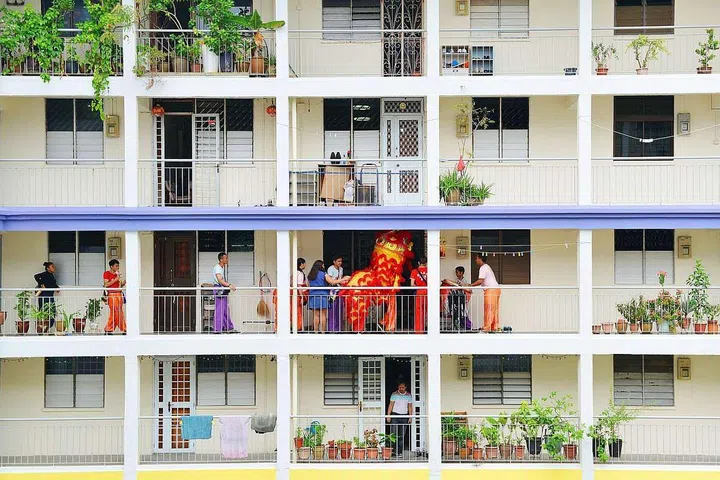
Front view of HDB flats shoebox rental apartments houses
Property investors
Shernice says she knows of several young professionals who hold a few shoebox condo units, raking in good rental every month while biding their time to sell at a profit. These investors tend to favour condo projects at locations in the CBD or near town.
Shoebox condo units for rent near CBD
“They’re naturally more expensive but they also fetch higher rent, like $4,000 to $4,500 for a one-bedroom at Marina Bay Residences or Icon at Tanjong Pagar,” says Shernice. She adds that expats, especially single young males with deeper pockets or those on a corporate lease would rather pay for the convenience than move to the suburbs where rental is much lower at under $3,000 for a similarly sized condo unit.
Good location matters
For clients looking at cheaper investments in the outskirts, Shernice cautions: “Personally, I feel it’s a bit risky unless your condo unit is near a business or aerospace hub, for instance, where you can expect an influx of foreign talent, or near an MRT station and amenities. Expect lower rent but keeping in mind the lower investment, the yield can still be pretty attractive.”
Investor Jimmy Ng owns over a dozen condominium units in Singapore, Australia and Malaysia. These range from shoebox units (an almost 400 sq ft property at Loft @ Holland and a similar-sized unit in Kuala Lumpur), 2- and 3-bedroom condo apartments in central and suburban Singapore, and bigger apartments abroad.
$700,000 Loft @ Holland shoebox condo
Jimmy believes that location plays a big part in deciding on the type of unit to invest in. “From my experience, shoebox units do well in CBD or city fringe areas, but not quite in the outskirts where buyers or tenants would prefer more space for their families,” he says. Jimmy paid about $700,000 for his Loft @ Holland unit, and is confident that his condo apartment, being in an expat hotspot, will fetch rental of about $3,000 when it is completed in mid-2014.
Noting that prices for some suburban shoebox apartments have been rising, Jimmy opines that developers are selling at “future prices”. “Don’t expect much capital gain, but if you can hold on and enjoy the rental yield for a while, you won’t make a loss either,” he says.
Single condo homeowners
Jasmine Chua, property agent with Huttons, has marketed condo projects such as Suites @ Owen, Soho @ Farrer, and Soho 188. She says that although most owners are investors, some successful single professionals and childless couples also buy shoebox condo apartments as their homes. “Some, who already own their own homes, buy it with the intention to lease it out for a few years and then move in after they’ve retired, or keep it as a gift for their children,” she adds.
HDB Income ceiling a push factor
Like many of her single friends who recently turned 35 and are eligible to buy an HDB flat from the open market, Janice Soh baulks at the high cash-over-valuation that some sellers are demanding. As her income exceeds $5,000 monthly, she does not qualify for a concessionary loan from the HDB (income ceiling for singles was raised from $5,000 to $6,000 in 2015, then subsequently raised again from $6,000 to $7,000 in 2019).
“HDB flat prices are so high these days, I might as well buy a private property instead. Unfortunately, a shoebox unit is the only thing within my budget,” complains Janice. “If I decide to continue staying with my parents, at least I can lease it out since it’s a private property; if I buy an HDB flat, I’d have to worry about flouting the HDB’s strict rules.”
$680,000 The Cristallo shoebox condo
Back then, Cleo Loh, paid $680,000 for a 517 sq ft studio at The Cristallo at Lorong K Telok Kurau. She prefers to buy small as it means less cleaning. “Since I’m single, I feel it’s big enough for my needs. At the same time, I wanted to upgrade from my HDB flat to a private condo, and this was the right price for the size,” she says.
Interestingly, singles and young couples are not the only home dwellers snapping up these shoebox condominium apartments. Kiasu parents are also buying such tiny homes in choice locations for the coveted address to secure a spot in a good primary school nearby. Heritage East condo, for example, is near to Tao Nan School and CHIJ Katong Primary School, and has attracted more than a few eager parents.
Are shoebox condo apartments a good investment?
According to a report by Ascendant Assets last year, subsales for shoebox condo apartments while they are still under construction have proven to be more profitable than when they are re-sold after their completion. Some speculate that once such shoebox apartments are built and potential buyers realise how tiny the units are, their prices will fall. “Certainly, the ones turning a profit are the ones bought much earlier,” says head of research and consultancy at Chesterton Suntec International, Colin. His friends have invested in shoebox units and are able to let them, but find them very difficult to sell.
Affordable prices
Besides the affordable quantum, Colin notes that the lacklustre stock market may also be pushing investors to buy shoebox units. “Investors are aware of the dangers of investing in such units – there have been enough articles in the media warning of this market segment – but they have very few alternatives to park their money in. So, they try to make the best of the situation by picking shoebox units only in projects near MRT/LRT stations or in projects with wellconceived designs, such as Watertown in Punggol.”
The bottom line? As with any property purchase, go in with your eyes wide open. When mortgage interest rates are low, banks may hold back on financing loans for shoebox apartments. Do your sums carefully to avoid mortgage shock down the road.
Price speculation rife
“It’s hard to tell when this period of low borrowing costs will end. More and more locals are selling their existing units and choosing to rent because they speculate that prices will come down soon,” notes Colin. “This is keeping the rental market healthy and resilient but of course, it’s not sustainable over the long term.”
Investors may still enjoy decent returns if the leasing market remains strong, but they will most probably not be able to sell for capital gains. “Past evidence shows that shoebox units do very badly in a downturn,” cautions Colin.
“If you still choose to buy, be aware that you need to sell it quickly should the market correct. “You can still make money, but you have to be very nimble and understand clearly that property is an illiquid asset.”