5 Design Tips for a Luxury Hotel-Quality Bathroom at Home
Luxury comes from thoughtful design and details, not necessarily a bigger budget.
By Lynn Tan -
Share this article
A true luxury bathroom isn’t about spending more, but spending wisely - creating a hotel-like feel through layout, restrained colour and material palettes, and tactile details that read as cohesive and substantial.
Start with a well-planned layout, choose calm colours and high-quality materials, and focus on sensory cues. Invest in a few daily-use elements and keep clutter to a minimum.
As Oz Titus, principal designer at Oz Titus Studio, says, “When these tactile details feel substantial and cohesive, the bathroom reads as luxurious rather than expensive. It doesn’t matter how small a bathroom is, good proportions, concealed storage, large-format tiles, a well-designed vanity, and coherent fittings can make it feel much more spacious and refined.”
“The aim is to create a calm, cohesive experience rather than simply adding expensive finishes,” says Ambika Chowdhry, senior design manager at Distinct Identity.
Quiet Foundations, Bold Details, Total Immersion
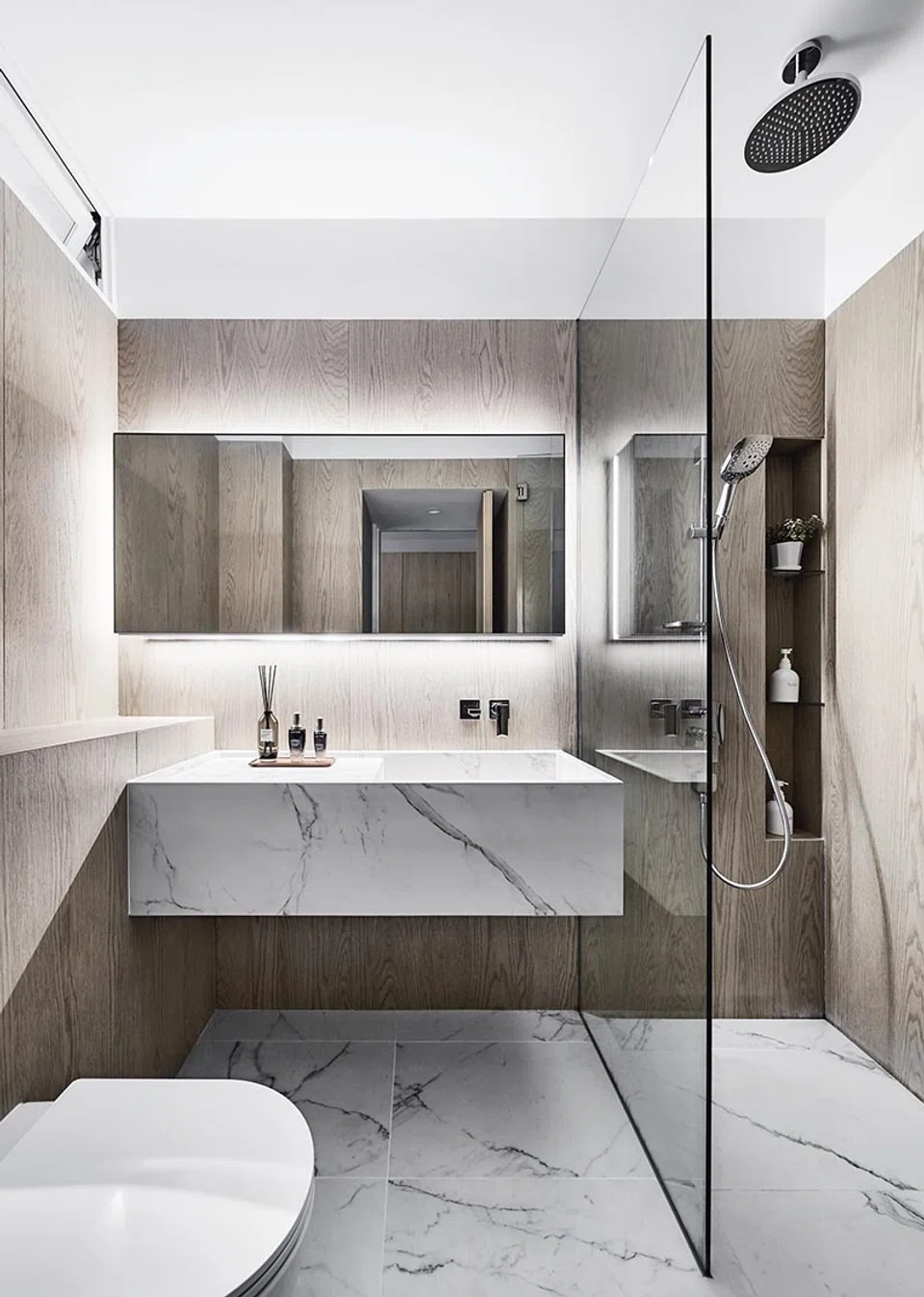
Oz advocates beginning with a quiet foundation: limit the colour palette to a small family of tones and allow materials to repeat rather than compete.
A bathroom becomes more restful when the eye isn’t constantly moving between patterns, finishes, and objects. “Choose fewer materials but select them well — perhaps natural stone or porcelain for main surfaces, timber for warmth, and a single metal finish for fittings. Consistency creates the composed, effortless quality of a well-designed hotel interior.”
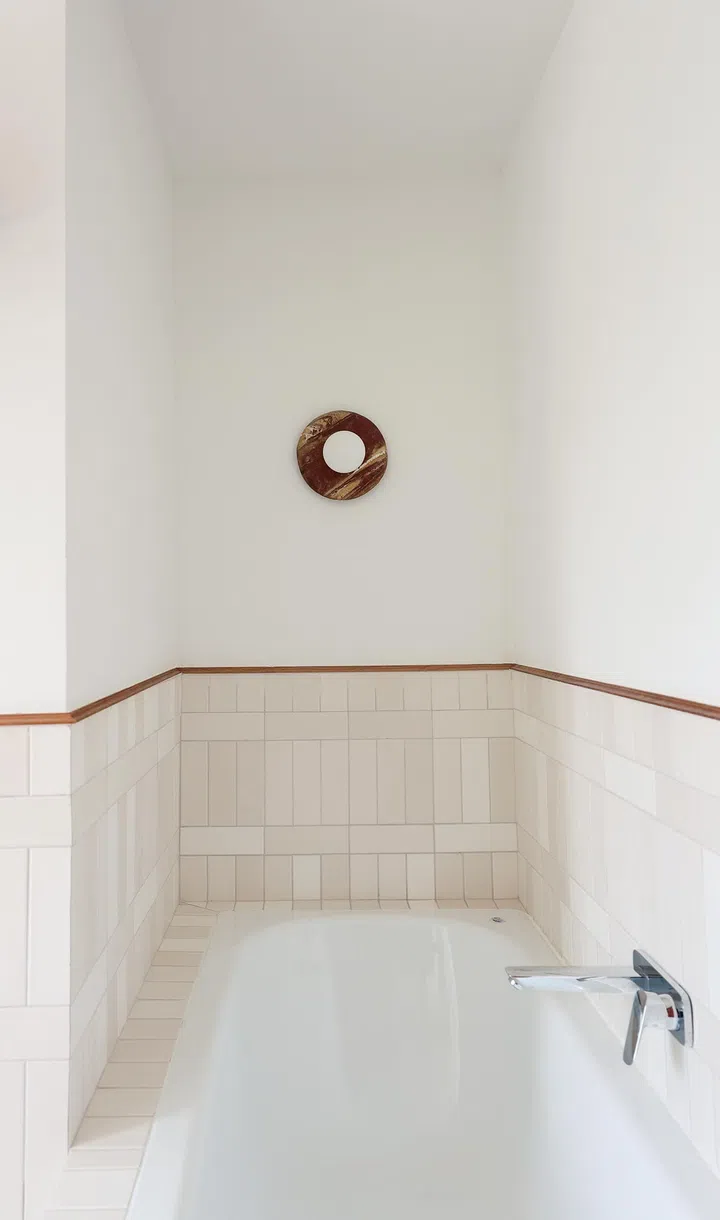
Get rid of clutter. Luxury depends on space, and space is created through hidden things as well as added. The majority of toiletries, cleaning products, cords, and spare items should be stored away, leaving only a few beautiful and useful objects on display.
A tray with hand soap, a candle, a small vase or neatly folded towels can feel generous; a cluttered vanity never does. Oz emphasises that good storage is not just a practical extra-it is fundamental to creating a pleasant atmosphere.
He illustrates three key points where the bathroom communicates quality directly through our bodies and hands. Bathroom fittings, including faucets, shower controls, and cabinet hardware, should feel strong, smooth, and deliberate. Towels, robes, and bathmats should have a soft, plush texture.
Finally, ensure that surfaces and fixtures are designed around the body — a comfortable bath, a well designed shower, or a softly closing drawer. These small experiences are often more memorable than decorative features.
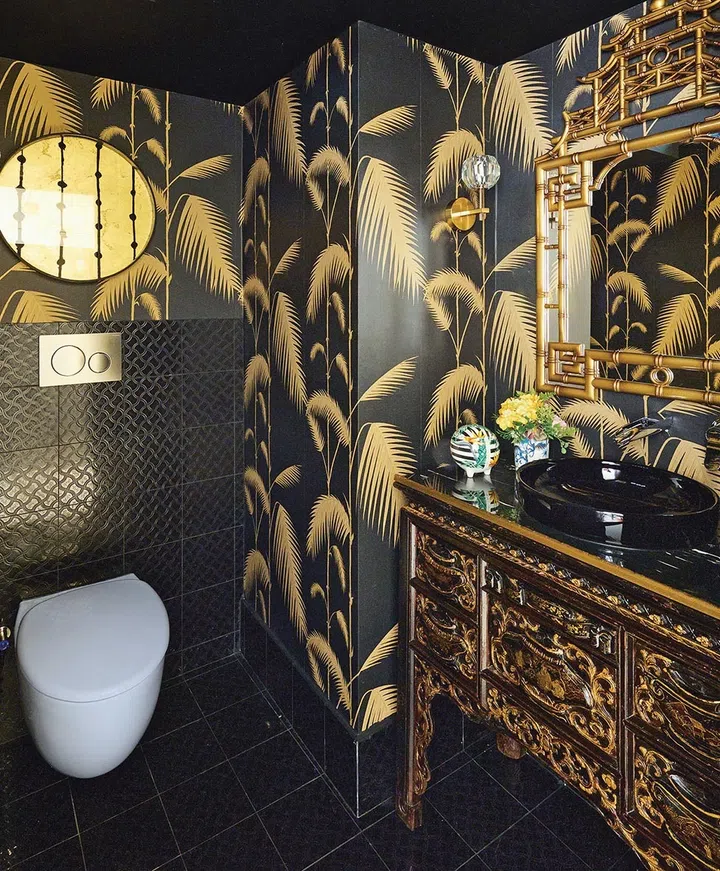
In contrast, an alternative approach embraces the over-the-top: the bathroom becomes a richly layered, theatrical jewel box. Imagine deep greens, oversized leaves, flowering branches, and an exotic bird wrapped in hand-painted jungle-themed wallpaper.
Oz says it immediately transports you to somewhere between a private conservatory, an old-world hotel powder room, and a collector’s home.
The beauty of this approach lies in its confidence. Patterns, colour, shine, ornaments, and decorative objects can coexist, held together by a clear palette of forest green, gold, cream, and soft floral tones. Instead of feeling random, the result reads layered and cohesive.

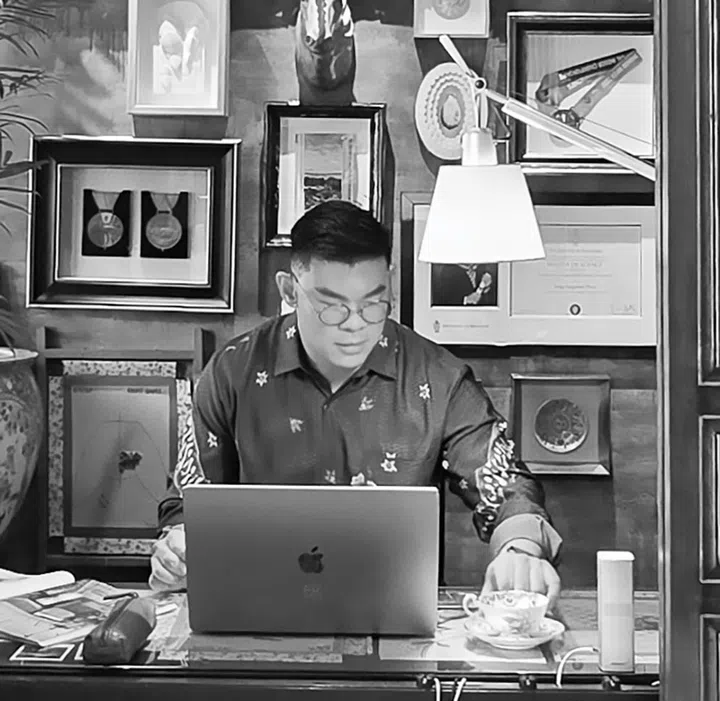
Portrait of Ambika Chowdhry, senior design manager at Distinct Identity.
Minimal or expressive, restrained or flamboyant, the key is to commit fully to one narrative rather than sit uneasily between directions, advises Oz.
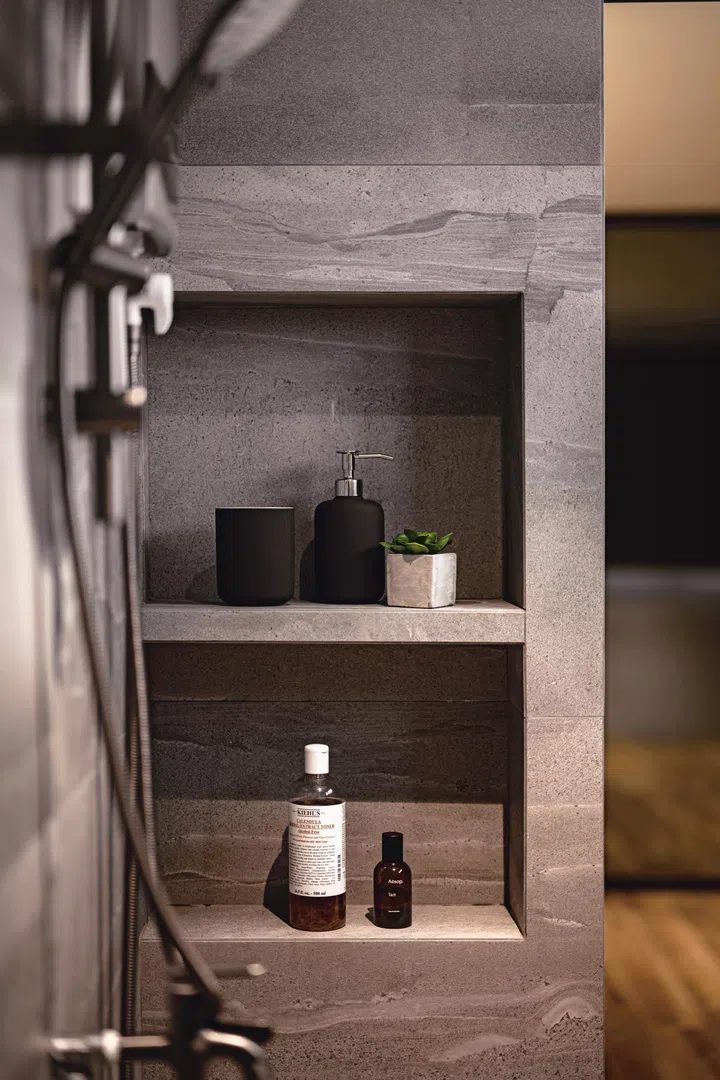
Adding a luxuriating rain shower, a built-in shower niche, or a freestanding bathtub, if space permits, can help create that indulgent experience. In terms of ventilation, sharing the space with other family members (especially between spouses), and concealed storage, Ambika advises homeowners to prioritise comfort and functionality.
Wet Area Finishes
- Subtle stone
- Warm timber
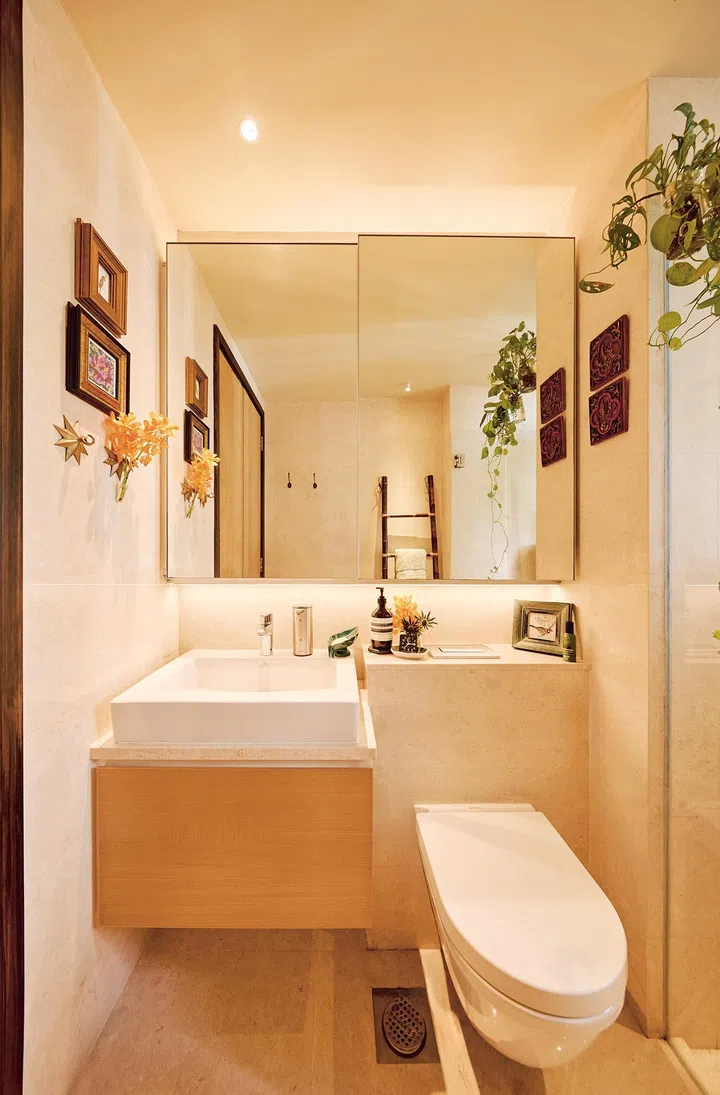
The luxurious appearance of natural stone finishes such as marble, travertine, and limestone is highly regarded by Ambika and Oz. “I also enjoy combining stone-look surfaces with warm timber tones, textured finishes, or carefully selected metal accents. It’s all about restraint. Consistency with a few complementary materials can make an otherwise drab space appear luxurious,” remarks Ambika.
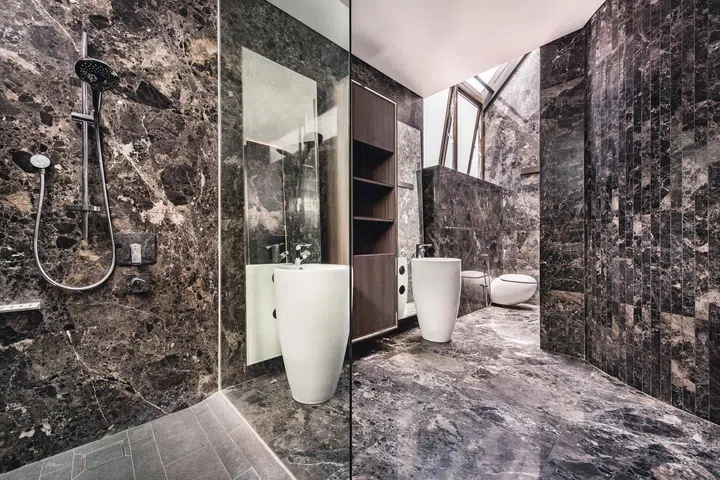
Oz agrees with Ambika: “In a luxury bathroom, light-coloured marble and limestone are enduring choices. With their natural variation, they give walls, vanities, and shower surrounds depth and individuality, while pale tones create the calm, spacious atmosphere associated with premium hotels and spas. When used with restraint, such as on a feature wall, vanity top, or floor, they feel refined rather than overwhelming.”
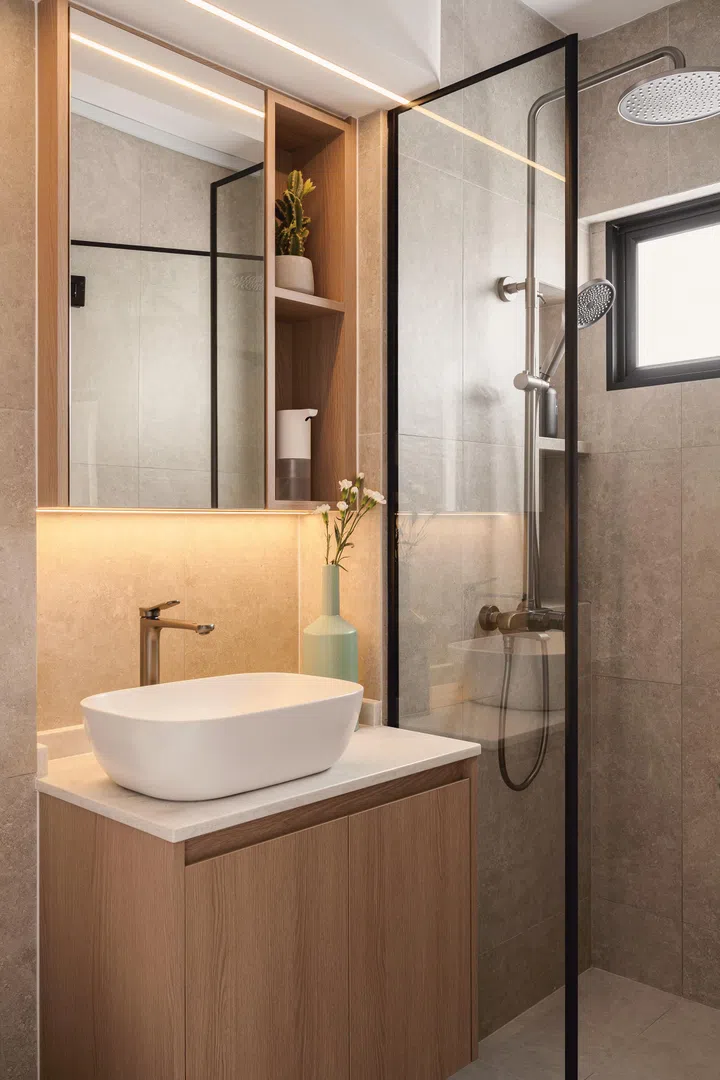
Honed stone is a particularly thoughtful luxury finish for floors. Unlike highly polished stone, its softly matte surface provides more grip underfoot, making it more suitable for wet areas while retaining the tactile richness of natural materials. It shows that the designer took comfort, safety, and everyday use into account as well as appearance, Oz explains. As a result, these finishes offer both visual luxury and practicality.
Lighting That Shapes Mood
- Layer
- Highlight
- Glow
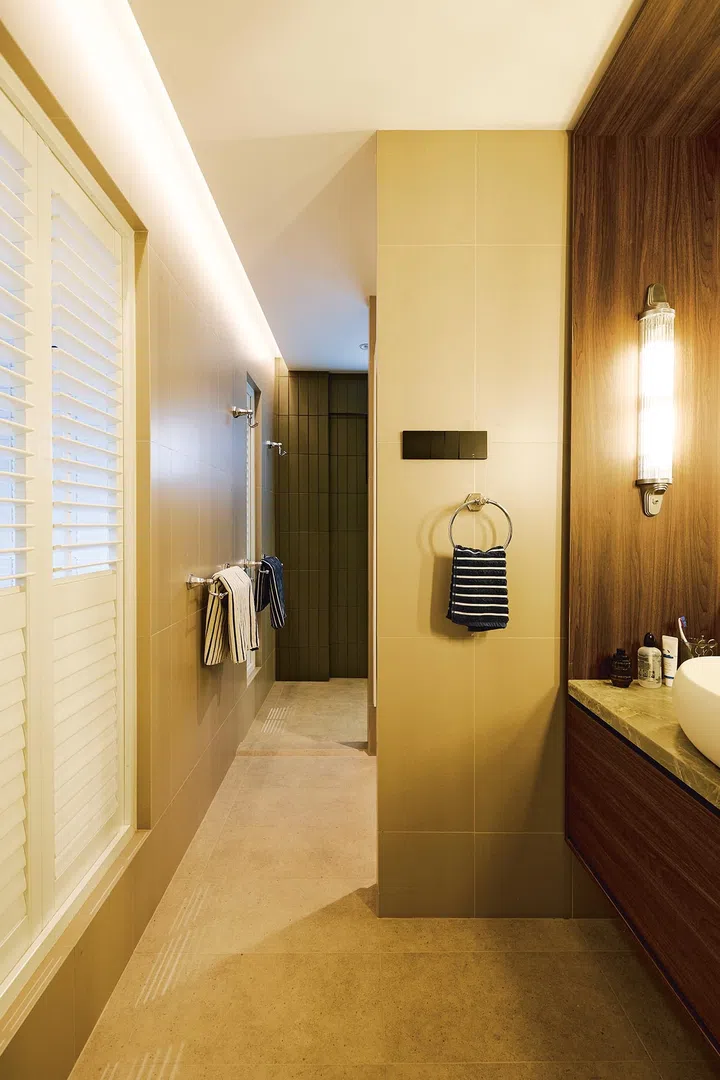
The atmosphere of a space, including the bathroom, can be completely altered by lighting. Both designers layer ambient, task, and accent lighting. Ambika recommends task lighting that provides even illumination around the vanity counter and mirror, particularly when grooming, while accent lighting accentuates certain features.
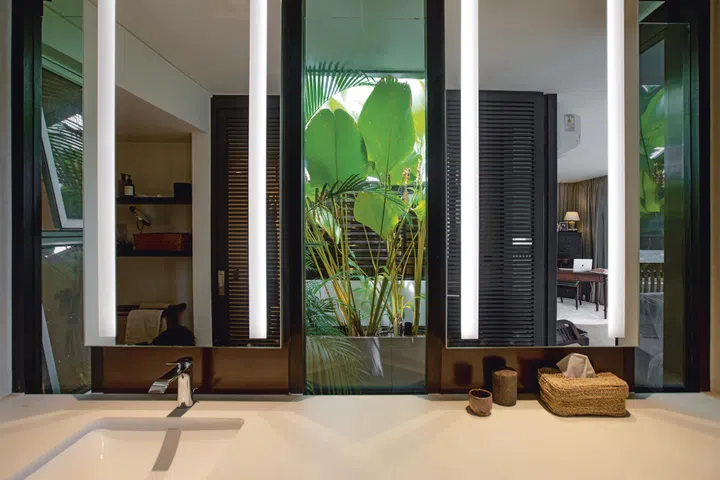
Rather than illuminating every corner equally, Oz recommends highlighting what matters. “The goal is not maximum brightness but selective attention, allowing the lighting to reveal beautiful materials, frame key moments and create an inviting sense of depth.” Think of a pin-spot light highlighting sculptural bathtubs and basins in a gallery, like art.
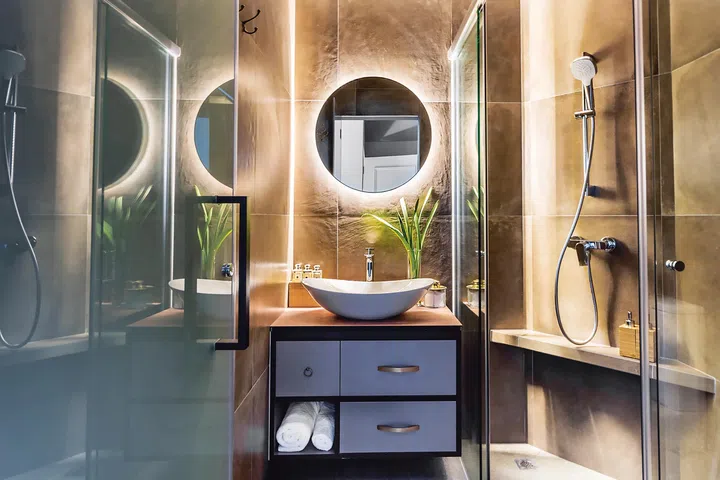
Softening the mood with concealed LED strip lighting is a good idea. When placed beneath a floating vanity, within a shower niche, behind a mirror, or around the base of a bath, it creates a gentle glow without adding visual clutter. When used sparingly, it creates a spa-like atmosphere.
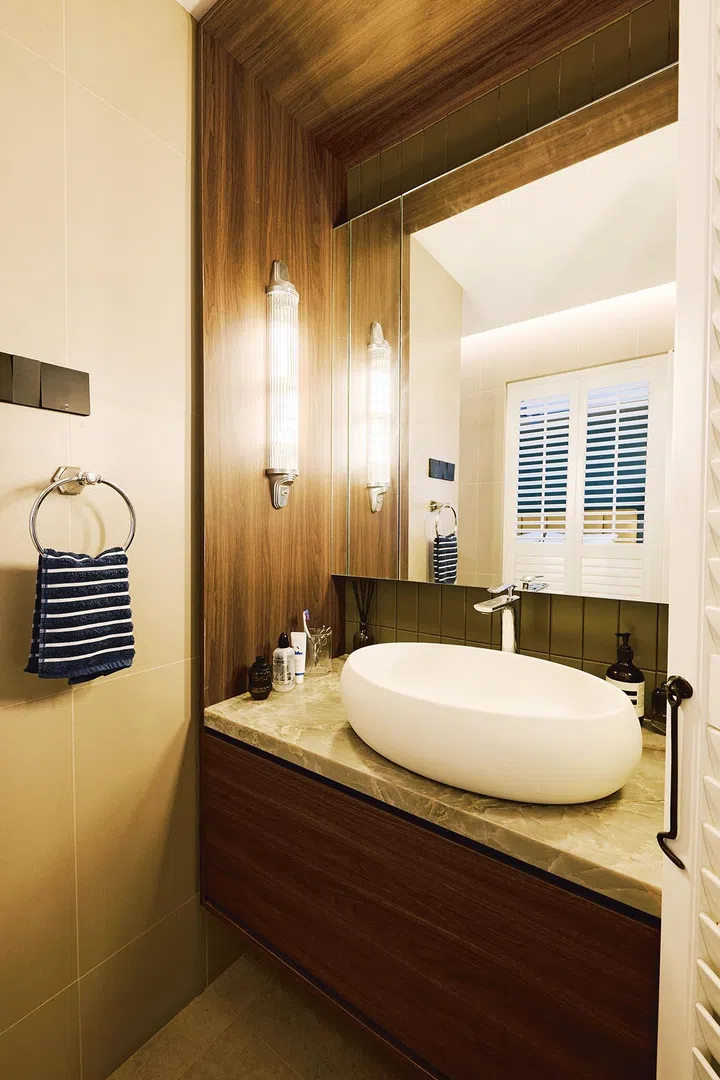
Add wall sconces beside the mirror for a finishing touch. “Like an expensive pair of earrings, they bring balance, symmetry, and a sense of jewellery to the room. In addition to their decorative purposes, they provide flattering light that completes the vanity and makes it feel considered and complete,” says Oz.
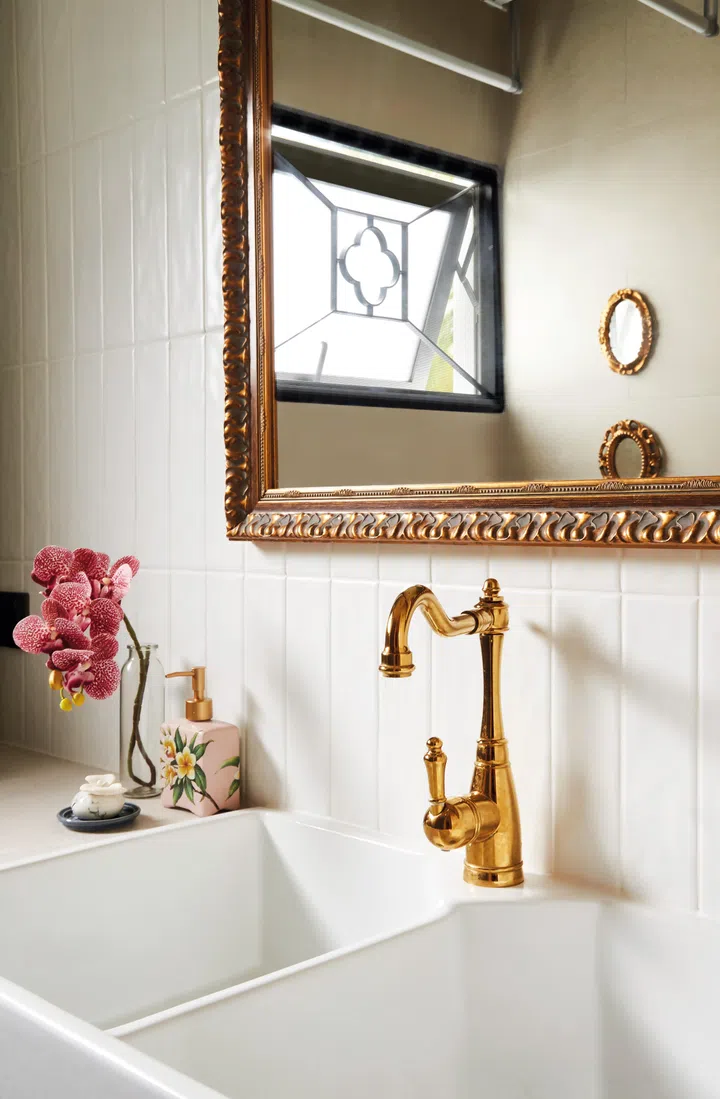
Timeless Hardware, Thoughtful Details
Keep an eye on the big pictur e, but remember this: “Small details make a significant difference. A coordinated set of taps, shower fittings, cabinet hardware and accessories instantly makes a bathroom feel more considered,” says Ambika.
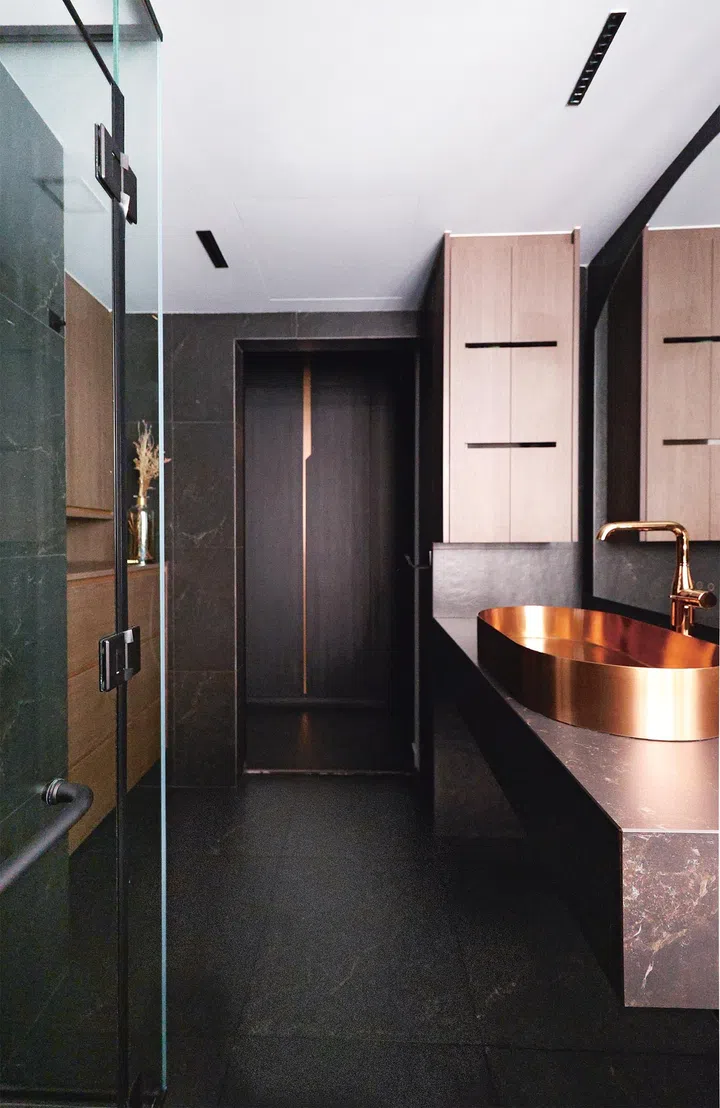
For bathroom hardware, Oz favours polished nickel or chrome. The reflective finish conveys cleanliness and precision, while its neutrality lets it sit comfortably in both classic and contemporary spaces. Keep the metal finish consistent across taps, shower fittings, flush plates, towel rails, robe hooks, cabinet handles, and mirror details. This repetition creates a cohesive, resolved look.
It is important to add accessories without cluttering up the space. A ring dish beside the basin adds a hotel-like touch to jewellery and watches. A simple clock adds ritual to the morning routine, while hand cream for guests adds hospitality. Other thoughtful touches might include a soap dispenser, a tray, neatly folded towels, and a discreet waste bin.
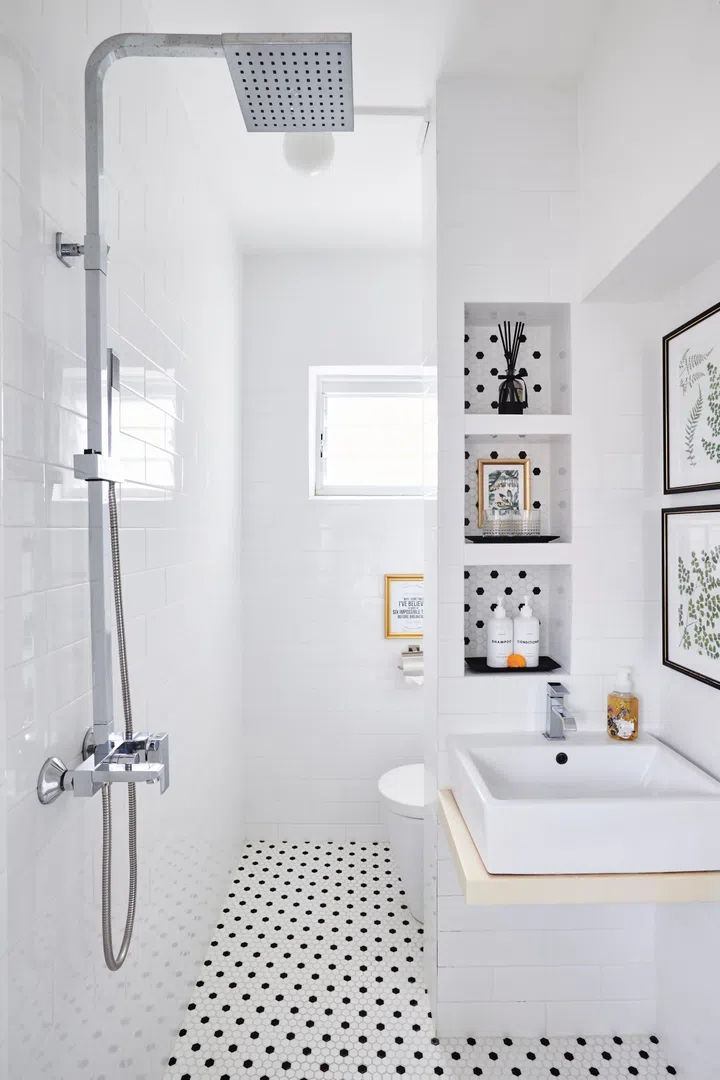
Hardware in a contrasting colour can add character if it complements the home’s architecture, palette, or personality. It should feel intentional and lasting; if it’s only there to look current, it will likely lose its appeal. As Oz puts it, luxury comes from clarity.
Attainable Luxury
Smart substitutes can make a big visual impact
Luxury on a budget can be challenging, but high-quality tiles that mimic natural stone can be substituted for natural stone. Particularly in large formats, tiles can look premium while also being durable and easy to maintain.
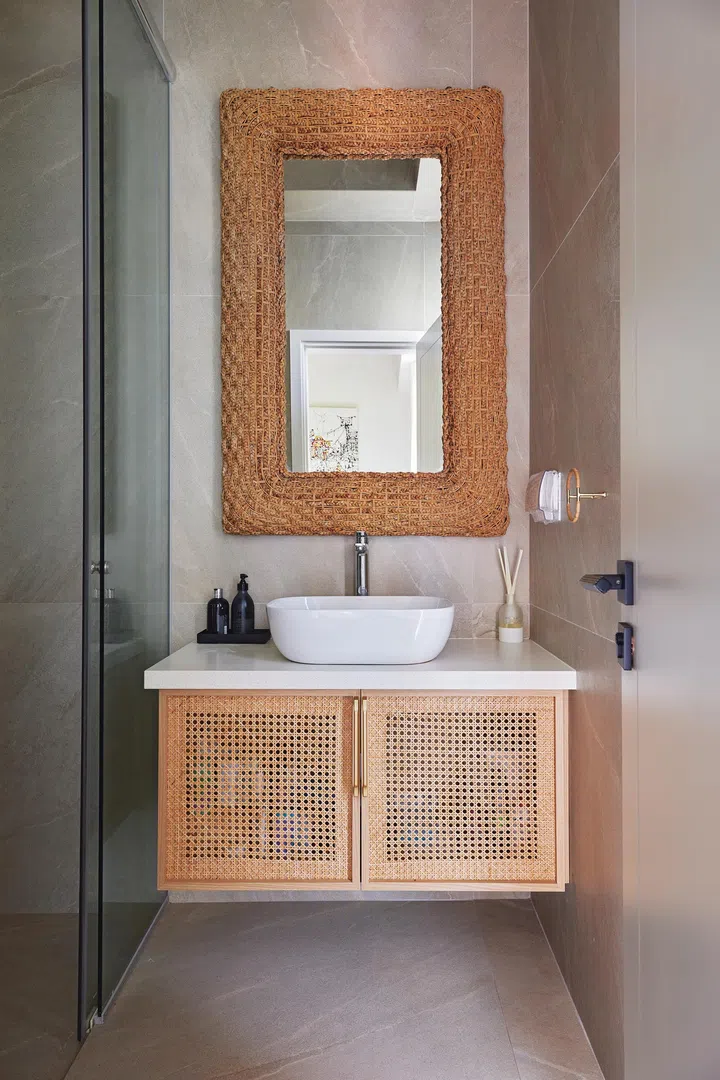
Ambika recommends focusing on elements that will make an impact visually. Instead of using natural marble throughout, choose a stone-looking porcelain for the main surfaces and use more premium materials selectively as accents.
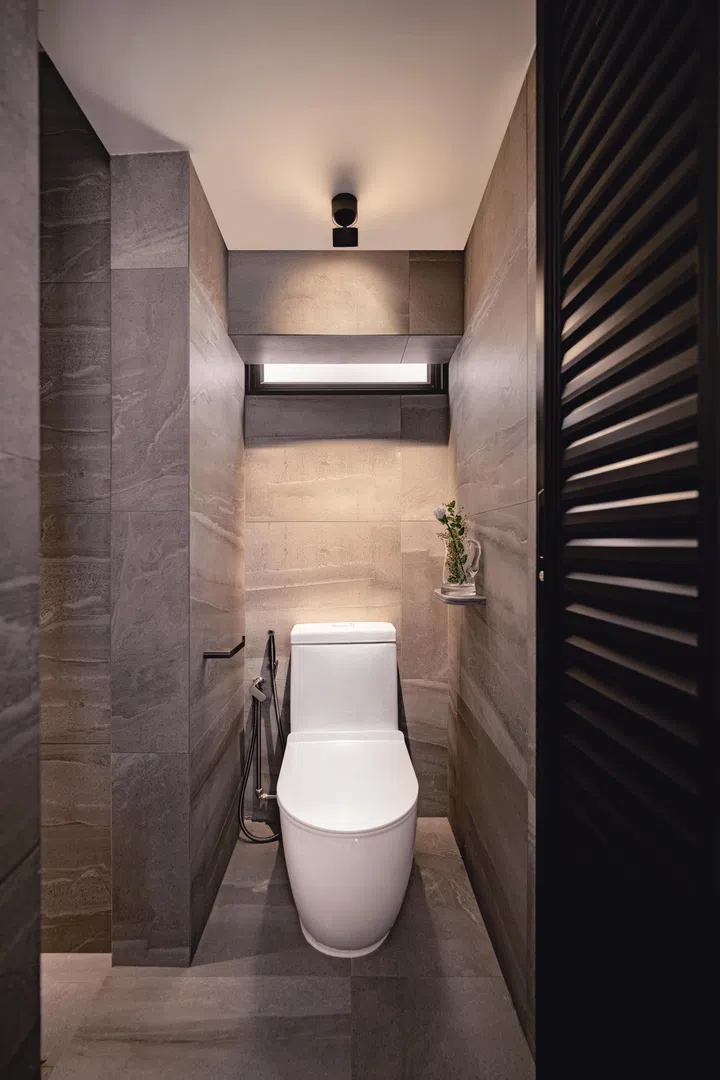
In her opinion, it is important to prioritise the vanity counter and mirror, as these are items that are used every day. Lighting is another area in which both designers agree shouldn’t be compromised. Lighting can make a huge difference in the feel of a bathroom without requiring a complete renovation. “Light what you want to emphasise,” says Oz.
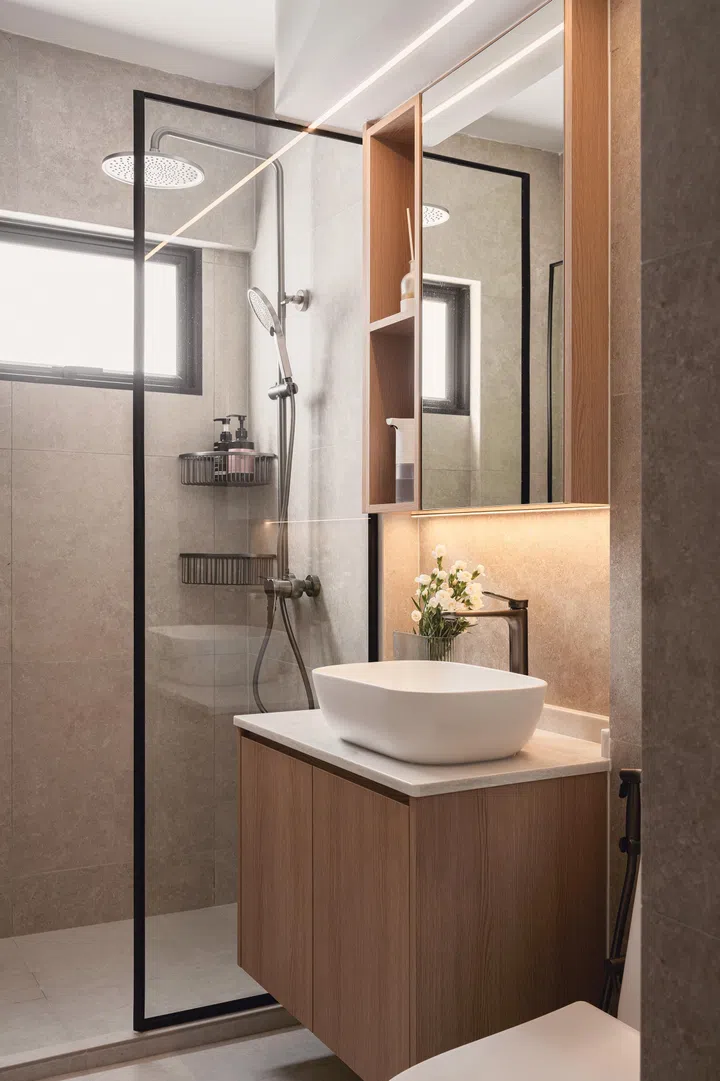
Finally, Ambika reminds homeowners: “A simple, cohesive bathroom with good detailing will often seem more luxurious than one filled with expensive materials.”