
If you're renovating and want to build your new home with the environment in mind, there are materials you can opt for.
This fourth part covers soft furnishings.
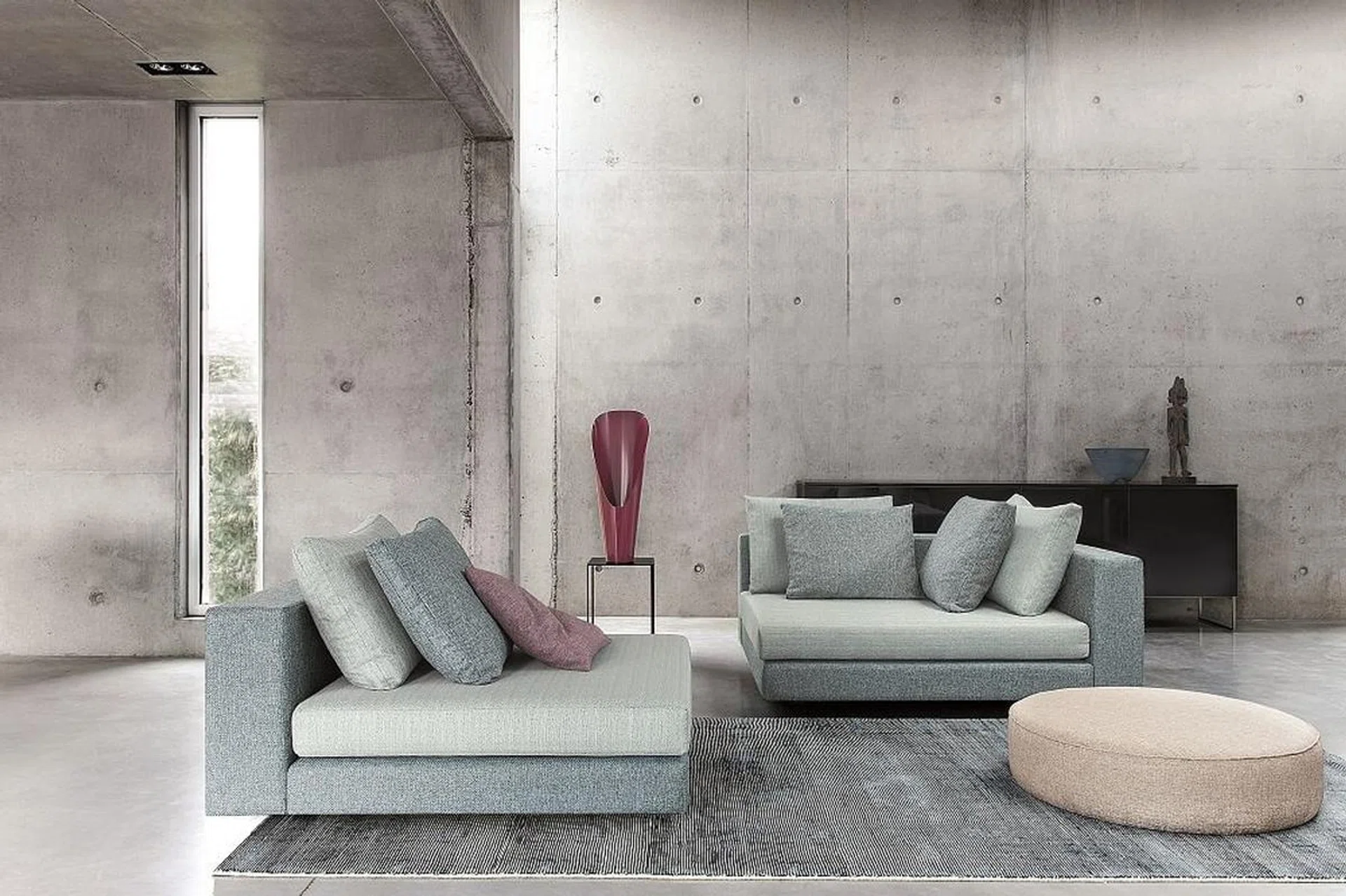
(Pictured is Hemptech from Bode — see next slide.)
Hemptech from Bode
Hemptech uses hemp and linen that require little to no chemical sprays during the growing cycle. Via the environmentally-friendly dew-retting method, the harvesting and processing of these fibres also use less energy and water.
From www.bode.com.sg
Montenegro fabric from Acacia Fabrics
The Montenegro fabric from Acacia Fabrics passes the Oeko-Tex 100 Standard, is non-carcinogenic and free from harmful substances. Its fabrics are also fire-retardant and have been tested to ensure that even litcigarette butts will not burn the material.
From www.acaciafabrics.com
Evofabric from Goodrich Global
Goodrich Global's Evofabric padded faux leather range comes in designs such as embossed contours in metallic colours. Created using an ultrasonic sealing process, Evofabric is flexible for easy upholstering, and is free from polyvinyl chloride (PVC), phthalate, formaldehyde and heavy metals.
From www.goodrichglobal.com
Susanna Davis range from E&A Interiors
The Susanna Davis range of linens is made of the highest quality flax fibres from Belgium –dedicated farmers use only ecological non-toxic chemicals in the yarn dying process. They then work directly with weavers in Latvia and Lithuania to create the stylish fabrics.
From www.eandainteriors.com
Kirkby Design Leaf collection from Tatum
Kirkby Design offers the Leaf collection, which uses recycled wool obtained from salvaged yarns used in the fashion industry. The reconstituted wool has a limited impact on the environment. The range includes fabric in now trendy pastel shades of mint, yellow and blue.
From www.tatumcompany.com