
10 Kitchen Renovation Mistakes to Avoid
Renovation regrets are all too common when it comes to kitchens — but most are totally preventable.
By Joyce Yang -
Share this article
Kitchen renovations are prone to mistakes for several key reasons, mostly revolving around the high complexity of the space and the high stakes involved. Also, the kitchen is arguably the most functional room in the house, requiring a precise and efficient workflow between the three main work zones: the sink, the stove, and the refrigerator (often called the “work triangle”).Poor planning of this flow, insufficient counter space, or placing appliances in awkward positions can make the beautiful new kitchen frustrating and inefficient to use daily.
You may find yourself spending the most time planning your kitchen renovation! Here are some common kitchen renovation mistakes while you’re at it.
Picking Impractical Materials
Choosing materials purely for price or looks can backfire fast. Affordable worktops like acrylic scratch easily, while fancy options like marble are prone to staining from turmeric or red wine. Textured backsplashes and porous floor tiles may look great but trap grime and are tough to clean. Go for heat and moisture-resistant laminates for your cabinets, because regular ones won’t hold up to steam from rice cookers and kettles.
Renovating a kitchen is exciting, but it’s also a minefield of small decisions that can snowball into big regrets. And when you’re sharing the space or eyeing high-tech upgrades, the stakes get higher. Before you start shopping for fittings, avoid these 10 daily annoyances to ensure your kitchen functions just as beautifully as it looks.
You Need Layered Lighting
Good lighting does more than brighten a space—it shapes how you use it. Relying solely on overhead lights creates harsh shadows and makes prep work a strain. Layer your lighting with island pendants, wall sconces, and under-cabinet strips, using warm tones for ambience and cool tones where focus matters. And don’t skip the dimmers—blinding yourself during a 2am water run won’t do your sleep any favours.
Wrong Dimensions
The wrong kitchen counter height turns meal prep into a literal pain. Too low, and your back bears the brunt; too high, and someone ends up chopping veggies on a stool. Depth matters too—overly deep worktops make it hard to reach power sockets or retrieve that forgotten soy sauce bottle in the back of a cabinet. And don’t skimp on clearance—tight walkways aren’t the best idea when you’re handling a steaming saucepan with a second cook in the room.
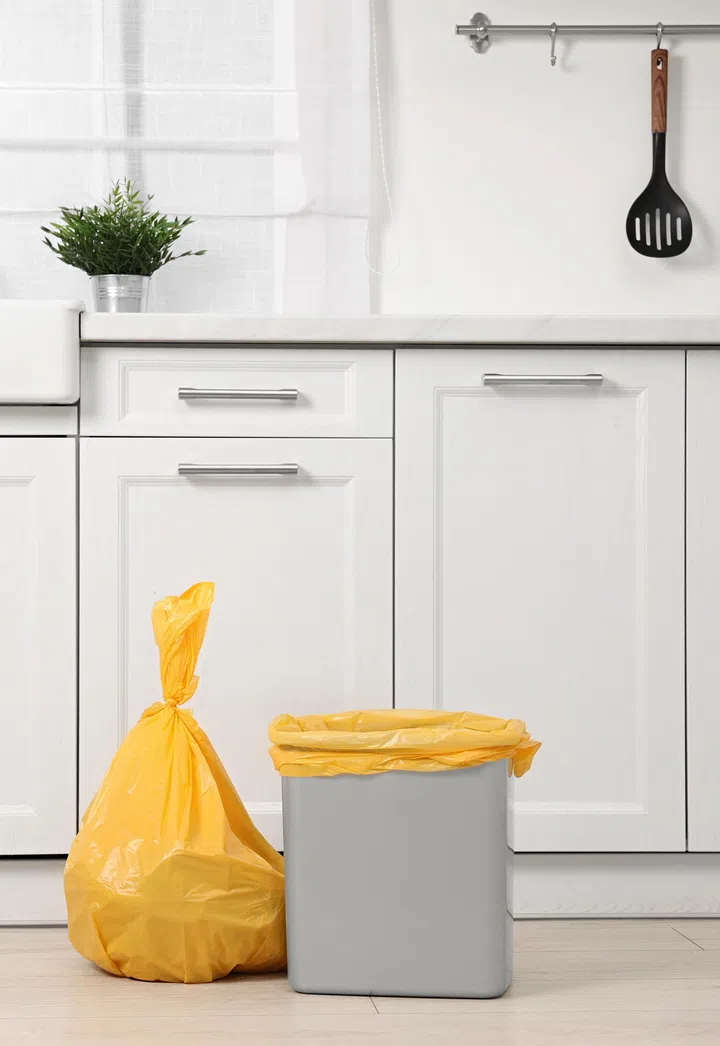
Plastic garbage bag and trash can in kitchen
You Need Sorting Space
Your trash, recycling, and laundry bins need a proper home. When they’re treated as an afterthought and squeezed into awkward corners, they’re bound to get in the way of everyday tasks. Plan ahead and be strategic: placing a trash bin too far from the sink causes drippy messes, while one too close to the laundry risks soiling your clothes with food scraps.

Vertical shot of young asian woman cooking dinner, making herself sandwitch, smiling while standing on the kitchen.
Family Members’ Needs
Your kitchen should work for every family member—young, old, or furry. Rounded corners and non-slip floors help prevent accidents, while safety first appliances like induction hobs and child-lock dispensers offer peace of mind.
How many hobs do you need on your stove? Check with your electrician to make sure your unit’s electrical load can support it. Pull-out appliance garages with sockets let elderly users operate appliances without strain. Got pets? Low-maintenance surfaces and secure bins cut down on mess and keep curious noses out of places they shouldn’t be.
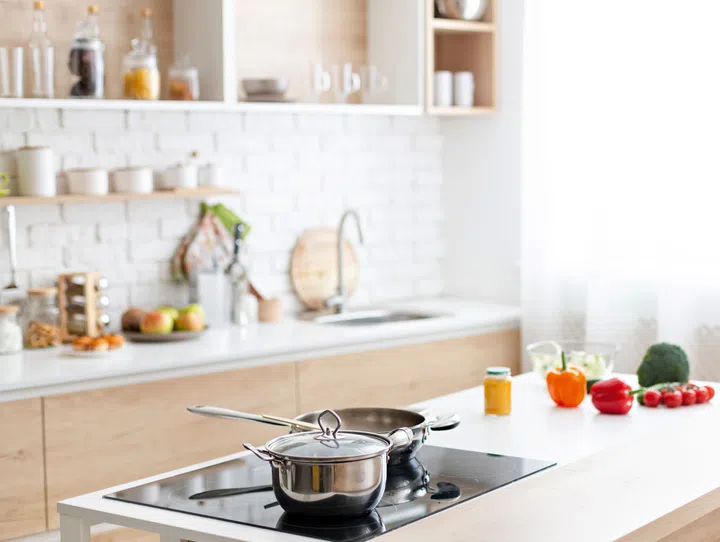
Modern kitchen interior at home with cooking dishes on stove, free space
Wrong Kitchen Layout
A well-designed kitchen starts with a layout that fits your daily habits. Enclosed or semi-open spaces suit those who enjoy stir-frying up a storm, while open kitchens work better for anyone mostly popping in to reheat leftovers or whip up instant noodles. Once that’s sorted, keep the golden triangle—stove, sink, fridge— tight. It’s the backbone of efficiency, saving steps and lowering the risk of messy cross-contamination.
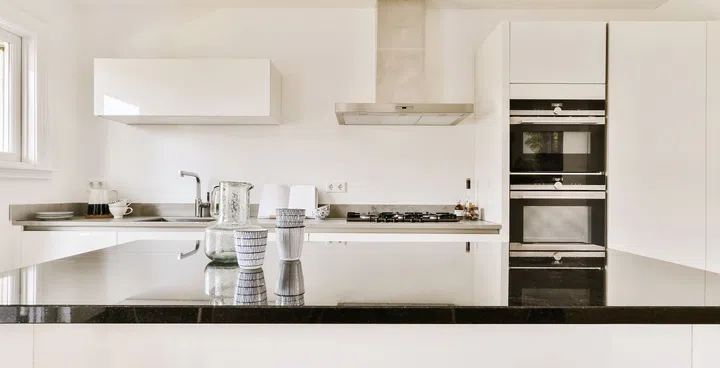
a white kitchen with black counter tops and stools in the center of the room, looking into the dining area
Water and Power Points
Your dishwasher and washing machine aren’t the only ones eyeing the water line. Newer appliances, like robot vacuums and water dispensers, want in too. If you don’t plan ahead, you might end up with FOMO and no way to enjoy the conveniences of a modern kitchen. Same with sockets: too few, and you’ll constantly be unplugging toasters to run the air fryer. It’s worse if they’re poorly placed, forcing you to run ugly extension cords across your counters.
Taps and Sinks
Sanitary fittings are small details that do a lot of heavy lifting, so a high-quality mixer and combination will be a worthwhile investment. Choose a design where the handle pulls forward to help keep surrounding counters dry. A pull-out spray tap adds everyday flexibility, especially for rinsing large items. Matte finishes hide smudges better. Pair with an undermount sink for easier cleanup—just make sure your countertop can take the weight.
Ventilation
Ventilation often gets overlooked until your walls start smelling like dinner. Sure, cracking open a window helps, but not if it means airing fumes straight into your laundry in the service yard. A quality range hood with a high cubic feet per minute (CFM) rating and a proper filter, like carbon, will trap grease and odours effectively, while a corner fan will keep air circulating even after the stove’s off. Your future self will thank you.
Built-In Carpentry Planning
Built-ins shouldn’t box you in— especially when your appliances aren’t even in the house yet. Knowing the appliance models on your shopping list helps define the right proportions: fridges need a buffer for air circulation, microwaves should sit at eye level, and dishwashers require vertical space. Don’t forget the details, like a ledge near the washer for supplies and an appliance garage to keep toasters and kettles tucked away.