

7 Children's Bedroom Design Ideas: Tips & tricks from expert interior designers
The right bedroom design is more than just aesthetics or functionality - it’s the perfectly balanced marriage of both.
By Emmelyn Mah -
Share this article
Designing a bedroom for a child may seem like a piece of cake, but experts agree there’s more than meets the eye.
From design basics like colour schemes and furnishings to final additions like art, lighting, and decorations, here’s our list of 10 things to pay attention to in putting together a bedroom your child can grow into.
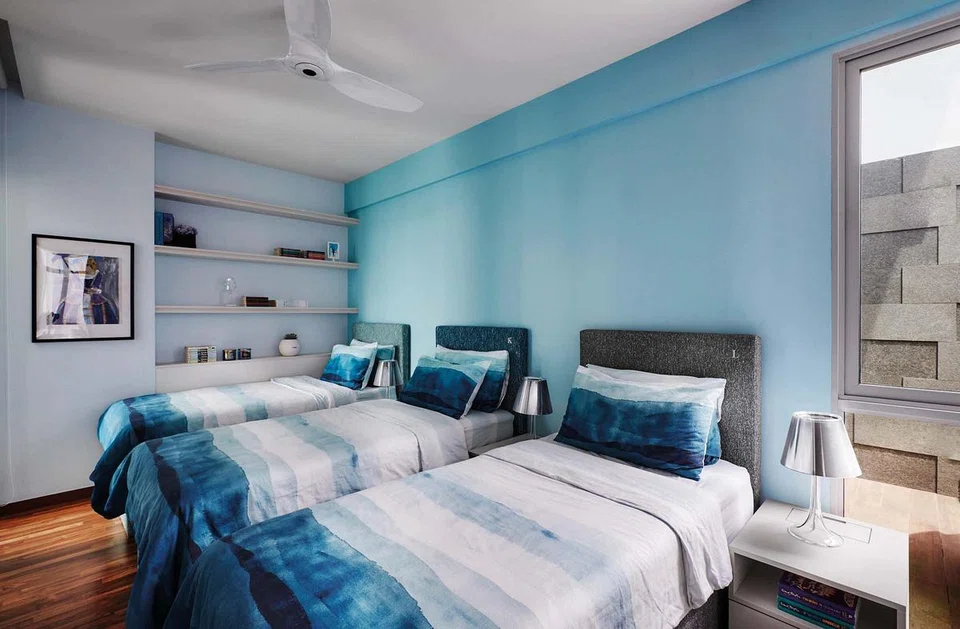
7 Kids Bedroom Design Ideas and Tips
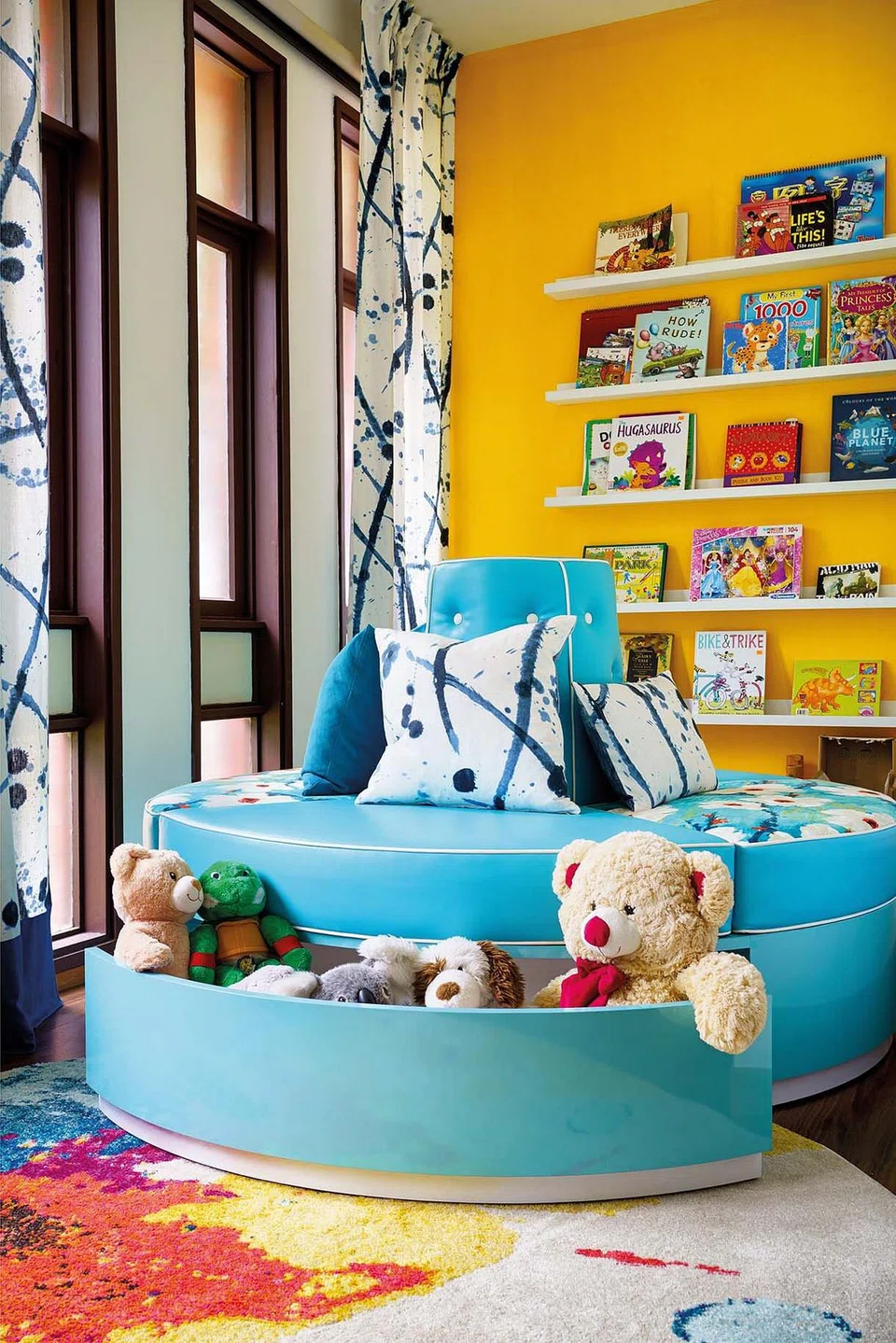
Every child has their fair share of soft friends and huggable plush animals, and that’s perfectly fine. And, as your child grows, you can count on their collections to expand in similar fashion.
1. Kids Storage Cabinets & Boxes
From art supplies and board games to books and various other collectibles, your child will need space to indulge their hobbies. This necessitates an abundance of storage in the bedroom, which can be incorporated into the overall bedroom design for flair and function both.
Make use of awkward corners in the space, and don’t be afraid to build upwards if floor space is sparse. Build drawers into the bottom of the bed; it’ll give your little one extra room for storing their stuffed animals, and completely deprive monsters of their prime hiding spot to boot!
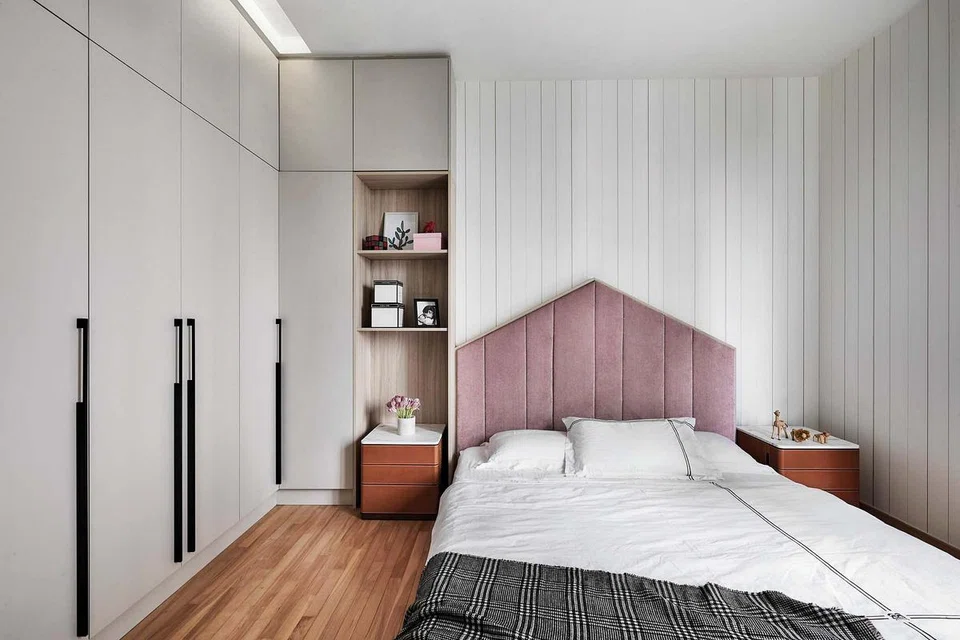
While every child’s bedroom needs plenty of storage, it pays off aesthetically to work it into the overall design of the space.
Design with teenage years in mind
It can be tempting to forego adult-only necessities in a room meant for kids. However, it’s important to consider that your kids will grow up. Planning ahead will cut down on a lot of hassle in the future, ensuring longevity for your design with less updating needed to accommodate the growth of your child.
Opt for lighting that can double up as work or study lamps, and make sure you have enough plug points for the bevy of devices your child will surely grow to need.
Remember: you’re not just designing for your child; you’re also designing for the young adult they will become.
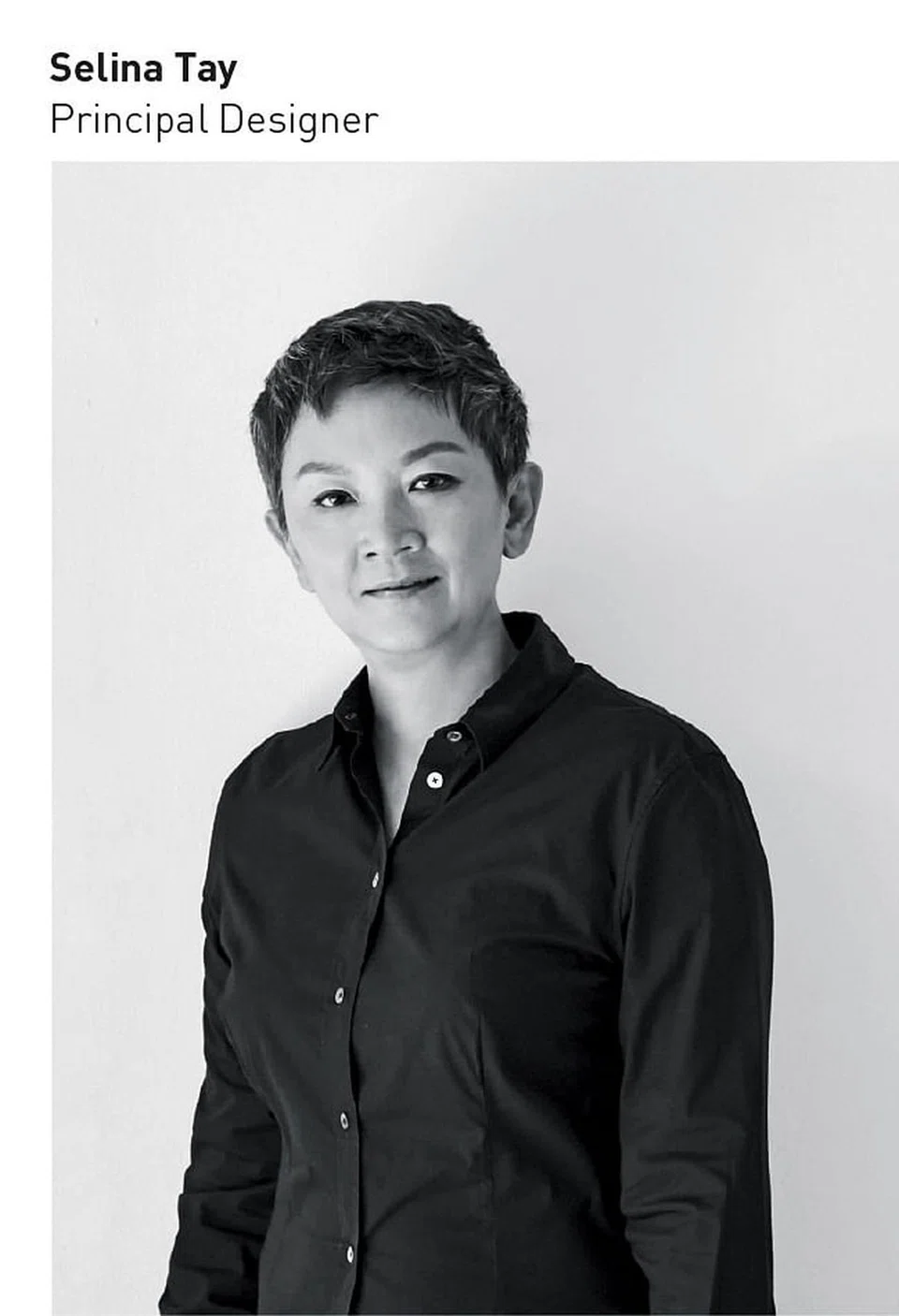
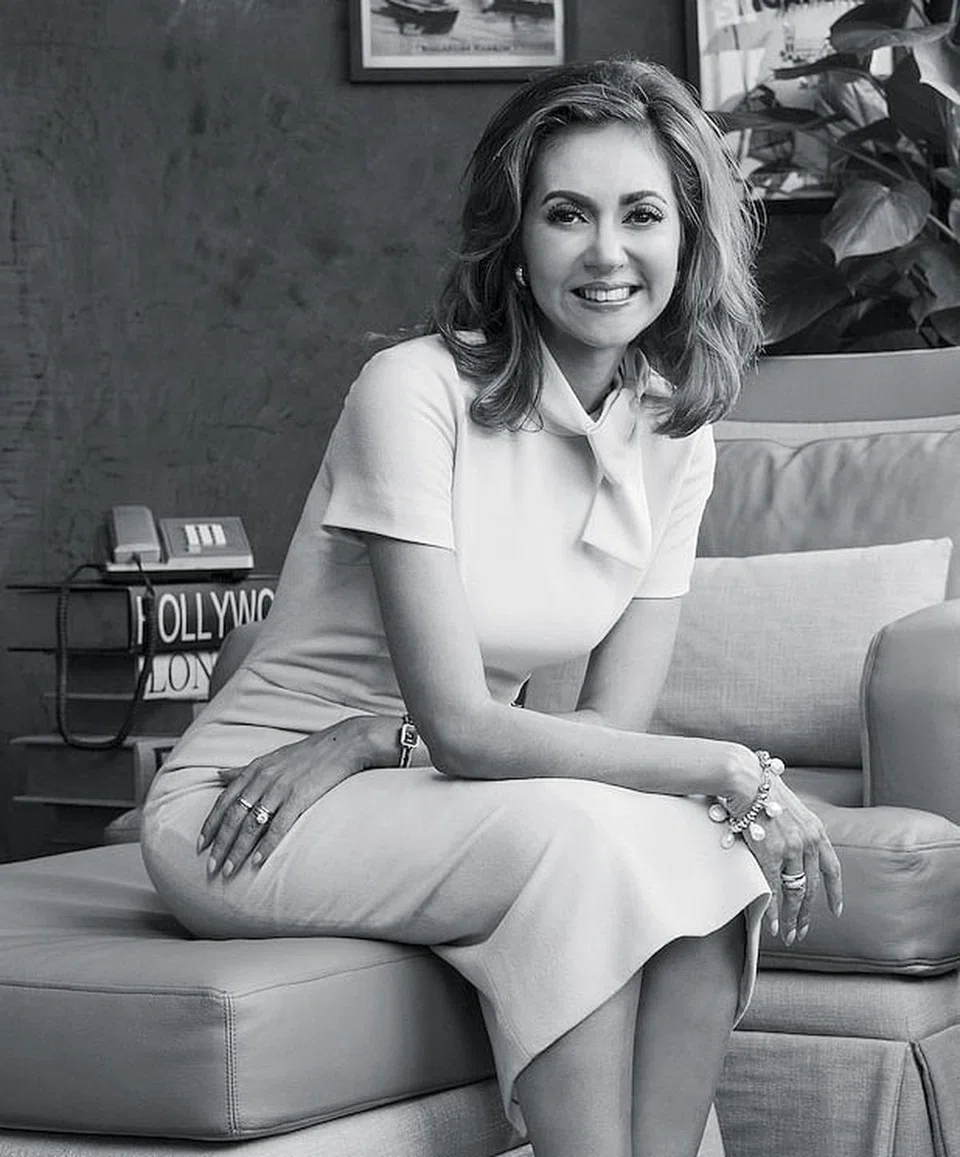
Portrait of Selina Tay, principal designer of Collective Designs
To accommodate the needs of growing children, Principal Designer Selina and Head Designer Jane of Collective Design recommend creating appealing, productive desk areas.
Include electricity sockets!
These areas naturally include adequate lighting and book and supply storage, not forgetting appropriate electrical outlets and cable management solutions to support technological needs.
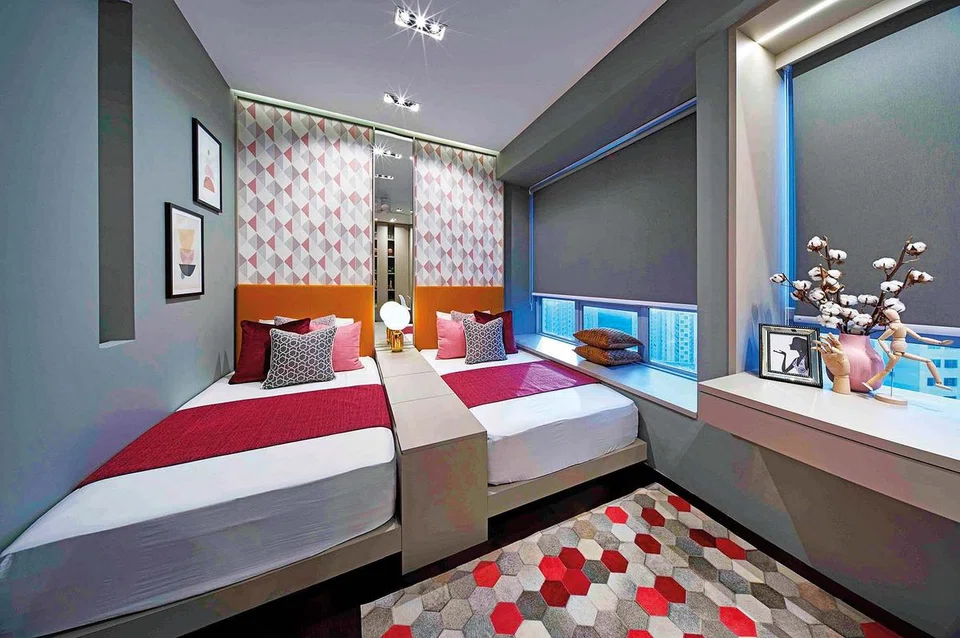
Your child’s bedroom design should be versatile, thus allowing for easy adjustments as they grow.
2. Cartoon Theme Children's Bedrooms
Nikki Hunt, principal designer of Design Intervention believes that parents need to be mindful of decorating with passing microtrends, as these can very quickly become dated.
“An obsession with The Little Mermaid or Power Rangers may only last a few months, so keep such themed items to soft furnishings that can be replaced like cushions or bed sheets.”
It makes very little sense to invest in child-sized miniatures that have limited usability and incur extra expenses later on down the track.
Nikki believes that the key is to place adjustable pieces around the room, so that leg and desk heights can be adjusted as your child grows.
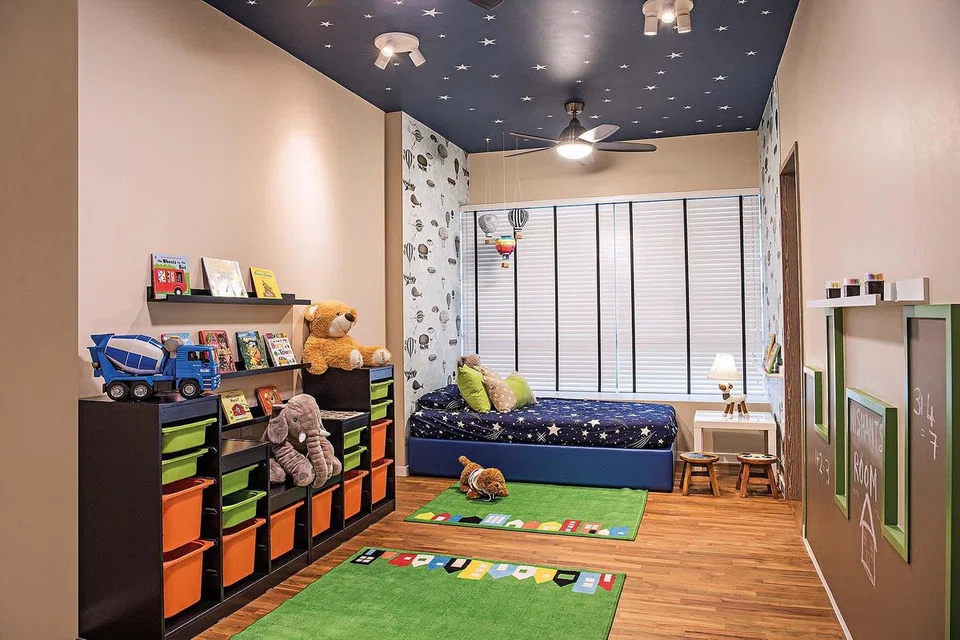
“Keep some normal sized pieces such as the bed, which can have a removable barrier placed on it. The wardrobe can also remain full height to maximise storage for parents, but allow for adjustable hanging bars so your child can pick their own clothes!”
Additionally, she encourages mixing in a few smaller pieces like child-sized armchairs, which can be recovered over time.

Carmen Tang, design director of Wolf Woof
Carmen, Design Director of Wolf Woof believes the same, “Your kid only has one chance to be a kid. While you won’t want to deny them the chance to live their childhood, you want the bedroom to be versatile enough to grow with your kid’s needs. Tread the thin line between making them happy and not having it cost an arm or leg to execute.”
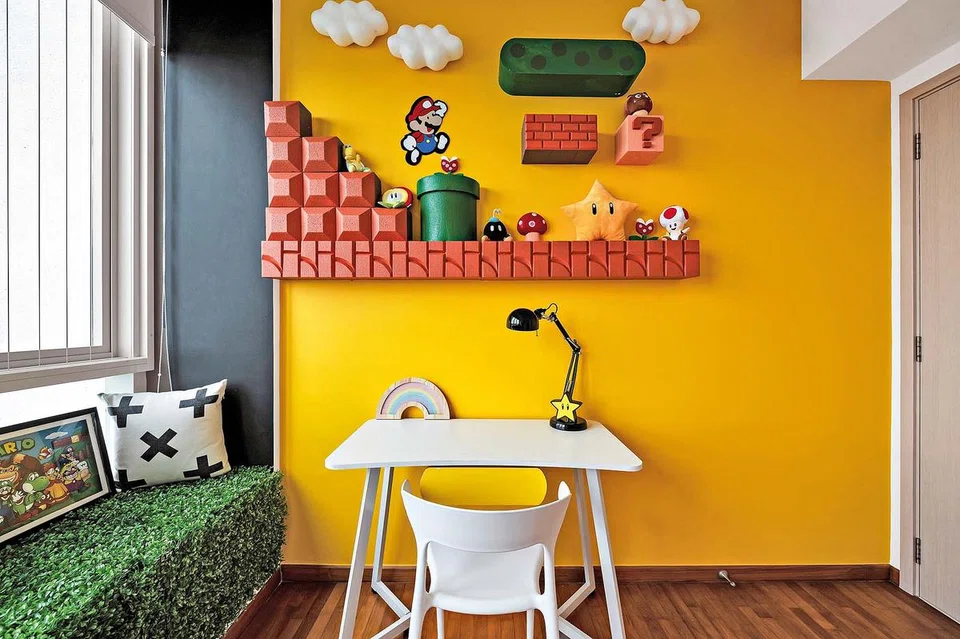
Carmen designed this room for a Super Mario Bros fan. To allow easy modifications for the child’s future obsessions, she proposed some quirky 3D Mario-themed wall decor pieces, transforming the wall above his study table into a feature wall.
If your child is particularly taken with wall art, let them have it! Pick options like decals, framed artwork, and easy-remove wallpaper so you can easily swap them out when they’re no longer wanted.
This way, you’ll be able to provide your child with some manner of personalisation, whilst ultimately ensuring your home maintains its style and polish.
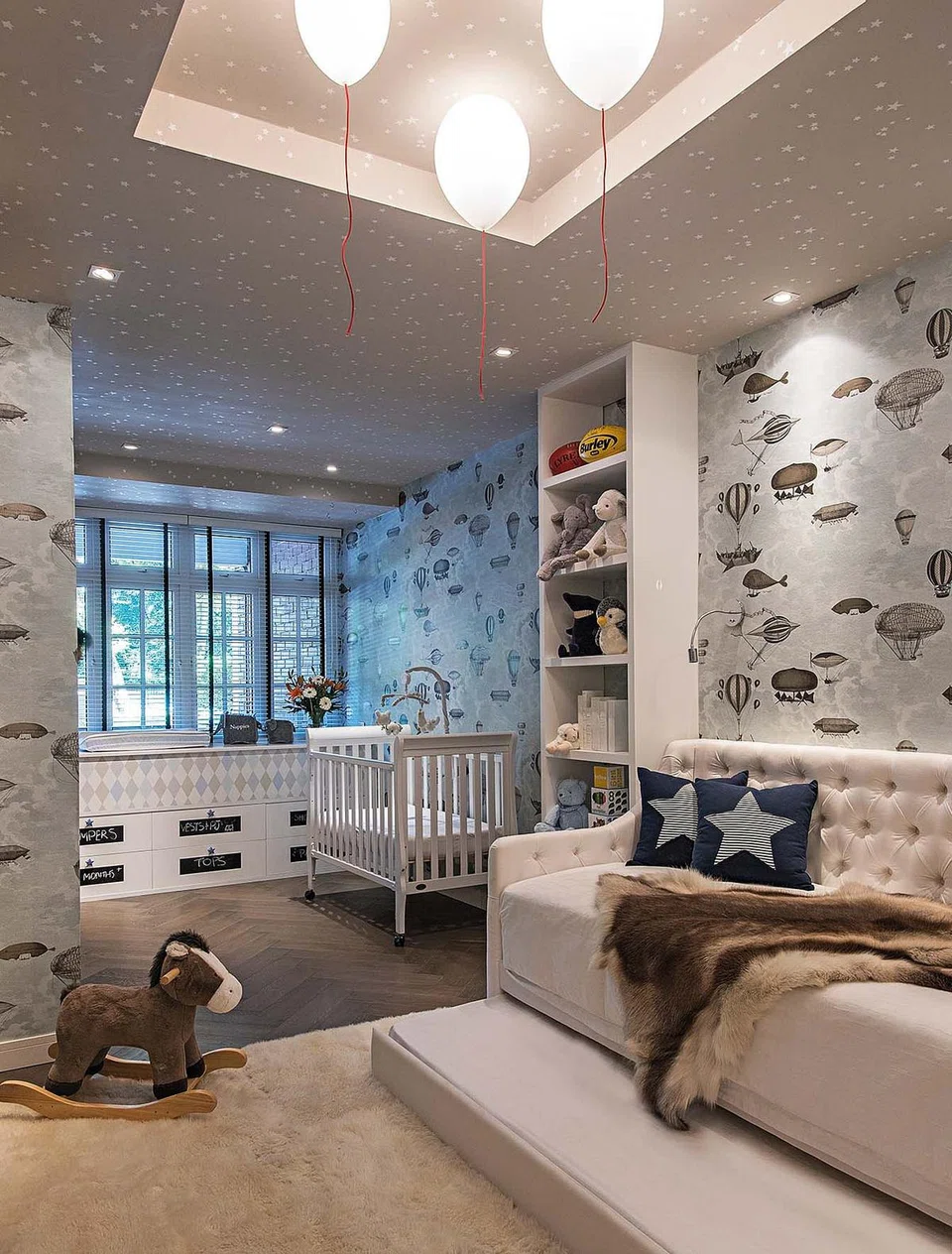
3. Child-safe bedroom designs
When it comes to the kids’ bedroom, safety is of utmost importance. Because children tend to have energetic bursts that bring them zipping around the space at the speed of light, it pays off to consider all the ways they could accidentally hurt themselves.
Make sure you don’t place any furniture beside windows, as climbers can easily make their ways up to potential peril.
Invisible window grills
Nikki Hunt, Principal Designer of Design Intervention shares, “Grills on balconies can be unsightly, but the new ‘invisible grills’ are barely noticeable while still providing adequate protection.”
Rounded furniture corners
She also advises parents to opt for rounded corners in furnishings, eschewing sharp edges that can cause injuries when knocked into.
Soft close door hinges
“Slow-closing hinges can also prevent little fingers from being trapped in drawers.”
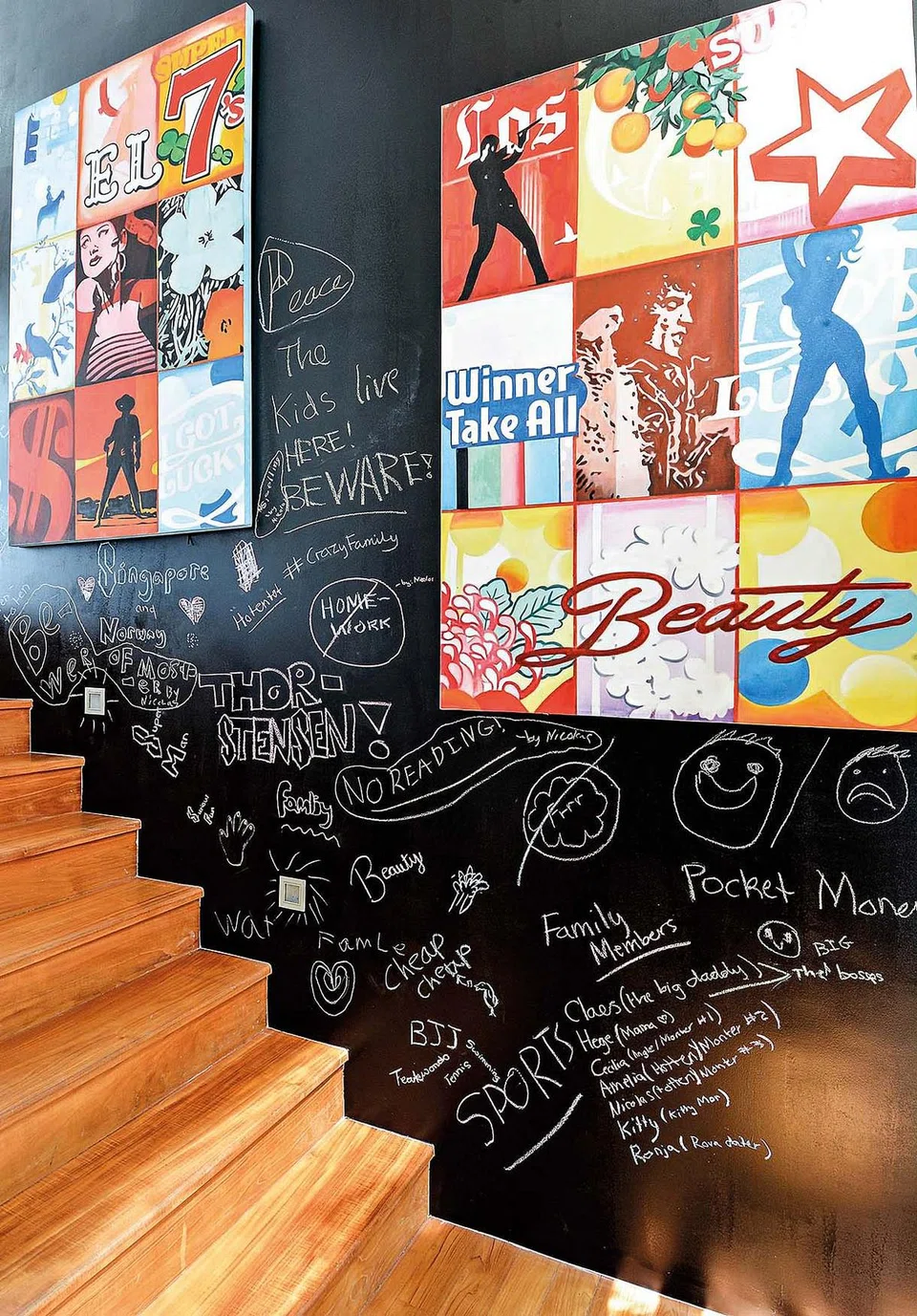
The Design Intervention team worked a chalkboard wall into this child’s bedroom, allowing them to indulge their creative side.
4. Waterproof, Stain-free Fabrics and Walls
It’s an inevitable fact of life that kids will make messes and stains. Mitigate this by protecting your soft furnishings.
Choose stain-guarded fabrics for sofas and chairs, include a waterproof mattress protector in bed, and opt for furniture pieces that are made using durable and easy-to-clean materials - as much as possible, avoid breakable items.
The goal is to ensure your child’s bedroom design endures the accidents of your kids, from spills to stray crayon marks alike.

Adrian Heng, founder of Spaceone Interior Design Consultancy
Of this, Adrian, founder of SpaceOne Interior Design Consultancy advises parents to avoid wall-coverings or fabric cladding for walls He shares: “Stick to paint that’s easy for maintenance.”
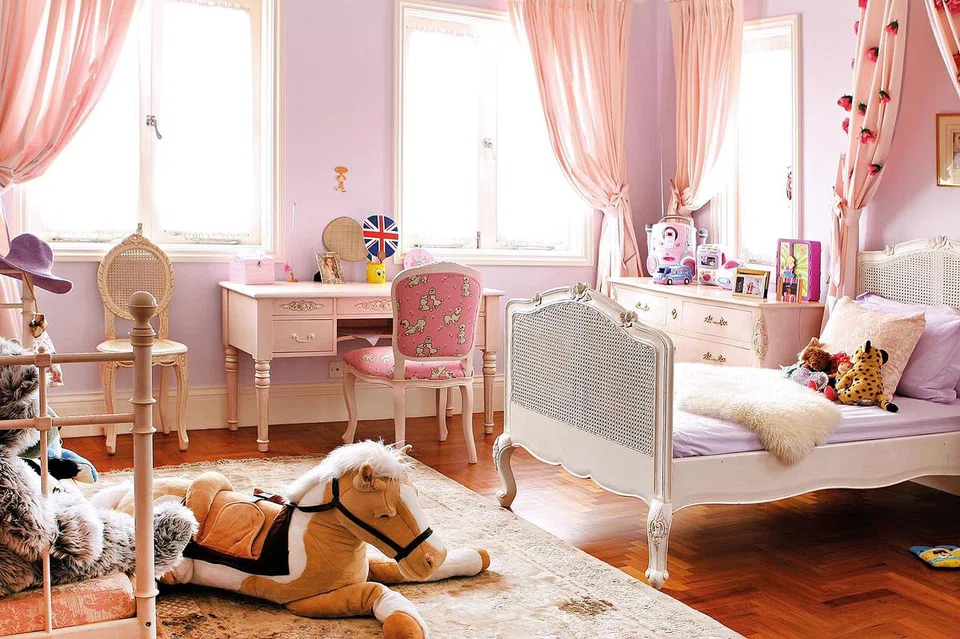
Soft pastels are perfectly balanced in this bedroom, further dressed up for comfort with plush materials and bedding.
5. Nurture your child's imagination
A kid’s bedroom isn’t merely a space to sleep in; it’s also the bridge to your child’s imagination. Ask your little ones for their opinion - from the colour of the room, to which of their toys should go on display. This provides space to nurture their creative sides.
Interior designers Selina and Jane believe that the best children’s bedrooms are spaces that inspire imagination and playfulness while emphasising safety.
“We also believe in personalisation during the design process,” They share. “We include a zone in the room to exhibit the child’s creativity and individuality, such as magnetic whiteboards, wash-off painted walls, or a classic pin bulletin board.”
6. Soundproof children's bedroom
Give your child the freedom to play as loudly as they would like. Soundproofing is a solid, viable way to protect the peace - within the neighbourhood and within your own home.
Start by soundproofing your windows; not only will this keep noise in, it’ll also keep the noise from outside out, allowing your child to sleep soundly through the night. You can also mitigate noise disruptions by ensuring you pick a heavy door to cut through the screams of play.
Likewise, similar sound dampening materials can be used to outfit walls and floors alike.
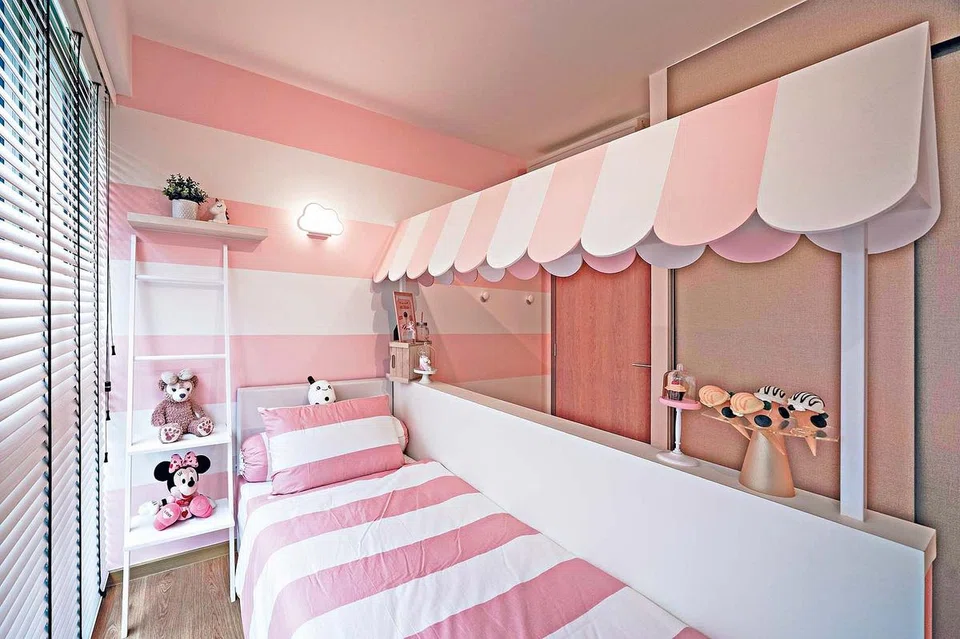
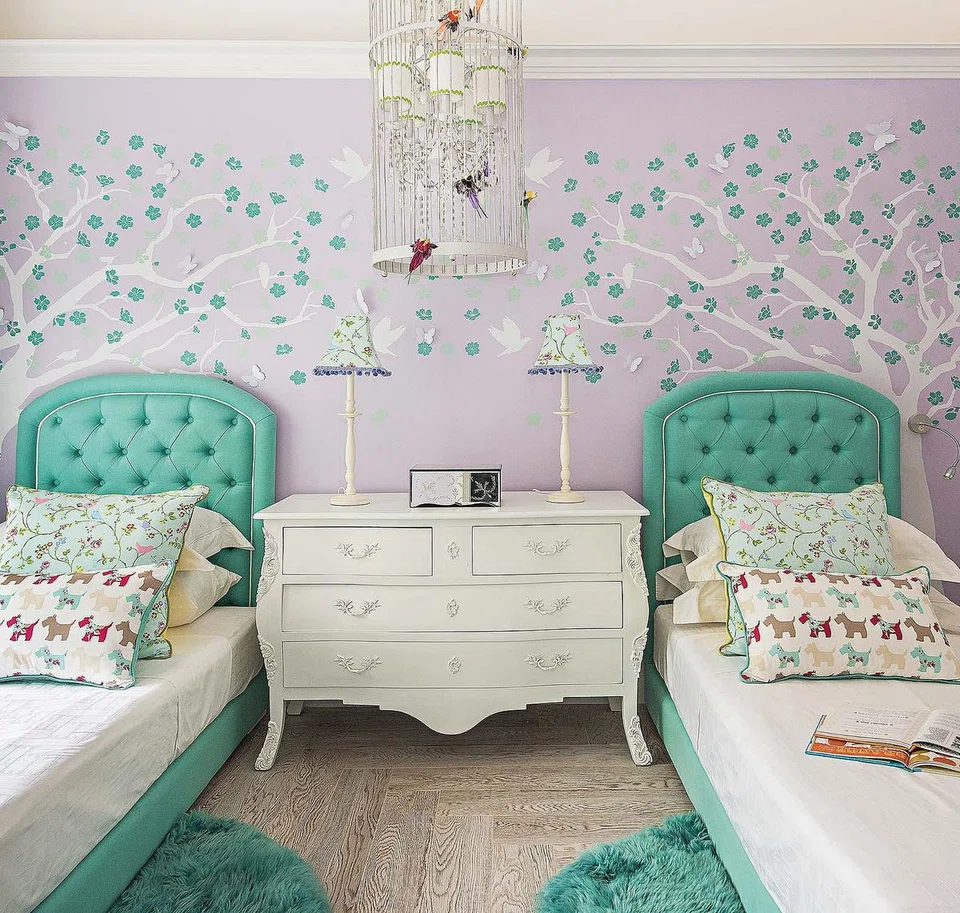
For this little girl’s bedroom, Carmen utilised soft pastels to create a cheerful, ice-cream themed space.
7. Neutral Colour Palette for Kids Bedroom
Adrian advises that parents should keep colours pastel or in neutrals. Additional colour and decorative elements can be added in fixtures, furnishings, and soft furnishings alike.
Carmen’s tip for coordination: “Ensure that there are accent colours to define the space, and secondary colours to support the former.”