
Beyond Soft or Firm: What Really Makes a Mattress Comfortable
From heat retention to motion transfer, knowing what sits inside a mattress can help you work out whether it suits the way you actually sleep
By Home & Decor Team -
Share this article
When choosing a mattress, many shoppers instinctively focus on whether it feels soft or firm. But firmness is only one part of the comfort equation.
Will it trap heat? Does the surface provide enough cushioning around your shoulders and hips? Will you feel your partner turning beside you? And will the mattress support your body comfortably without feeling excessively firm or allowing you to sink too deeply?
What sits beneath the surface matters too, from the fabric and cushioning layers closest to your body to the springs supporting them underneath.
Understanding these different components can help you make a more informed comparison between mattresses rather than relying on the first impression you get in a showroom.
Here are four things worth checking before you buy.
1. Will it keep you cool through the night?
A mattress may feel comfortable when you first lie down, but temperature can make a noticeable difference after several hours of sleep.
The materials closest to the body play an important role here. The mattress cover, quilting and upper comfort layers can affect how easily heat and moisture move away from the sleeping surface.
This can be particularly relevant in Singapore’s warm and humid climate, especially for people who already tend to feel hot at night.
When comparing mattresses, look at what materials are used near the surface and whether they have been designed with breathability or airflow in mind.
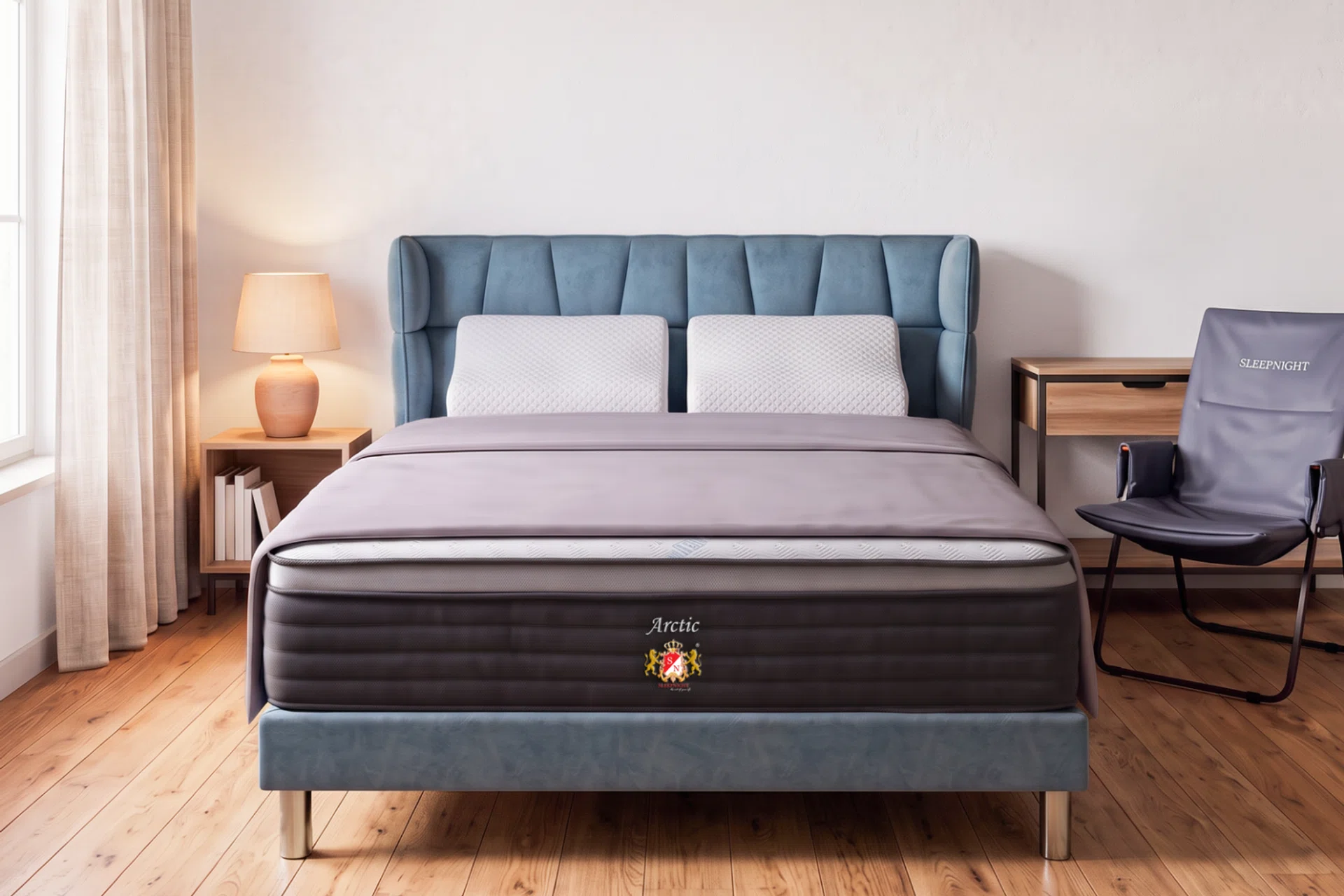
The Sleepy Night Master Support Mattress by SLEEPNIGHT, for example, uses Cool Sense knitted fabric in its cover, designed to help improve airflow and dissipate heat.
But the cover is only one part of the picture. The layers beneath it also affect how warm or cool a mattress feels, particularly as your body settles into the surface over the course of the night.
Rather than judging a mattress only by how cool the fabric feels to the touch, consider how its upper layers are constructed and how they work together.
2. What provides the cushioning and support?
Once you get past the cover, the next thing to consider is the comfort layer beneath it.
This is the part of the mattress that helps cushion areas of the body that press more firmly into the surface, such as the shoulders and hips.
Different materials create different sensations.
Memory foam generally conforms more closely around the body, while latex tends to feel more responsive and springs back more quickly when pressure is removed. Other types of foam can vary in density and resilience.
The Sleepy Night Master Support Mattress by SLEEPNIGHT uses a high-resilience latex comfort layer beneath its Euro Top. This is designed to provide cushioning while retaining a more responsive feel.
This distinction matters because cushioning and firmness are not necessarily the same thing.
A mattress does not have to feel extremely firm to provide support, just as a softer surface does not automatically mean your body will sink too deeply into it.
What matters is the balance between the layers above and the support system below.
A side sleeper, for instance, may notice how much cushioning there is around the shoulders and hips, while someone who sleeps on their back may pay more attention to how evenly the mattress feels across the body.
So instead of asking only whether a mattress is soft or firm, pay attention to how the upper layers respond when you lie in your usual sleeping position.
3. How much of your partner’s movement will you feel?
If you share a bed, comfort is not only about how the mattress feels beneath your own body.
It is also about what happens when the person beside you moves.
A partner turning over, getting out of bed or returning later at night can create movement across the mattress. How much of that movement reaches your side is known as motion transfer.
The way the mattress is constructed can make a difference.
In an interconnected spring system, movement in one area can affect neighbouring springs. Individually wrapped pocket springs, by contrast, are designed to respond more independently to pressure.
The Sleepy Night Master Support Mattress by SLEEPNIGHT uses individually wrapped pocket springs, allowing different parts of the mattress to react separately rather than moving as a single connected unit.
This can help reduce how much movement is transferred from one side of the bed to the other.
4. Look at how the whole mattress is put together
From the outside, two mattresses can look very similar.
The differences are often hidden inside: how thick the upper layers are, what materials they use, how the springs are arranged and how the mattress has been built as a whole.
Mattress height can offer one clue.
A Euro Top, for example, adds an extra cushioned section to the top of the mattress. The Sleepy Night Master Support Mattress by SLEEPNIGHT has an 11-inch profile with a Euro Top, latex comfort layer and individually wrapped pocket-spring system.
But height alone does not tell you whether a mattress will be comfortable.
What matters is what makes up those inches and how the layers work together.
That is why it can be useful to look beyond descriptive terms such as “plush” or “firm” and ask what is actually inside the mattress.
What type of material is used in the comfort layer? What kind of spring system sits beneath it? How thick are the different sections?
Every SLEEPNIGHT mattress comes with a law tag bearing a QR code that shoppers can scan to view the specifications and materials used providing greater transparency about the construction of each individual mattress.
This can make it easier to compare mattresses based on their actual construction rather than relying only on product names or how they feel during a brief showroom test.
Ultimately, there is no single combination that will suit everyone.
Someone who sleeps warm may prioritise breathable materials, while a couple may pay more attention to motion isolation. Others may focus on how much cushioning the mattress provides or how responsive it feels when they change position.
Knowing what is inside simply gives you more information to work with.
If you use your bed for more than sleeping
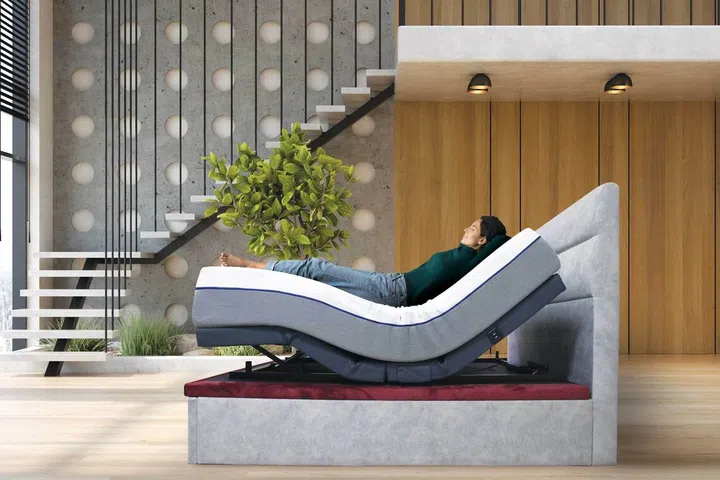
For many people, a bed is also where they read, watch television or simply relax.
That usually means arranging pillows behind the back or under the legs to find a comfortable position.
An adjustable bed base offers another option by allowing different parts of the sleeping surface to be raised or lowered.
The SLEEPNIGHT Ergoflex Adjustable Lifestyle Bed, for example, allows the head and leg sections to be adjusted independently, so users can change their position for activities such as reading, watching television or relaxing in bed.
As with a mattress, the best way to work out whether an adjustable base suits you is to try it. Test several positions and consider whether the range of adjustment feels comfortable for the way you actually use your bed.
The Sleepy Night Master Support Mattress by SLEEPNIGHT is a new arrival and will be available at The Lifestyle Collective 2026 for $999 for a Queen size, down from its usual price of $1,799.
Mattress models at the show start from $649, while the Ergoflex Adjustable Lifestyle Bed complete set starts from $2,099.
Shoppers can also receive free gifts worth up to $788 during the show.
More information is available on the SLEEPNIGHT website.