
10 Most Popular Chinese New Year Goodies 2024: Pineapple tarts, bak kwa, melon seeds (Price)
Share this article
Sharing CNY snacks is a deeply rooted tradition in Singapore, connecting families and generations through shared flavors and memories. Many snacks have symbolic meanings associated with fortune, prosperity, and longevity, adding to the festive spirit.
Beyond displaying Chinese New Year snacks on your coffee table while hosting guests, these CNY snacks are exchanged as gifts to friends, family, and colleagues, expressing good wishes and strengthening social bonds - fostering a sense of community and belonging, bringing people together during the festive period.
In recent years, some newer trends emerging in the CNY snack landscape include healthier options (e.g., baked pineapple tarts), artisanal versions with premium ingredients, and unique flavors or twists on classic recipes.
10 Most Popular Chinese New Year Snacks
Here are the 10 most popular CNY snacks and goodies in Singapore and how much they cost in 2024.
| Chinese New Year Snacks | Price Range |
|---|---|
| Pineapple Tarts | $8 - $38 |
| Love Letters | $5 - $29 |
| Peanut Cookies | $5 - $20 |
| Bak Kwa | $18 - $84 |
| Mandarin Oranges | $7 - $42 |
| Nian Gao | $1.80 - $53 |
| Kuih Bahulu | $5 - $23 |
| Honeycomb Biscuit | $10 - $21 |
| Shrimp Rolls | $6 - $37 |
| Melon Seeds | $9 |
Pineapple Tarts
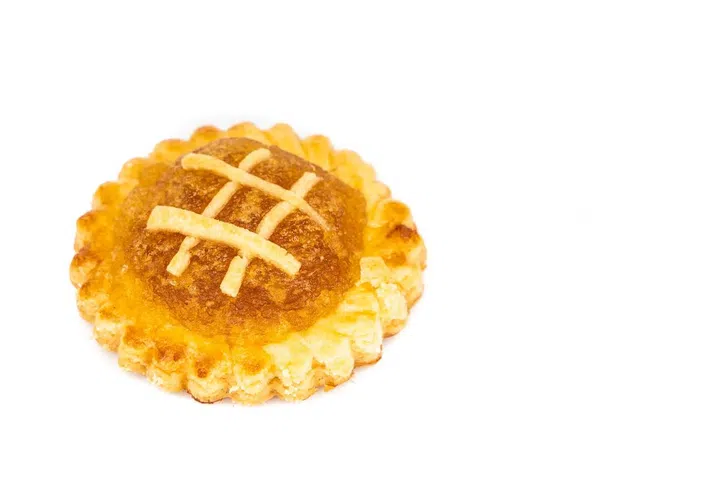
The undisputed king of CNY snacks in Singapore, with countless variations including Nyonya (crisp and crumbly), open-faced, and even pineapple balls with French butter for a luxurious twist.
Pineapple is a symbol of wealth, prosperity, and good fortune in Chinese culture. The Hokkien word for pineapple, "ong lai," sounds similar to the words for "prosperity has come." Therefore, consuming pineapple or pineapple-related items during Chinese New Year is believed to bring good luck and prosperity.
The vibrant yellow color of pineapple is associated with wealth and good luck. Additionally, the round shape of the pineapple tart is symbolic of completeness and unity, reinforcing the idea of family and togetherness during the New Year.
Love Letters (Kuih Kapit)
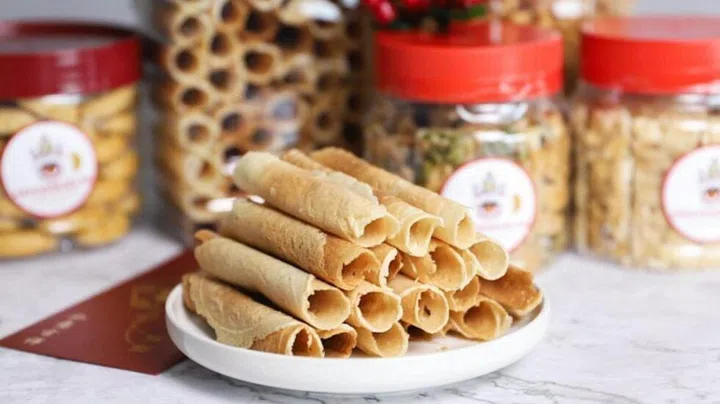
Similar to pineapple tarts, kuih kapit is associated with good fortune and prosperity. The thin, crispy layers of the egg roll are thought to symbolize a stack of gold coins or ingots, representing wealth and financial success in the coming year.
Kuih kapit is often made into circular shapes, symbolizing completeness and unity within the family. Additionally, the golden brown color of the crispy egg rolls is considered auspicious and associated with prosperity.
Making kuih kapit is a labor-intensive process that involves skill and time. Families often come together to prepare these snacks, turning it into a communal and meaningful activity. The act of sharing homemade kuih kapit with relatives, friends, and neighbors is a gesture of goodwill and unity during the festive season.
These delicate, crispy love letter rolls are made from rice flour and coconut milk, symbolizing sweet promises and unity.
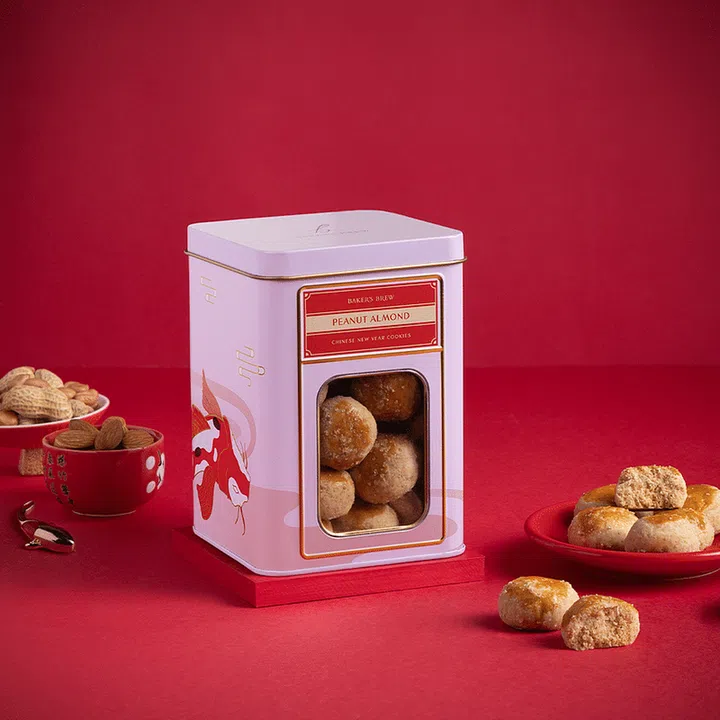
Peanut Almond cookies ($29.80) for Chinese New Year from Bakers Brew. Photo from Bakers Brew
Peanut Cookies
Peanuts are often associated with longevity and good health in Chinese culture. The Chinese word for peanut, "hua sheng" (花生), sounds similar to the words for "continuous growth" or "lifelong," symbolizing longevity and prosperity. Therefore, consuming peanut cookies during the New Year is believed to bring good wishes for a long and prosperous life.
Peanut cookies are known for their rich and nutty flavor, as well as their crumbly and melt-in-the-mouth texture. The combination of sweet and savory flavors makes them a delightful treat that is enjoyed by many during the festive season.
These crunchy and buttery peanut cookies represent longevity and good health.
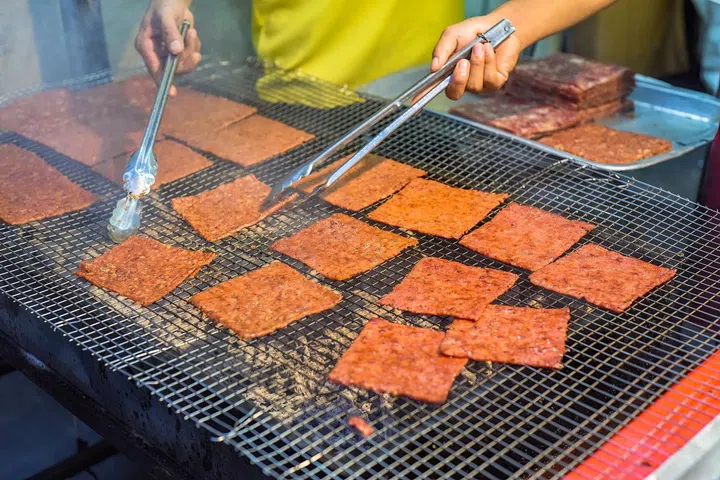
Bak Kwa
Bak Kwa are spicy and savory slices of minced pork or beef jerky, symbolizing prosperity and good luck.
The word "bak kwa" in Hokkien, one of the Chinese dialects, means "dried meat." The word "kwa" sounds like the Chinese word for "wealth" or "prosperity." As a result, consuming bak kwa during the New Year is believed to bring good luck and financial prosperity.
Bak Kwa is typically reddish-brown due to the marination process and the addition of ingredients like soy sauce and sugar. In Chinese culture, the color red is considered auspicious and symbolizes good fortune and joy.
Bak Kwa is often shared among family members and given as gifts to friends and relatives. Offering this savory snack is a gesture of generosity and good intentions for the coming year.
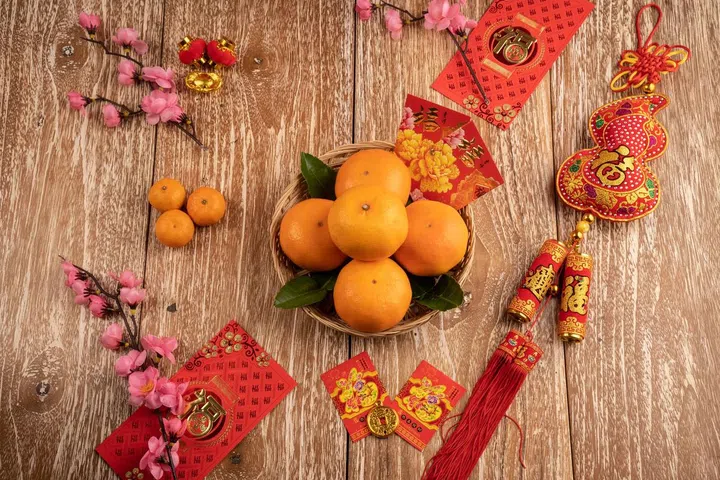
Mandarin Oranges
Mandarin Oranges are auspicious gifts due to their name sounding like "gold" in Cantonese and representing abundance.
Mandarin oranges are associated with wealth and abundance in Chinese culture. The word for "orange" in Chinese, "橙" (chéng), sounds similar to the word for "success" or "wealth" (成). Therefore, the exchange and consumption of mandarin oranges during the New Year symbolize the wish for prosperity and good fortune.
The Chinese word for mandarin orange, "桔" (jú), sounds like the word for "good luck" (吉). This linguistic association further reinforces the idea that mandarin oranges bring good luck and positive energy for the coming year.
Mandarin oranges are commonly exchanged as gifts during Chinese New Year visits.
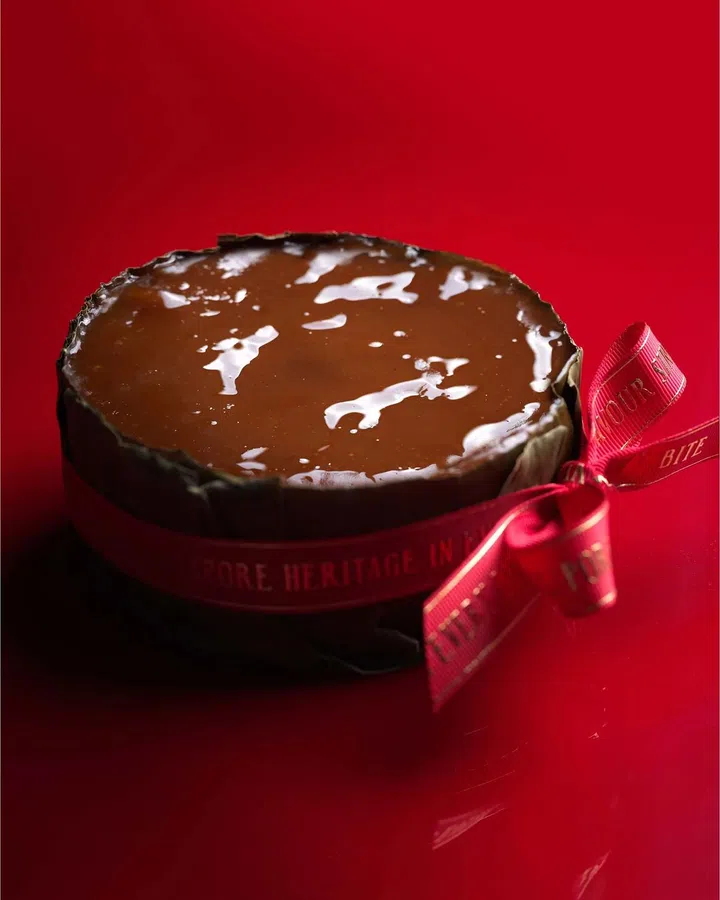
Traditional Nian Gao (Sticky Rice Cake) for Chinese New Year ($38.80) from Old Seng Choon. Photo from Old Seng Choon
Nian Gao (Rice Cake)
"Nian Gao" or sticky rice cakes are offered over the Chinese New Year season for prosperity and a "higher" year.
The word "Nian" in Nian Gao sounds similar to the Chinese word for "year" (年), and "Gao" sounds like the word for "tall" or "high" (高). The association suggests the wish for progress, growth, and the promise of a better year ahead.
The word "Gao" (糕) is also associated with the idea of reaching higher levels or achieving greater heights. Therefore, consuming Nian Gao is believed to bring success, promotions, and overall improvement in one's social and economic status.
Nian Gao has a sticky and chewy texture, symbolizing the idea of family togetherness and unity. The stickiness is believed to "bind" the family together and ensure a close-knit and harmonious relationship.
Nian Gao has a long history and is deeply rooted in Chinese culinary traditions. It is often associated with offerings to ancestors during important occasions, including the Chinese New Year.
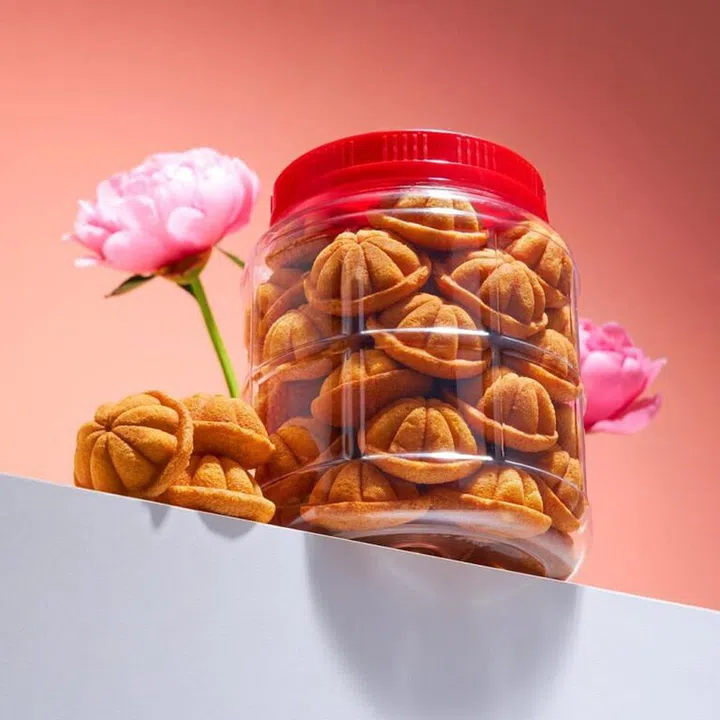
Honey Kuih Bahulu by Ding Bakery ($14.90) for Chinese New Year. Photo by Ding Bakery
Kuih Bahulu
Kuih Bahulu is a type of traditional Malay and Peranakan sponge cake. They are often associated with Chinese New Year due to its symbolism of prosperity and unity. The small, bite-sized cakes are often served in large quantities, representing abundance and the gathering of family members.
Kuih Bahulu is typically round in shape, symbolizing completeness and unity within the family. The roundness signifies the family coming together for the celebration of the New Year.
The light and fluffy texture of Kuih Bahulu is believed to represent a wish for a light and happy year ahead, free from burdens and troubles.
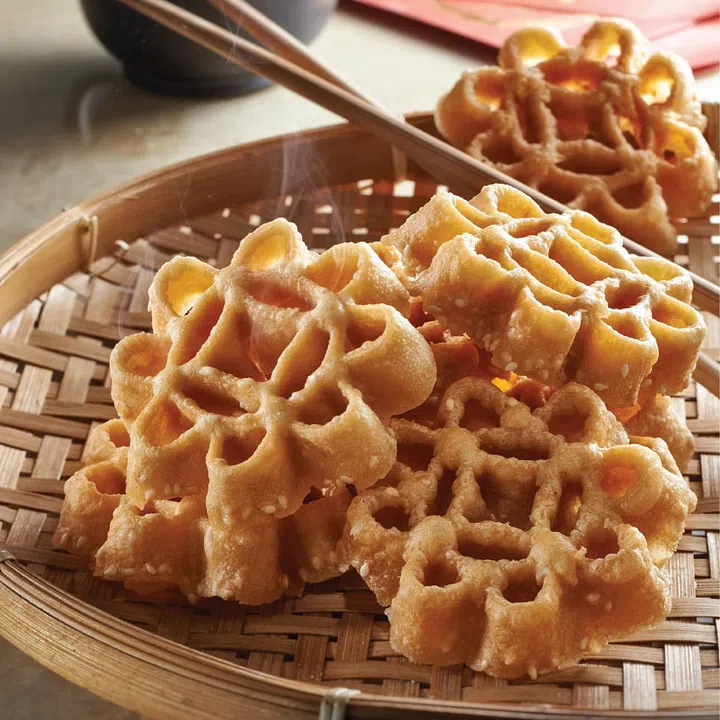
Honeycomb (or "Feng Wo") biscuits for Chinese New Year ($21.80) from Mdm Ling Bakery. Photo from Mdm Ling Bakery
Honeycomb Biscuit
Honeycomb biscuits, also known as Kuih Loyang or Beehive Cookies, are light and airy biscuits shaped in a honeycomb pattern symbolizing sweet words and good communication.
The round, intricately patterned shape of honeycomb biscuits is often associated with unity and completeness within the family. The interconnected circles on the biscuit symbolize family members coming together to celebrate the New Year.
The honeycomb pattern itself is considered auspicious. In Chinese culture, hexagons (similar to the shapes in honeycomb) are associated with good luck and harmony. The repeating pattern on honeycomb biscuits is believed to bring positive energy and blessings for the coming year.
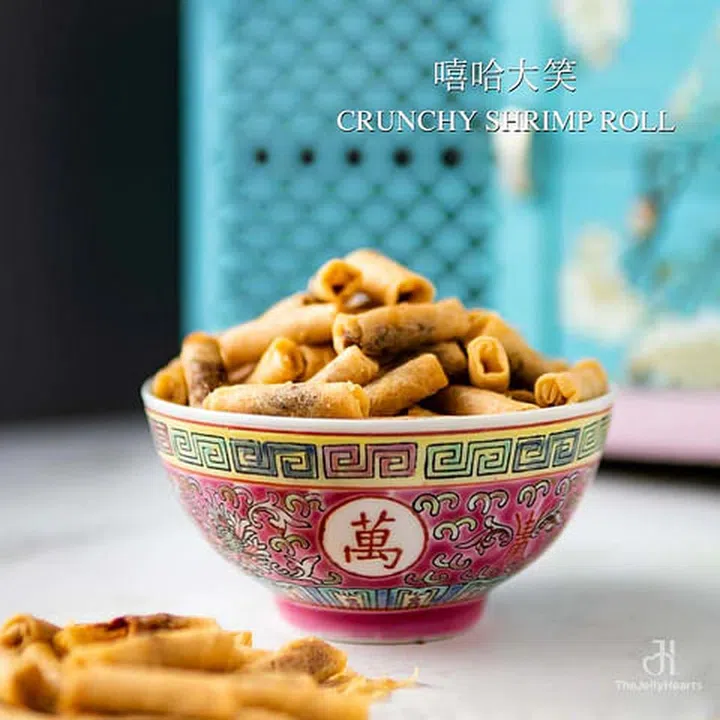
Shrimp Rolls for Chinese New Year ($19.80) from The Jelly Hearts. Photo from The Jelly Hearts
Shrimp Rolls
Shrimp rolls are crispy spring rolls filled with prawns or vegetables, signifying wealth and happiness.
Shrimp, or prawns, are considered a symbol of happiness and good fortune in Chinese culture. The word for shrimp in Chinese, "há xiā" (虾), sounds similar to the word for laughter (哈哈), which is associated with joy and happiness. Consuming shrimp rolls during Chinese New Year is believed to bring positive energy and good luck for the coming year.
Shrimp rolls often have a golden or orange hue after frying, which is considered an auspicious color in Chinese culture. The golden color symbolizes wealth and prosperity, aligning with the wishes for a prosperous New Year.
Shrimp rolls are known for their delicious combination of crispy exterior and succulent, flavorful filling.
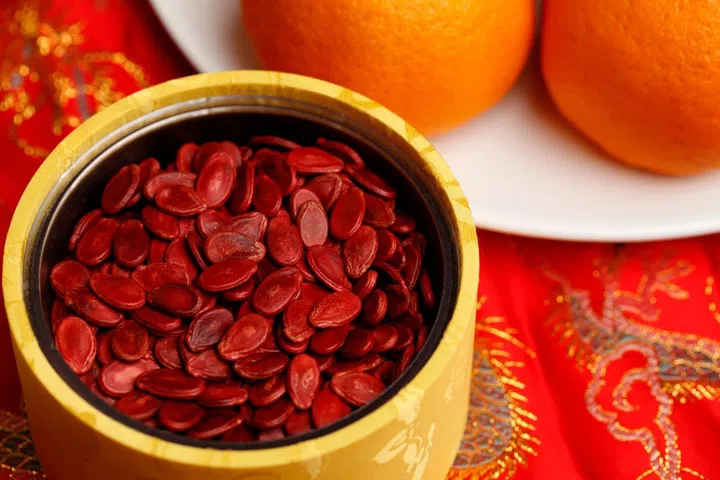
Melon Seeds
Red, white and black melon seeds are popular during Chinese New Year as they symbolize fertility and abundant offspring.
Melon seeds are symbolic of fertility and growth. The round shape and the abundance of seeds within a melon represent the hope for a prosperous and fruitful year ahead.
White symbolizes purity and cleanliness, while black is associated with strength and stability. The combination of these colors is believed to bring a harmonious balance and positive energy.
There is a tradition of cracking melon seeds during Chinese New Year. The cracking sound is believed to scare away evil spirits and negative energy, ushering in good luck and positive vibes for the New Year.
Why are Chinese New Year goodies so expensive?
You may have noticed Chinese New Year snacks in Singapore are getting more expensive. These days, even a small tin of “love letters” or pineapple tarts can reach upwards of $15. Well, we have some insider knowledge of why this is happening (one of our staff is in the food business), and it may surprise you. The food industry is what’s causing the price to rise.
First, let’s leave out the obvious: there is always inflation as a result of economics. For the same reason your great-grandparents could buy satay at three cents a stick and you can’t, Chinese New Year snacks are also going up in price.
That being said, we have some insider knowledge as to why the prices are climbing as well. It’s not quite related to the cost of production. Rather, snacks are more expensive because…
- Singaporeans developed a taste for more elaborate snacks
- The trend toward “homemade” snacks
- Consumers like to buy snacks that can’t be stockpiled
- There is an unofficial cartel
1. Singaporeans Developed a Taste for More Elaborate Snacks
Think back to the 80’s and 90’s. Do you remember the kind of snacks people stocked for Chinese New Year at the time? Sure, some of the classics like hae bee hiam prawn rolls and pineapple tarts are still around, but there was a lot of generic, mass-produced snacks too. Things like Fox candies, White Rabbit sweets, or Haw flakes purchased from the mama shop downstairs.
These days, the snack offerings have become more elaborate. You seldom see Singaporeans who chuck five kinds of sweets and some pistachio nuts into a bowl and call it done. Perhaps it’s because we’re a more affluent society, or perhaps the Internet makes it easier to search and order more fancy snacks. Whatever the reason, snacks are more complex and harder to make today.
These days we see Kueh Lapis from Indonesia (the one with the prunes, that many of you like to buy from Batam), Keropok from a special market in Ipoh that only you and your friends know about, and so forth. One of our staff, who is in the food business, points out that restaurants make a lot of money selling Chinese New Year kueh these days, which in itself is a sign.
Increasing numbers of Singaporeans now buy their snacks from full-blown restaurants, as opposed to buying huge bulk packages from a wholesale factory in Woodlands.
So it’s not that the cheap, mass-produced snacks haven’t gone away. It’s that Singaporeans as a whole are looking for more expensive and exotic offerings since everyone wants to be a good host.
2. Trending “Homemade” Snacks
As mentioned, Singaporeans want something special. It’s not enough just for prawn rolls to be prawn rolls; they should be homemade. The most notorious of these are pineapple tarts.
Go out on the street, and ask Singaporeans (especially older ones) if they can tell the difference between homemade pineapple jam and real pineapple jam. About a third of the Singaporeans you ask will probably say that there’s a big difference.
Perhaps homemade really tastes better, or perhaps it’s just the romantic notion of people stirring big pots and rolling dough with their hands. Whatever the case, retailers have picked up on it.
There are increasing numbers of retailers (some of them restaurants) who now churn out homemade snacks. And if they’re telling the truth, it’s no wonder their snacks are so expensive. Until you’ve actually bought 30 pineapples, lugged them to your home, cut them, mashed them, cooked them for hours in a huge pot, and then started the incredibly long and backbreaking work of baking the pastry with patterns on the rims, it’s hard to complain how justified the price is.
Many retailers, due to the demand for “homemade”, have to hire extra helpers at this time of the year. Behind the scenes, they work long hours comparable to a typical slavery situation.
All this translates to increased costs for consumers. However, it’s a cost Singaporeans seem happy to pay so they can serve those treasured homemade snacks and make their visit unforgettable.
Just in case you’re wondering, the “homemade” label tends to jack up costs by roughly 25%. So a S$15 box of pineapple tarts would be around S$18 or S$20 instead. Of course, you have no way of knowing whether they’re really homemade, unless you’re confident you can taste the difference.
3. Chinese New Year Snacks Expire Quickly
Remember what we said above, about a large number of temporary workers, who have to be hired to make snacks around Chinese New Year?
Well, one difference between simple snacks (seeds, nuts, candy) is that they can be stockpiled. Producers can ramp up production half a year in advance if they want to, as the food products will still keep.
You can’t do that with authentic homemade kueh, like homemade nian gao or kueh lapis or pineapple tarts. These items don’t keep, so have they to be made in the week or so leading up to Chinese New Year. This means a temporary surge in production, which means paying for more workers and overtime.
And those temp workers get expensive, because – and you can probably see this coming – most people don’t want to work a side job or extra hours during the Chinese New Year season.
Again, this means a bigger price tag on the various snacks.
4. Bak Kwa CNY Price Ceilings
Some new year snacks, an astute reader will point out, are produced all year around; they shouldn’t be affected by a sudden surge in demand and production needs. Bak kwa prices, for example, go up at Chinese New Year, but bak kwa is produced all the time.
The simple reason is an unofficial cartel. Shops raise prices because every other shop is raising prices, and you have no choice but to buy at the inflated rate from any one of them. We say “unofficial” because no one is walking around and forming a massive bak kwa coalition to fix prices (we hope!).
It’s just a natural market condition that causes the price to go up. An unofficial “ceiling” will form – a price that, once reached, will be sufficient to actually turn customers away. However, prices are steadily rising because that ceiling seems to be rising every year (for all the reasons mentioned here).
How Can Singaporeans Save Money on Chinese New Year Snacks?
Fix a budget for snacks, and refuse to buy outside of the planned budget. Most expensive snacks are bought on impulse, like when samples are freely offered at a restaurant counter. (Although, a good pineapple tart is hard to resist, we’ll admit.)
Also, rein in any urge to “compete” with other people’s snacks. You don’t need every single item to be imported from a secret kampung in Ipoh, or made by the hands of a master baker. Have one or two “star” items, and then break out the White Rabbit candies and peanuts for the others.
Part of this article was written by Ryan Ong from SingSaver.com.sg.