
Share this article
From AI-driven climate control to voice assistants that finally understand local accents, 2025 promises a smarter, more seamless home experience. Discover how these advancements can transform your flat or condo into a high-tech haven that adapts to your lifestyle and our tropical climate – all while saving energy and making everyday living effortless.
Think smart homes are just about remote-controlled lights and voice-activated gadgets? In 2025, Singapore’s smart homes are evolving far beyond that, bringing advanced tech to adapt to our unique lifestyle needs. From energy-efficient solutions ideal for tropical weather to seamless connectivity in HDB flats and condos, the latest smart home technology is set to redefine the way we live, work, and unwind.
3 Singapore Smart Home Trends
1. AI for humid climate control
Artificial intelligence (AI) isn’t just revolutionising global industries; it’s making a mark in Singaporean homes by optimising comfort and energy use. Imagine coming home to an ideal indoor climate—AI sensors adjust air-conditioning to match outdoor temperatures, while smart fans regulate airflow in real-time. These AI-powered features are increasingly essential in Singapore’s warm and humid climate, ensuring comfort without excessive energy costs.
Eric Yeo, Director of Koble, a leading smart home provider in Singapore, explains, “AI-driven systems now learn and predict the habits of those in the home, making automatic adjustments that keep both comfort and efficiency in mind.” Expect cooling systems that work only when needed, saving on utilities and environmental impact.
2. Smart home integration
Smart home setups have sometimes faced compatibility challenges, especially in HDB and condo settings with limited space and complex layouts. Newer protocols, like Matter and Zigbee, allow for smoother integration, meaning homeowners can connect different smart appliances—from smart lighting to air purifiers— without the hassle of multiple apps or specialised commands.
These connectivity protocols are designed to overcome common local obstacles, such as the thick walls in HDB flats that may interfere with signals. In 2025, expect systems that ‘just work’ together, making a cohesive smart home experience more accessible to the average Singaporean homeowner.
3. Voice assistants for Singlish
Singaporeans are no strangers to modifying our accents and phrases for technology to understand us, but that’s changing. New advancements in natural language processing (NLP) are making voice assistants more intuitive for local accents and even familiar with some Singlish terms.
This cultural sensitivity enhances the experience, allowing Singaporeans to give commands in a way that feels natural without losing efficiency or reliability. Eric Yeo notes, “Voice assistants are now more culturally tuned, reducing the learning curve for locals and making smart homes easier to manage.”
How to Create a Smart Home in Singapore?
Thinking about turning your HDB flat or condo into a smart space? Here’s a guide to creating a smart home tailored to local needs.
1. Gradual upgrades
Renovating or upgrading a new apartment? An all-in approach allows you to install critical smart features, like in-wall control panels and security systems, from the start. This is especially useful in HDB flats, where it’s best to plan for lighting and power points for smart systems early on.
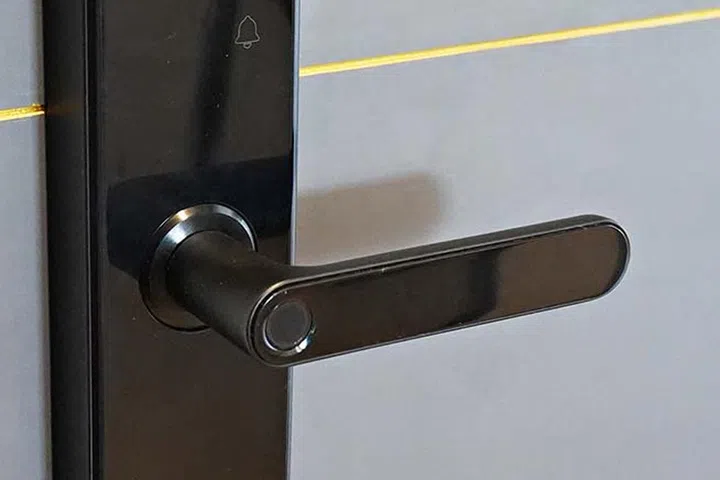
For those taking a gradual approach, consider devices that don’t require major installation, like smart plugs, door locks, and sensors. These can easily be added to any room over time and work well with typical apartment layouts.
2. Energy saving smart appliances
In Singapore, where utility costs can be high, energy-saving features in smart homes can be a big win for your wallet and the environment. Many smart devices now come with sensors that automatically adjust based on room occupancy, temperature, or time of day. Smart air-conditioning controllers and humidity sensors are particularly beneficial in Singapore’s climate, ensuring rooms stay comfortable without excessive power use.
Smart plugs that schedule appliance usage, along with daylight-sensitive lights, help reduce energy waste and lower monthly bills. Water-leak detection systems are also worth considering, especially in HDB flats, where early detection can prevent larger issues in shared plumbing systems.
3. Mesh WiFi
Singaporean homes are densely packed, and with thicker HDB walls, achieving consistent Wi-Fi can be challenging. The solution? Mesh Wi-Fi systems, which are now more affordable and powerful. These ensure robust connectivity even in dead zones like storerooms or balconies, where some smart devices, like security cameras, may need access. For added resilience, consider smart systems that offer limited functionality without Wi-Fi—ideal for keeping some features operational even during occasional network disruptions.
Smart Home Price in Singapore
Setting up a smart home is an investment. According to Eric, homeowners should expect to spend between $1,600 and $2,600 to transform their home into a smart one in Singapore. These figures are based on typical Singapore apartments, where homeowners usually turn one living room and between one to three bedrooms into smart living areas.
Building a smart home in Singapore can be as simple or as sophisticated as you like, with options to suit every budget and lifestyle. Here’s a breakdown of what you can expect to spend at each level—whether you’re taking the first steps toward convenience or going all-in for a fully connected living experience.
Basic Smart Home System (From $800 - $1,600)
Perfect for first-time adopters, this entry-level setup focuses on the essentials, letting you experience the convenience of smart living without a major commitment. Here’s what you can get for an affordable but functional setup:
| Basic Smart Home | Price Range |
|---|---|
| Smart Plugs & Light Bulbs | $20 - $50 each |
| Smart Door Lock | $300 - $600 |
| Voice Assistant Hub | $100 - $200 |
| Smart IR Controller | $40 - $100 |
Smart Plugs & Light Bulbs ($20 - $50 each)
Control appliances and lighting with just a tap on your phone. Automate them to switch off when not in use—convenient and energy-saving.
Smart Door Lock ($300 - $600)
Secure your home with a smart lock that supports remote access, temporary guest codes, and real-time alerts—perfect for peace of mind in the city.
Voice Assistant Hub ($100 - $200)
A must-have for any smart home, a voice assistant serves as your command centre, letting you control multiple devices hands-free. Smart IR Controller ($40 - $100) Ideal for Singapore’s climate, these nifty devices can manage air-conditioning, fans, and even TVs, centralising comfort control in one app. This setup is ideal for condo or HDB flats where you’re just getting started—enough to ease into smart living, with easy installation and minimal fuss.
Smart IR Controller ($40 - $100)
Ideal for Singapore’s climate, these nifty devices can manage air-conditioning, fans, and even TVs, centralising comfort control in one app. This setup is ideal for condo or HDB flats where you’re just getting started—enough to ease into smart living, with easy installation and minimal fuss.
Mid-Range Smart Home System (From $1,500 - $2,600)
Looking to upgrade your living experience with a bit more functionality? A mid-range setup allows you to get smarter across the board, creating a truly connected home that saves energy, boosts security, and adds comfort:
| Mid-Range Smart Home | Price Range |
|---|---|
| Smart Lighting System | $500 - $1,000 |
| Mesh Wi-Fi System | $150 - $500 |
| Smart Thermostat or Air-Con Controller | $150 - $400 |
| Security Cameras & Motion Sensors | $300 - $800 |
| Smart Blinds or Curtains | $300 - $600 |
Smart Lighting System ($500 - $1,000)
Step up your lighting game with programmable lights that dim and change colour according to your schedule or natural daylight. Control them with a simple voice command or smartphone app.
Mesh Wi-Fi System ($150 - $500)
With thicker HDB walls and condo layouts, connectivity can be a challenge. A mesh system provides coverage throughout your space, ensuring every device stays connected seamlessly.
Smart Thermostat or Air-Con Controller ($150 - $400)
Perfect for Singapore’s tropical climate, these devices adjust to your routines, balancing comfort and energy savings.
Security Cameras & Motion Sensors ($300 - $800)
Set up cameras and motion sensors for real-time monitoring, alerts, and recording, helping to alerts, and recording, helping to secure your home while you’re out and about.
Smart Blinds or Curtains ($300 - $600)
Manage daylight and keep your space cool with automated blinds that adjust based on the time of day, giving you privacy, efficiency, and style.
Luxury Smart Home System (From $2,600)
If you’re ready to transform your home into a high-tech haven, a fully integrated setup is the ultimate investment. This level offers a seamless experience across every room, with top-of- the-line tech that adapts to your lifestyle:
| Luxury Smart Home | Price Range |
|---|---|
| Complete Home Automation System | $1,000 - $2,500 |
| Multi-Room Audio System | $600 - $1,500 |
| In-Wall Control Panels & Smart Switches | $500 - $1,500 |
| Advanced Surveillance & Security Systems | $800 - $2,000 |
| Climate and Energy Management System | $800 - $1,200 |
Complete Home Automation System ($1,000 - $2,500)
Systems like Control4 or Crestron bring all your devices under one roof, so to speak, giving you one-touch control over lighting, temperature, and security.
Multi-Room Audio System ($600 - $1,500)
Fill every corner of your home with sound through a centralised audio system like Sonos, all controlled with a tap or voice command.
In-Wall Control Panels & Smart Switches ($500 - $1,500)
Sleek and streamlined, these panels put everything at your fingertips, with customisable controls that elevate your smart home experience.
Advanced Surveillance & Security Systems ($800 - $2,000)
For high-security needs, biometric locks, facial recognition cameras, and comprehensive surveillance give you peace of mind.
Climate and Energy Management System ($800 - $1,200)
This system keeps your home cool and efficient, adjusting air-conditioning, humidity, and energy use based on the weather, time, and your preferences. With a high-end setup, your home becomes a sanctuary of comfort, convenience, and style. From multi-room controls to advanced security, this level is perfect for those who want every aspect of their space to be effortlessly connected.

10 Pros & Cons of Smart Homes
1. Convenience: Smart homes automate routine tasks, making life more convenient.
2. Energy Efficiency: Smart devices can optimise energy use, reducing electricity and water bills, and contributing to a sustainable lifestyle.
3. Enhanced Security: Advanced security features, like facial recognition doorbells and biometric locks, offer peace of mind.
4. Personalisation: AI-driven systems can learn your preferences and create a tailored living environment that adapts to your family’s habits and schedule.
5. Remote Access: Have the ability to control your home from anywhere, whether you’re at work or travelling.
6. Substantial Initial Costs: Setting up a smart home can require an upfront investment of between $1,600 to $2,600 (or more).
7. Complex Installations: Some systems, like in-wall control panels or smart lighting, may require professional installation.
8. Privacy Concerns: More connected devices may lead to increased privacy concerns, especially for those wary of data security.
9. Possible Compatibility Issues: Not all devices work seamlessly together, particularly if they use different communication protocols or ecosystems.
10. Reliance on Internet Connectivity: Many smart home systems depend on a stable internet connection, which could be problematic during outages, or you have Wi-Fi dead zones in your home.