
The World’s Richest Are Buying Investment Properties Here in Europe
High-altitude European real estate is transforming as the global elite turn their attention to the Alps.
By Guanlin Tan -
Share this article
According to the 18th edition of Knight Frank’s The Alpine Report 2026/27, prime mountain property markets are no longer sustained by snow and prestige alone.
Instead, they are being reshaped by safe-haven capital, supply scarcity and the rapid rise of year-round mountain living. At the heart of this momentum is Switzerland, where prime property prices have climbed 29% over the past five years.
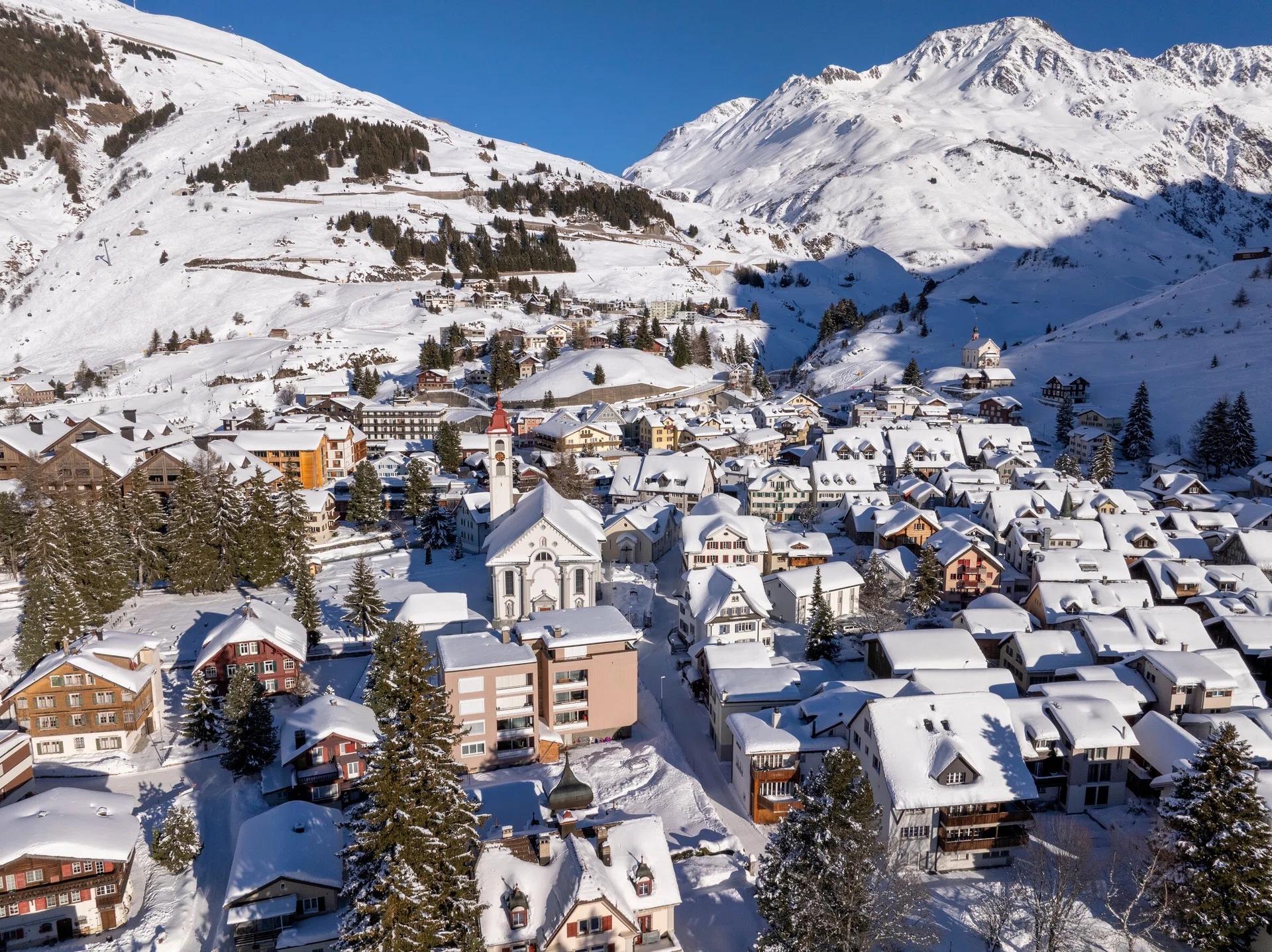
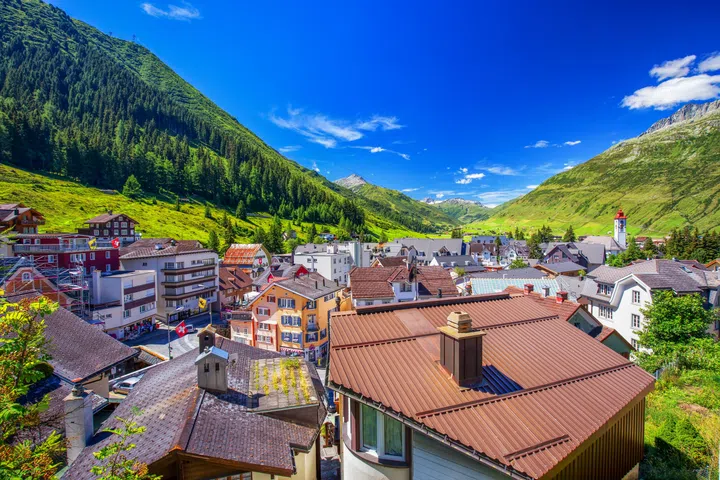
Within this landscape, the Swiss village of Andermatt has emerged as one of Europe’s most compelling destinations for wealthy investors, recording 12.5% annual price growth and welcoming landmark developments such as The Alpinist, a new five-star hotel and luxury serviced residence project launching in December 2027.
To understand why high-net-worth individuals (HNWIs, with a net worth of US$1 million or more) and ultra-high-net-worth individuals (UHNWIs, with US$30 million or more) are pouring capital into European mountain properties, it helps to look at both their financial motivations and shifting lifestyle priorities.
Swiss’ favourable property investment climate
Rather than treating Alpine chalets merely as winter trophies, today’s affluent buyers view them as resilient vehicles for wealth preservation.
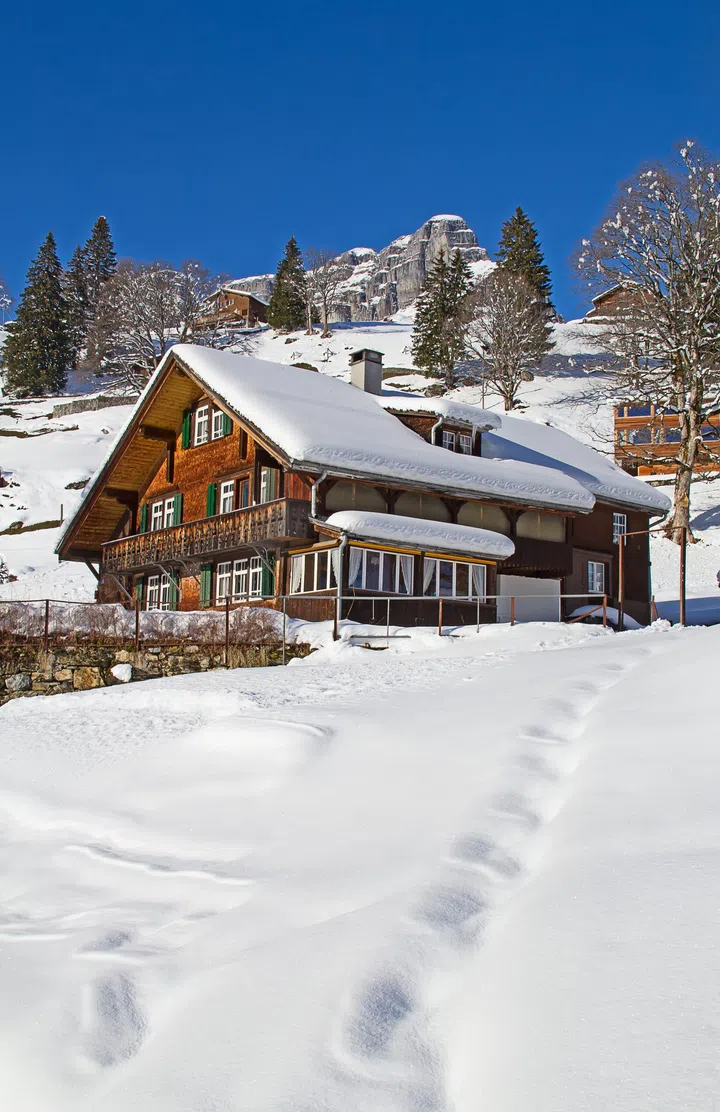
Switzerland, in particular, offers a strong currency, geopolitical stability, 0% interest rates and tight regulatory limits on second-home construction under the Lex Weber legislation, which has constrained supply for over a decade and underpinned long-term capital appreciation.
Andermatt Reuss is exempted from the ‘Lex Koller’ law
At the same time, international buyers (including a growing wave of wealthy investors from Asia) are drawn to locations like Andermatt Reuss, which benefits from an exemption under Switzerland’s Lex Koller law, allowing foreign nationals to purchase residences directly without the usual restrictions.
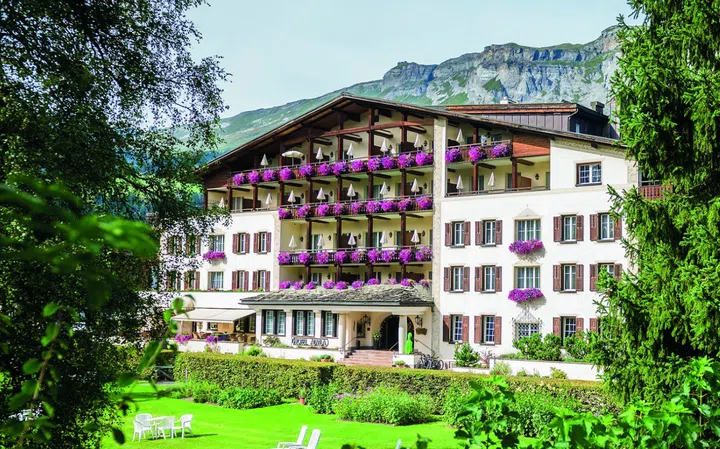
Hotel Adula in Flims Laax, Graubünden, Switzerland
Mortgages are still favoured
How the world’s richest acquire these properties is equally strategic. Even when buyers have the liquidity to purchase a €20 million chalet outright, many are opting to finance their acquisitions through cross-border mortgages.
As Knight Frank’s mortgage specialists note, borrowing at fixed rates below 4% allows UHNWIs to keep their capital invested in portfolios generating 6 to 10% returns, while preserving liquidity in a volatile global economy.
In France, borrowing is also a tax-efficiency play, as interest-only loans can be offset against the country’s real estate wealth tax.
Furthermore, buyers are increasingly treating their real estate holdings holistically: refinancing existing European coastal homes to fund Alpine acquisitions, seeking off-market deals through specialist advisers, and favouring turnkey, hotel-managed branded residences that generate rental income to cover running costs without demanding hands-on management.
Swiss ski resorts performing much better
While global skier visits hit a record 399 million in the 2024/25 winter season (including 168.5 million across the Alps) residential price growth is no longer a uniform, broad-based boom. Nearly 18 percentage points (difference between two percentages) separate the strongest and weakest performers in Knight Frank’s Mountain Property Price Index.
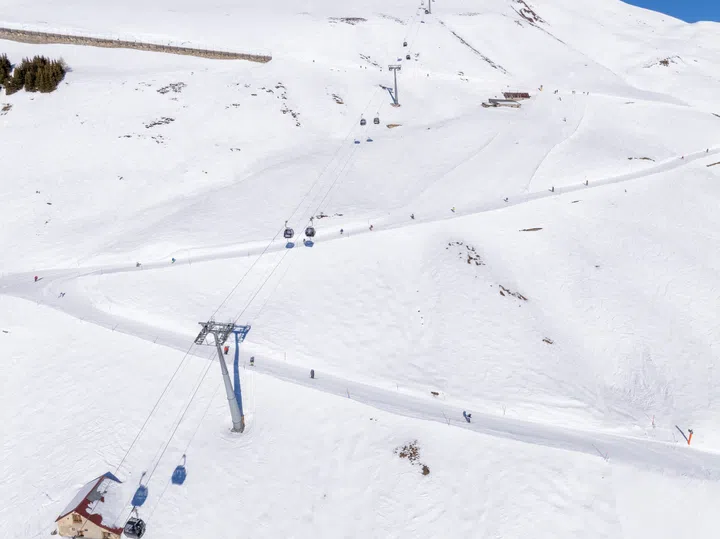
Swiss resorts are pulling ahead due to strict supply constraints and safe-haven appeal, led by ski resort town Davos at 14.5% annual growth and Andermatt at 12.5%, while Italy’s Cortina d’Ampezzo rose 10% on the back of Olympic infrastructure investment.
By contrast, lower-altitude resorts below 1,200m have lost momentum as buyers scrutinise long-term resilience.
All-year-round holidays matter too
Mountain destinations are rapidly evolving from winter-only retreats into four-season bases. Driven by scorching summer heatwaves across the Mediterranean and Southern Europe, flexible remote working, and expanded wellness, cycling and cultural calendars, summer tourism is surging.
Summer flight schedules into five major Alpine gateway airports are projected to reach 92% of winter volumes, while Switzerland recorded 25.2 million summer hotel nights compared with 18.6 million in winter.
Consequently, buyers are prioritising resorts that remain vibrant outside the ski season, and more international residents are making the Alps their primary home rather than an occasional holiday stop.
Mortgage preferred over cash
Affluent buyers are increasingly using debt as a portfolio management tool rather than paying cash.
Knight Frank’s international mortgage desk saw completed loans rise by 89% and total lending jump 160% in FY25/26, with average loan sizes expanding by 51%.
Low European and Swiss borrowing costs allow wealthy purchasers to arbitrage debt against higher-yielding investment portfolios, maintain cash flexibility, and optimise cross-border tax exposure - particularly in France, where roughly 80% of buyers utilise finance to mitigate real estate wealth tax liabilities.
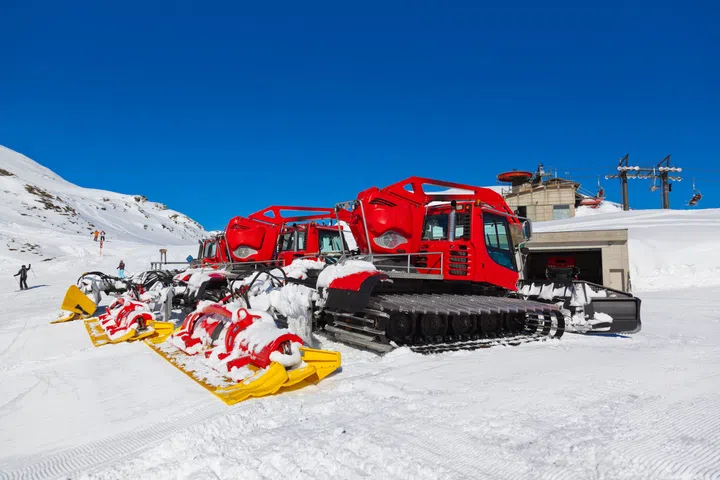
Alpine snowfall decreasing, so snow-making & snow farming matters
Despite average Alpine snowfall declining by 34% between 1920 and 2020, leading resorts continue to post record visitor numbers and rising property values.
Around 90% of Alpine skier visits are concentrated in major, high-capacity destinations that possess the altitude, scale and financial resources to invest heavily in snowmaking, water storage, snow farming and high-speed lift infrastructure.
Buyers are willing to pay a clear premium for high-altitude terrain and glacier access, as well as properties compliant with tightening energy-performance and short-term rental regulations.
Branded residences & serviced apartments favoured
At the super-prime level, the definition of luxury has shifted from ostentatious hardware to time, discretion and effortless service.
Ultra-wealthy buyers - including an expanding cohort of younger tech entrepreneurs and Asian investors - increasingly favour branded residences and serviced apartments, such as Andermatt’s upcoming Snøhetta-designed The Alpinist or new five-star additions in Courchevel and Cortina, where spa facilities, concierge teams and rental management are seamlessly integrated.
Rather than seeking maximum rental yields, owners typically rent out their properties during peak weeks to offset ownership expenses while retaining personal flexibility and genuine privacy.