
Create more privacy on a small budget? Here are 5 ways, according to an expert interior designer
By Shannon Osztonits -
Share this article
Compared to other countries, Singapore’s public housing apartment blocks are pretty elite. We’re really lucky in that regard.
But life is full of compromises.
We’re blessed with fully functioning, well-taken-care-of buildings. Convenience is always at our fingertips with supermarkets, playgrounds and late-night food stalls just downstairs.
But the one thing we struggle with in Singapore is privacy – especially among HDBs.
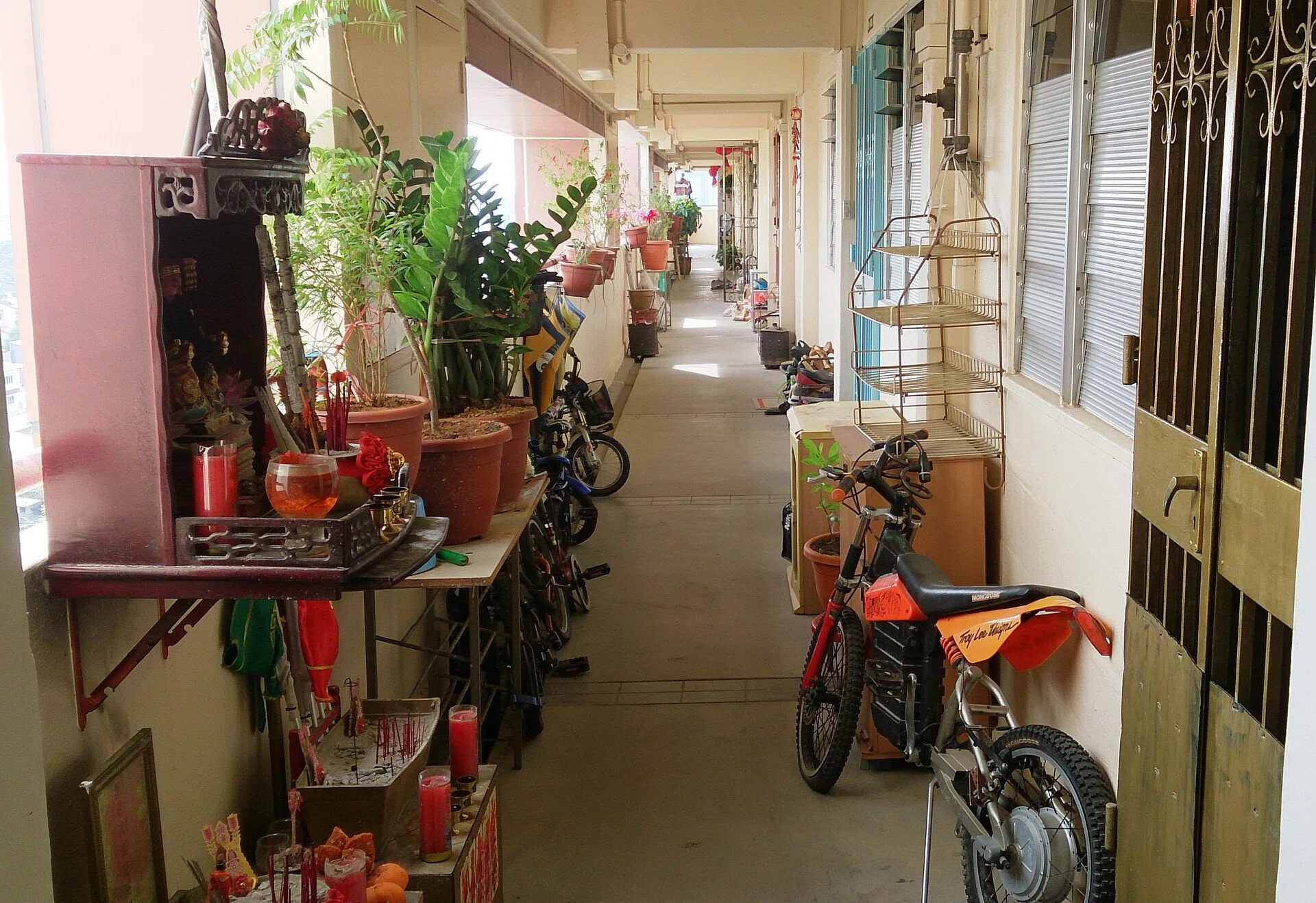
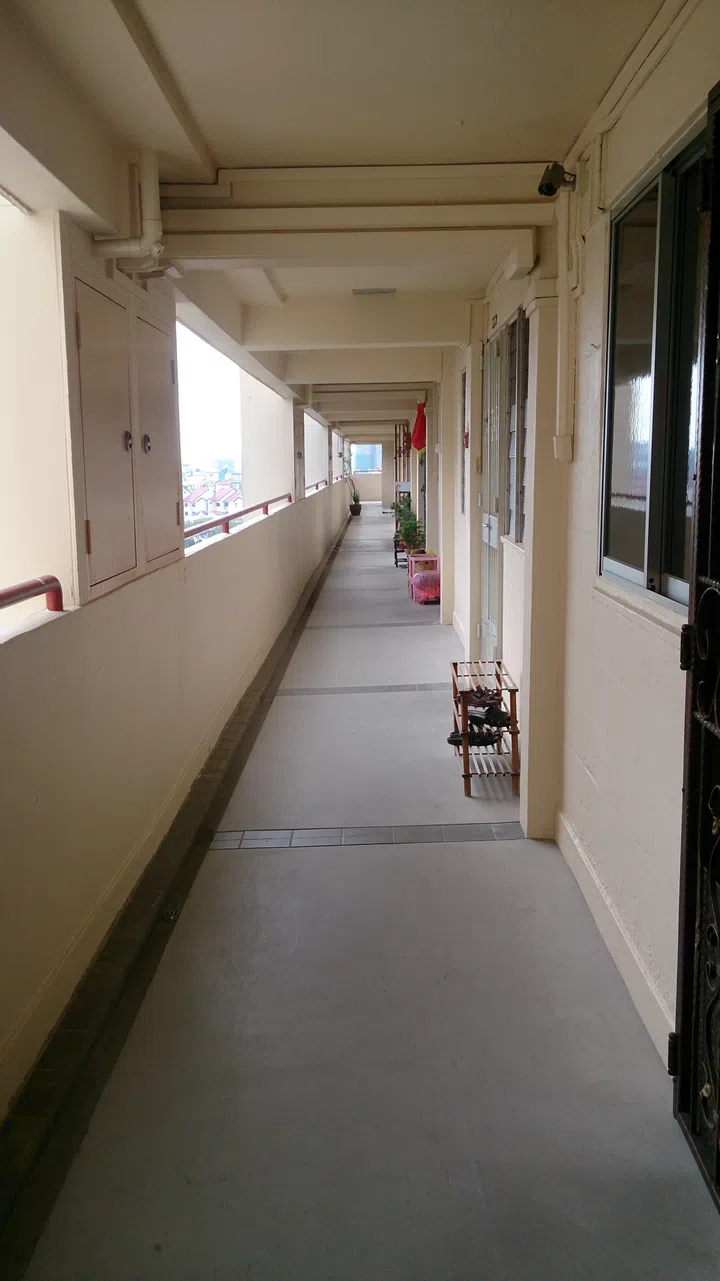
How often have you looked through your own window, your auntie’s or your friend’s and suddenly seen a neighbour’s face? Or your constant view is grey slab cement from the block opposite you, occasionally visited by the helper and her pole hanging clothes over the window?
Privacy issues
HDB corridor window privacy isn’t the only factor causing privacy issues.
Front doors open directly into a home’s living room. Apartments located near a lift mean deliveries and people walking past your house all the time. This also creates extra noise.
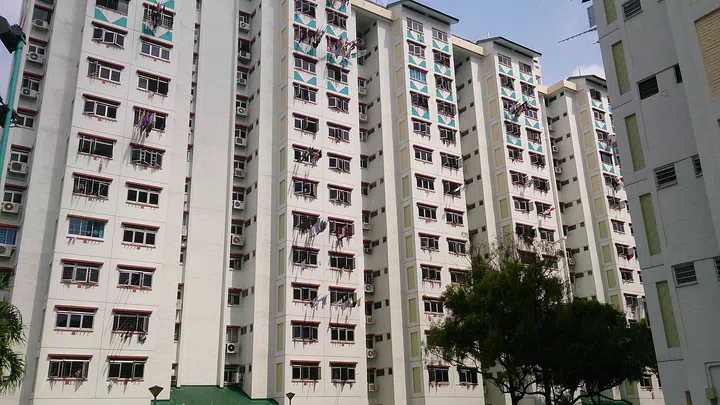
HDB flats at Lorong Lew Lian in Paya Lebar.
Privacy can limit your house-hunting journey
When looking to buy property, one requirement that many homeowners want is an open-facing unit.
Waking up to look at the sky from your bedroom window. Or a living room that is centred so no one can see in.
But this can really limit your property options.
New HDB block design = fewer corridor windows
Circa the 1960s, HDBs were all built with the same long and linear design, i.e., slab blocks. Units were designed side-by-side with bedrooms facing the main shared apartment block corridor.
Many of the older HDBs still boast this design.
The HDB’s architects have reimagined the traditional design, redesigning blocks using several stacks instead of slabs. In this process, bedroom windows don’t look into the corridors anymore, but rather outwards to the exterior surroundings! This has also improved natural lighting in homes and ventilation.
But not all homeowners land brand new properties with this design.
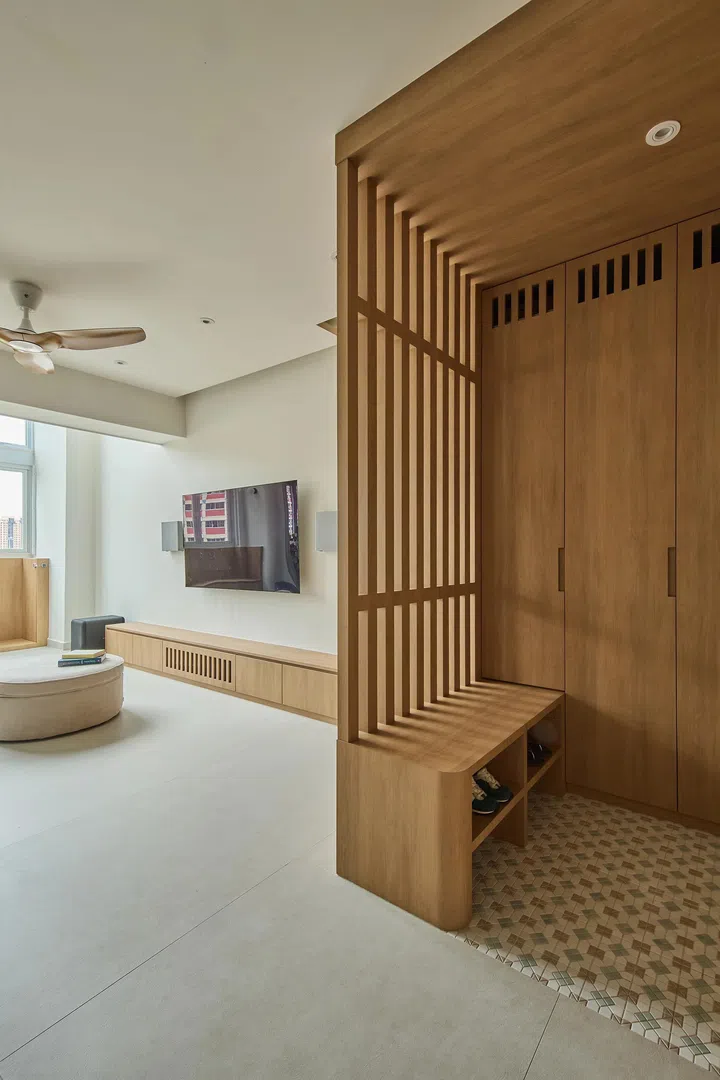
The foyer entrance of a 3-bedroom HDB Executive Maisonette in Bishan.
Creating privacy in your home using design and smart layouts
Instead of limiting your search to properties with outward-facing windows or only new developments, there are alternative ways to deal with privacy woes.
Home & Decor sat down with an expert, Zach Lim from Lush Interior Design Pte Ltd, for his advice on interior design privacy solutions.
“I prefer to create privacy through the layout itself first, like breaking the direct view into the living or bedroom area. Or shifting the bedroom entrance position to avoid direct visuals into rooms,” he explains.
What about small apartment floor plans?
Reconfiguring tiny apartment floor plans isn’t always possible, or the most feasible option.
It’s very common among Singapore’s tinier homes for the front door to open directly into the living room.
In these cases, to create more privacy for homeowners, Zach suggests:
“I would suggest installing a vertical or horizontal timber strip design divider with 20-30mm gaps. Strips design would still allow airflow through and light source while providing privacy. Another way is to use clear reeded or fluted glass panels. If the home layout permits a practical foyer design, I would suggest this, too.”
5 Design ideas for creating privacy
Personal space is very important. Lack of privacy can elevate stress levels. We already live in a world where, thanks to social media and technology, much of our private life isn’t so private anymore.
Feeling the urge for more privacy from your neighbours? Here are five smart solutions.
1. Furniture
Instead of spending money on a physical renovation or reconfiguration, turn to furniture to help you create privacy boundaries.
Consider the placement of your furniture, especially bigger furniture pieces, like a sofa, bookshelf or chest of drawers.
“Privacy can be created through the right planning and position of openings or using open shelf furniture or divider strategically without sacrificing visual spaciousness,” says Zach Lim. As for furniture, it can be open-backed shelving.”
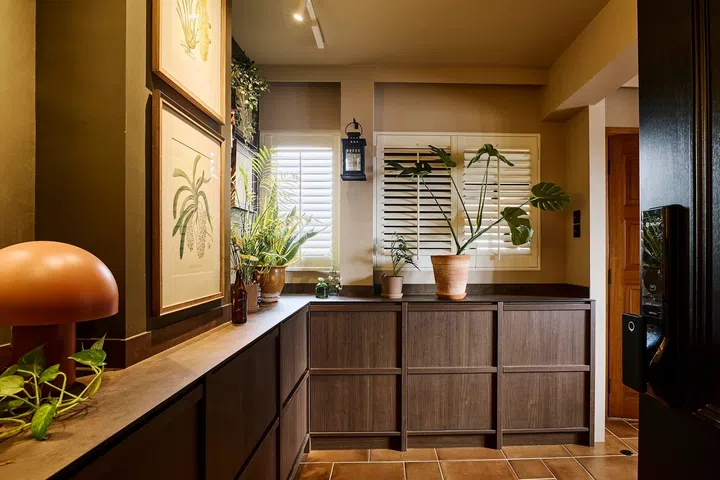
The foyer of a 4-room HDB in Little India, belonging to homeowners Patrick and Ian.
2. Foyer
A foyer is the first place that you enter the home. A welcome area.
Depending on the size of your house, if you have some extra room to play around with, creating a foyer is an excellent way to zone off your home’s front entrance from a corridor.
“Foyers help create extra privacy because it blocks out a direct view into the living area,” says the expert.
Typically, a foyer feels like its own section or mini room, with walls built around it and an opening or doorway leading into the rest of the house. But it depends on your design style/vision.
A foyer doesn’t have to be massive, either. It’s popular in Singapore to combine your shoe storage area with a foyer.
“For smaller apartments usually, proposing a foyer will take up too much space in the living. Depending on owner needs and requirements, a foyer can still be proposed in smaller apartments but may not be a formal enclosed foyer but more like an entry zone design,” explains the interior designer. “Foyers are mostly proposed in larger apartments or when the space permits a practical foyer design.”
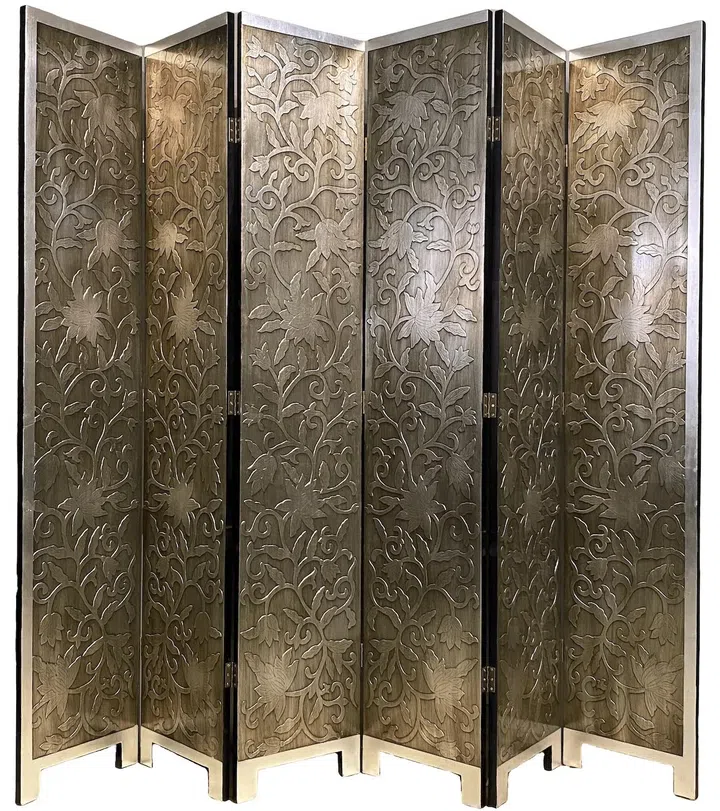
Shop the N-1078-SXYH: 6-panel Screen with Embossed Flowers in Antique Silver from $950 on Just Anthony
3. Screens and dividers
“Landscaping can sometimes be incorporated to create privacy, or a retractable door or screen for privacy when needed,” tells the interior design expert.
Instead of building works, you can buy a screen divider to act as a privacy barrier, or even to help create a small foyer section.
Antique Chinese screens and room dividers are incredible choices, as the wood is quite heavy and works well for blocking. Stores in Singapore, like Just Anthony, sell vintage doors. Use these to create a mini foyer entrance.
4. Soundproofing walls
Noisy neighbours driving you crazy? Privacy is not just visual; it’s audio, too.
You may not think of it right away, but soundproofing your walls will make your home feel even more isolated from exterior buzz.
It’s a great option if you live in an HDB in a noisier section of the corridor, for example, close to a lift.
“I sometimes have clients request soundproofing walls,” advises Zach. “Depending on the request, I would suggest laminated wall acoustic panels or cushion wall panels. Using softer materials will also help prevent sound from bouncing.”
5. Privacy window film
Home window tinting for privacy is extremely popular in Singapore. Zach Lim shares with us that his clients do ask for privacy window film.
“My clients do request window film, but I do it mostly in corridor unit houses,” he says.
It’s effective for blocking out prying eyes into homes and is also an affordable solution.
There are multiple options when it comes to choosing what type of privacy window film Singapore you’d prefer.
“I would suggest using frosted film instead of blackout type film so that there will still be a light source coming into the house.”
Common types of window film available in Singapore include:
- Frosted film
- Nano ceramic film
- Blackout window film
- Whiteout film
- Decorative window films
For reflective window film, the Housing and Development Board stipulates that:
‘Film should be non-reflective or not exceeding 20% reflectance.’
Can I legally replace my windows in a HDB?
Replacing the type of window in your home can create better concealment.
However, the HDB has meticulous guidelines when it comes to privacy window replacements. You must adhere to these to avoid legal complications. These rules include:
- The replacement of full-height windows (including ¾ height and bay windows) is not allowed.
- You need to obtain a renovation permit first from the HDB for window replacements.
- You will have to use a BCA Approved Window Contractor (AWC) who is listed in the HDB’s Directory of Renovation Contractors for these works. This contractor will have to apply for the permit.
- Adhere to the HDB’s installation requirements for aluminium casement windows and aluminium sliding windows.
- Replaced windows need to match your HDB’s colour scheme, dimension and window type.