
Water leaking from the HDB ceiling above you? 6 Reasons why this could be happening
By Shannon Osztonits -
Share this article
Ceiling water leaks dampening your spirits?
Sitting on your couch after a long day, catching up on your fave K-drama, and suddenly you feel drip, drip, drip.
Looking up, you notice your ceiling is leaking!
What to do? Who is responsible? Why is this happening?
Realistically, unless you’re living in an HDB ‘penthouse’ (fancy way of us referring to the top floor), the ceiling above you in an HDB apartment is usually your neighbour. So, where is the leak coming from? It can be several variables.
Let’s dive into these, exploring how to identify what causes HDB ceiling leaks.
There’s nothing more satisfying than staying informed as a homeowner.
Common causes of HDB ceiling leaks
Living in an apartment block means that your ceiling is always shared with your neighbour. Your ceiling equals their floor.
(We’re not all lucky enough to nab a top-floor unit with no one above.)
An HDB ceiling leak is a very real problem. Among HDBs, they are more common in older HDBs due to older building structures, wear and tear from age, etc. However, water leaking from ceiling can sometimes happen in new BTOs due to renovations.
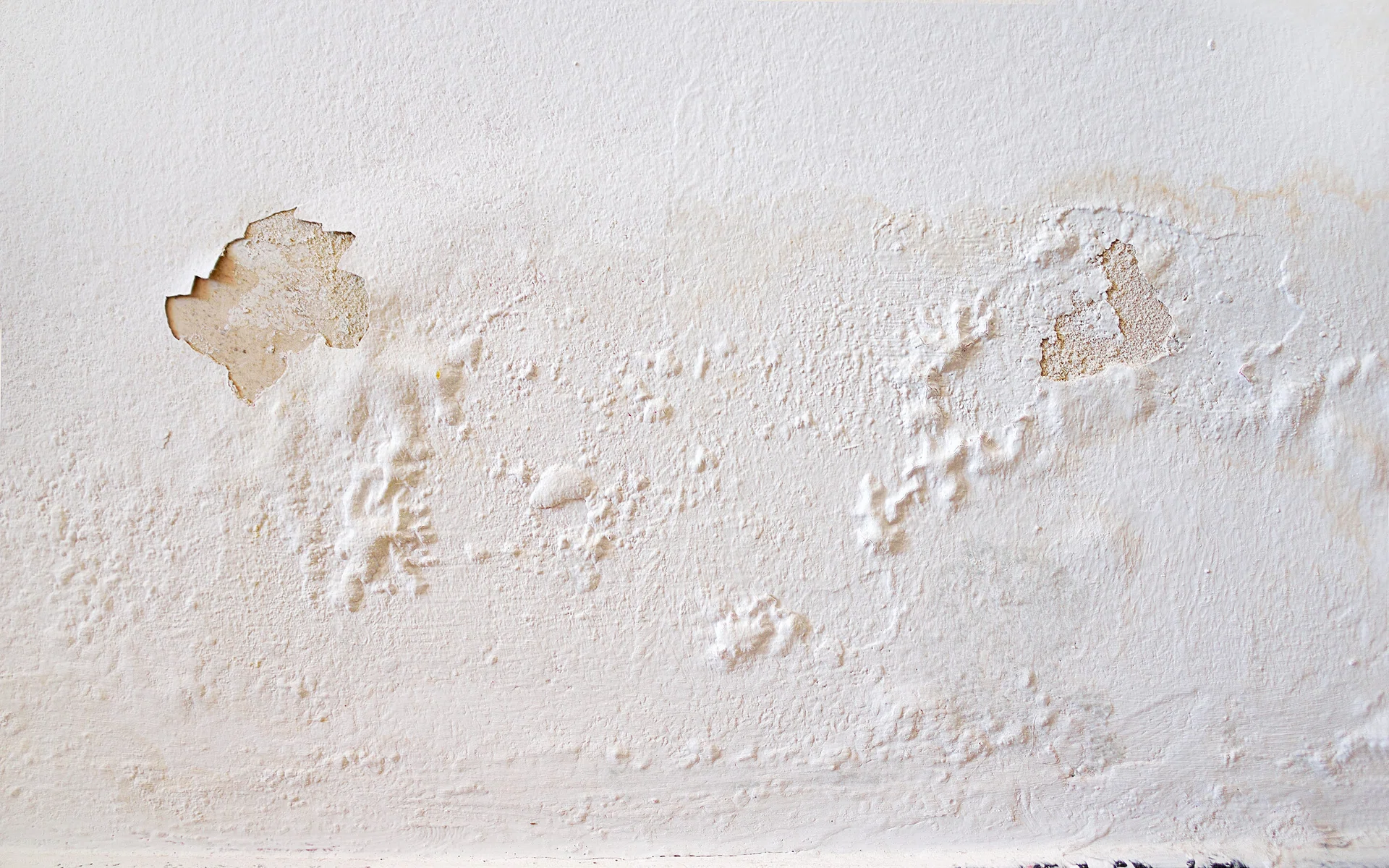
What does a ceiling leak mean?
Retired roofing and general contractor industry expert of 30 years, Terrence Alexander, shares his knowledge on ceiling leaks.
“For apartment blocks, a ceiling leak means there is water coming from somewhere in your ceiling. It can be because of plumbing work, a shower, a sink – those are some of the main components where water leaks into your ceiling,” he says.
Of course, structural elements and materials, such as your flooring and building components, should stop ceiling leaks from happening. But that isn’t always the case.
HDB floors are built using concrete slabs made from cement. Although concrete is an extremely sturdy and hard material, water has the ability to make its way through it.
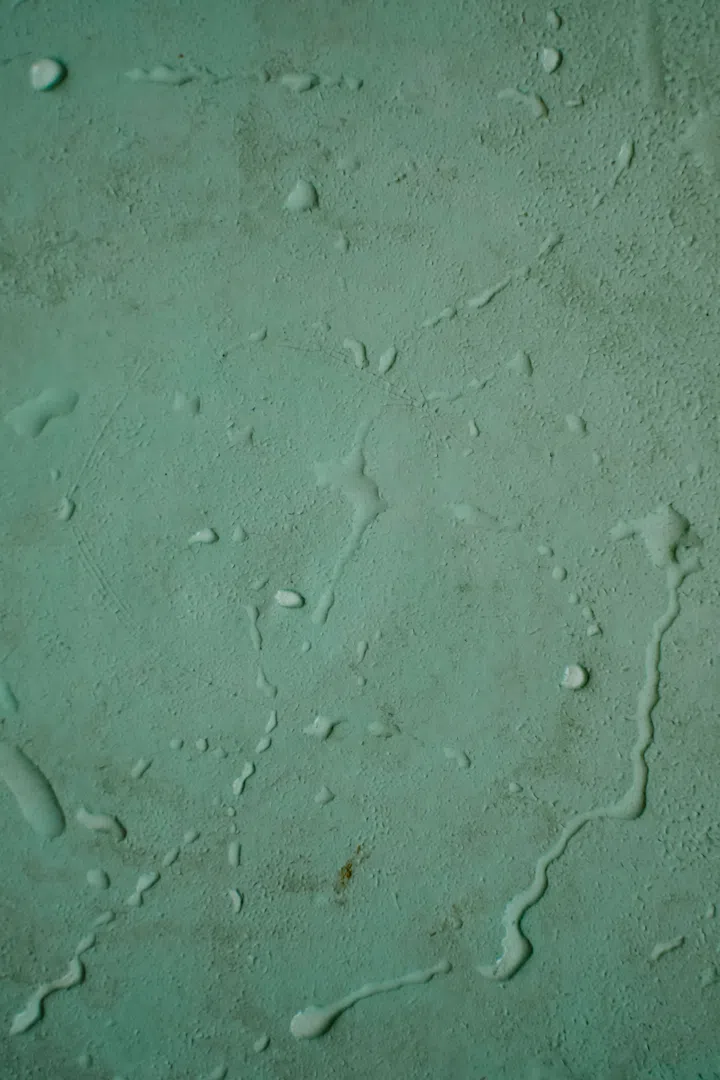
“Concrete is a porous substance, meaning liquid, such as water, can soak into it or permeate through it.”
What are some of the most common causes of an HDB ceiling leak
1. Construction from upstairs
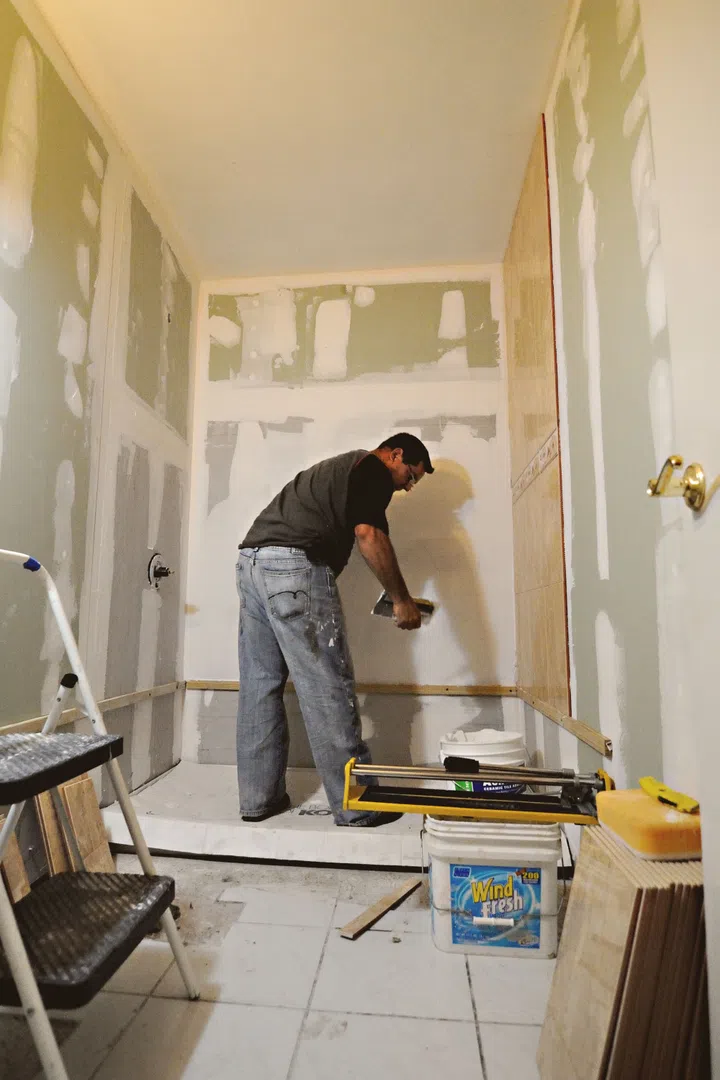
Construction work due to apartment renovations is an ongoing activity in Singapore.
The constant launch of new BTOs continues to increase. For example, in the October 2026 BTO exercise, HDB will launch approximately 7,960 flats. You don’t need to immediately renovate a BTO before moving in, but many homeowners choose to. As of the 2nd Quarter 2026, 6,396 HDB resale transactions have taken place. Apart from BTOs, buying an HDB and then renovating it is also very popular.
The HDB has renovation guidelines for flooring works during building. One example includes:
‘Total thickness of floor finishes and screed must not exceed 50mm.’
You get the occasional case where a contractor doesn’t follow these guidelines. Installing thicker floor finishes can cause a crack that leads to HDB ceiling leaks. Badly installed plumbing systems can also cause ceiling leakage problems.
“Water seeping through concrete slabs is a slower process whereby it will saturate the existing concrete. The water will eventually need to escape somehow, thereby penetrating the concrete and creating a leak,” details the industry expert.
If your neighbour is renovating, they should inform you beforehand.
2. Waterproofing system failure
One of the most common causes of ceiling leaks in HDBs is when the upstairs unit experiences a failed waterproofing system.
“This happens when waterproofing isn’t installed properly, or the water is just so excessive that it eventually penetrates the waterproofing,” Terrence explains. “For example, think of it like this. In an upper apartment, someone leaves a bath running – if you’re lucky enough to have one in Singapore. In which case, the overflow will flood the above apartment bathroom floor. The amount of water that sits there will eventually, if left unattended and not cleaned in time, go through the concrete.”
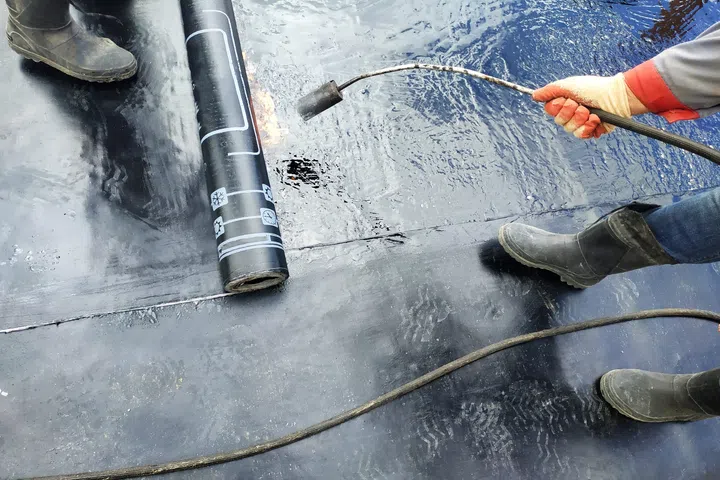
Ceiling leaks caused by broken waterproofing systems in HDBs often occur when a waterproofing membrane fails.
“Firstly, waterproofing membrane is a material-like substance which, when applied together with a waterproofing compound, forms a barrier to stop water penetration,” says Terrence. “Waterproofing fails when the membrane has either deteriorated, broken down due to improper installation work, or water build-up is just so excessive that it eventually penetrates the waterproofing.”
Slowly but surely, it then starts to trickle further down, through the structural concrete between units, and into your ceiling, causing those water drips.
It’s terrible for both parties as the protection unit between the floors is no longer in place. Water isn’t shielded between your neighbour’s floor and yours.
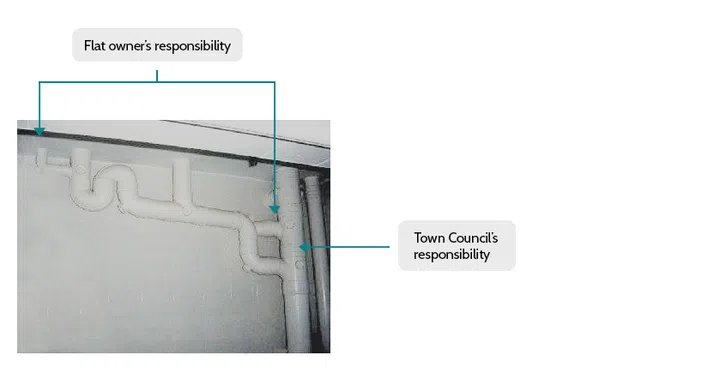
3. Concealed leaking pipe
Taking care of sanitary pipes in your HDB is your responsibility as the owner. Leakage happens because of wear-and-tear. These sanitary pipes are the jarringly obvious PVC pipes that cannot be removed. But a lot of homeowners box them up to camouflage them.
Concealed leaking pipes can cause ceiling leaks without anyone knowing that this is the source of the issue.
“Water intrusion can happen from a broken water pipe,” says Terrence. “The water then infiltrates the concrete – it won’t be immediate, but rather over time. You would think that concrete is like a container that can hold water, but it’s not like that. Because it’s porous, it does allow for that water penetration, thus causing leaks once it reaches the flooring below.”
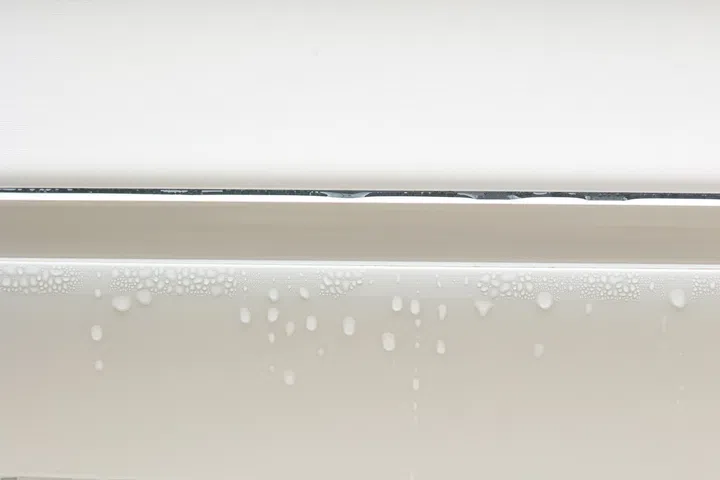
4. Dodgy AC causing excess condensation
‘In 2025, the Housing Board saw 240 cases of feedback involving condensation and mould on ceilings and walls arising from neighbours’ use of air-conditioners.’ - The Straits Times.
Blocked or dirty AC pipes can cause havoc and lead to ceiling leaks. Instead of the condensed water escaping outside the home via the AC unit’s drain pipe, if the pipe is blocked, the condensation has nowhere to escape.
Singapore’s extreme humidity is another factor causing excess condensation in AC systems. If the house upstairs runs their AC on very low temperatures all day long, it can create excess condensation to form on the exterior of the pipe.
“When condensation forms, it creates water droplets,” details the expert. “In these cases, the water droplets begin to drip and seep down walls and into the ceiling. A break or clog in an aircon pipe will cause damp walls due to condensation. ACs need to be regularly serviced to avoid this.”
5. Geyser bursts
Geysers, also known as a water heater, are wall-mounted in Singapore, not installed in the ceiling. They are not built into the structural wall, but often concealed by a false ceiling.
Even though it’s wall-mounted, geyser bursts can cause chaotic ceiling leaks as the water pours down the wall.
6. Older apartments
Older apartments, especially resale units older than 20 years, can experience ceiling leaks simply due to wear-and-tear over the years.
This includes plumbing work, waterproofing work, and spalling concrete, which creates cracked ceilings caused by water build-up and steel bar rusting.
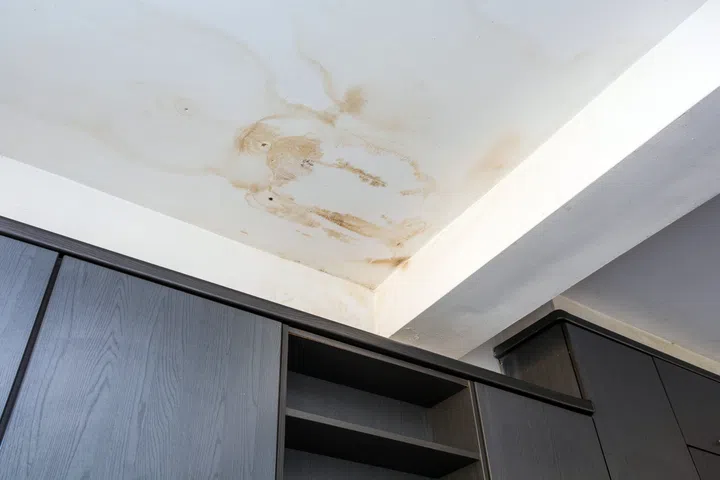
Common rooms in HDBs for ceiling leaks
Ceiling leaks are most common in wet areas, like a bathroom or toilet, or an area exposed to water pipes, for example, the service yard or kitchen.
However, it’s important to remember that the apartment upstairs might not have the exact same floor plan as yours. If they have done a renovation, they could have reconfigured their space, i.e., moved the bathroom.
Who is responsible for fixing an HDB ceiling leak?
For HDB homeowners, a ceiling leak repair becomes a dual responsibility. The onus does not fall on the HDB.
If you know your upstairs neighbour is renovating, an appreciated gesture is a clause organised by their renovator stating that any damages incurred to your ceiling because of renovations will be covered by the neighbour and fixed by the contractor.
For cases where an HDB ceiling leak occurs out of the blue between units, the HDB states that:
Terrence reiterates the importance of attending to ceiling leaks immediately, preferably within 24 hours.