
Share this article
Raya is here and Boutique Fairs is back to cover your festive home decor and gifting needs.
From Friday to Sunday (April 26 to 28, 2024), the biannual shopping event brings together more than 250 local boutique brands and designers at the F1 Pit Building.
Shop from a selection of products across apparel, accessories, home decor, toys, and food and beverage.
Boutique Fair 2024 Ticket Prices: $6 for three-day entry. Children under 12 enter for free.
Boutique Fair 2023 is located at the F1 Pit Building, 1 Republic Boulevard.
Read Also: Boutique Fairs Launches Online E-Commerce Store
Boutique Fairs 2024 Home Decor Shopping Guide
There are many home furnishing and decor stalls at this year's Boutique Fair. Here's a summary list of the booths we'll be watching out for:
- Chomcharm: Handcrafted ceramics brand
- Oak Tree Living: Homeware, linens, tableware handcrafted by Indian artisans
- Annette: Pure French linen bedding
- Ollie: Non-toxic, all-natural home surface cleansers, diffusers, sanitisers
- Independent Market: Singaporean-inspired homeware and trinkets
- KRA Sanctuary: Local handmade ceramics, table ware
- MemoryBoards: Singapore-inspired artworks, placemats, mugs, home accessories
- SOJAO: Luxury cotton bed linens
- Sunday Bedding: Bamboo, organic cotton, French linen beddings
- CEMENT PRODUCE DESIGN: Ceramics from Japan
- FELLOW: Coffee Machines, Coffee Makers
- Studio Yono: Local handmade ceramics
- ves: Tableware
- vipp: Homeware
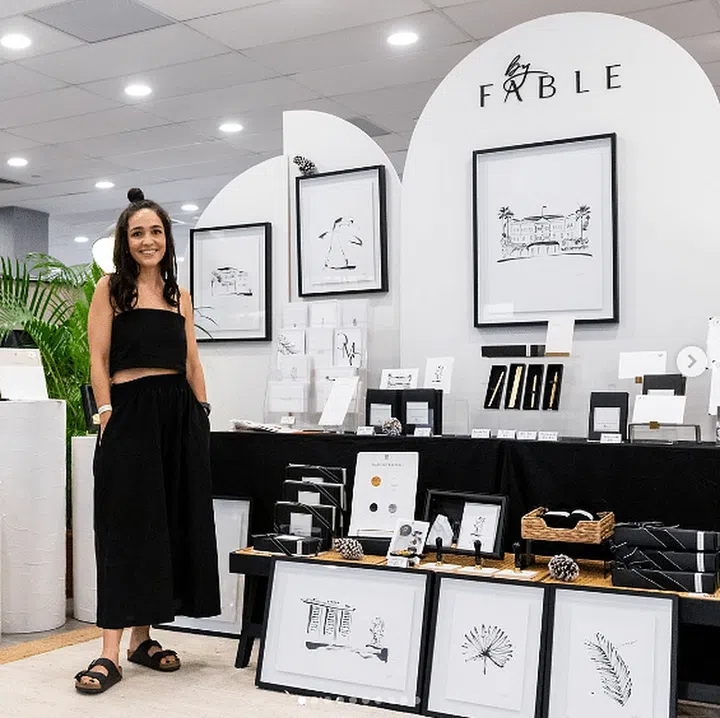
- By Fable: Minimalist paintings
- rehyphen: Personalised wall decor
- Decebelist: Handmade speakers
- OBJECTS.RE: Tableware, home accessories
- Choisi par: Kitchenware
- Sunday: Bedlinen
- ART:DIS STUDIO: Decor, home accessories
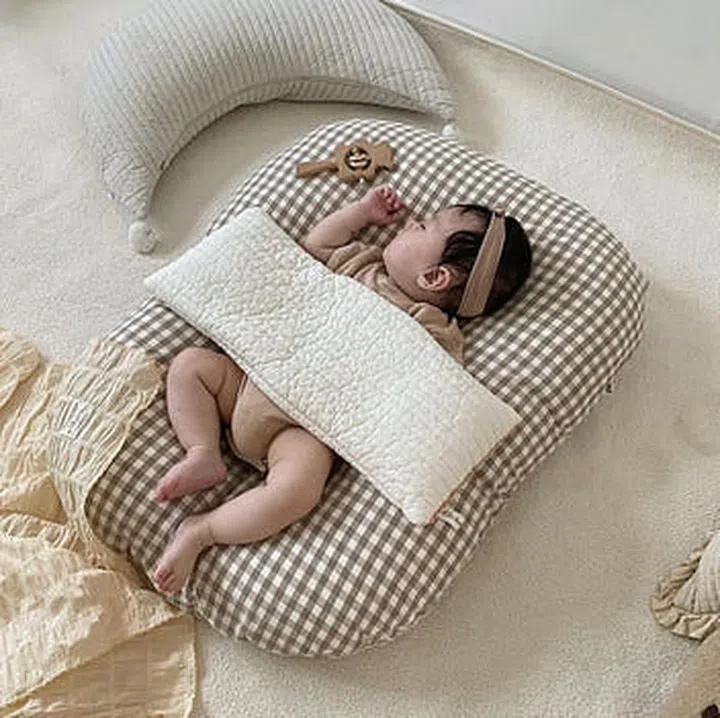
Children-friendly home and decor brands at the Boutique Fair include:
There are several children's home decor, furnishing, and everyday accessories brands young families should visit:
- Mama Yay!: Baby food accessories to aid weaning
- Lagom Kids: Imaginative play kits, book kits for toddlers
- MOUSES & BIRDS: Cotton baby clothing
- evercasa: Kids and baby room wallpaper decor
Here's a sneak peak!
ves
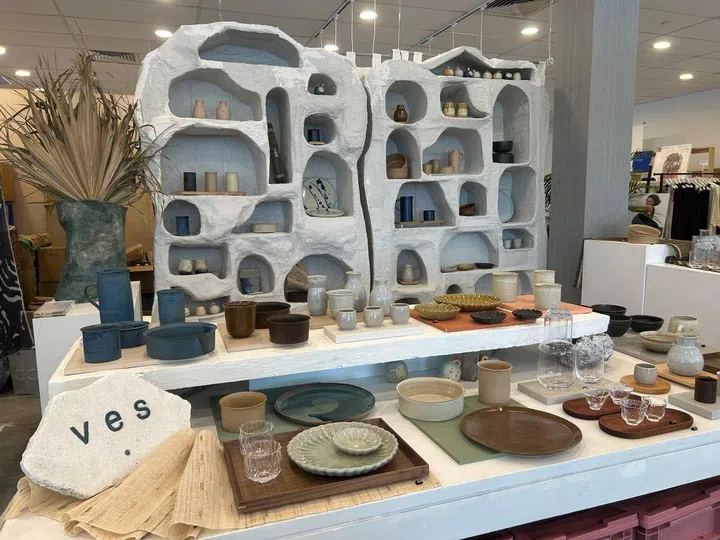
ves is an art studio devoted to ceramic home decor pieces, dwelling on the idea of patience and stillness as a need of the modern world.
Studio Yono
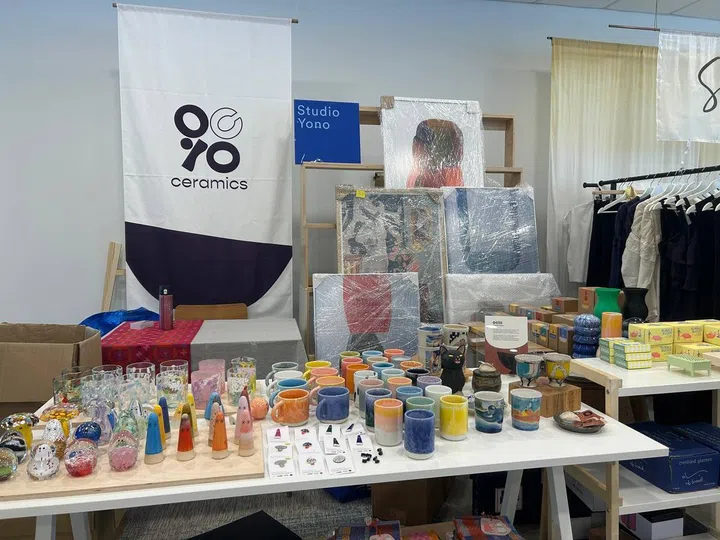
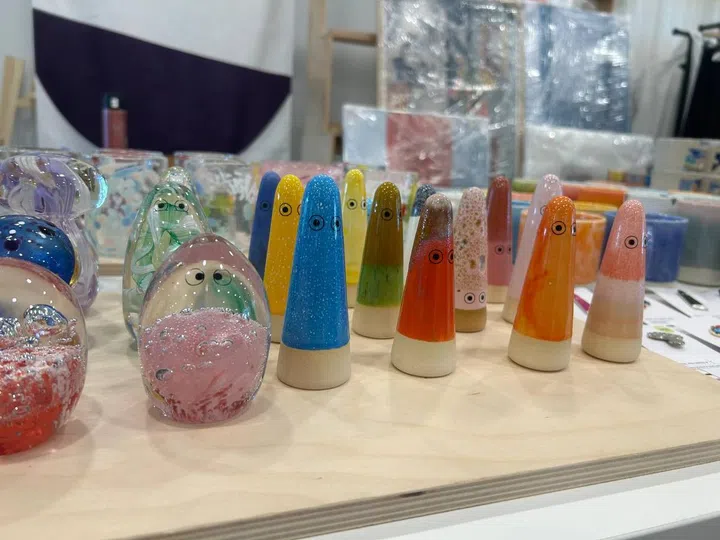
Studio Yono is an interior design store with a wide array of trinkets and a niche in mid-century vintage collectibles.
SOJAO
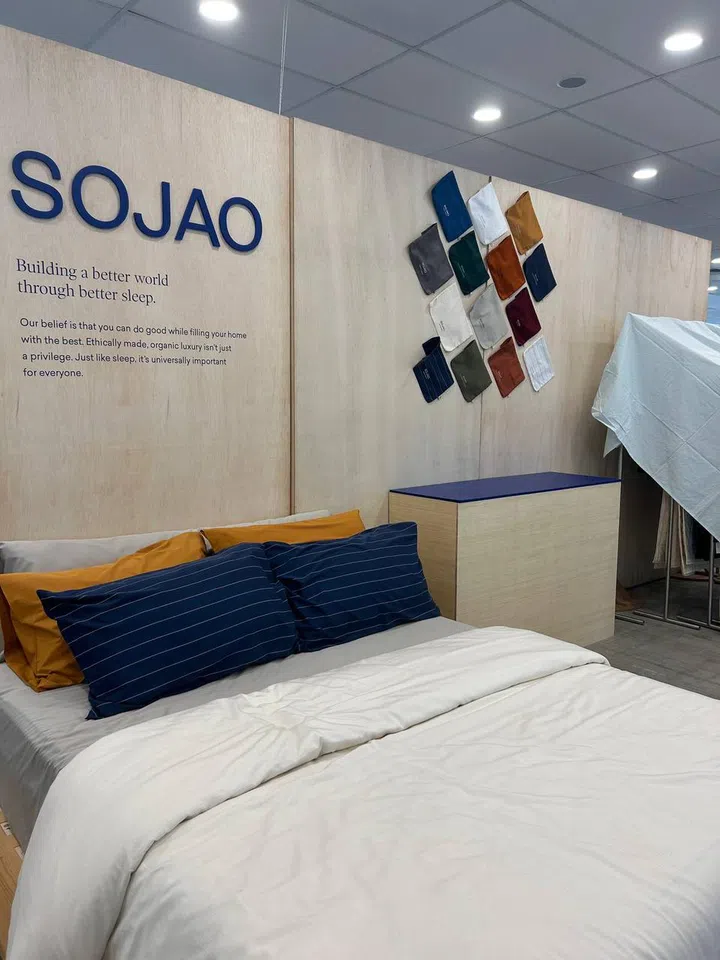
SOJAO is an organic luxury home and lifestyle essential store that sells bedsheets, towels, and loungewear that are made of 100% cotton.
CEMENT PRODUCTION DESIGN
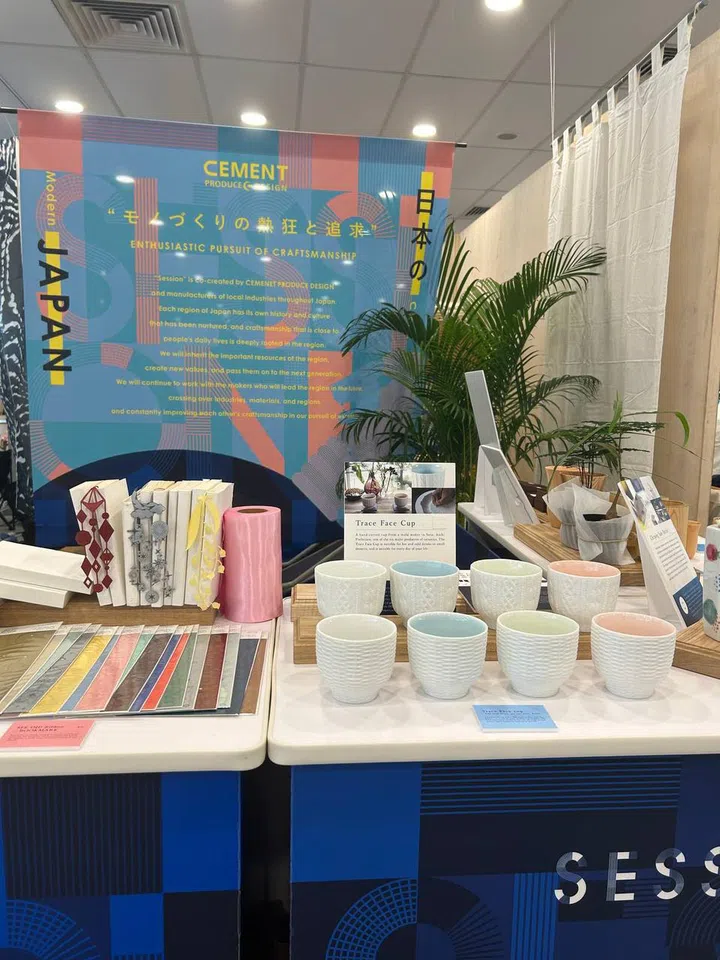
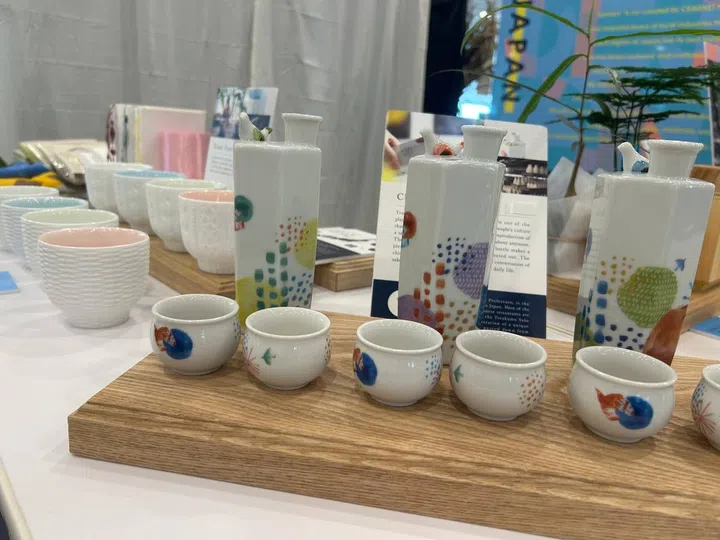
CEMENT PRODUCTION DESIGN is a Japan based design studio that creates ceramics and home decor items.
FELLOW
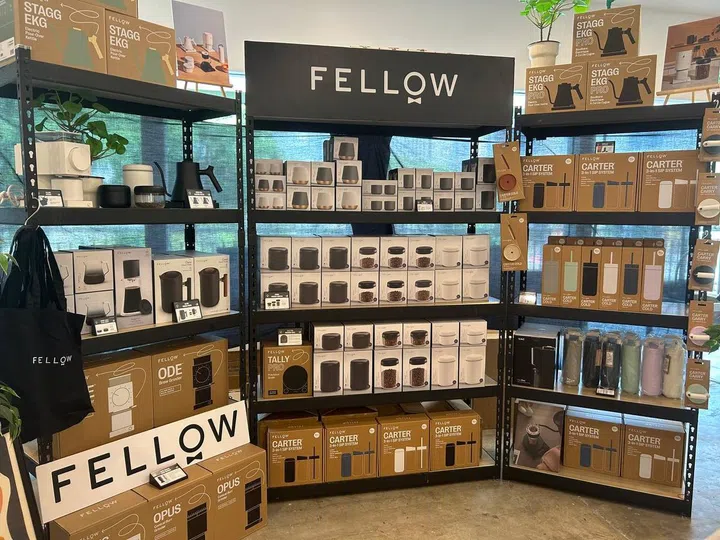
FELLOW is the product of a product designer's obsession with coffee, made by a coffee addict for coffee lovers.
evercasa
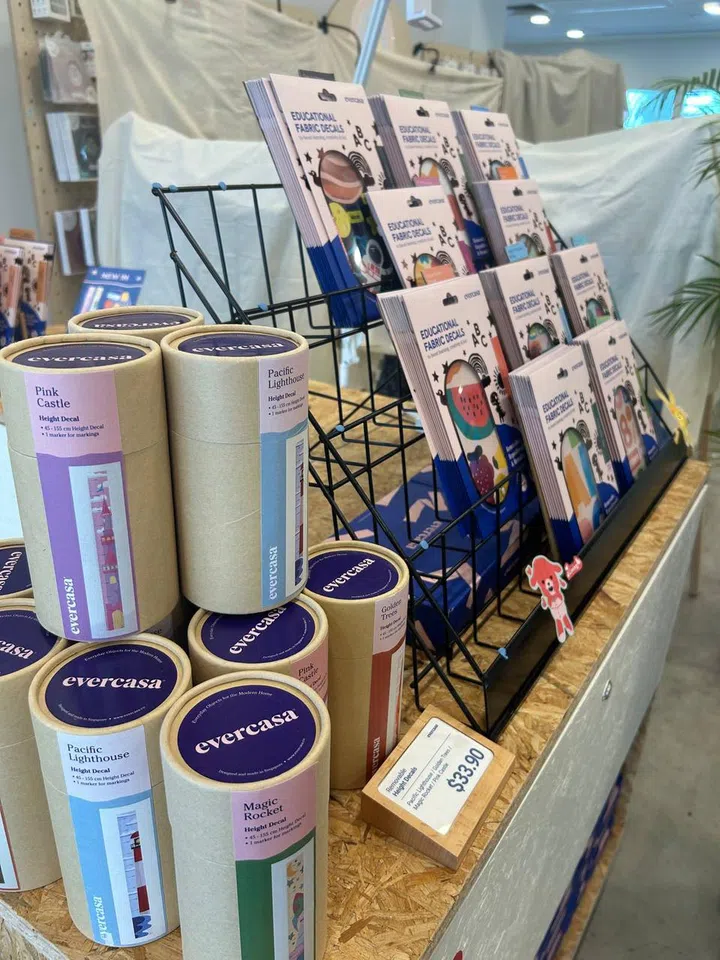

evercasa embraces colour and fun when decorating your child's home!
Choisi par
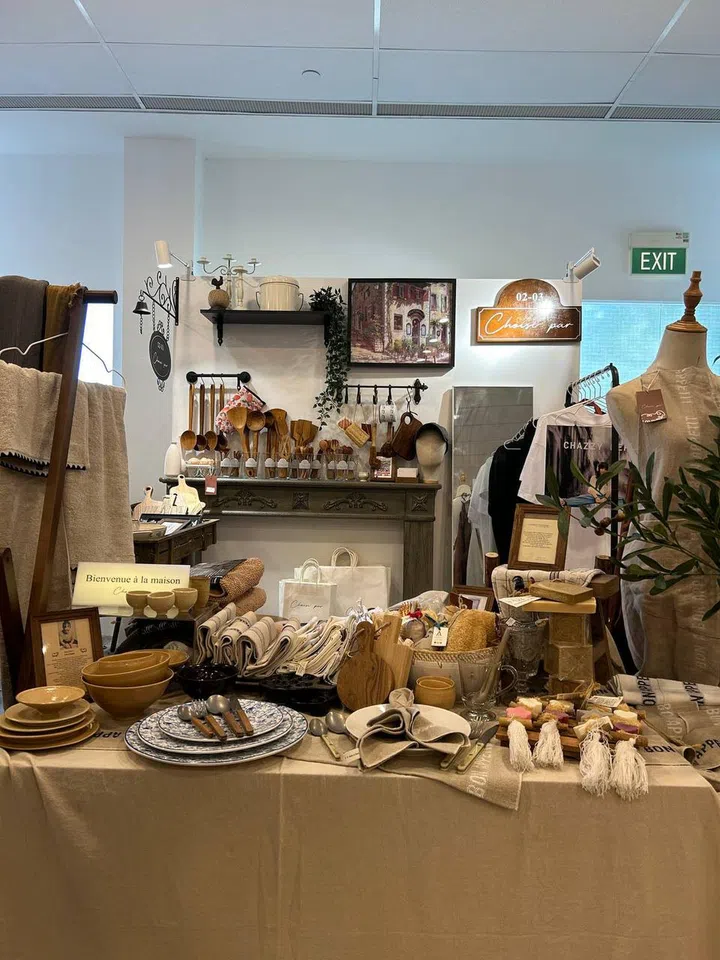
Choisi par is a collection of the best French brands for kitchenware items.
ART:DIS
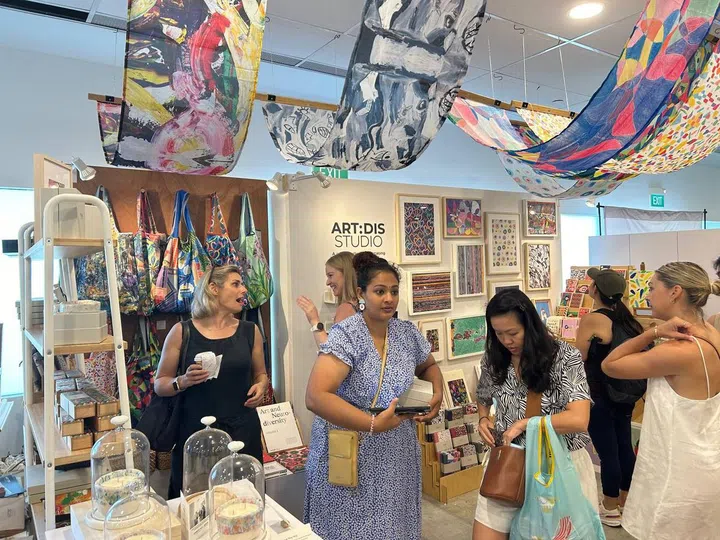
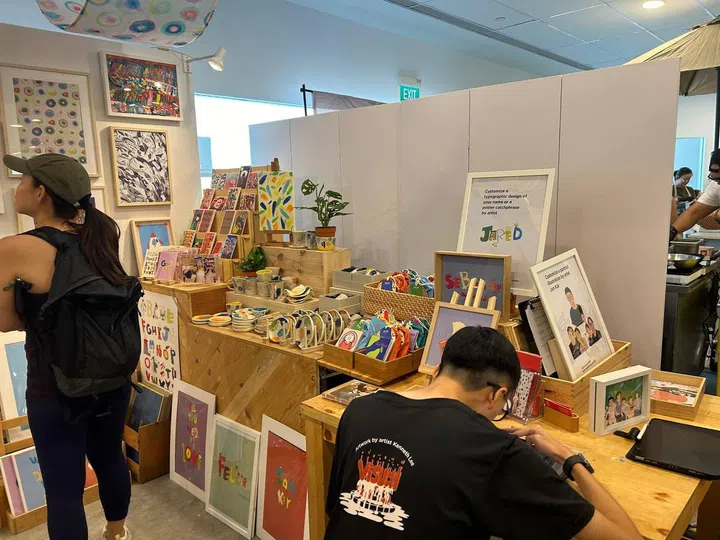
ART:DIS Studio is a collection of designs by artists with disabilities. Their colourful and detail-orientated artworks are available in print, on ceramics, bags, and more!
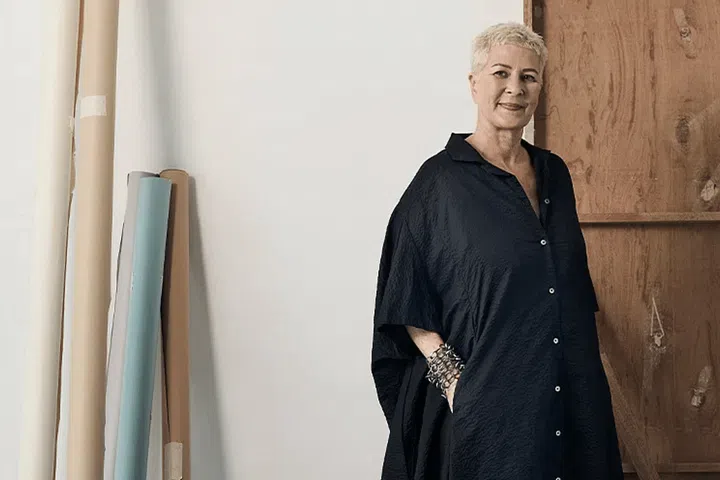
Boutique Fairs Founder, Charlotte Cain
Boutique Fairs Founder, Charlotte Cain
Boutique Fairs Singapore Founder
When Danish expatriate Charlotte Cain started lifestyle retail pop-up Boutique Fairs in 2002, it was a modest event at Fort Canning Park that comprised 17 vendors, including herself. The avid potter first arrived in Singapore in 1989 as a trailing spouse. The idea for Boutique Fairs came about because Cain wanted to create a fair where she and other expat wives with creative passions could sell their creations and interact with customers in a meaningful manner.
Twenty years on, Boutique Fairs has evolved into a biannual, three-day event that occupies two floors spanning more than 8,000 sq m at the F1 Pit Building. Today, the pop-up’s highly curated list of vendors comprise mostly Singaporean or Singapore-based designers and brands specialising in fields ranging from fashion to homeware.
In 2019, Boutique Fairs hosted 350 brands and 37,000 customers — numbers Cain feels had grown too large. Although the pandemic posed tremendous challenges and resulted in a two-year hiatus for the event, it also gave Cain the chance to reset and bring the event back to a more comfortable scale.
Why do you think Boutique Fairs has grown from strength to strength, even in a challenging retail environment?
One thing that makes Boutique Fairs special is that the designers are present at the event — it’s one of our criteria. The basis has always been the dialogue between the designer and the customer. Through those conversations, designers get to share their stories and challenges with customers. This also helps the latter connect with the creator and their products.
It started out very expat-centric, but my goal was always that it not be an expat fair, but a fair that unites all communities. Currently, we have about 50 per cent Singaporean designers and 50 per cent Singapore-based designers.
People sometimes ask me why I don’t feature brands from other Asian countries.
Well, I don’t see the need to do so since Singapore has so much talent despite its small size.

In your experience, how have consumer expectations shifted over the past two decades?
From the very beginning, sustainability and social responsibility have been our top priorities. Initially, people weren’t all that interested. However, I’ve seen an increase in consumer interest in these areas over time.
Today, people want to hear about what goes on behind the scenes. They even want to know if designers work with certain artisans or if a brand donates to social causes.
How else does Boutique Fairs serve a social purpose?
Boutiques is very much about giving back. Today, we sponsor about 10 Singaporean charities, including Babes and Beyond Social Services. Each has their own space, and instead of being put together, they are interspersed with the retail spaces. This is so they’re distributed throughout rather than organised into a “charity section”. It’s all about interaction and sharing stories about what they do and how people can help.
We have also started a Young Designers Showcase Grant. The designers get highly subsidised rates to participate in the event, and I mentor them in various ways. The advice I give them relates to working their space, having a dialogue with customers, receiving constructive feedback, and more.
It’s daunting to showcase something you’re passionate about, and many first-time participants, whether young or old, step back and hide behind their phones. It is important, however, that they stand up, are open, and encourage conversation to advance their business.
Part of this article first appeared in The Peak.