
A 1967 Japanese bidet toilet called ‘Sanitarina 61’ just won a prestigious IEEE Milestone Award
Japan’s first bidet toilet, the 1967 “Sanitarina 61”, joins global breakthroughs like Thomas Edison’s electric light.
By Guanlin Tan -
Share this article
Japanese bathroom giant, LIXIL Corporation, announced that its landmark “Sanitarina 61” - Japan’s first domestic shower toilet launched in 1967 - has been awarded the prestigious “IEEE Milestone” designation.
What is IEEE?
Granted by the New York City-based Institute of Electrical and Electronics Engineers (IEEE), the honor places the domestic innovation alongside world-shaping technological achievements such as Thomas Edison’s electric lighting system, the compact disc, and Wi-Fi.
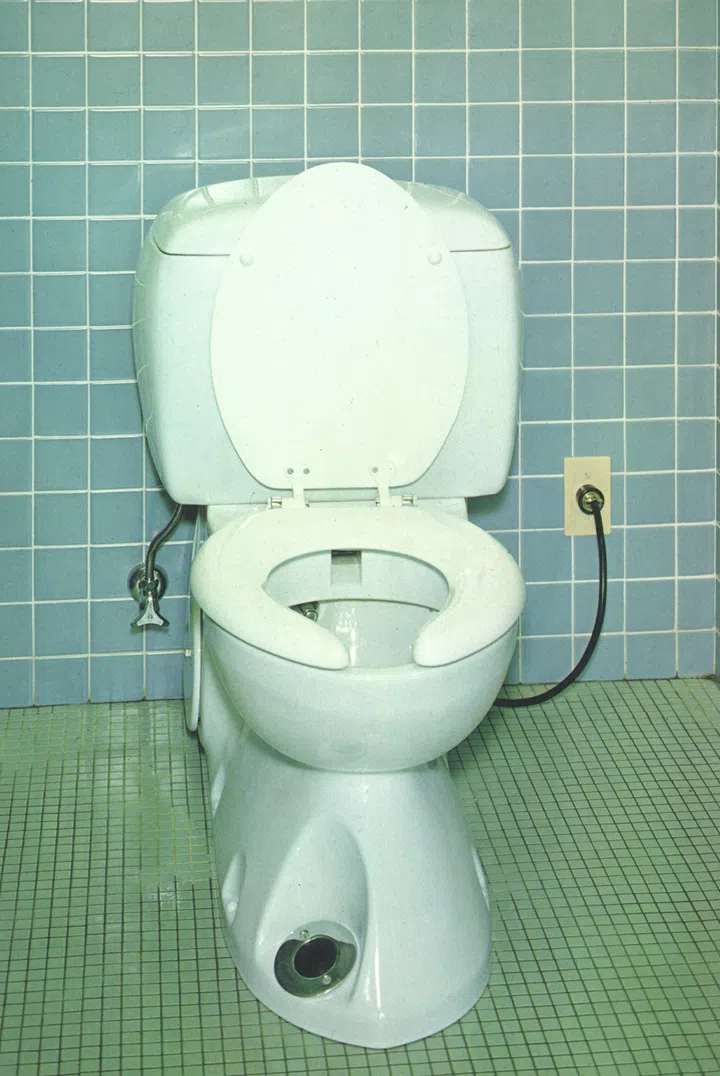
The Sanitarina 61 was created by the engineering team at Ina Seito Co., Ltd. (a heritage company of LIXIL, later known as INAX).
Electric Bidet Toilet Technology
The IEEE Milestone jointly recognizes LIXIL alongside Toyo Toki (now TOTO) and Matsushita Electric Industrial (now Panasonic Housing Solutions) for their collective contributions to pioneering electric bidet toilet technology in Japan between 1967 and 1979.
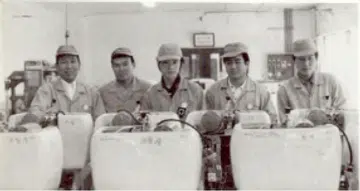
Rather than being attributed to a single individual, the toilet was developed collectively starting in 1964 by a team of Ina Seito engineers who conducted thousands of practical tests using clay and plaster models to establish human anatomical data, optimal spray angles, water pressure, and thermal safety controls.
According to the IEEE citation, these early innovations transformed sanitation technology, improved personal hygiene, and elevated overall quality of life.
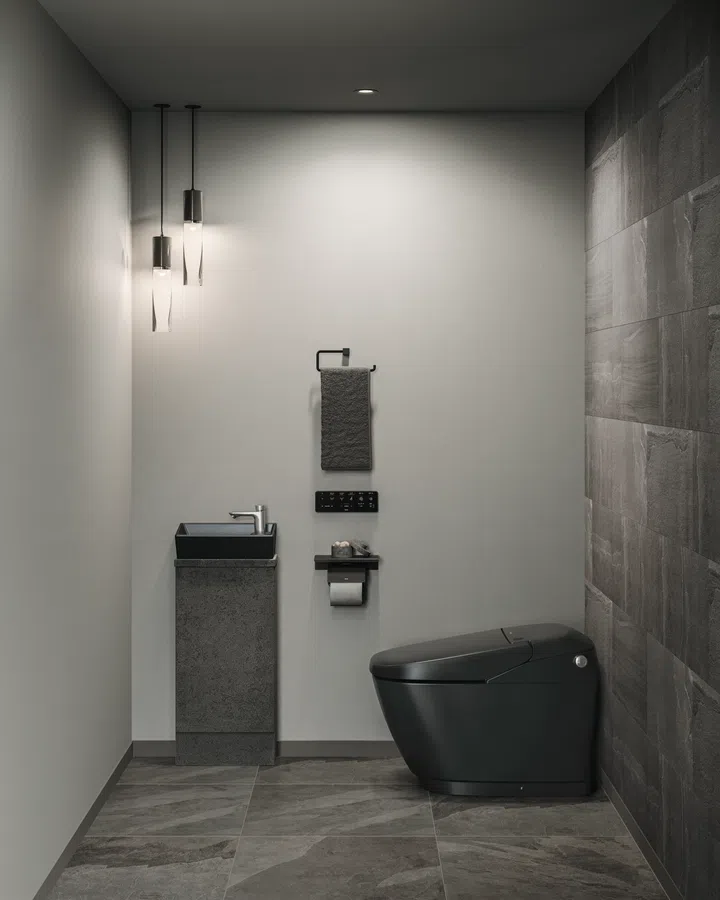
The SATIS X is LIXIL’s luxury flagship model in its SATIS line of integrated, tankless shower toilets (e-bidets). It represents the culmination of LIXIL’s human-centric engineering lineage, which traces back to the 1967 Sanitarina 61.
The ‘Shower Toilet’ Invention
LIXIL’s journey into shower toilet development began in 1964, driven by a vision to establish a brand-new standard for personal hygiene in Japan. At the time, no anatomical or behavioral data existed for such appliances.
Engineers at Ina Seito, one of LIXIL’s heritage companies, conducted thousands of practical trials using clay and plaster models.
Through this meticulous research, the development team determined the ideal nozzle position, optimal water pressure, and a 75-degree spray angle that balanced thorough cleansing with nozzle sanitation, while engineering multi-layer thermal controls to prevent burns.
Modern e-Bidet Toilets
This human-centric engineering approach elevated a basic ceramic fitting into a sophisticated household appliance. Over the decades, these foundational breakthroughs have continued to evolve into modern solutions such as LIXIL’s “SATIS X” series and global offerings like the GROHE Sensia Series, which combines INAX’s Japanese shower-toilet technology with German design.
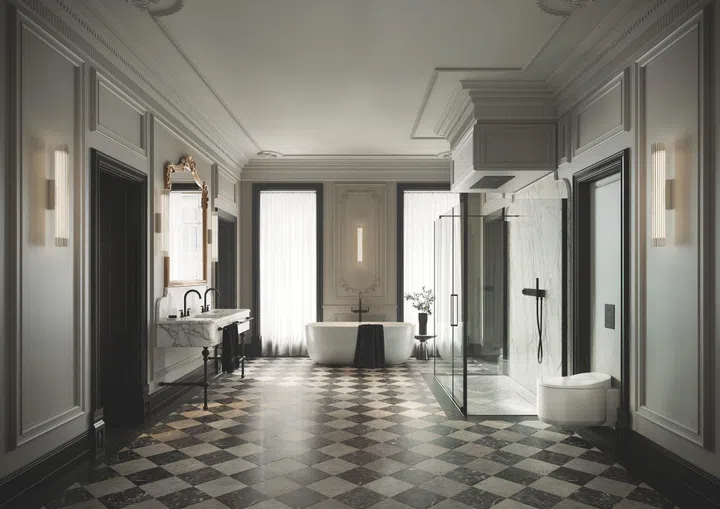
The GROHE Sensia line (most notably the GROHE Sensia Arena and GROHE Sensia Pro) is a series of premium shower toilets produced by GROHE, a global brand within the LIXIL Corporation.
Hiroyuki Onishi, Executive Officer of LIXIL Water Technology Japan, described the IEEE Milestone recognition as an immense honor for both LIXIL and Japan’s broader sanitaryware industry.
He emphasized that from the outset, the focus was never merely on constructing a convenient fixture, but on delivering meaningful value that nurtures personal well-being.
What started as a local Japanese innovation has since expanded worldwide, redefining daily hygiene practices through inclusive design features (such as dedicated feminine-wash functions, dual-nozzle systems, and automated sensor lids) alongside proprietary technologies like super-hydrophilic Aqua Ceramic.