
Share this article
You smell the damp… that dank odour hanging in the air. Your allergies are going crazy…
Could that be the dreaded mould, you ask yourself?
We’ve all seen it or experienced it one way or another. It’s enough to give the instant heebie-jeebies.
You see the mould starting to gather on your leather bags and shoes…Uh. No!
The idea that a fuzzy fungus can grow in your home, around you and on your things is pretty iffy. But more than that, mould, if left untreated, can pose a major health risk.
According to the World Health Organization (WHO), the biggest health problems associated with mould include respiratory symptoms, allergies and asthma.
Not so lucky for Singaporeans, mould thrives in humid conditions, living its best life – but causing us plenty of woes. With the country’s year-round tropical climate, the island is a playground for the fungus.
Mould grows more rapidly when conditions are damp. Although Singapore doesn’t get hit with massive crazy monsoon rains – touch wood for that – we do have our wetter seasons from November to January.
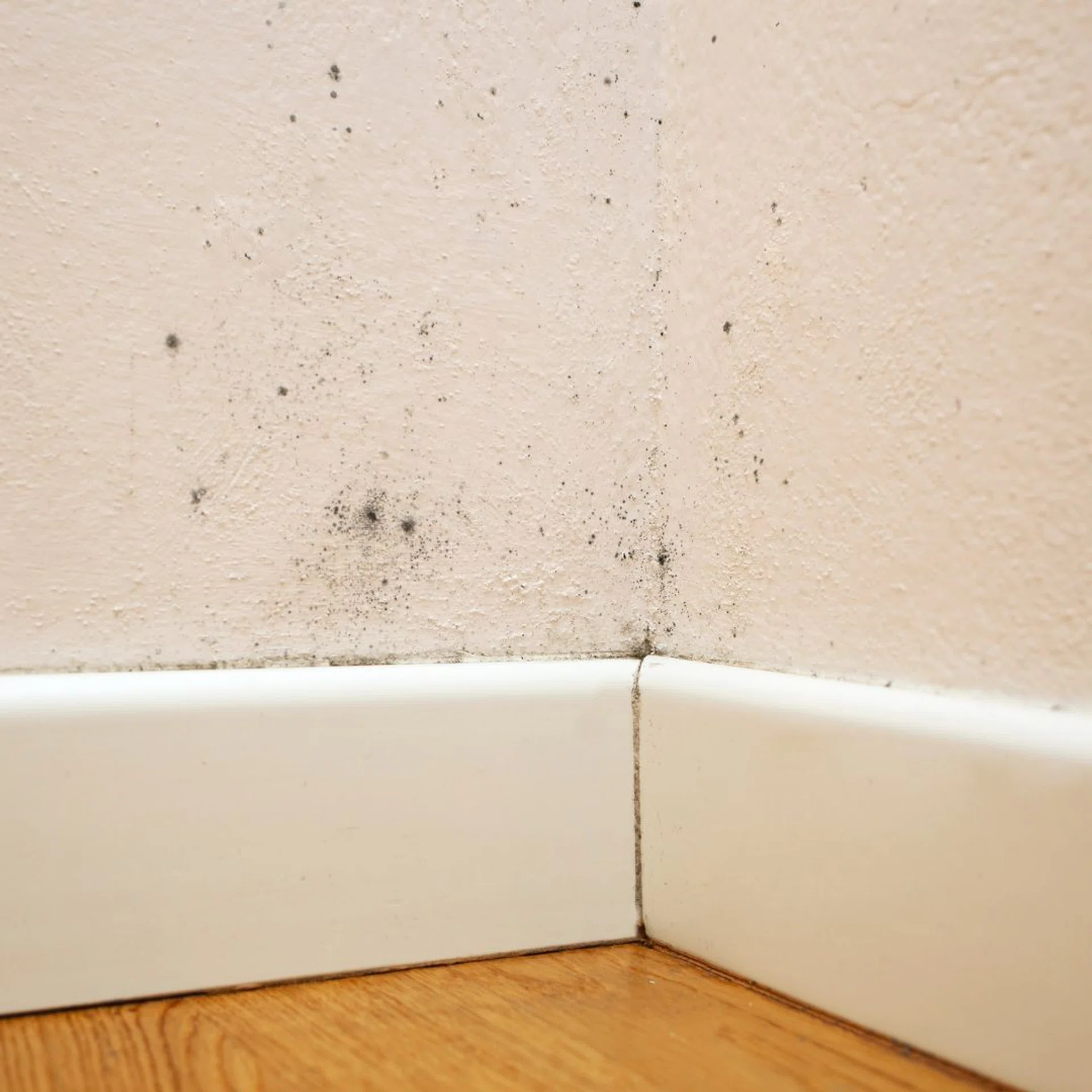
If you’re “lucky,” you’ll physically see the mould gathering in powdery or black patches. But there’s also the hidden side to the fungus, where it starts to take over behind the scenes, multiplying behind your walls. Often, you don’t even know you’re living with mould!
How do you know if you really have mould?
This is one of the most commonly asked questions and problems that homeowners face.
You cannot see it, but you think you might smell it: an earthy, musty, dusty-damp sort of aroma.
Mould doesn’t just grow in one place; it can fester in different parts of a home.
It becomes especially tricky if these parts are hidden, for example, behind walls or underneath ceiling boards. It can progress when the mould starts to seep through the ceiling or walls in patches, and you can physically see the mould. But by this stage, it means the mould has progressed rapidly.

Allergies
Have your allergies been off the charts recently? Perhaps you’ve never suffered from allergies before and suddenly your nose and sinuses are driving you crazy?
A study conducted in the U.S., as published by PubMed Central (PMC), analysed the associations between asthma, allergies and eczema after exposure to fungi and musty odours in the home. It based its findings on 2849 children (between 6 and 18 years old) and 5563 adults. Results showed that ‘that mildew/musty odour in the home was positively associated with childhood asthma (OR 1.60; 95% CI 1.17–2.19), adult eczema (OR 1.92; 95% CI 1.39–2.63), allergy (OR 1.59; 95% CI 1.26–2.02), and asthma (OR 1.61; 95% CI 1.00–2.57).’
Experts or DIY Home Test?
Calling in the experts means they will first have to do an inspection to see if you have mould. Then, proceed with steps to remove mould.
Is it worth calling in the experts immediately if you suspect mould?
Here’s a cost breakdown. Every home or situation is unique. The area size and how many days the job takes to complete affect the price. What else?
Mold Busters Singapore lists the following factors affecting the mould removal costs:
- Size of affected area
- Mould type and severity
- Accessibility, i.e., mould behind walls, inside ceiling voids or beneath flooring
- Material replacement
- Root cause repair, i.e., plumbing, waterproofing or HVAC work
- Testing requirements
Four Solutions states that a mould removal job can range anywhere from $250 to $2500. Again, it’s circumstantial.
A DIY Mould Test
Have a sneaky suspicion you might have mould, but not ready to invest or drop your Sing dollars yet?
DIY mould tests are available, which can test surfaces, including walls, showers and sinks, indoor air, wooden furniture and finishings, and HVAC systems. The test can identify the type of mould – helping you understand the severity and next steps to take.
DIY mould tests cost a fraction of the price:
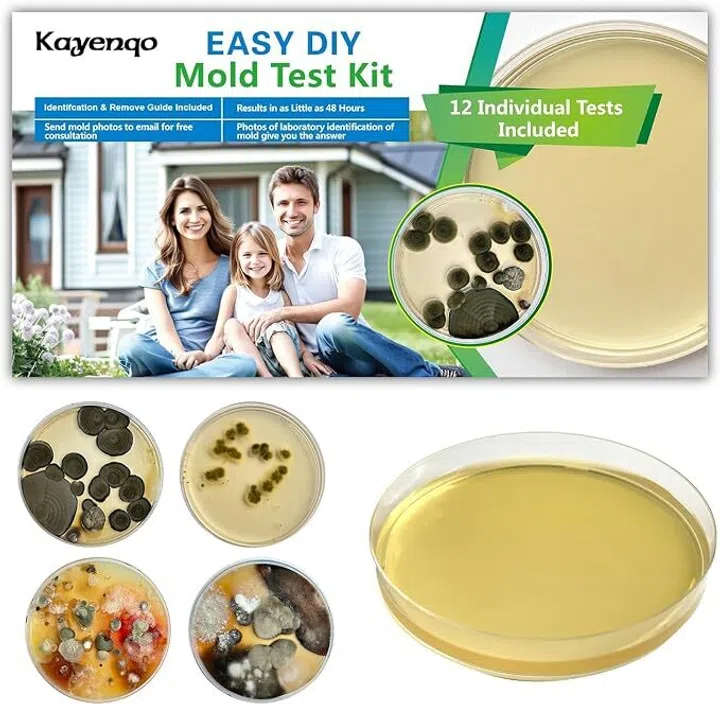
Shop the Kayenqo Mold Test Kit, Mold Test Kit for Home - 12 Simple Detection Tests from $47 on Amazon
What do the experts do? (Know what you’re paying for)
After inspection, if you decide to go through with a professional service, the process involves mould remediation. This includes identifying the source, removing the existing mould, cleaning the infected area via treatments, and, if needed, replacing structures and surfaces if badly infected, for example, drywall or plumbing work.
How to remove mould from walls
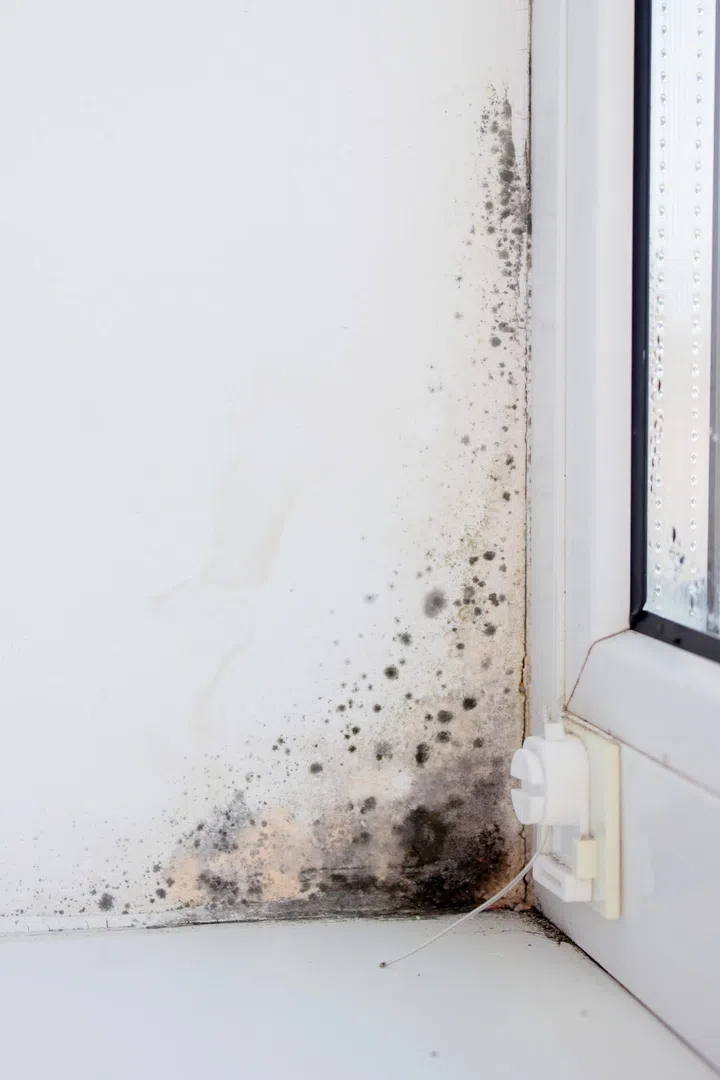
Unless grey-black patchy blotches have made their way through the front surface of your home, it’s pretty difficult to identify if your walls contain mould. But wall mould is one of the most common problems we face in Singapore because of high humidity levels combined with the AC constantly running.
How to remove mould from walls? If it’s deep behind the surface, an expert is your best bet.
If it’s identifiable on the surface, start with a wall mould remover spray. Wear a face mask whilst using. Then, apply a coat of anti-fungus wall solution paint.
Shop the ODOROKU wall mold remover spray from $6.90 on Odoroku
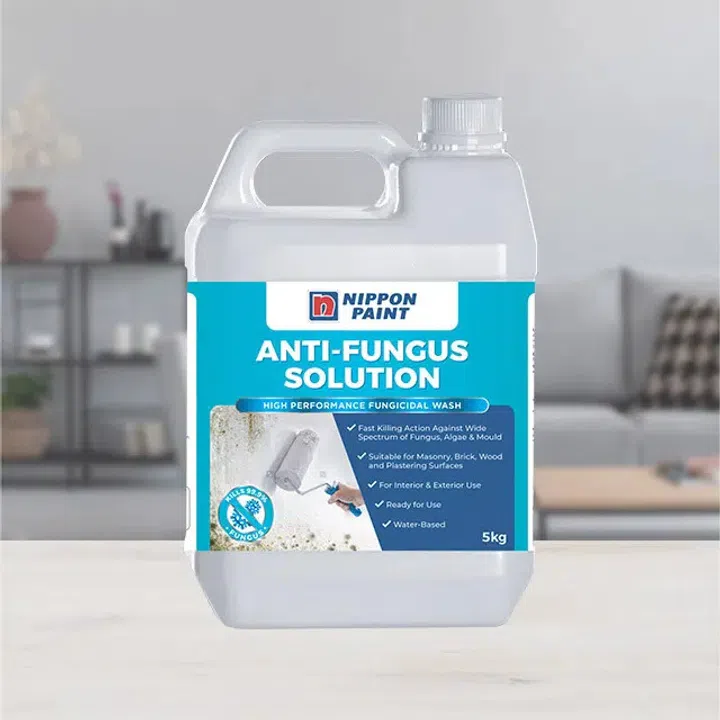
Shop the Nippon Paint Anti-Fungus Solution from $34 on Nippon Paint
How to remove mould from ceiling
The thing about ceiling mould is that it likes to gather in the damper parts of the home – think bathrooms or a service yard. Any space that is exposed to more steam and condensation than usual.
Being a little higher off the ground, it can also make reaching the ceiling trickier. I.e., you will need a stepladder to treat ceiling mould.
How to remove mould from ceiling spaces also involves inspecting the amount of moisture the room gathers.
- If your bathroom has windows, open them a little whilst showering (if private enough), or straight after showering.
- Leave the bathroom door ajar during shower time (if there’s enough privacy).
- Always turn on your extractor fan if you have one.
- Don’t leave damp clothes to dry in a room with no windows or airflow.
- Defog mirrors and wipe down walls – condensation can travel.
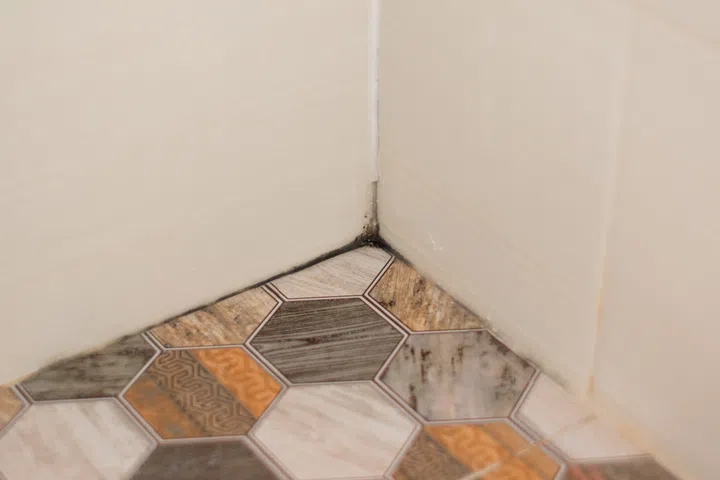
How to remove mould from bathroom tiles
There is nothing more heartbreaking than spending time, money and effort on a home renovation, only for small details to be wrecked by markings, like mould or mildew build-up on the grout in between bathroom tiles!
Tiles in areas like the bathroom are one of the most popular areas susceptible to water.
Think about how often you take a shower and use the bathroom?
Another common area for mould and mildew build-up in the bathroom is at the bottom of the shower along the sealant (known as the silicone caulk), or in the corners. The mould gathers in this silicone or into the grout. You don’t want to remove either or disturb tile placement and bathroom structure.
How to remove mould from bathroom tiles? To get rid of mould stuck in your grout or silicone caulk requires patience. Not just a wipe down.
- Use a hydrogen peroxide solution.
- Add this to cotton pads and press them into the mould-stained areas for one hour.
- Then wipe down.
Other tips for lessening mould accumulation in the bathroom?
- Leave a fan on post-shower.
- Crack open the window
- Wipe down walls and mirrors
- Clean beneath window frame
- Regularly clean the overflow drain
- Regularly wipe down bathroom tiles
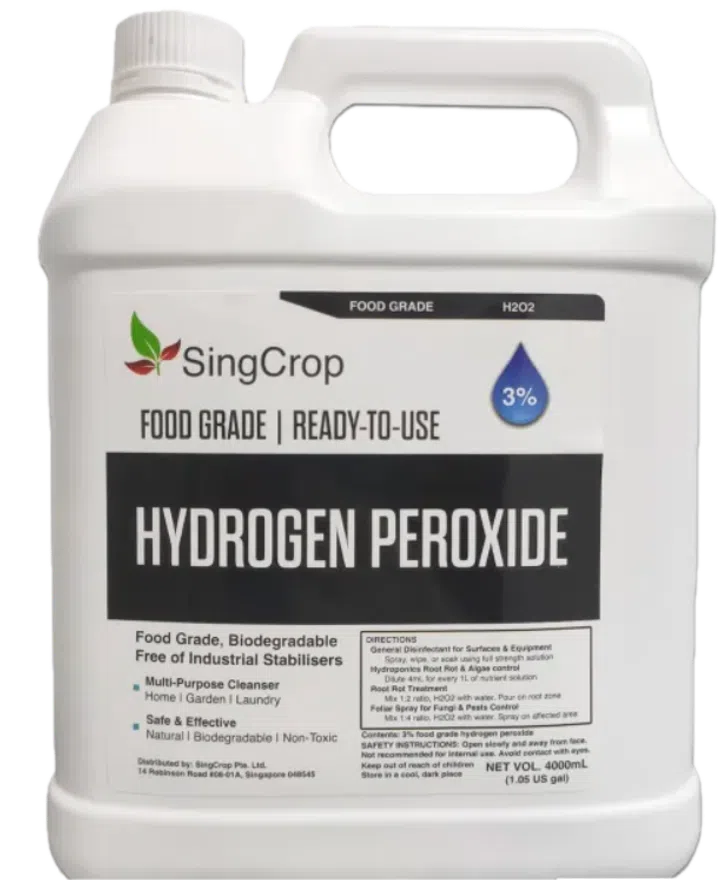
Shop the SingCrop Hydrogen Peroxide 3% Food Grade Solution | Multipurpose disinfectant for Home & Garden from $34 on Lazada
How to remove mould from wood
Attempting to get mould out of wood can become stubborn business, especially if the mould has deeply set in.
The worst part about mould and wood is that mould can affect the structure of the wood, whether it’s a piece of furniture or a door frame.
How to remove mould from wooden furniture if it’s only on the surface? Wiping down the powdery mould or scrubbing the black patches with soapy water and an old toothbrush works. But if it’s gone deeper, here are some tricks to try:
- Mix white vinegar with bicarbonate of soda and spray the infected area
- Sand down using a light sandpaper
- Treat the wood with an anti-fungus treatment or oil
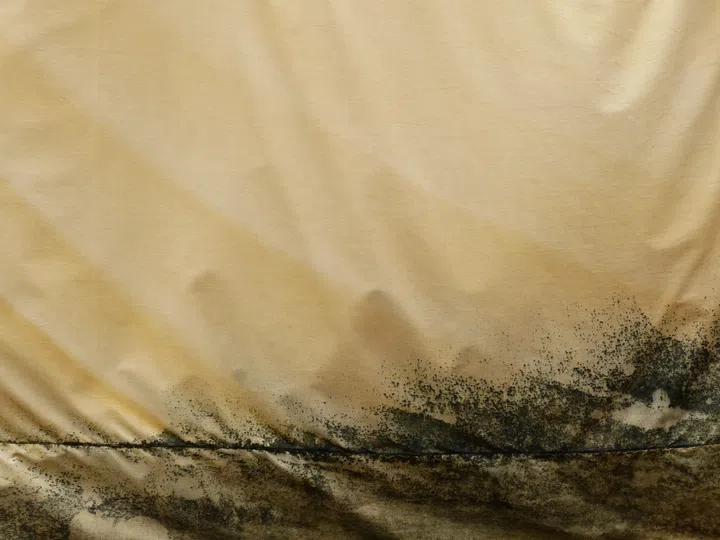
How to remove black mould from fabric
Service yards are increasingly popular in Singapore in newer builds like BTOs and condos, where you keep a drying rack. Or, homeowners install automated ceiling racks to dry their clothes. But if you don’t have a dehumidifier in this space, it can lead to an excess of water vapour in the air as the liquid converts to gas.
Water vapour is a big contributor to mould growth. If you start to see black spots on your clothing or fabric, it’s mould.
Reasons for mould in your fabric? The room/space is not properly ventilated or receives little to no sunlight. Or, there is way too much moisture in the air. For example, your bathroom is positioned right next door to the service yard.
Direct sunlight is one of the best ways to kill mould, but it doesn’t remove the stain. How to remove mould from fabric sofa and other materials? Use Dicon mould remover for fabric, oxygen bleach for laundry or white vinegar.
Many homeowners attest to Japanese mould removal sprays for fabric, claiming they’re excellent for wood, tiles, grout and walls.
Shop the Japan Mould Remover Spray, Automatically Decompose and Remove Mold and Mildew Cleaner from $6 on Lazada