
Is private property the current Singaporean Dream? Actor Tyler Ten wants a landed home, Tiktok influencer ‘Hokkien Girl’ wants a penthouse
It’s a pretty good and unique trait that young adults aspire towards home ownership. Then, too much of a good thing becomes bad.
Share this article
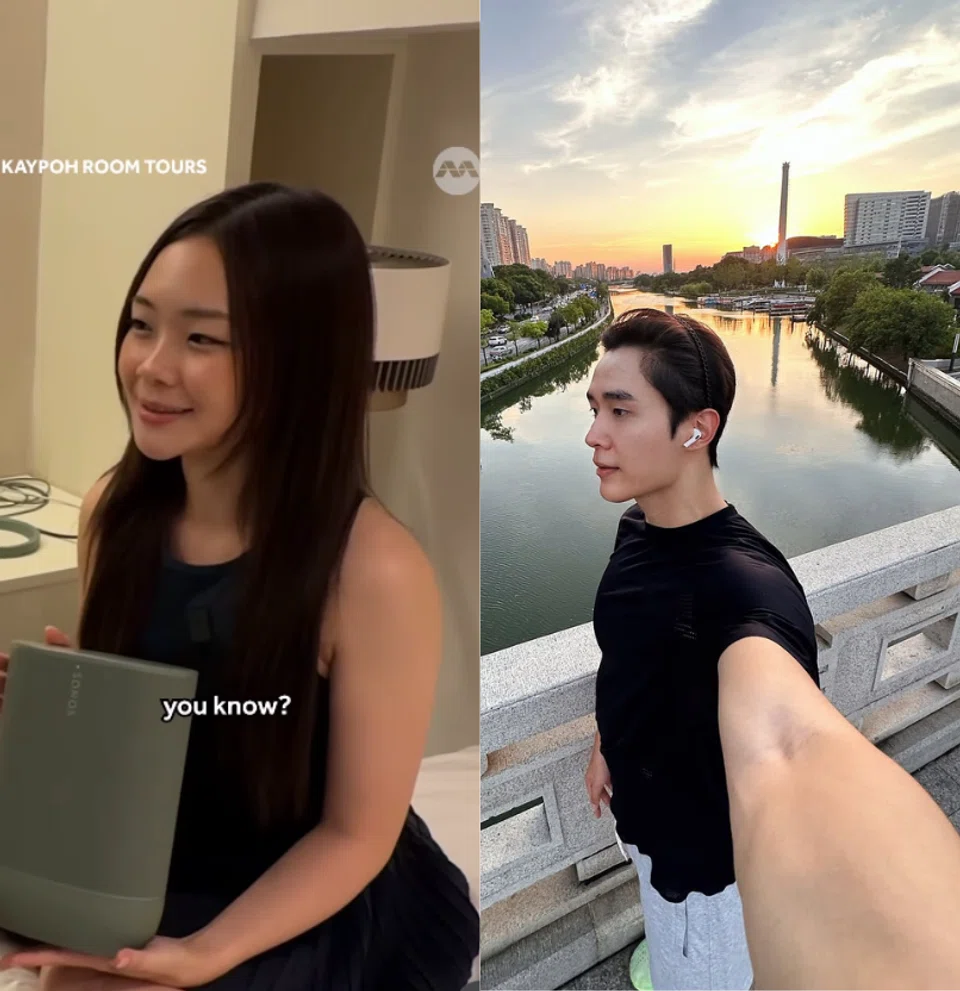
When local actor Tyler Ten openly declared his ambition to own a landed property, and TikTok personality Ong Yiting (popularly known as ‘Hokkien Girl’) set her sights on a penthouse by age 30, it sounded like familiar national dialogue.
First, we want a BTO, then an Executive Condominium, then a 2-bedroom condo, a luxury penthouse, and a landed house. It’s a moving bullseye. It’s a moving yardstick. Are we content, or are we not? And is this ‘money not enough’ culture, a good thing or not?
It’s a pretty good thing that, in Singapore, young adults aspire towards home ownership. Then, too much of a good thing becomes bad.
HDB’s push for home ownership
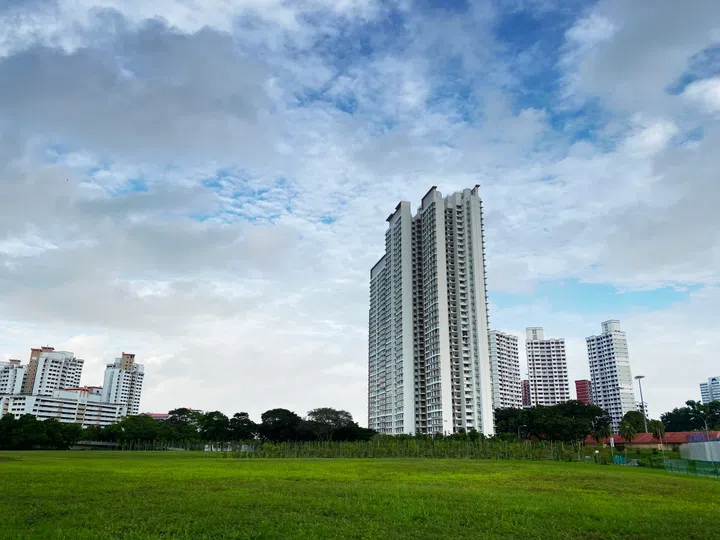
In Singapore, nearly 90% of resident households own their homes (2024 statistics). Homeownership has grown to be a yardstick for success and ambition. Crossing the HDB sector, and scaling the upper real estate echelons of private property has become the ultimate symbol of adult success in Singapore. (Do you agree?)
Young people’s dreams came from somewhere. It’s policy. We could say that it all began in the 1960s.
Under the Housing & Development Board (HDB) and the Central Provident Fund (CPF) ordinary account system, Singapore engineered one of the highest homeownership rates in the world by using forced retirement savings to finance long-term HDB mortgages.
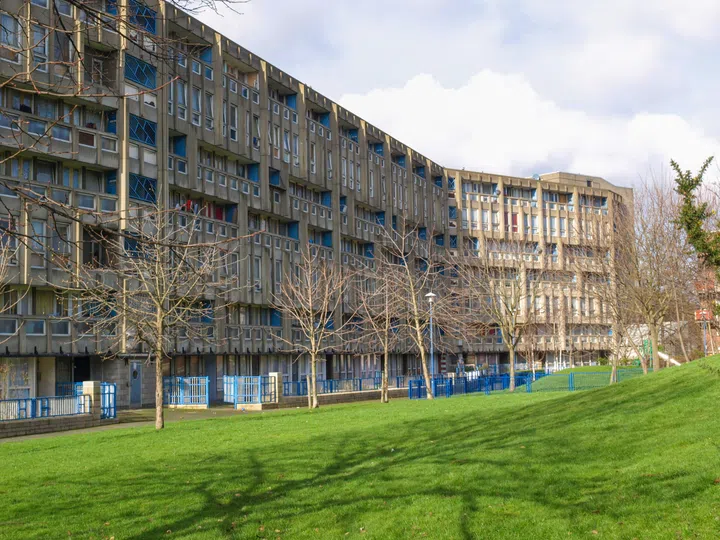
The Robin Hood Gardens housing estate in London was designed in late sixties by Alison and Peter Smithson is a masterpiece of new brutalist architecture.
Renting is the norm in many cities
If we were to peer across the Strait at our neighbours in Malaysia, Indonesia, and Thailand, homeownership rates are also high - but they are driven by other factors like family land ownership. In these countries, public housing infrastructure and state-backed homeownership policies (like CPF) are minimal. Urban young adults face rapid, unregulated property price inflation in the capital cities (like Kuala Lumpur, Jakarta, Bangkok). So, for the most part, they rent.
And that’s not any different across the globe in Seoul, London, or New York City. For most young adults, renting is the only choice they realistically have. High property prices have forced young adults out of home ownership - a result of a cocktail of reasons like visible land scarcity, and invisible factors like rich and old landlords, supply and demand, long-winded building assessment and controls, home loan restrictions etc..
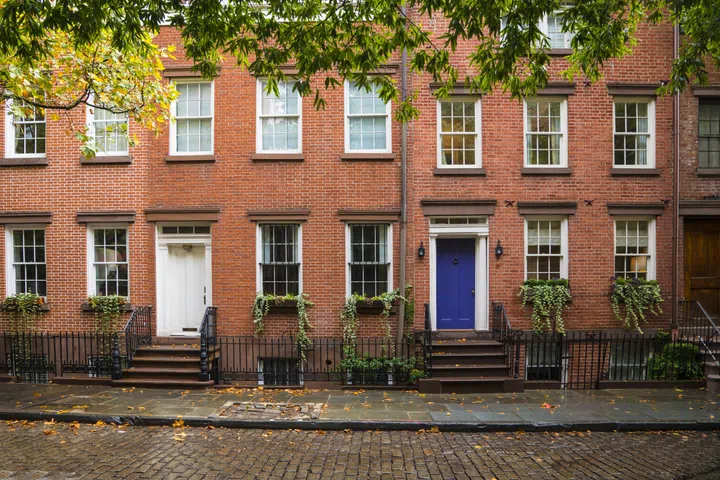
In New York City, 67% of households rent. In London, buying a home without generational wealth (Bank of Mum and Dad) is increasingly rare. Renting is a permanent lifestyle for young adults, not a temporary stepping stone.
Young South Koreans face a high-pressure real estate market dominated by the unique Jeonse system (opens to Reddit). It is the commonplace practice for young South Korean couples take bank loans to pay their rent.
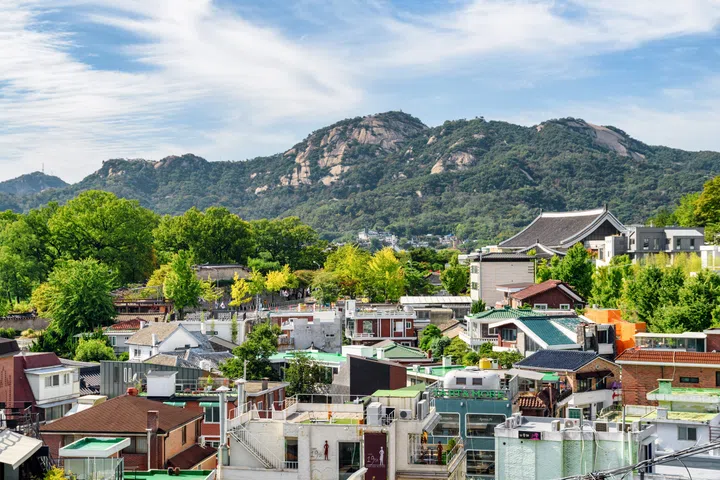
Homeownership is the baseline in Singapore
Singapore’s public housing policy is vastly different. HDB flats are subsidised, price-controlled at BTO launches, and are commonly purchased using Central Provident Fund (CPF) Ordinary Account savings.
Now that HDB or BTO ownership is much more commonplace in Singapore, it became a baseline starting line. Basic homeownership is no longer an achievement to brag or measure adult success by.
It’s a good thing
Encouraging young adults to save early, build creditworthiness, and avoid speculative spending for HDB and BTO homeownership is definitely a good thing. Historically, real estate in Singapore has also been a stable tool for wealth preservation and hedge against inflation.
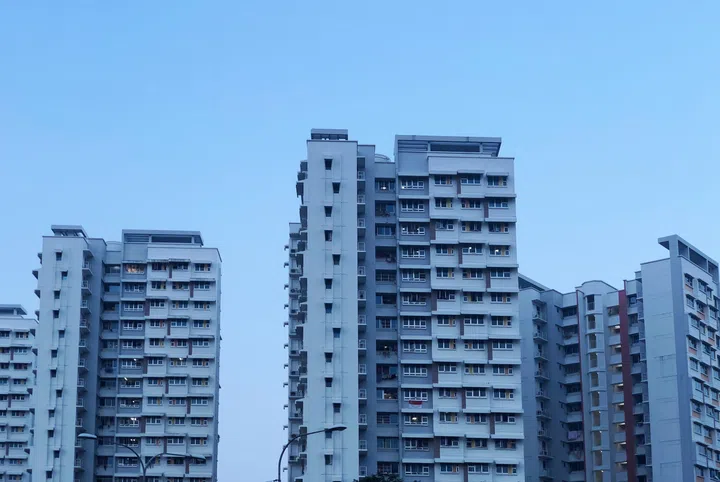
Comparison kills joy
Perhaps, social media trendsetters and key opinion leaders could try not to go beyond that. Publicising chasing luxury housing and making them norms in social media conversation may not be the most socially responsible behaviour.
In an era of high interest rates, economic uncertainty, missteps in financial planning and home purchases can lead to severe financial distress. Young buyers may tie up all their rainy day liquid cash into an expensive property purchase, leaving them asset rich, cash poor.
When public figures frame luxury properties as ‘standard’ milestone for young adults in their late 20s or early 30s, it generates acute status anxiety. The average median income for young adults makes purchasing a condo statistically out of reach without family backing or exceptionally high niche earnings.
And let’s be reminded to take what we see on social media influencers’ pages with a pinch of salt. The content that they post are, after all, personal branding campaigns.